Mendoza Malbec Deep Dive: Varieties, Terroir, and Tasting Like a Sommelier
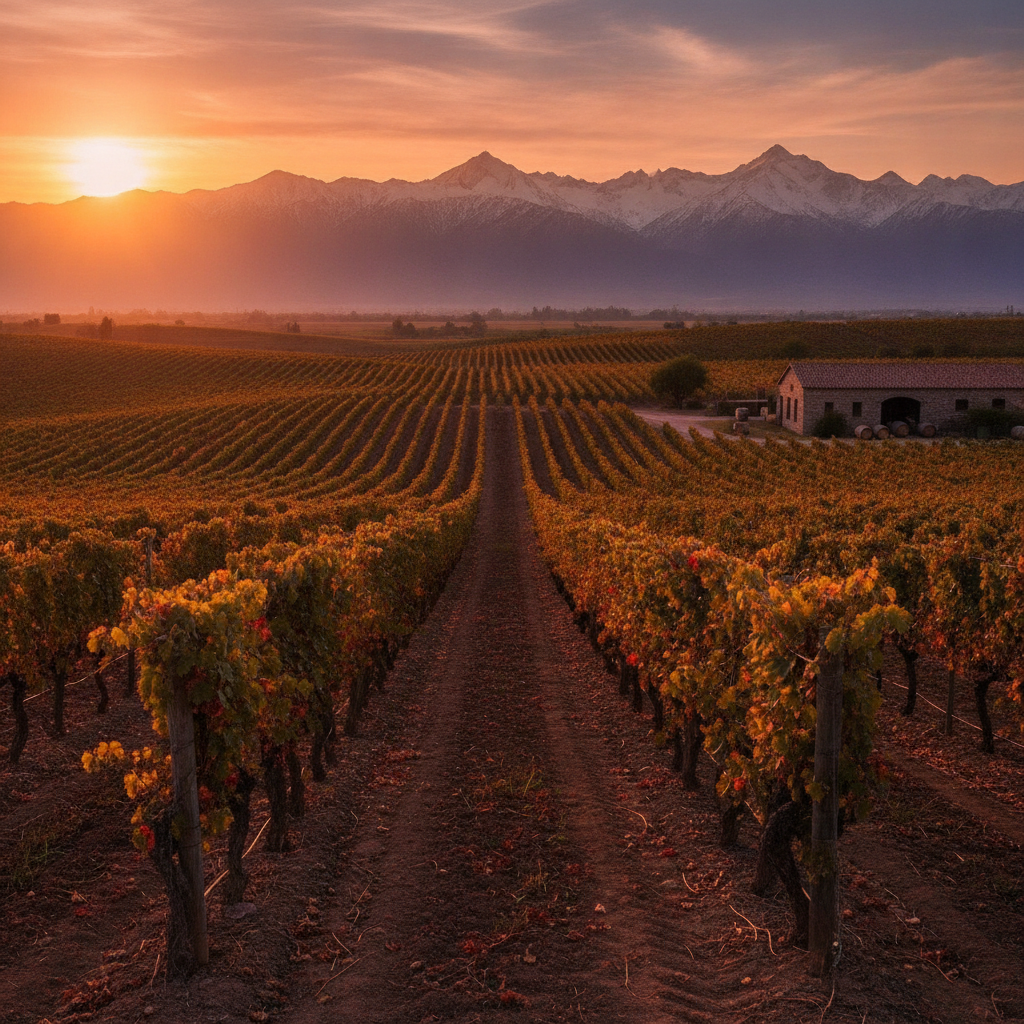
Malbec, the French grape variety transplanted to Mendoza by immigrant winemakers in the mid-19th century and now producing its finest expressions in the high-altitude vineyards of the Cuyo region, has become Argentina's signature contribution to world wine culture. Understanding the differences between Malbec from Maipú, Luján de Cuyo, and Valle de Uco, the role of altitude and soil composition in shaping the wine's character, and the complementary varieties that Mendozan producers blend with Malbec transforms the wine tourism experience from a pleasant outing into a genuine education.
- 1
Malbec Origins: From Cahors to the Cuyo
Malbec, known in its French homeland of Cahors as Côt or Auxerrois Noir, arrived in Argentina with the wave of European agricultural immigration in the mid-19th century and was initially planted in Mendoza as part of a government modernization program that brought French viticulture expertise to the country. The French agronomist Michel Aimé Pouget, who established the first agricultural school in Mendoza in 1853, introduced Malbec cuttings from France as part of a broader program of introducing European grape varieties to replace the native Criolla grape that had dominated Argentine wine production since the colonial era. The transformation of Malbec in the Mendozan environment was profound: the higher altitude, more intense sunlight, and extremely low rainfall of the Cuyo region, combined with the ancient alluvial soils of Andean origin, produced a grape with deeper color, greater tannin concentration, and more pronounced fruit character than the same variety grown in its French homeland. A devastating phylloxera epidemic in France at the end of the 19th century destroyed most of the original French Malbec vineyards, making the Argentine population of the variety the largest and oldest surviving collection of Malbec vines in the world and giving Mendoza a historical claim to the variety that has become central to Argentine wine identity. The contemporary contrast between Cahors Malbec, which tends to be more austere, tannic, and mineral, and Mendozan Malbec, which is typically fuller, rounder, and more immediately expressive of dark fruit, illustrates how profoundly terroir shapes the expression of the same genetic material.
- 2
Altitude and Terroir: How Elevation Shapes the Wine
The relationship between altitude and wine quality in Mendoza is the defining principle of the regional appellation system, with the general rule that higher altitude produces more elegant, complex, and age-worthy wines at the cost of lower yields and later ripening. At lower altitudes below 700 meters, in the eastern zone of Mendoza near San Martin and General Alvear, Malbec produces high volumes of approachable, fruity wine that represents the commercial backbone of the Argentine wine industry; at altitudes above 1,000 meters in the Valle de Uco and the high zones of Luján de Cuyo, the same variety produces concentrated, structured wines with greater aromatic complexity and aging potential. The UV radiation intensity at altitude, approximately 20 percent higher per 1,000 meters of elevation gain, thickens the grape skins and increases the concentration of anthocyanins and polyphenols that give high-altitude Malbec its characteristic deep purple color and firm tannic structure. The diurnal temperature variation, the difference between daytime and nighttime temperatures, increases significantly with altitude and is critical for preserving the natural acidity and aromatic freshness of the grapes; wines from lower-altitude zones can taste flat and overripe in warm vintages while the high-altitude zones maintain freshness even in the hottest years. The alluvial soils of the Andean piedmont, composed of stones, gravel, and sandy loam deposited by glacier melt over millennia, drain freely and force the vine roots to penetrate deeply into the subsoil in search of water, concentrating flavor in the resulting small berries.
- 3
The Major Wineries: Catena Zapata, Zuccardi, and the First Families of Mendozan Wine
The Catena Zapata winery in Luján de Cuyo, founded by the Catena family whose patriarch Nicola Catena arrived from Italy in 1898, is widely considered the most important single winery in the history of Argentine wine, responsible through the vision of Nicolás Catena Zapata in the 1980s and 1990s for the reorientation of Argentine wine toward quality production for export and the identification of high-altitude viticulture as the key to world-class Malbec. The Catena Zapata bodega building, a stepped pyramid structure inspired by pre-Columbian architecture, is one of the most photographed winery buildings in the world and a pilgrimage destination for wine tourists. The Zuccardi family winery in the Valle de Uco, whose Valle de Uco estate has been voted the best winery in South America multiple times by industry publications, represents the frontier of high-altitude viticulture in Mendoza and combines cutting-edge wine production with an estate restaurant and accommodation that have made it a destination in its own right. The Achaval-Ferrer winery in Luján de Cuyo specializes in single-vineyard Malbec wines made from old vines, some of which date to the original immigration period of the late 19th century; the concept of terroir expression through single-vineyard bottlings has been central to the elevation of Mendozan wine to fine wine status internationally. Family-owned historic bodegas including Trapiche, founded in 1883, and La Rural, whose wine museum in Maipú contains the most important collection of historical winemaking equipment in South America, represent the continuity of the immigrant winemaking tradition across multiple generations.
- 4
Wine Blending: Cabernet Franc, Petit Verdot, and the Bordeaux Varieties in Mendoza
While Malbec dominates the Mendozan wine identity, the region produces a wide range of varieties including the full spectrum of Bordeaux red varieties, Torrontés as Argentina's signature white variety, and increasingly Chardonnay, Sauvignon Blanc, and Viognier for the white wine market. Cabernet Franc has emerged as a particularly successful secondary variety in the Valle de Uco, where the cool nights and high altitude preserve the variety's characteristic herbaceous and floral aromas while allowing full phenolic ripeness; several producers now offer single-variety Cabernet Franc that challenges the primacy of Malbec as the signature Mendozan variety. Petit Verdot, an Bordeaux variety that struggles to ripen in the cooler climates of its French homeland, thrives in the intense Mendozan sunshine and produces wines of extraordinary concentration and violet color that are used both in blends with Malbec and increasingly as single-variety bottlings. Torrontés, the aromatic white variety that is Argentina's only truly native significant variety, is grown primarily in the high-altitude vineyards of Salta further north but is produced in smaller quantities in Mendoza; its highly floral aromatics of jasmine, rose, and peach make it one of the most distinctive white wines in the world when produced from low yields and with careful temperature control during vinification. The increasingly sophisticated blending programs of Mendozan producers, combining multiple varieties from different altitude zones and soil types, have produced wines of genuine complexity that compete with the great blended wines of Bordeaux and the Napa Valley at prices that remain significantly more accessible.
- 5
Visiting Bodegas: Etiquette, Booking, and Getting the Most from Tastings
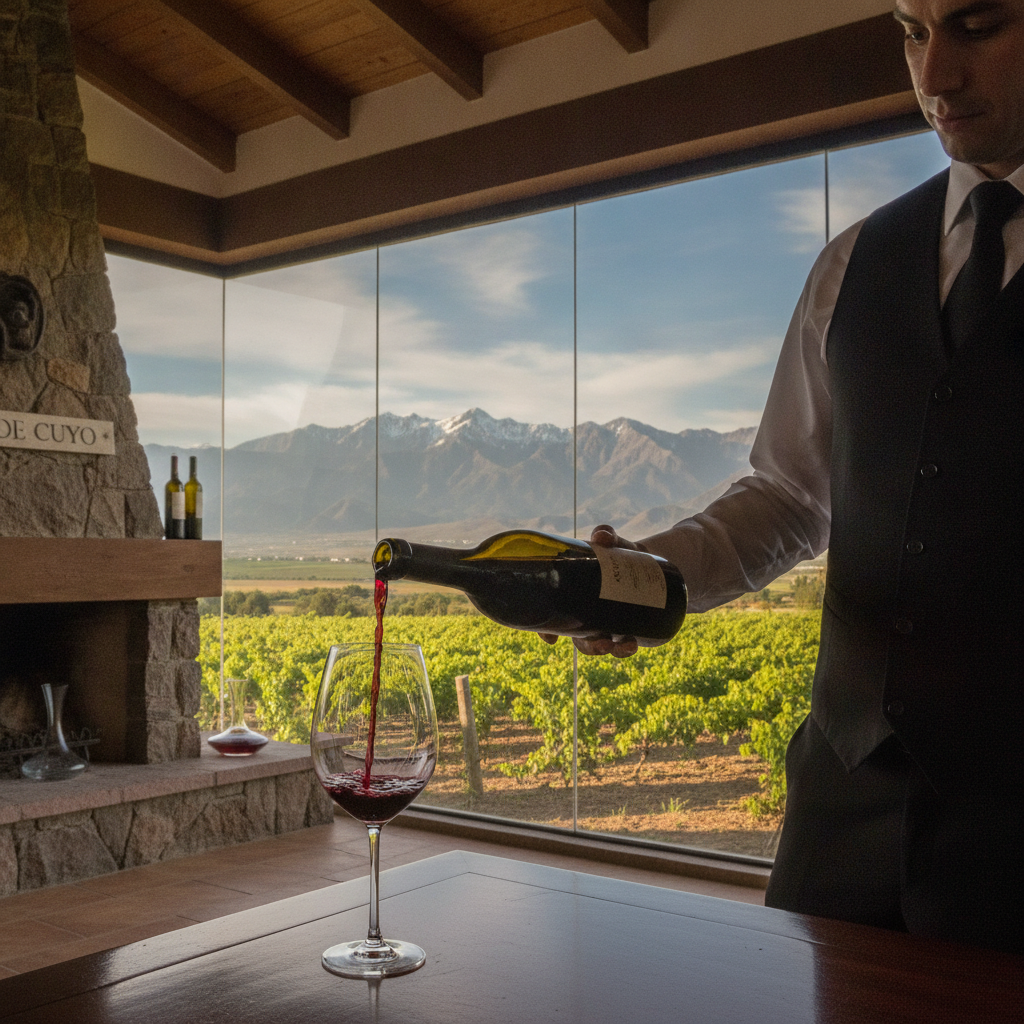
The wine tourism infrastructure of Mendoza is extensive and well-organized, with the majority of the significant wineries offering tours and tastings by appointment and a smaller number receiving walk-in visitors; booking tours in advance through the winery websites or through the numerous wine tour operators in Mendoza city is advisable for the premium wineries that have limited tasting capacity. The tasting room experience at Mendozan wineries ranges from casual standing tastings at smaller family producers to elaborate multi-course food and wine pairing lunches at the prestige estates; the price range is correspondingly wide, from free or minimal-cost basic tastings to several hundred dollars per person for the full estate lunch experience. The optimal sequence for a day of winery visits starts at a mid-morning appointment at a premium estate for a full tour and tasting, includes a lunch at one of the excellent estate restaurants that have developed across the wine regions, and ends with a late afternoon visit to a smaller producer for a more personal interaction with the winemaker or family. Cycling between wineries in the Maipú area is the most popular self-guided wine tourism activity in Mendoza, but driving between wineries in Luján de Cuyo or the Valle de Uco requires sober decision-making about tasting quantities; the standard practice is to taste and spit rather than swallow for visitors covering multiple estates by car. The harvest season of February and March, when the grapes are being brought in and the fermentation tanks are active, is the most exciting time to visit a winery as the production processes are visible and the winemakers are present and engaged with the vintage.
- 6
Mendoza Food: Asado, Empanadas, and the Cuyo Table
The food culture of Mendoza reflects both the broader Argentine tradition of beef-centered asado grilling and the specific regional character of the Cuyo cuisine, which incorporates the influence of the Italian and Spanish immigrant communities and the distinctive local ingredients of the Andean piedmont including the Arauco olive, the goat cheeses of the rural areas, and the garlic that Mendoza produces in quantities sufficient to supply much of Argentina. The asado tradition in Mendoza, as in all Argentine provinces, centers on the slow grilling of beef cuts over wood coals in an unhurried social ritual that can extend for several hours; the pairing of asado with Malbec is the most authentic food-wine combination available in the region and the one that most completely expresses the convergence of Argentine culinary and viticultural culture. Empanadas mendocinas, the local version of the Argentine stuffed pastry, are distinguished from their counterparts in other provinces by the use of olives and hard-boiled eggs in the meat filling; they are baked rather than fried and represent the most immediate and accessible street food experience of the regional cuisine. The estate restaurants at the premium wineries of Luján de Cuyo and the Valle de Uco have elevated the Mendozan food scene to international quality, with kitchens that source local ingredients including kid goat, river trout from the Andean streams, and seasonal vegetables from kitchen gardens to create menus that pair systematically with the estate wines. The olive oil of the Cuyo region, produced primarily from the Arauco variety, has a characteristically robust and peppery profile that reflects the high-intensity sunshine of the region and pairs particularly well with the grilled meats and vegetables of the regional cuisine.
Walk this route with audio
Stories play automatically as you reach each stop — no tapping needed.
More in Mendoza
Mendoza Day Trips: Potrerillos, Villavicencio, Luján Hot Springs, and Malargue
Mendoza Birdwatching: Condors, Flamingos, and Andean Endemics
Mendoza Nightlife, Arts, and the Creative Cuyo Scene

Mendoza Outdoor Adventure: Aconcagua, Rafting, Skiing, and the Andean Frontier
Mendoza History: Huarpe People, Spanish Colonization, the 1861 Earthquake, and San Martin