Memphis: River Science, Rock and Roll Origins and Medical Miracles
Walk the Mississippi scale model on Mud Island, trace Piggly Wiggly origins at the Pink Palace, stand where Elvis first recorded at Sun Studio, learn how St. Jude transformed childhood cancer survival, visit the Brooks art collection, and explore Elmwood Cemetery yellow fever history.
- 1
Mud Island River Park and Mississippi River Museum
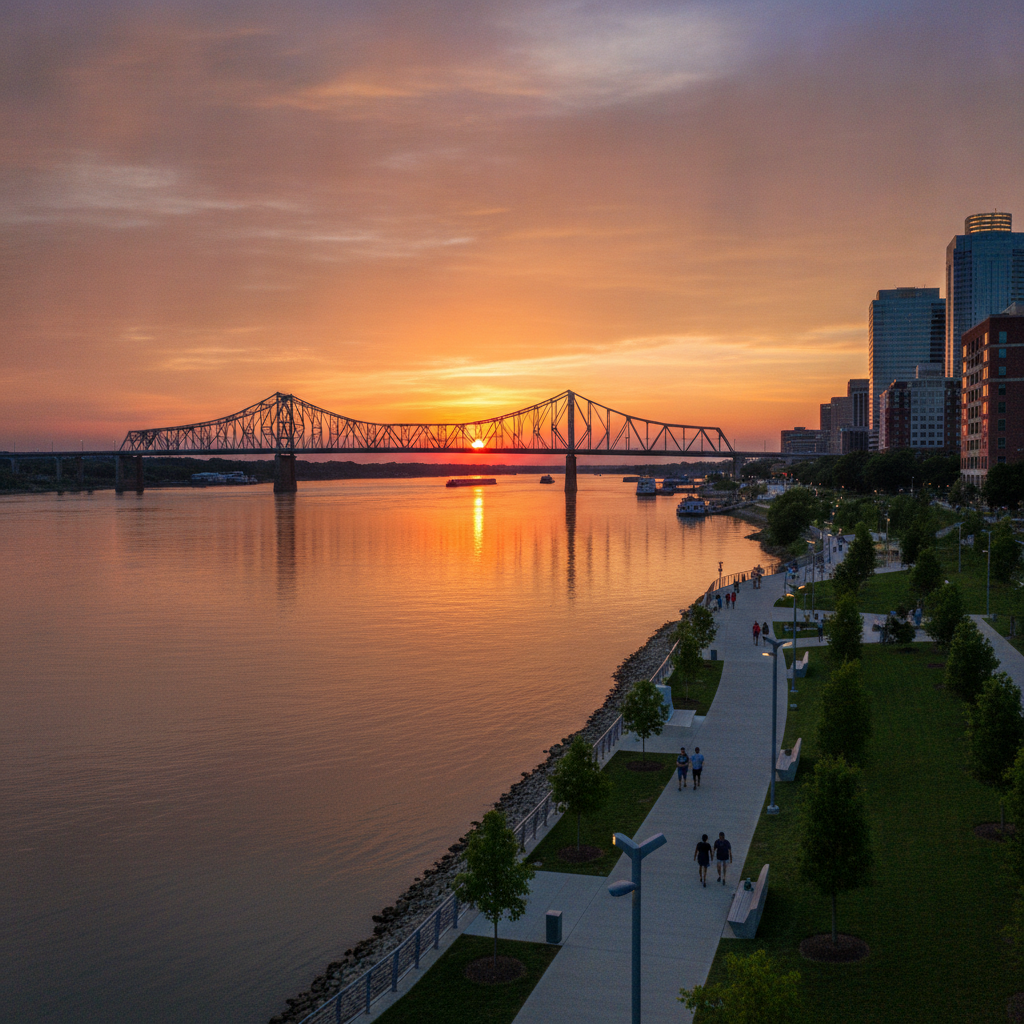
Mud Island River Park, connected to downtown Memphis by a monorail and pedestrian bridge, contains the Mississippi River Museum and a scale model of the lower Mississippi River called the River Walk. The River Walk reproduction stretches 2,000 feet and accurately models every bend and tributary of the river from Cairo, Illinois to the Gulf of Mexico at a scale of one inch per mile horizontally and one inch per 30 feet vertically. The Mississippi River Museum traces 10,000 years of human use of the river from Native American communities through the steamboat era, Civil War gunboat battles, and modern barge commerce. The Mud Island peninsula itself was formed by silt deposited around a US Army Corps of Engineers dike after 1910.
- 2
Memphis Pink Palace Museum
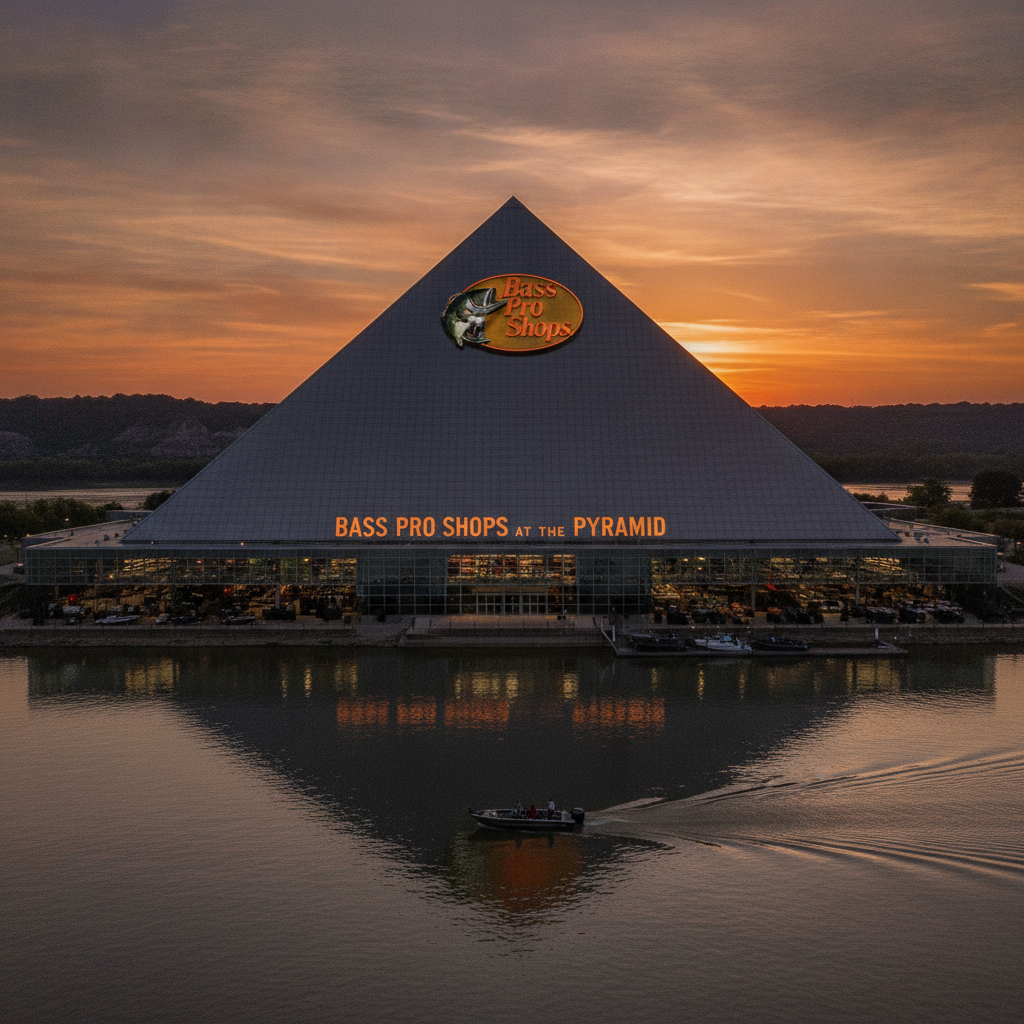
The Pink Palace Museum takes its name from the unfinished Georgian pink marble mansion that Clarence Saunders, founder of Piggly Wiggly, began building in 1922 before his bankruptcy. Saunders invented the self-service grocery store in 1916 at his first Piggly Wiggly on Jefferson Avenue, revolutionizing retail shopping worldwide. The mansion passed to the city, which opened a natural history museum in the main structure in 1930. Today the complex includes a planetarium, IMAX theater, and 80,000 square feet of exhibits covering natural history, local history, and a full-scale replica of the original Piggly Wiggly store interior. The museum holds the largest collection of artifacts related to the Memphis area Civil War campaigns including the 1862 Battle of Memphis on the river.
- 3
Sun Studio and the Birth of Rock and Roll
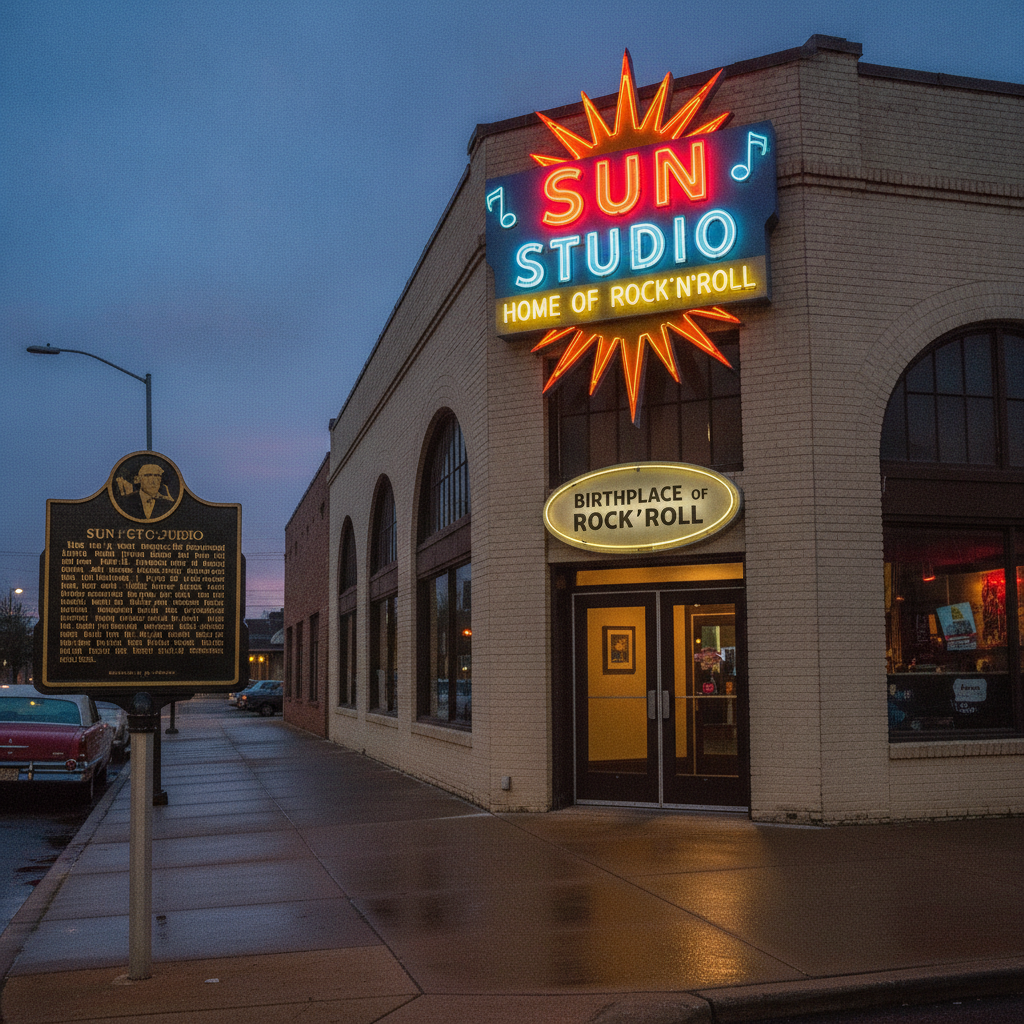
Sun Studio at 706 Union Avenue is the most historically significant recording studio in American music. Sam Phillips opened Memphis Recording Service in January 1950 and renamed it Sun Records in 1952. Between 1951 and 1958 the studio recorded Elvis Presley, Johnny Cash, Jerry Lee Lewis, Carl Perkins, Roy Orbison, Howlin Wolf, B.B. King, and Ike Turner. The 1951 recording of Rocket 88 by Ike Turner and Jackie Brenston is frequently cited by historians as the first rock and roll record. Elvis first recording session on July 5, 1954 produced That is All Right, considered by many the moment rock and roll was born. The studio, small enough to hold only a few musicians, continues to operate as a working recording facility.
- 4
Memphis Medical District and St. Jude Research
The Memphis Medical District anchors one of the largest medical research and education concentrations in the American South. St. Jude Children Research Hospital, founded by entertainer Danny Thomas in 1962, has pioneered treatment protocols for childhood cancers that have raised the overall survival rate for acute lymphoblastic leukemia from 4 percent to over 90 percent. The hospital treats children from all 50 states and 70 countries and charges families nothing. St. Jude operates on a budget exceeding 3 billion dollars annually, funded almost entirely by donations. The University of Tennessee Health Science Center, the Regional Medical Center known as The Med, and Baptist Memorial Hospital together form a medical corridor that employs over 20,000 people and drives significant economic activity in the northern part of the city.
- 5
Memphis Brooks Museum of Art
The Memphis Brooks Museum of Art in Overton Park is the oldest and largest fine art museum in Tennessee, founded in 1916 through a bequest from Bessie Vance Brooks in memory of her husband Samuel Hamilton Brooks. The permanent collection holds over 9,000 works spanning 5,000 years of art history, with particular strength in Italian Renaissance and Baroque painting, British portraits, and American art from the colonial period through the 20th century. The collection includes works by Canaletto, Nicolas Poussin, Thomas Gainsborough, Winslow Homer, and Georgia O Keeffe. The museum underwent a major renovation in 2010 and operates a lively schedule of touring exhibitions, film programs, and after-hours events that have expanded its audience beyond the traditional museum-going public.
- 6
Elmwood Cemetery and Memphis History
Elmwood Cemetery, established in 1852 on 80 acres southeast of downtown, is the burial place of 75,000 Memphians and contains some of the most significant Victorian funerary sculpture in the American South. The cemetery holds graves of 22 Memphis mayors, numerous Confederate generals, and 1,100 victims of the 1878 yellow fever epidemic that killed nearly 6,000 residents and reduced the city population from 47,000 to under 20,000. The epidemic bankrupted the city, which surrendered its charter in 1879 and operated as a taxing district until 1893. Elmwood also contains the graves of civil rights figures and the memorial to the 14 African American police officers who served Memphis before being discharged after Reconstruction ended. The cemetery offers walking and golf cart tours interpreting Memphis history through its graves.
Walk this route with audio
Stories play automatically as you reach each stop — no tapping needed.
More in Memphis
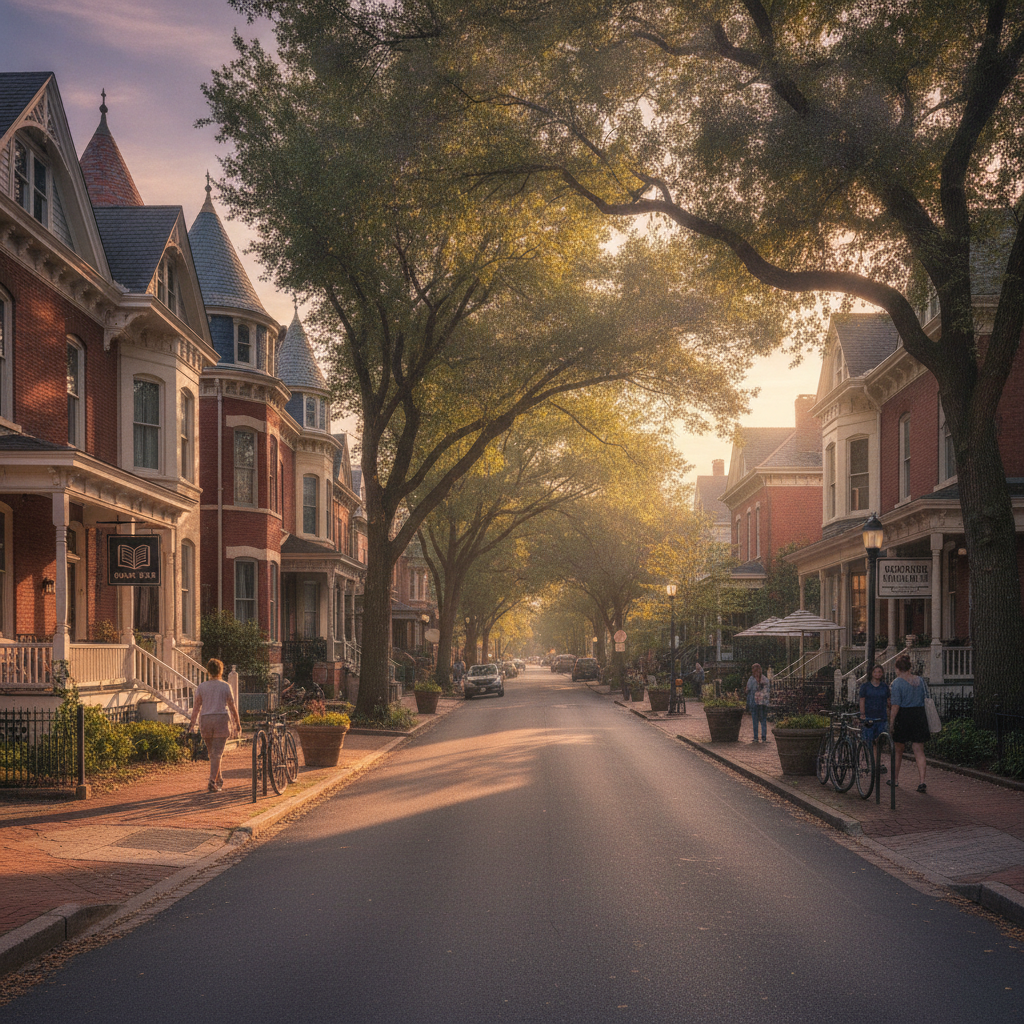
Memphis R3: Sanitation Strike (February 12 1968 65 days, Cole and Walker crushed in truck February 1, I Am a Man signs, King Mountaintop speech April 3 1968, Loeb capitulated April 16 after assassination), Rockabilly (Cash born 1932 died 2003, Jerry Lee Lewis died October 28 2022 last Sun Records survivor, Perkins Carl died 1998, Al Green pastor Full Gospel Tabernacle 1976 hot grits incident 1974), Soul food (Four Way Restaurant 1946 South Memphis MLK Civil Rights musicians, Gus Fried Chicken 1953 Napoleon Vanderbilt, Cozy Corner Raymond Robinson 1977), Neighborhoods (Midtown Cooper-Young Novel bookstore Cooper-Young Festival 110,000 September, Overton Park v Volpe 1971 Supreme Court landmark urban park protection, Orange Mound 1890 oldest Black-developed US neighborhood 45% poverty), Shelby Farms (1800 acres 3x Central Park 50km trails 30 bison, Greenline 10.65km rail-to-trail, Mississippi River Trail 3000km cycling headwaters Minnesota to Gulf), Architecture (Pink Palace Piggly Wiggly Saunders 1916 self-service grocery inventor went bankrupt 1923, Memphis Brooks Museum 9000 works 5000 years, Memphis Zoo panda Ya Ya repatriated April 2023, Autozone Park Triple-A Cardinals).
Memphis: Creative Districts, River Festivals and Living Music
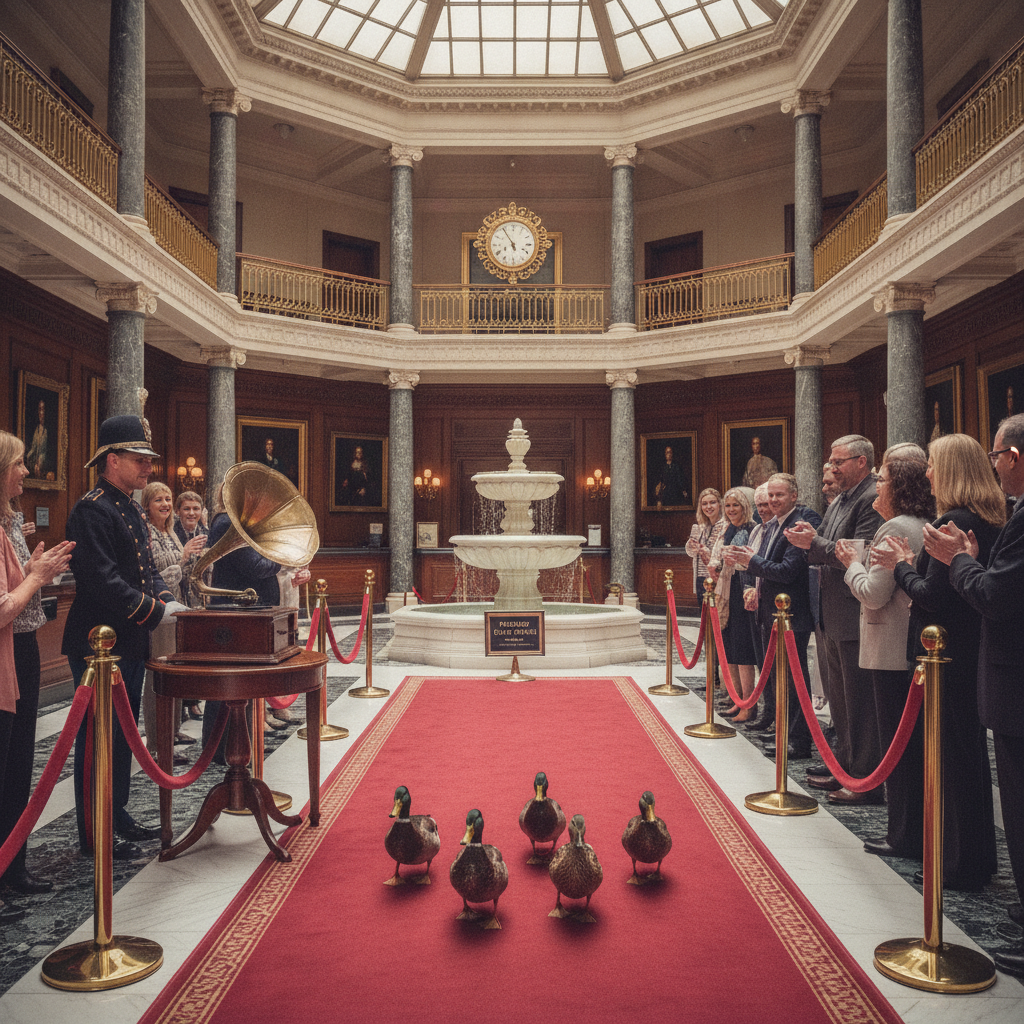
Memphis R4: Yellow fever epidemics (1873 1878 1879, 5000 dead 1878, population 40,000 to 14,000, municipal charter revoked 1879 operating as taxing district until 1893, Sisters St Mary Episcopal nursed dying, George Waring Memphis Sewer System 1880-1890 first modern US sanitary sewer), Cotton Exchange (84 Union Avenue, 2.2M bales/year 1920s-1930s, cotton compression 40% volume reduction, FedEx founded 1971 Frederick Smith MEM 4th busiest cargo world), Literature and film (Faulkner Oxford 100km south Memphis symbol of urban corruption in Sanctuary Sound and Fury, Guralnick Last Train to Memphis 1994 Careless Love 1999 finest rock biography, Hustle and Flow 2005 Craig Brewer Three 6 Mafia Oscar), African American history (Ida B Wells Memphis Free Speech 1889-1892 anti-lynching journalism exiled after mob destroyed office 1892 Pulitzer Prize 2020 posthumous, Robert Church Sr 1839 first Black millionaire South yellow fever real estate, Church Park 1899 first safe Black public gathering), Music economy (Beale Street USD 150M tourist economy cover bands, Soulsville Charter School 300 students South Memphis, Royal Studios 1320 Soul Avenue Willie Mitchell Al Green Hi Records, GloRilla born 2000 Memphis 2022 national attention, Julien Baker born 1995), Practical (MEM 4M passengers FedEx hub 4th cargo world, Peabody Hotel USD 300-450, April-May Memphis in May best season, 38C summer humidity).
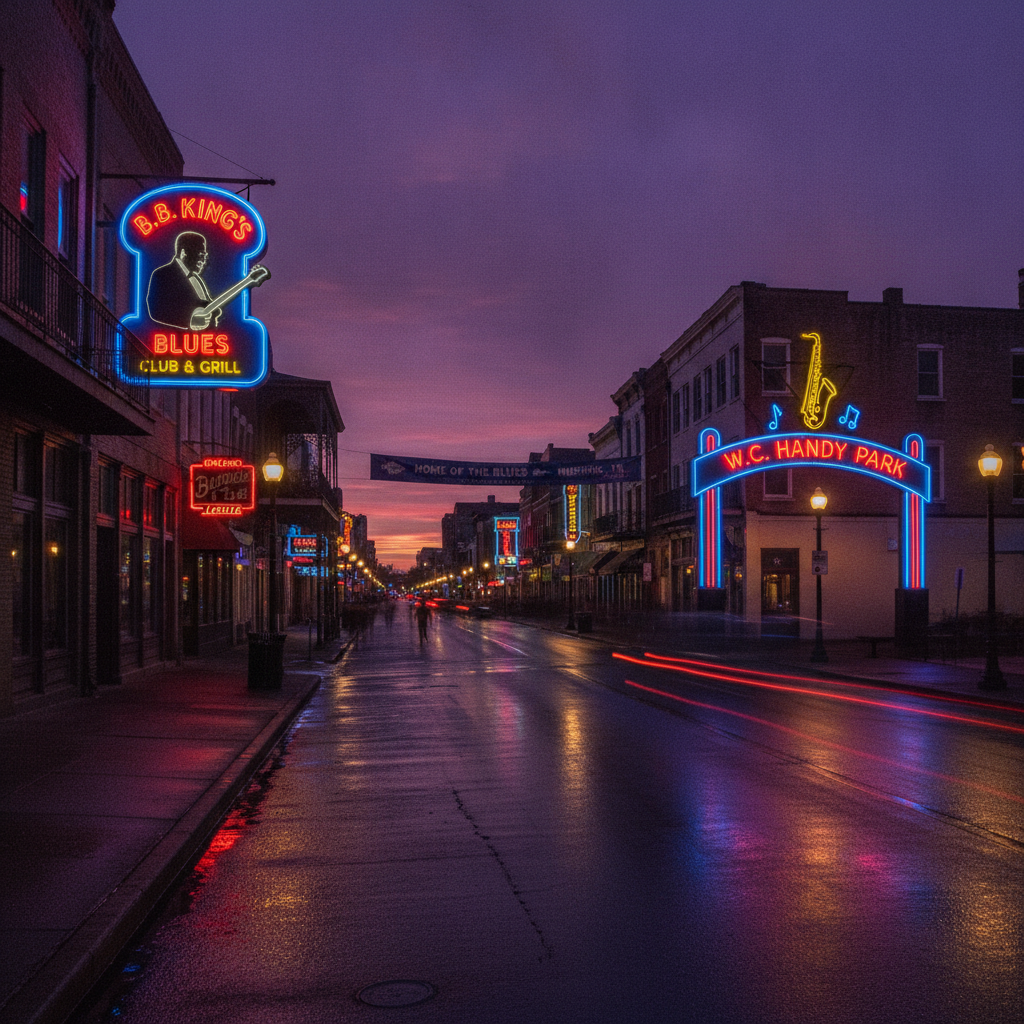
Memphis: Beale Street, Sun Studio, Stax Museum, National Civil Rights Museum, Graceland, and BBQ
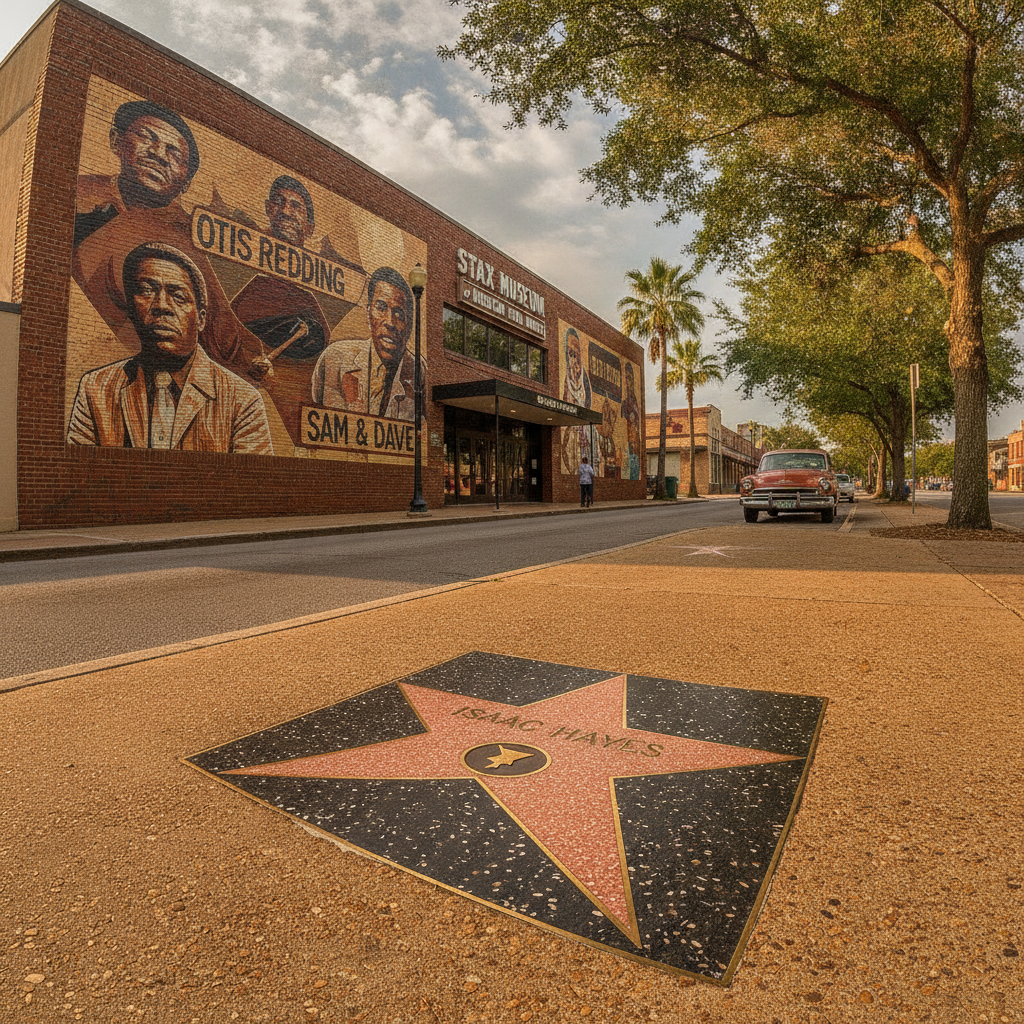
Memphis: Soul Music, Civil Rights and the Taste of the South