Medellin Practical Guide: Neighborhoods, Safety, Transport, and Colombia Travel Connections
Medellin is one of the most accessible cities in Latin America for international visitors, with a well-developed tourism infrastructure, improving but still context-requiring safety environment, good domestic and international flight connections, and a public transport system that makes basic navigation possible without a private vehicle. The neighborhood choice, primarily between El Poblado for international amenities and Laureles for a more local experience, significantly shapes the visitor experience. Colombia has improved dramatically as a travel destination since the peak conflict period and offers one of the most rewarding travel environments in South America, with Medellin serving as the natural starting point for a circuit that can extend to Cartagena on the Caribbean coast, Bogota the capital, the coffee region, and the Amazon.
- 1
El Poblado vs Laureles: Choosing Your Medellin Base
The choice between El Poblado and Laureles as a base for visiting Medellin involves a genuine tradeoff between international infrastructure and local authenticity. El Poblado has the highest concentration of hostels, boutique hotels, international restaurants, tour operators, ATMs, and English-speaking staff; it is the most convenient base for first-time visitors and for those prioritizing access to the international traveler community. The neighborhood is also the most expensive in Medellin, the most target-rich environment for petty crime, and the most removed from everyday Paisa urban life. Laureles, across the Medellin River to the west and roughly equidistant from the historic center by metro, offers a more residential and local environment with a strong independent restaurant and bar scene on the Avenida El Poblado, cheaper accommodation, and a neighborhood character more representative of how middle-class Paisas actually live. The Estadio metro station in Laureles connects the neighborhood to the metro network efficiently. Budget travelers often find the best hostel value in the El Centro or San Antonio areas near the historic center, which have the most authentic urban environment but require more awareness of surroundings. The teleférico and cable car lines are best accessed from stations in the northern and eastern sectors of the valley.
- 2
Medellin Safety: Understanding the Current Reality
Medellin's safety situation has improved dramatically from the cartel period peak but requires realistic assessment that goes beyond both the extreme negative reputation of the past and the sometimes uncritical transformation narrative of the present. The city's homicide rate declined from over 300 per 100,000 in 1991 to approximately 15 per 100,000 by the late 2010s, which represents an extraordinary improvement but still places Medellin well above the homicide rates of European and North American cities. The risks for international visitors are concentrated in specific areas and situations: nighttime walking in unfamiliar neighborhoods, flagging street taxis rather than using app-based services, accepting drinks from strangers, and displaying expensive equipment in crowded public spaces. The most commonly reported crimes against visitors are phone theft and express kidnappings using fraudulent taxis; both are preventable through standard urban precautions. El Poblado at night has a concentration of scopolamine-related crimes reported by visitors. The comunas visited on cable car and walking tours are now generally safe during daytime tourist hours but should not be explored independently at night or off established tourist routes. Checking current conditions through recent traveler reports on forums and with accommodation staff on arrival gives the most accurate picture.
- 3
Getting Around: Metro, Cable Car, and Taxis
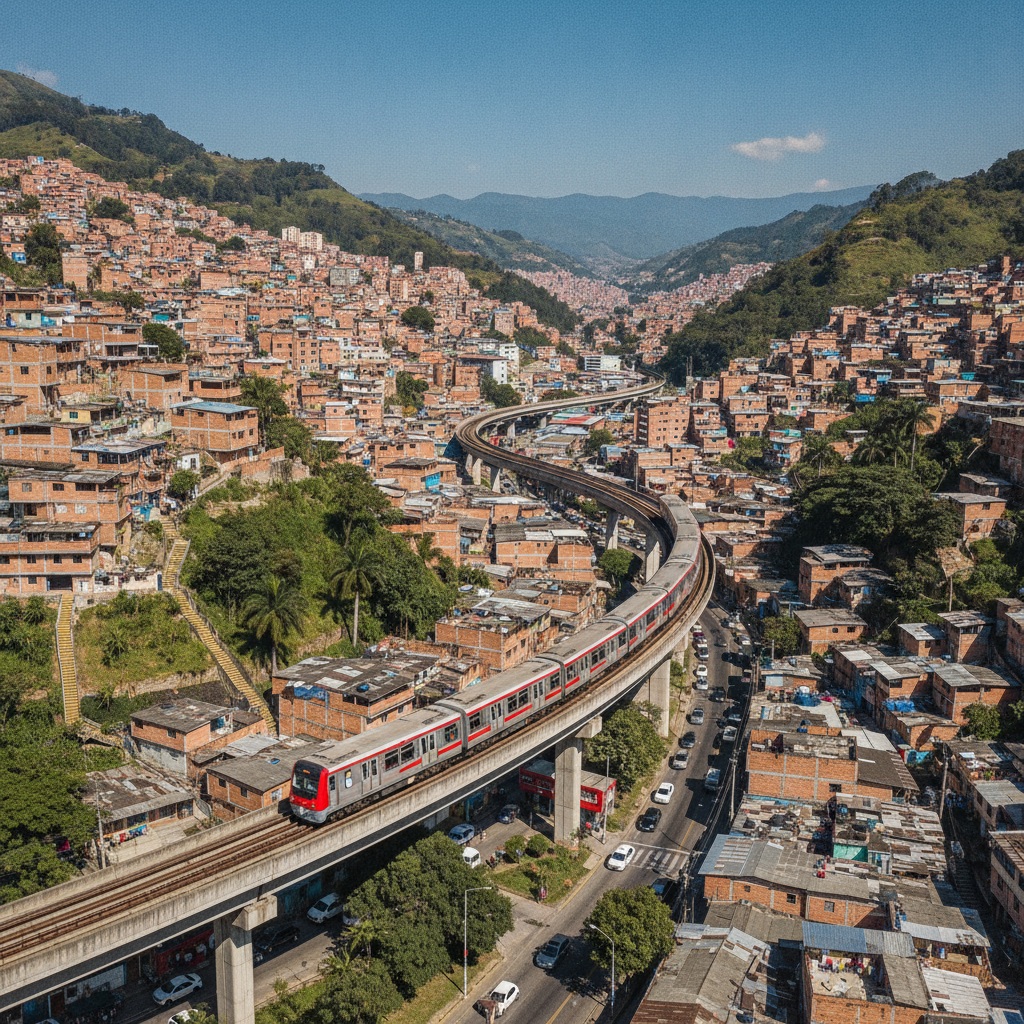
The Medellin Metro, consisting of Line A running north-south through the valley floor and Line B running east-west, is the most efficient surface transport in the city and connects to the Metrocable gondola lines that extend up the hillside comunas to the north and east. A single fare card called the Cívica card allows transfers between metro, cable car, and bus rapid transit within a time window, making multi-modal trips affordable. The cable cars, operated by Metro de Medellín, serve both practical transport needs for hillside residents and tourist interest in the communal and urban landscape; the Line K cable car to the northeast comunas passes over the Santo Domingo Savio neighborhood and is the most scenic urban transit ride in Colombia. Electric taxis are widely available and should be called through the Tappsi or InDriver apps rather than hailed on the street, particularly at night when the risk of fraudulent unlicensed taxis is higher. Ridesharing platforms are well established in Medellin and generally safe; the app automatically assigns a licensed vehicle and tracks the route. The city center is compact enough to walk for most daytime visits, and the historic area around Parque Berrío is well served by metro. Cycling infrastructure has expanded significantly in recent years and a municipal bike share system called EnCicla operates across multiple neighborhoods.
- 4
Colombia Circuit: Cartagena, Bogota, Coffee Region, and Amazon
Medellin is the natural starting or ending point for a Colombia circuit that combines the country's main tourism destinations within a single itinerary. The most common circuit combines Medellin with Cartagena on the Caribbean coast, Bogota the capital, and the coffee region towns of Salento and Jardín. Cartagena, the best-preserved colonial walled city in the Americas, is connected to Medellin by frequent domestic flights in approximately one hour; the coastal city also provides access to the Rosario Islands coral reef snorkeling and the Playa Blanca beach on Barro Colorado Island. Bogota, the capital at 2,600 meters in the eastern Andes, connects to Medellin by direct flight in 45 minutes and offers the Monserrate mountain viewpoint, the Gold Museum with the world's largest pre-Columbian gold collection, the La Candelaria historic center, and the Usaquén neighborhood antique market. The coffee region around Salento in Quindío connects to Medellin by a 4 to 5 hour bus journey or short flight to Armenia, with the Valle de Cocora and coffee farm tours as primary attractions. Travelers with more time can extend south to Cali and the Pacific coast beaches, east to the Llanos grasslands during dry season for jaguar and giant anteater wildlife viewing, or north to the Sierra Nevada de Santa Marta for Ciudad Perdida trekking.
- 5
Digital Nomad Medellin: Why Remote Workers Chose the City
Medellin became one of the most prominent digital nomad destinations in Latin America from approximately 2015 onward, drawing remote workers from North America and Europe who were attracted by the combination of reliable high-speed internet in El Poblado and Laureles, cost of living significantly lower than their home cities, the eternal spring climate requiring minimal clothing and no climate control expenses, the developed coffee shop and coworking infrastructure, and the transformation narrative that positioned Medellin as an exciting emerging city rather than a stable but conventional destination. The digital nomad community has reinforced itself: the existence of a substantial international remote worker community in El Poblado has created networks, events, and social infrastructure that further attracts new arrivals. The Selina and Outsite coworking-coliving brands operate in El Poblado; dozens of independent coworking spaces range from coffee-shop-adjacent to dedicated office environments. The practical requirements of the digital nomad life in Medellin, including visa regulations that limit stays to 90 days on a tourist visa with possible extension, reliable bank account and money transfer access, and medical insurance arrangements, are well documented in the online nomad community. Colombia introduced a digital nomad visa in 2022 that allows stays of up to two years for remote workers meeting income requirements.
- 6
Medellin Flights and International Connections
The Jose Maria Cordova International Airport, located in Rionegro approximately 45 kilometers east of Medellin at a lower altitude of 2,095 meters, is the main international gateway for the city, connected to Medellin by a toll road that takes 45 to 75 minutes depending on traffic. The airport handles direct international flights to Miami, New York, Madrid, Bogota, Panama City, Lima, and various other Latin American destinations. American Airlines, Avianca, Copa, and LATAM are the primary carriers with international routes. The older Olaya Herrera airport within the city at 1,495 meters handles domestic routes only and is used by regional carriers; proximity to El Poblado makes it more convenient for domestic arrivals but the international terminal at Rionegro handles the majority of traffic. The taxi from the international airport to El Poblado costs approximately 80,000 to 100,000 Colombian pesos fixed rate from the official taxi desk; shared transfer vans are cheaper. The road between the airport and the city passes through the Tunel de Oriente, a major toll tunnel that has reduced the journey time from the historical route over the mountain. Ground transport between Medellin and other Colombian cities by bus serves destinations including Bogota at approximately 8 hours, Manizales at 3 hours, and Cartagena at approximately 12 hours on the Caribbean coast road.
Walk this route with audio
Stories play automatically as you reach each stop — no tapping needed.
More in Medellin
Medellin History: From Colonial Foundation to Industrial Capital and Cartel Violence
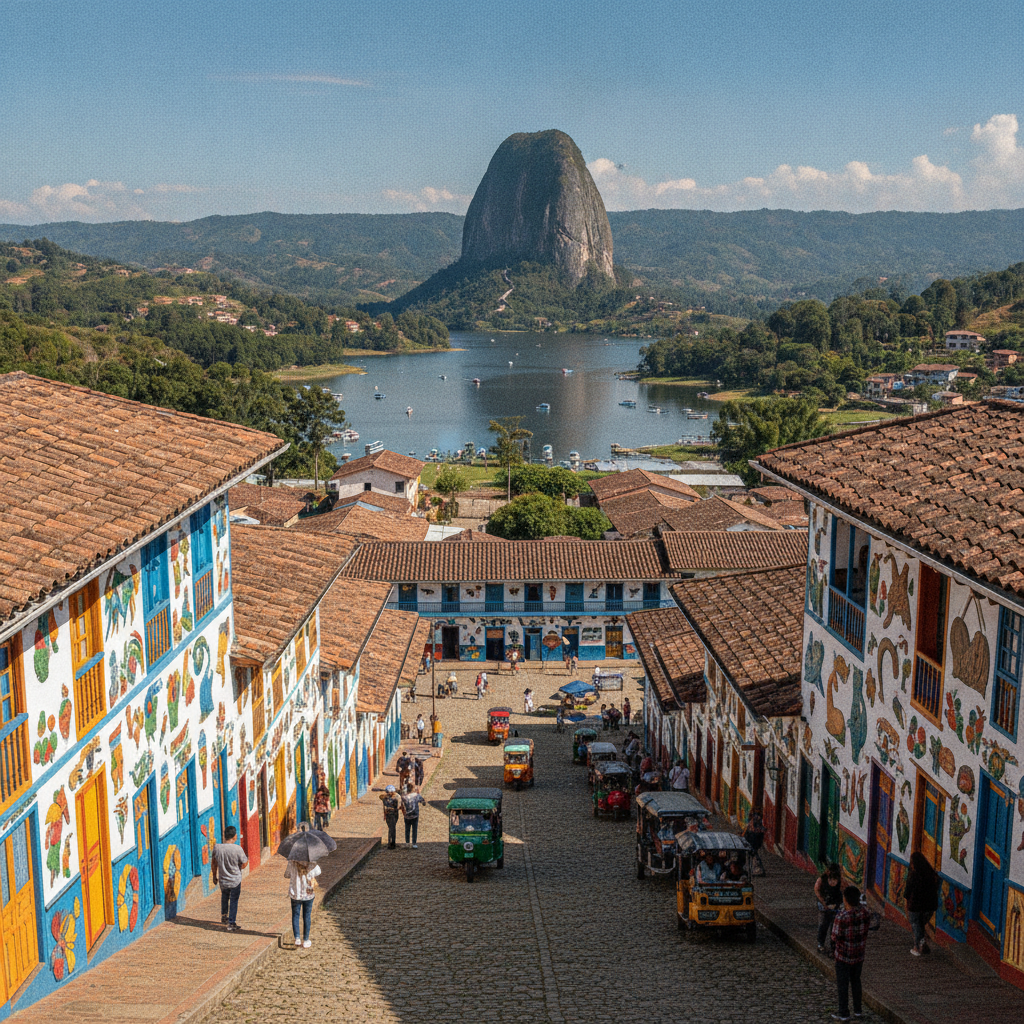
Medellin Day Trips: Guatape, Coffee Region, Jerico, and the Antioqueño Countryside
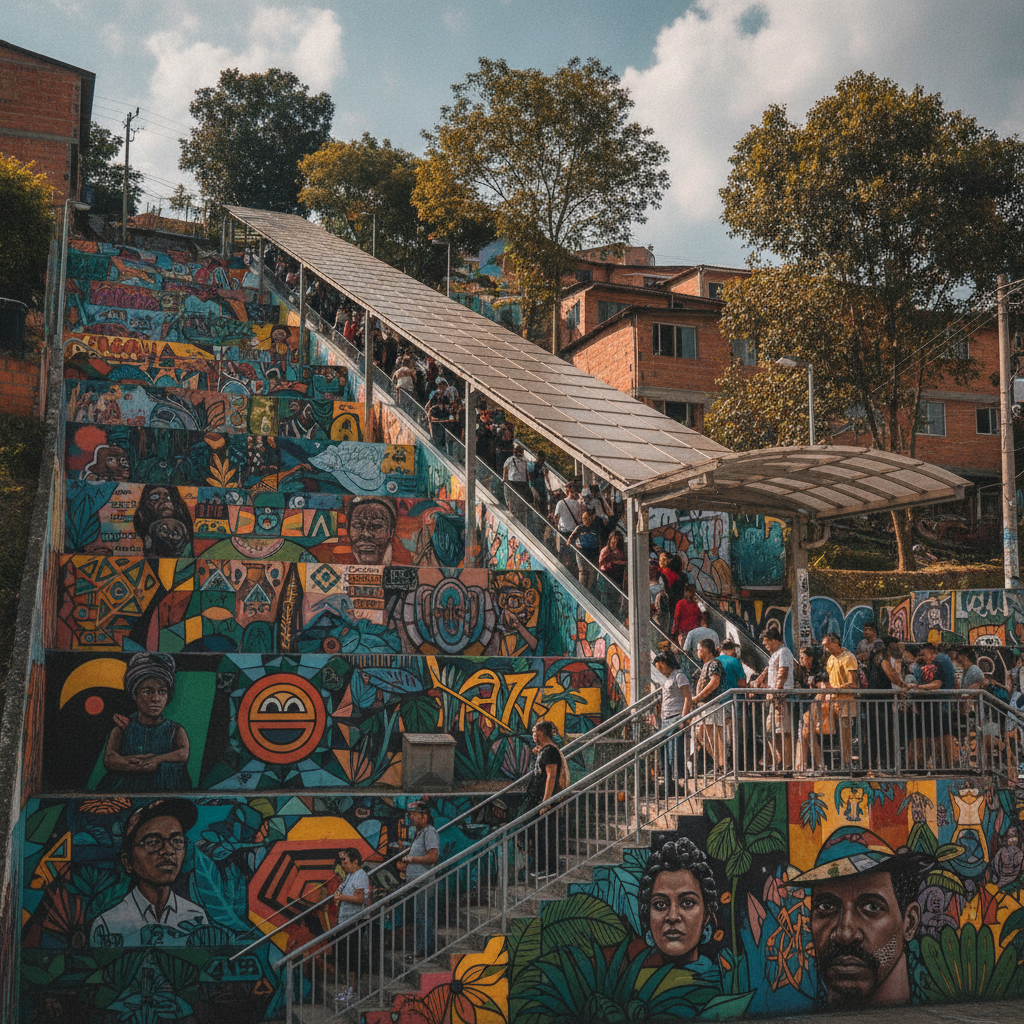
Medellin Urban Transformation: Architecture, Innovation, and the World Design Capital

Medellin Birdwatching: Colombia as the Most Bird-Rich Country and the Antioquia Avifauna
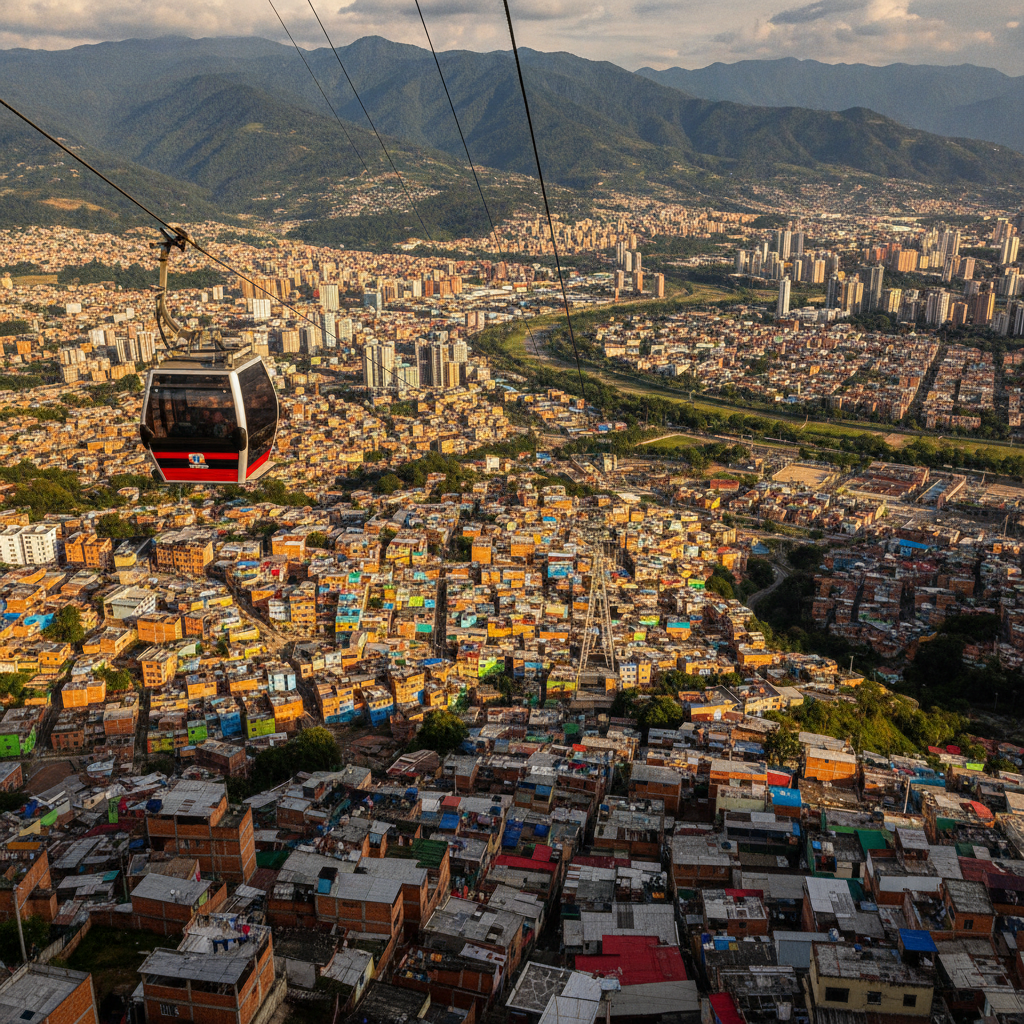
Medellin: The City of Eternal Spring, Urban Transformation, and the Flower Festival