Medellin Birdwatching: Colombia as the Most Bird-Rich Country and the Antioquia Avifauna
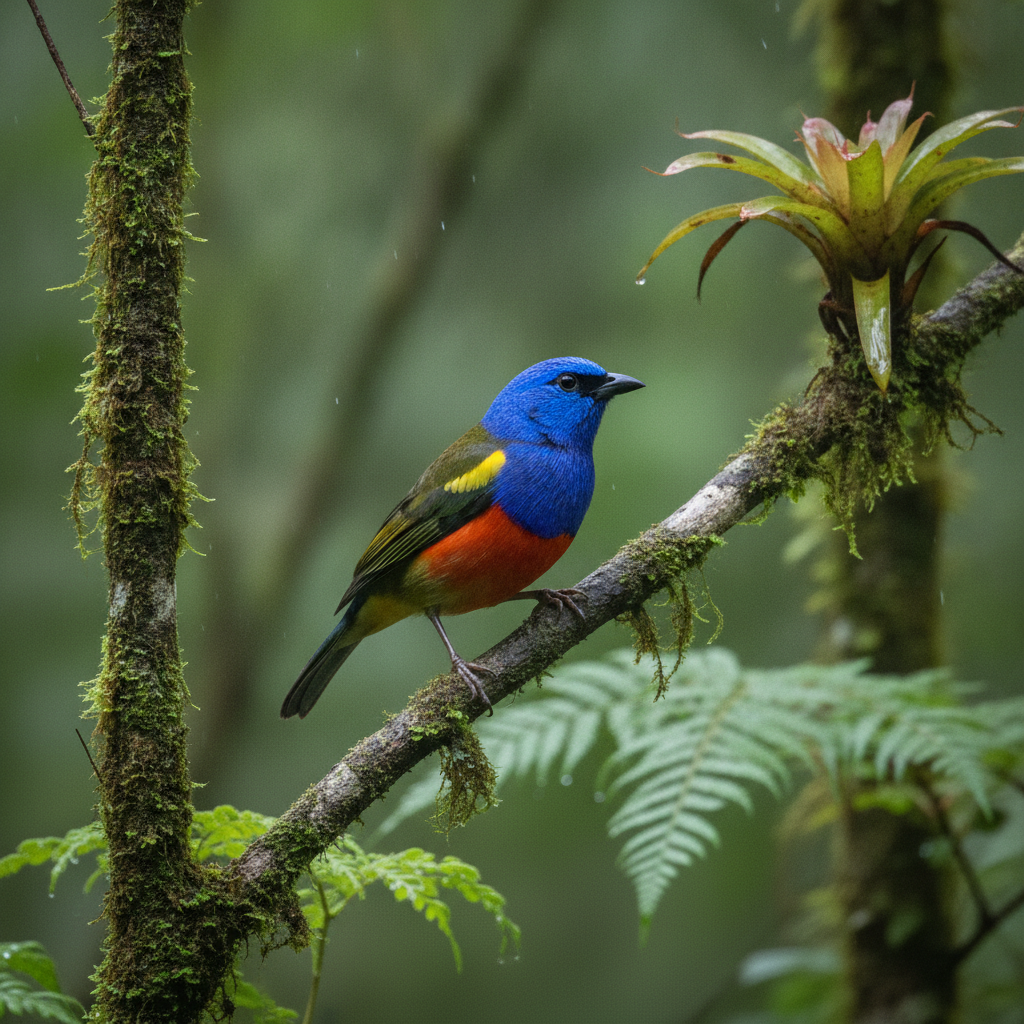
Colombia has more bird species than any other country in the world, with over 1,900 recorded species representing approximately 20 percent of all bird species on Earth. The Antioquia department surrounding Medellin, with its range of elevations from Andean cloud forest to Pacific lowland rainforest to Magdalena Valley dry forest, contains an exceptional concentration of this diversity within reach of the city. The Pro Aves Colombia organization and several private birding lodges in the surrounding mountains have developed world-class birding infrastructure accessible from Medellin. The Cerro El Volador urban hill within the city itself is a starting point for birding in the urban environment, and the Jardín Botánico records dozens of species in its 14 hectares.
- 1
Colombia: The Most Bird-Rich Country on Earth
Colombia's extraordinary avian diversity results from several geographic and geological factors converging in a single country. The three cordilleras of the Colombian Andes, running north-south and separated by the Cauca and Magdalena river valleys, create multiple distinct ecological zones with isolated populations that have evolved into separate species over millions of years. The Pacific coast lowlands receive among the highest rainfall in the world, producing one of the most productive and species-rich rainforest ecosystems on Earth. The Caribbean lowlands, the Llanos grasslands, the Amazon basin, and the Sierra Nevada de Santa Marta, the world's highest coastal mountain range, each add further distinct faunas. The result is that a birder visiting Colombia can record more species in a single trip than in any comparable destination: 600 species in a week is achievable by dedicated birders visiting multiple habitats. The country has responded to this asset by developing a serious birding tourism infrastructure, with Colombia Bird Fair held annually in Manizales, multiple Pro Aves birding lodges in key habitats, and a national campaign promoting Colombia as the world's premier birding destination.
- 2
Endemic Birds of the Western Andes: The Medellin Region Specials
The western Andes of Colombia, which includes the mountains visible west of Medellin and the foothills descending toward the Pacific, harbor a concentration of bird species found nowhere else in the world that rivals the most biodiverse endemic zones on Earth. The colorful tanagers of the genus Chlorochrysa, including the multicolored tanager with its five distinct color patches, are found in cloud forest on the western Andes slopes within a few hours drive of Medellin. The gold-ringed tanager, purple-bibbed whitetip hummingbird, and Baudó guan are among the western Andes endemics that attract birders specifically to this region. The ProAves El Paujil reserve in the Magdalena Valley, protecting critically endangered blue-billed curassow habitat, is accessible from Medellin as a day trip for dedicated birders. The Reserva Natural El Romeral, a private reserve on the slopes above Medellin, is managed specifically for bird conservation and visitor access, with resident guides and infrastructure that makes it the most accessible quality birding site near the city. The combination of western Andes and western slopes endemics with the broader Antioquia bird list gives the Medellin region one of the best species tallies per trip-day of any location in Colombia.
- 3
Cloud Forest Birding: The Slopes Above Medellin
The cloud forest on the slopes above the Aburra Valley at elevations from 1,800 to 3,000 meters contains a bird community representing the Central Andes zone that differs significantly from both the valley floor and the higher paramo above. Hummingbirds are the most speciose group in the cloud forest, with multiple species occupying different elevational niches and flower types simultaneously; the speckled hummingbird, the long-tailed sylph with its extraordinary tail, and the purple-throated woodstar are among the expected species on the middle slopes. The antpittas, ground-dwelling birds with large eyes and short tails, are among the most sought-after cloud forest species; they are typically difficult to see as they remain low in dense vegetation, but Antioquia cloud forest sites have been pioneers in the technique of habituating antpittas to worm feeding stations, allowing close-up views of species that would otherwise require hours of patient watching. The tanager flocks that move through cloud forest in mixed feeding groups can include 10 to 15 species simultaneously and represent some of the most spectacular birding experiences in the world; the cloud forest above Medellin at the Romeral reserve and on the road to Santa Elena is productive for these flock encounters.
- 4
Hummingbirds of the Andes: Over 160 Species in Colombia
Colombia hosts more than 160 hummingbird species, making it the country with the highest hummingbird diversity in the world, and the Antioquia region around Medellin is accessible to a large fraction of these through the range of elevations and habitats reachable from the city. The sword-billed hummingbird, the only bird species whose bill is longer than its body, is found in the high-altitude scrub above the cloud forest and is among the most extreme adaptations in the bird world, evolved specifically to access the long tubular flowers of certain Andean plants. The giant hummingbird, the largest hummingbird in the world at nearly 25 centimeters, inhabits open Andean valleys and is conspicuous when present at flowering trees. The Empress Brilliant, a large emerald hummingbird, and the green-crowned woodnymph are among the more spectacular cloud forest species. Hummingbird feeders at birding lodges and the Jardín Botánico attract multiple species simultaneously and provide the clearest views for photography; several lodges maintain feeders year-round specifically to provide this experience. The high energy demands of hummingbird flight, requiring up to ten wing beats per second sustained over long periods, means that hummingbirds must feed constantly and therefore visit flowers and feeders with predictable frequency.
- 5
Chestnut-Capped Piha and the Chorus of the Colombian Rainforest
The soundscape of the Colombian tropical forest, encountered on the slopes and lowlands around Medellin, is among the most complex acoustic environments in the natural world, with dozens of bird species singing simultaneously at dawn. The chestnut-capped piha, an uncommon specialty of the western Andes cloud forest, has one of the most distinctive voices of any Andean bird; the three-note whistle is learned by birders before visiting the region as a diagnostic sound of the habitat. The Andean cock-of-the-rock, the brilliant orange and grey cotinga that performs lekking displays at traditional display sites in cloud forest, is found in Antioquia cloud forest and is among the most photogenic birds in the Americas. The toucan barbets, large and colorful birds related to woodpeckers, fill the canopy of middle-elevation forest with their loud calls. The dawn chorus at a cloud forest birding lodge above Medellin, beginning around 5 AM, is an overwhelming acoustic experience for visitors from temperate regions accustomed to quieter forest soundscapes. Several birding tour operations based in Medellin offer early morning and full-day birding programs to the cloud forest sites above the city.
- 6
Birding Infrastructure: Pro Aves Reserves and Medellin as a Base
The Pro Aves Colombia foundation, established in 1998 and now operating one of the most extensive networks of private bird conservation reserves in Latin America, has several reserves accessible from Medellin that protect key habitats for threatened and endemic bird species while providing visitor infrastructure for birding tourism. The Reserva El Paujil in the Magdalena Valley protects critically endangered blue-billed curassow habitat; the Reserva Arrierito Antioqueno near the town of Dabeiba in western Antioquia protects habitat for the endangered Antioqueño wren, an endemic species found in a tiny range in northwestern Colombia. Multiple private birding lodges on the slopes around the Aburra Valley and in the western Andes foothills offer accommodation specifically for birders, with resident guide services and feeder setups designed to maximize species encounters in minimum time. Medellin as a base for birding has the advantage of a well-developed tourism infrastructure, regular international flights, and good road access to multiple habitat types within a half-day drive; a two-week birding trip based partly in Medellin and partly in other Colombian regions can realistically record 600 to 700 species. The Colombia Bird Fair, held annually in Manizales in the coffee region, is a key networking and information event for the Colombia birding tourism sector and brings international birding tour operators to the region.
Walk this route with audio
Stories play automatically as you reach each stop — no tapping needed.
More in Medellin
Medellin History: From Colonial Foundation to Industrial Capital and Cartel Violence

Medellin Day Trips: Guatape, Coffee Region, Jerico, and the Antioqueño Countryside

Medellin Practical Guide: Neighborhoods, Safety, Transport, and Colombia Travel Connections

Medellin Urban Transformation: Architecture, Innovation, and the World Design Capital

Medellin: The City of Eternal Spring, Urban Transformation, and the Flower Festival