Mdina History and Culture: The Great Siege of 1565, the World War II George Cross, the Semitic European Maltese Language, Marsaxlokk Fishing Village, the Hypogeum Prehistoric Sanctuary, and Malta Wreck Diving
The Malta historical depth encompasses the 1565 Great Siege against the Ottoman fleet, the World War II collective George Cross for civilian gallantry, the unique Semitic-European Maltese language, the Marsaxlokk Sunday fish market and luzzu boats, the 5,600-year-old Hypogeum underground sanctuary, and the wreck diving circuit of the central Mediterranean.
- 1
The Great Siege of 1565: Europe's Most Dramatic Defense
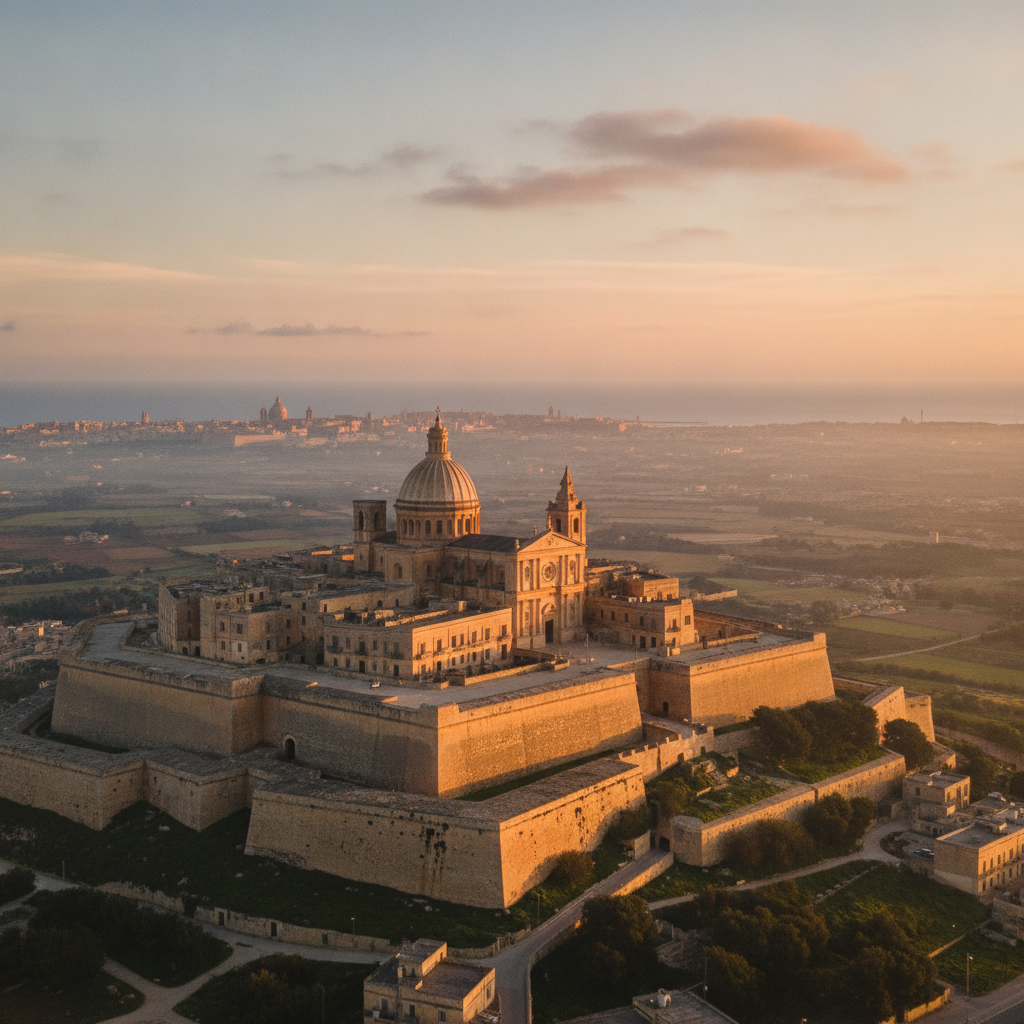
The Great Siege of Malta in 1565, in which the Ottoman fleet of 193 vessels and approximately 40,000 soldiers besieged the 600 Knights and 8,000 Maltese for 4 months before withdrawing in the first significant Ottoman defeat in the Mediterranean, is the most consequential military event in the history of the island and one of the most studied episodes of 16th century European history. The fortifications that the Knights built immediately after the siege, including the city of Valletta and the bastions that still define the Malta skyline, are the most complete surviving example of 16th century military architecture in Europe.
- 2
World War II Malta: The George Cross Island
Malta's experience in World War II, when the island was subjected to the most sustained aerial bombardment in any Allied territory between 1940 and 1942, with more than 3,000 air raids dropping approximately 16,000 tons of bombs in the most concentrated bombing campaign of the war, resulted in the collective award of the George Cross by King George VI to the entire island of Malta in recognition of the civilian gallantry, the first and only such collective award in the history of the decoration. The War Museum in Valletta preserves the George Cross and the records of the siege.
- 3
The Maltese Language: The Semitic European Tongue
Maltese, the official language of Malta alongside English and the official language of the European Union, is the only Semitic language written in the Latin alphabet and the only Semitic language that is the official language of an EU member state. The language, descended from the Siculo-Arabic dialect spoken by the Arab rulers of Malta from 870 to 1091, has absorbed the Sicilian, Italian, French, and English vocabulary that reflects the subsequent ruling culture layers without losing its fundamental Semitic grammatical structure.
- 4
Marsaxlokk: The Fishing Village
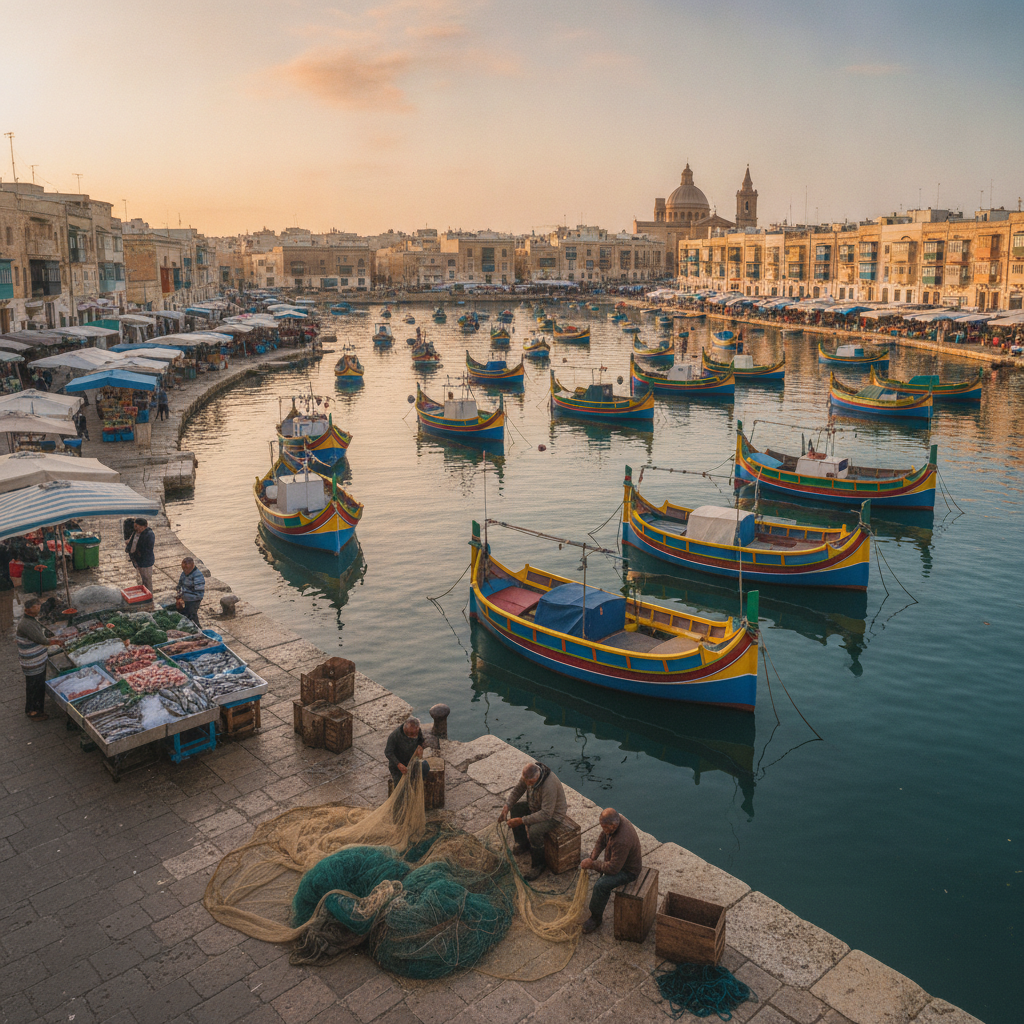
Marsaxlokk, the fishing village on the southeast Malta coast with the traditional luzzu fishing boats painted in the Phoenician eye that is the most recognizable visual symbol of Maltese maritime culture, hosts the most authentic fish market in Malta every Sunday morning when the catch of the overnight fishing boats is sold at the quayside stalls. The Marsaxlokk waterfront restaurants, serving the fresh fish grilled over the charcoal or prepared in the Maltese oven, provide the most authentic seafood dining experience available in Malta.
- 5
The Hypogeum of Hal Saflieni: The Underground Temple
The Hypogeum of Hal Saflieni in Paola, the underground prehistoric sanctuary cut from the Malta limestone in three levels descending 11 meters below the surface and dating from 3600 BC, is the most remarkable prehistoric underground structure in the world and a UNESCO World Heritage Site. The Hypogeum, discovered in 1902 during construction and containing the bones of more than 7,000 people, limits visits to 80 people per day in 10-person groups to preserve the delicate microclimate of the underground chambers.
- 6
Malta Diving: The Mediterranean Wrecks
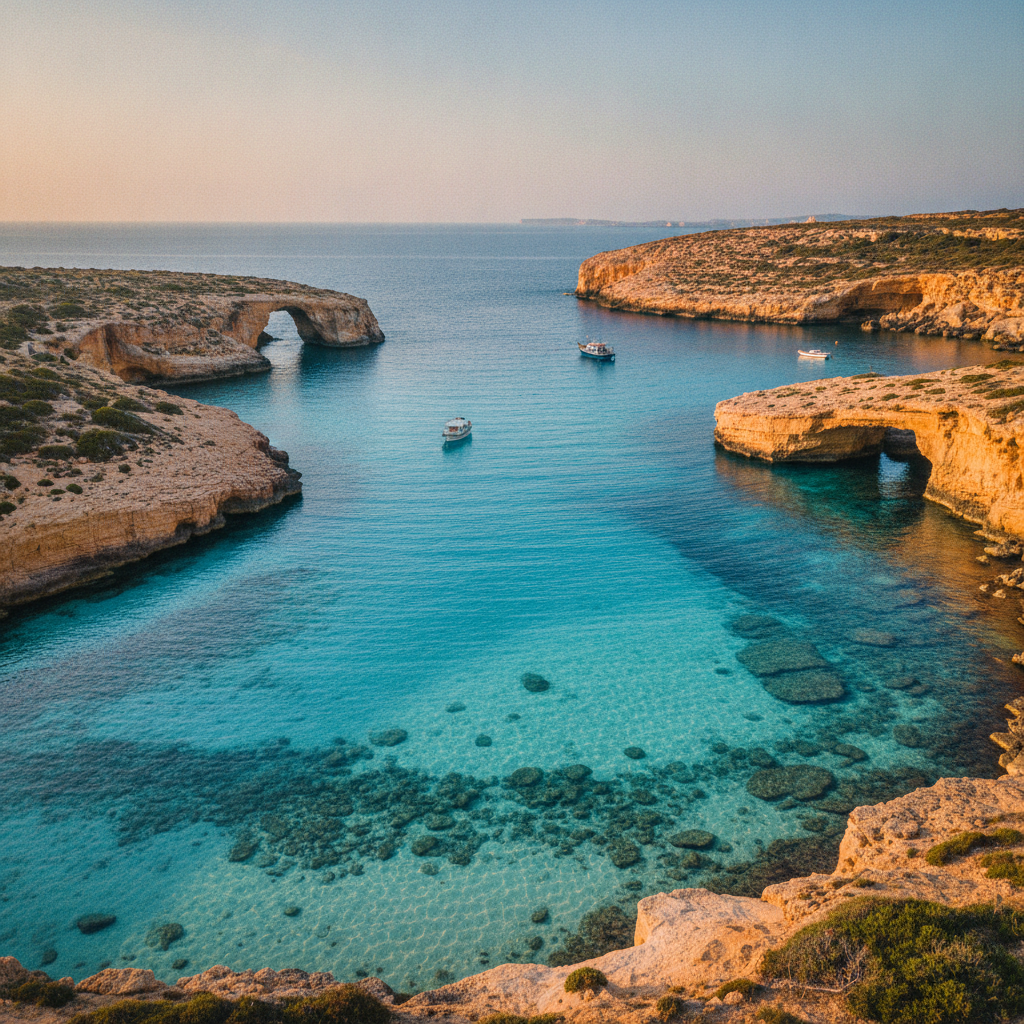
Malta is one of the finest wreck diving destinations in the Mediterranean, with the Um el Faroud, the 10,000-ton Libyan tanker sunk deliberately in 1998 at 25 meters depth, the Bristol Beaufighter aircraft in 36 meters, and the HMS Maori destroyer from World War II as the most historically significant wrecks in Valletta Harbour creating the most complete wreck diving circuit in the central Mediterranean. The Malta cave diving at the Azure Window site on Gozo provides the additional geological interest of the collapsed sea arch.
Walk this route with audio
Stories play automatically as you reach each stop — no tapping needed.
More in Mdina
Mdina: The Silent City, St. Paul's Baroque Cathedral, the Civilizations Crossroads, Rabat Catacombs, the Knights of St. John, and Valletta UNESCO Baroque Capital
Malta Islands Complete: Gozo Ggantija Oldest Buildings, the Inquisitor's Palace, Wignacourt Aqueduct Engineering, Peregrine Falcon Migration, Comino Wild Island, and the February Valletta Carnival
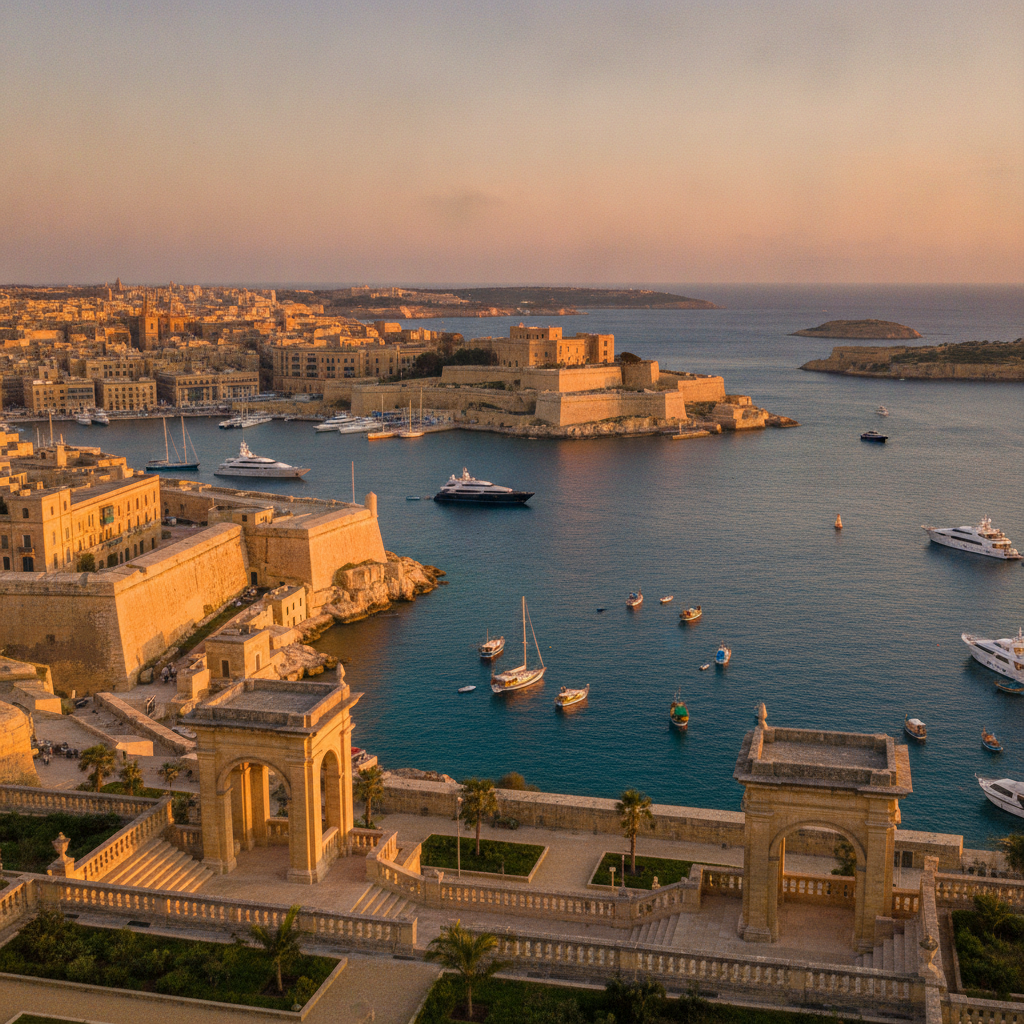
Malta Complete Guide: St. Julian's Resort, Marsaskala Quiet Southeast, the Complete History Circuit, Knights Hospital Humanitarian Law Origin, Xara Palace Hotel, and the Mediterranean History Superlative Summary
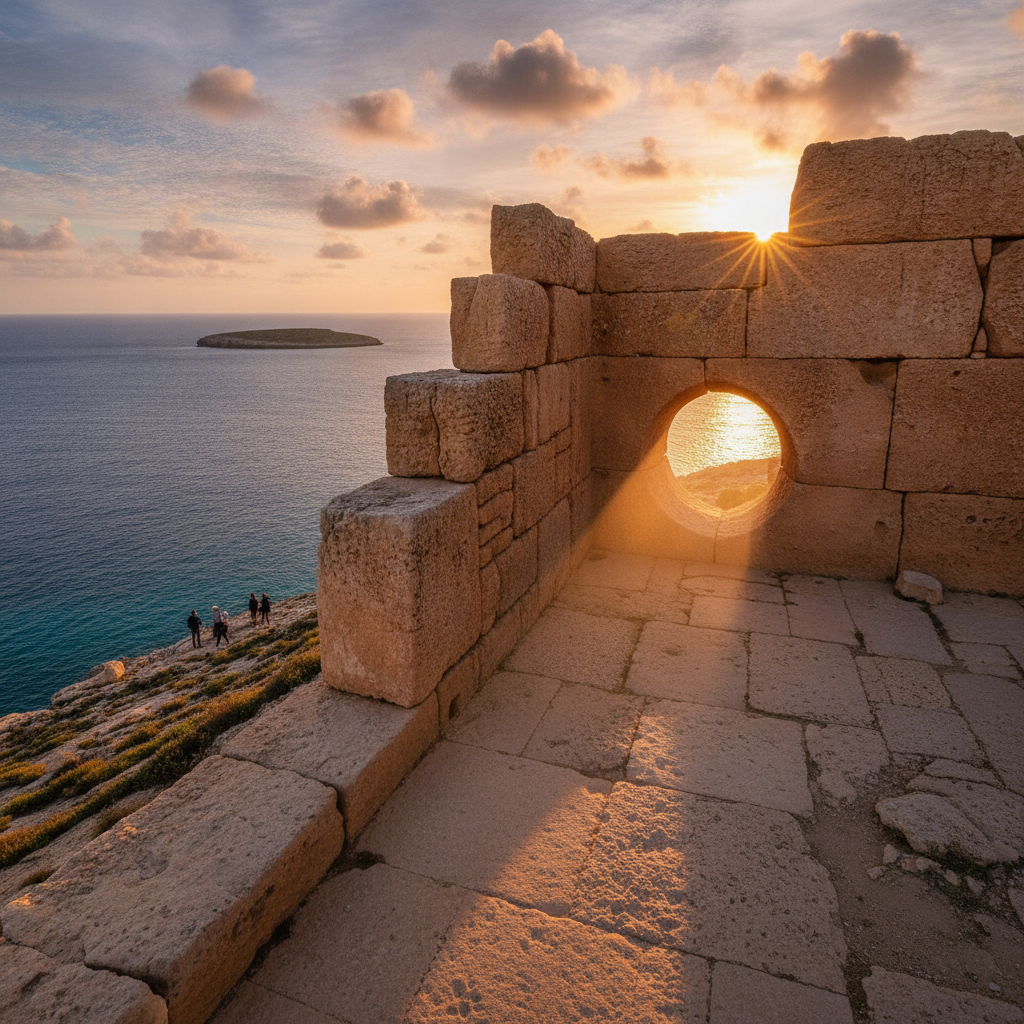
Mdina Heritage and Departure: Hagar Qim Solstice Alignment, the Order of Malta Sovereign Entity Today, Dingli Cliffs Sunset Walk, Malta LGBTQ Progressive Paradox, EU Membership Transformation, and the Mdina Timeless Farewell
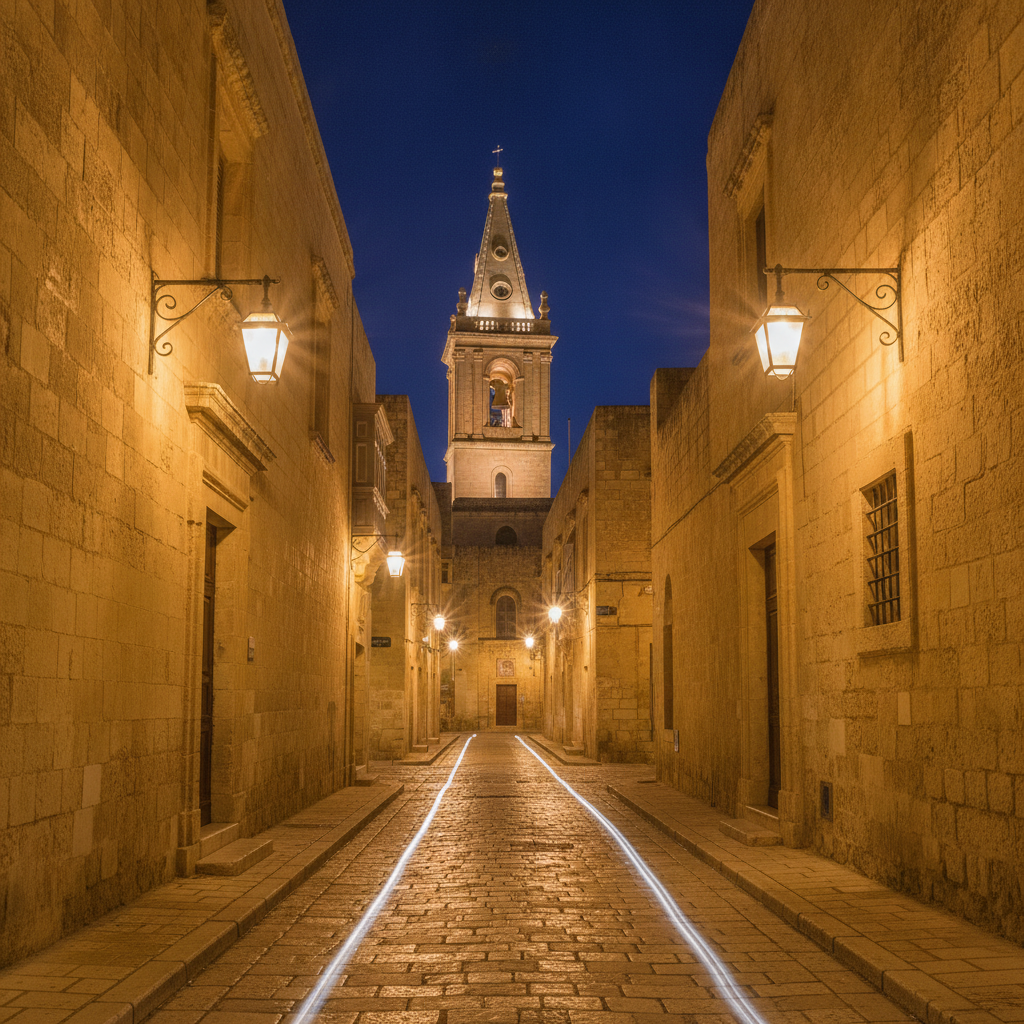
Mdina Night and Film: Silent City After Dark, Palazzo Falson Medieval Museum, Malta as Mediterranean Hollywood, Tarxien Neolithic Sculpture, the Apostolic St. Paul's Bay, and Year-Round Climate Guide