Mdina Night and Film: Silent City After Dark, Palazzo Falson Medieval Museum, Malta as Mediterranean Hollywood, Tarxien Neolithic Sculpture, the Apostolic St. Paul's Bay, and Year-Round Climate Guide
The Mdina night and film circuit covers the Game of Thrones filming location at Mdina at night, the Palazzo Falson 13th century Norman house museum, the Malta International Film Commission production hub, the Tarxien spiral carvings Neolithic art, the St. Paul's apostolic shipwreck site, and the practical year-round Mediterranean climate guide.
- 1
Mdina by Night: The Silent City After Dark
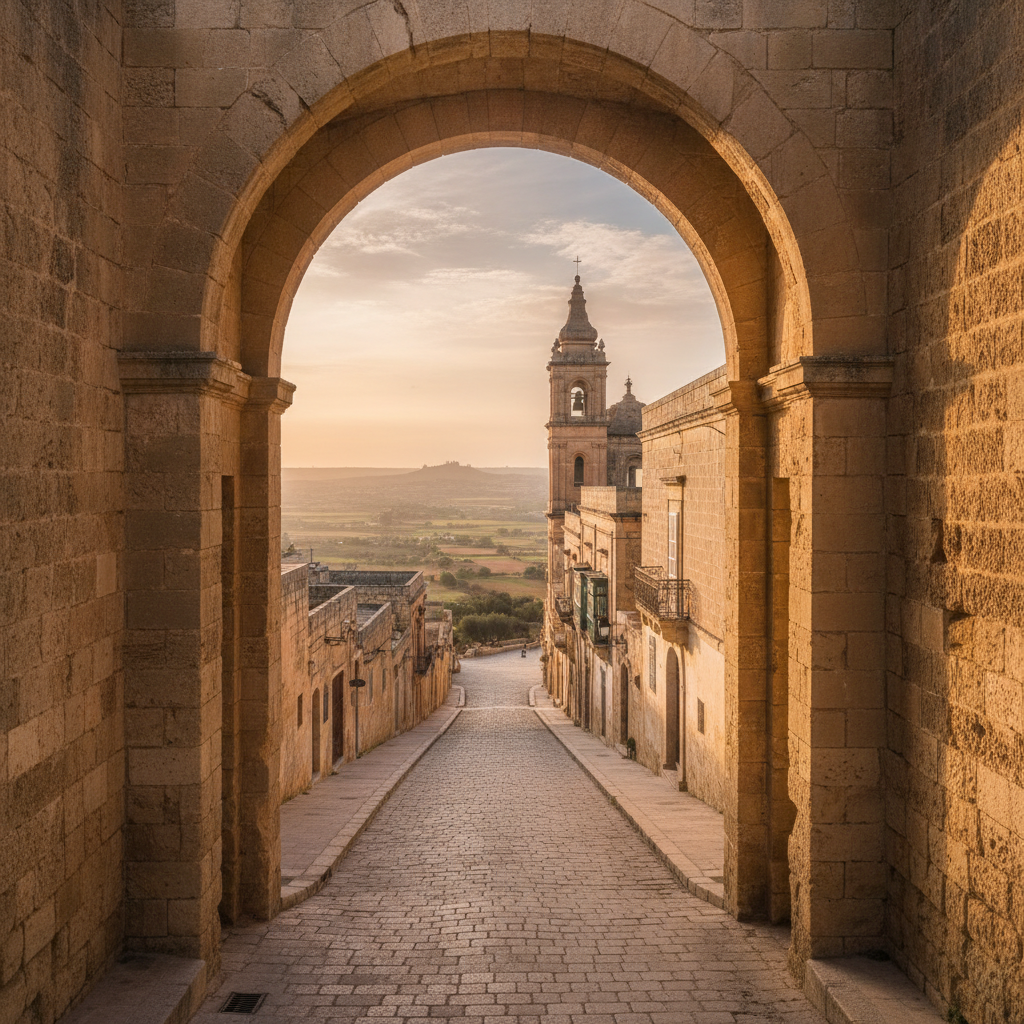
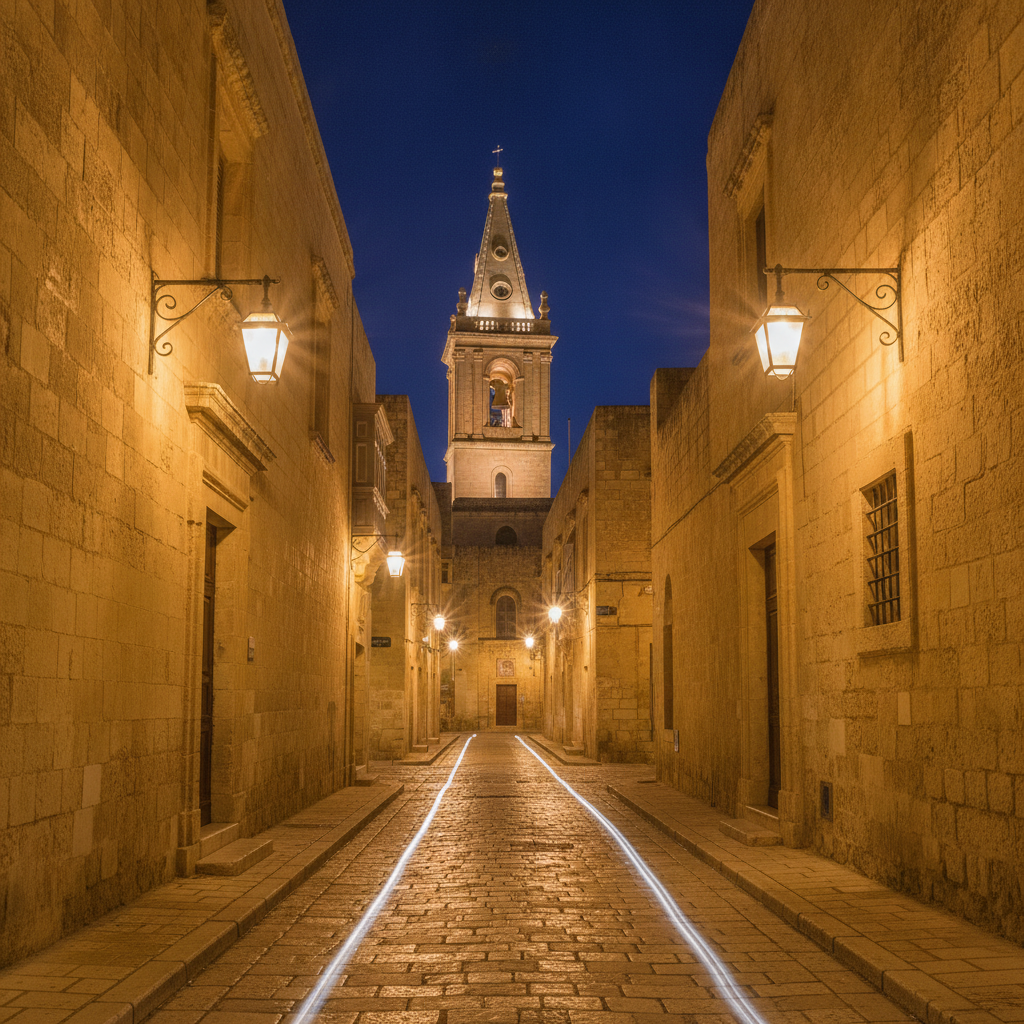
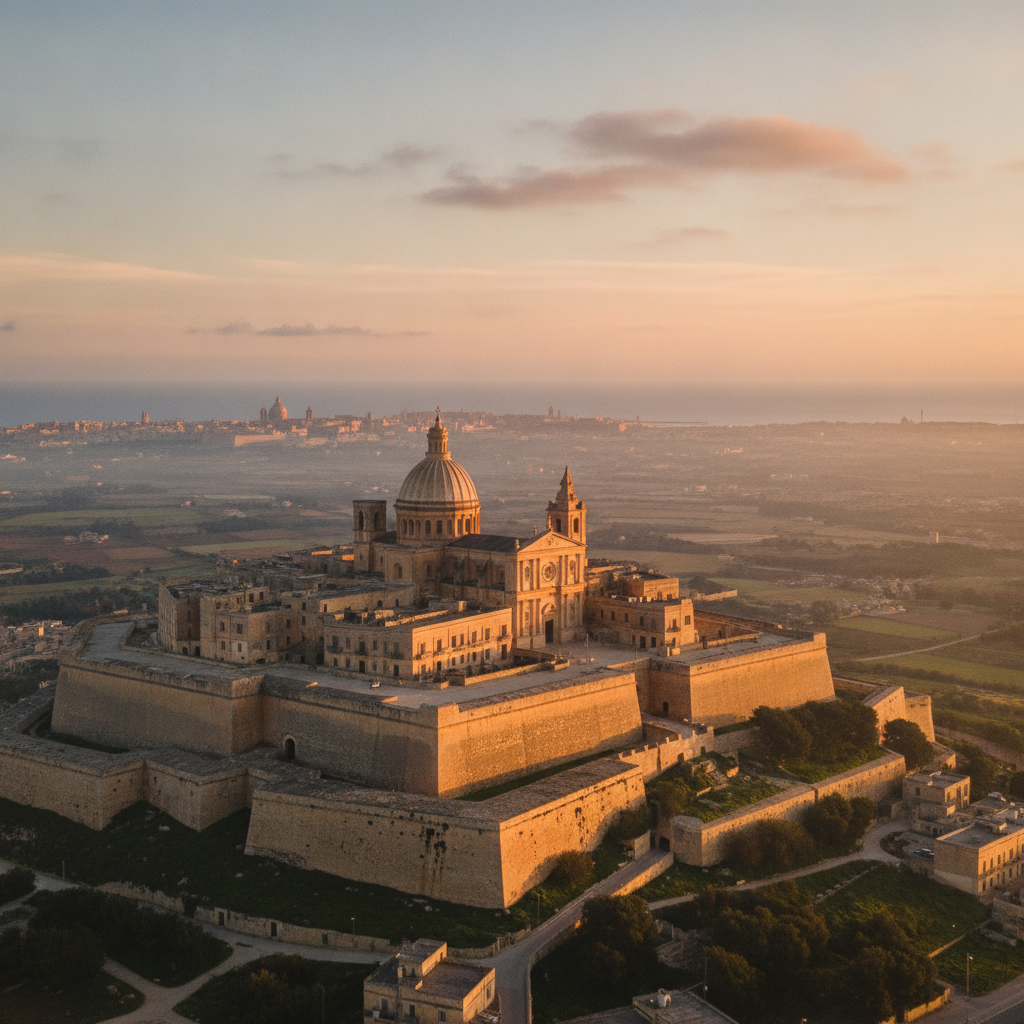
Mdina at night, when the lanterns illuminate the honey-colored limestone facades of the palaces and the cathedral and the lanes are empty of all but the residents and the overnight guests of the Mdina boutique hotels, is the most magical urban experience in Malta and the reason that Mdina has been used as a filming location for the Game of Thrones King's Landing scenes and the Roman sequences of Gladiator. The Fontanella Tea Gardens on the Mdina bastion provide the sunset view over the Malta plain that is the finest panoramic viewpoint on the island.
- 2
The Palazzo Falson: The Medieval Norman House
Palazzo Falson in Mdina, the oldest surviving domestic building in Malta dating from the 13th century and preserved as a museum of the collection of Captain Olof Frederick Gollcher, is the most complete example of the Siculo-Norman domestic architecture in the Mediterranean, with the original carved stone ceilings, the vaulted ground floor stables, and the collection of silver, arms, maps, and paintings that creates the finest historic house museum in Malta. The rooftop terrace of the Palazzo Falson provides the finest view of the Mdina roofscape.
- 3
Malta Film: The Mediterranean Hollywood
Malta has established itself as one of the most important international film locations in the Mediterranean, with the combination of the baroque Valletta architecture, the harbor and fortress landscape, the desert-like southern Malta countryside, and the underwater visibility that has attracted more than 100 international productions including Gladiator, Troy, Count of Monte Cristo, Game of Thrones, and multiple Bond films. The Malta Film Commission estimates that 40 international productions per year use the Malta locations.
- 4
Tarxien Temples: The Neolithic Sculpture
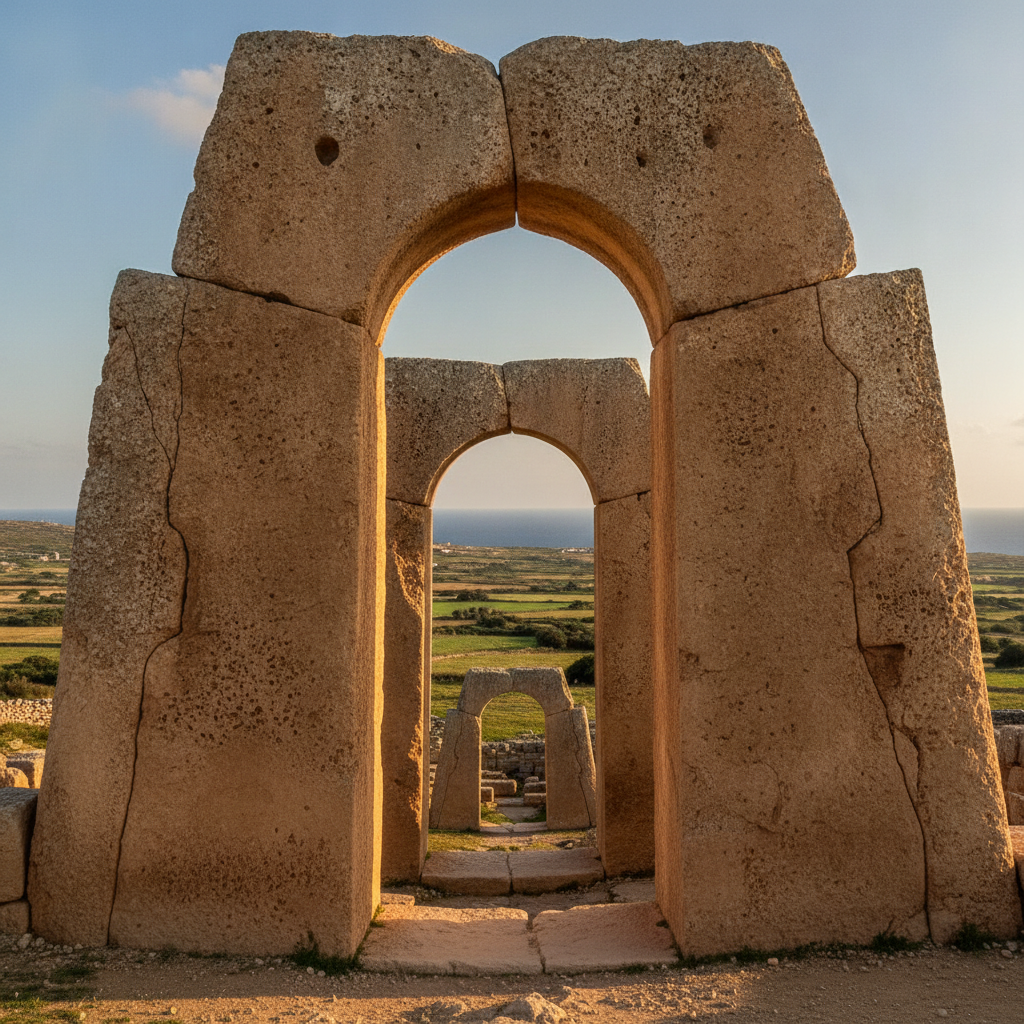
The Tarxien Temples in Paola, the most decorated of the Maltese prehistoric temple complex with the relief carvings of the spiral patterns and the fragments of the 2.5-meter limestone statue of the lower body that represents the most significant piece of Neolithic monumental sculpture in the world, date from 3150 BC and document the remarkable artistic sophistication of the Maltese temple-building civilization that preceded the Bronze Age culture by more than 1,500 years.
- 5
St. Paul's Bay: The Apostolic Connection
St. Paul's Bay on the northern Malta coast, the traditional site of the shipwreck of St. Paul as recounted in the Acts of the Apostles, is the most significant biblical heritage site in Malta, visited by Pope John Paul II in 1990 and Pope Benedict XVI in 2010 in the most concentrated papal attention to a single island pilgrimage site in modern Catholic history. The St. Paul's Island offshore rock, marked by the statue of St. Paul erected in 1845, is the traditional shipwreck point.
- 6
Malta Practical: The Year-Round Mediterranean
Malta, with the Mediterranean climate of mild winters averaging 12 degrees Celsius and hot summers averaging 31 degrees Celsius, is one of the finest year-round Mediterranean destinations for the Northern European visitor, with the spring (March to May) and autumn (September to November) providing the optimal combination of comfortable temperatures, uncrowded sites, and lower hotel rates. The Malta International Airport serves direct flights from all major European cities with both legacy carriers and the low-cost operators.
Walk this route with audio
Stories play automatically as you reach each stop — no tapping needed.
More in Mdina
Mdina: The Silent City, St. Paul's Baroque Cathedral, the Civilizations Crossroads, Rabat Catacombs, the Knights of St. John, and Valletta UNESCO Baroque Capital
Malta Islands Complete: Gozo Ggantija Oldest Buildings, the Inquisitor's Palace, Wignacourt Aqueduct Engineering, Peregrine Falcon Migration, Comino Wild Island, and the February Valletta Carnival
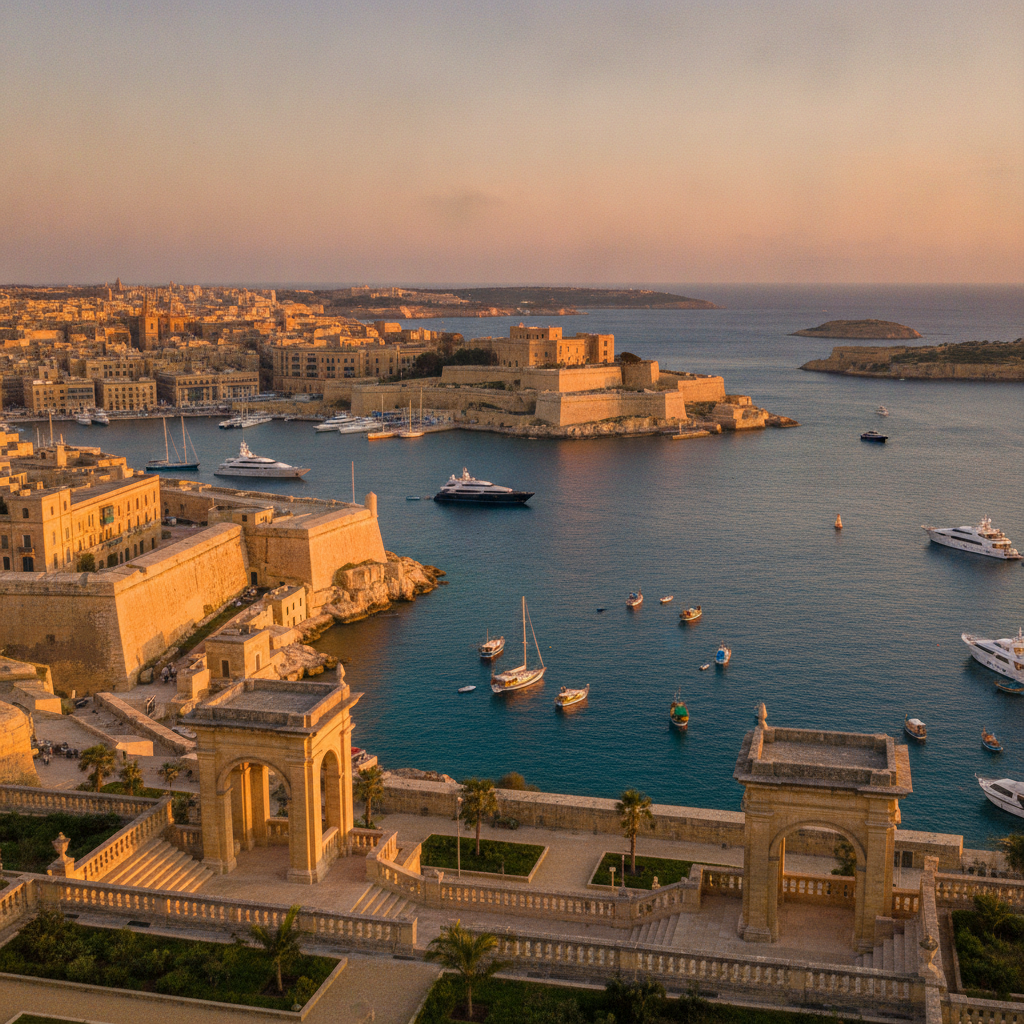
Malta Complete Guide: St. Julian's Resort, Marsaskala Quiet Southeast, the Complete History Circuit, Knights Hospital Humanitarian Law Origin, Xara Palace Hotel, and the Mediterranean History Superlative Summary
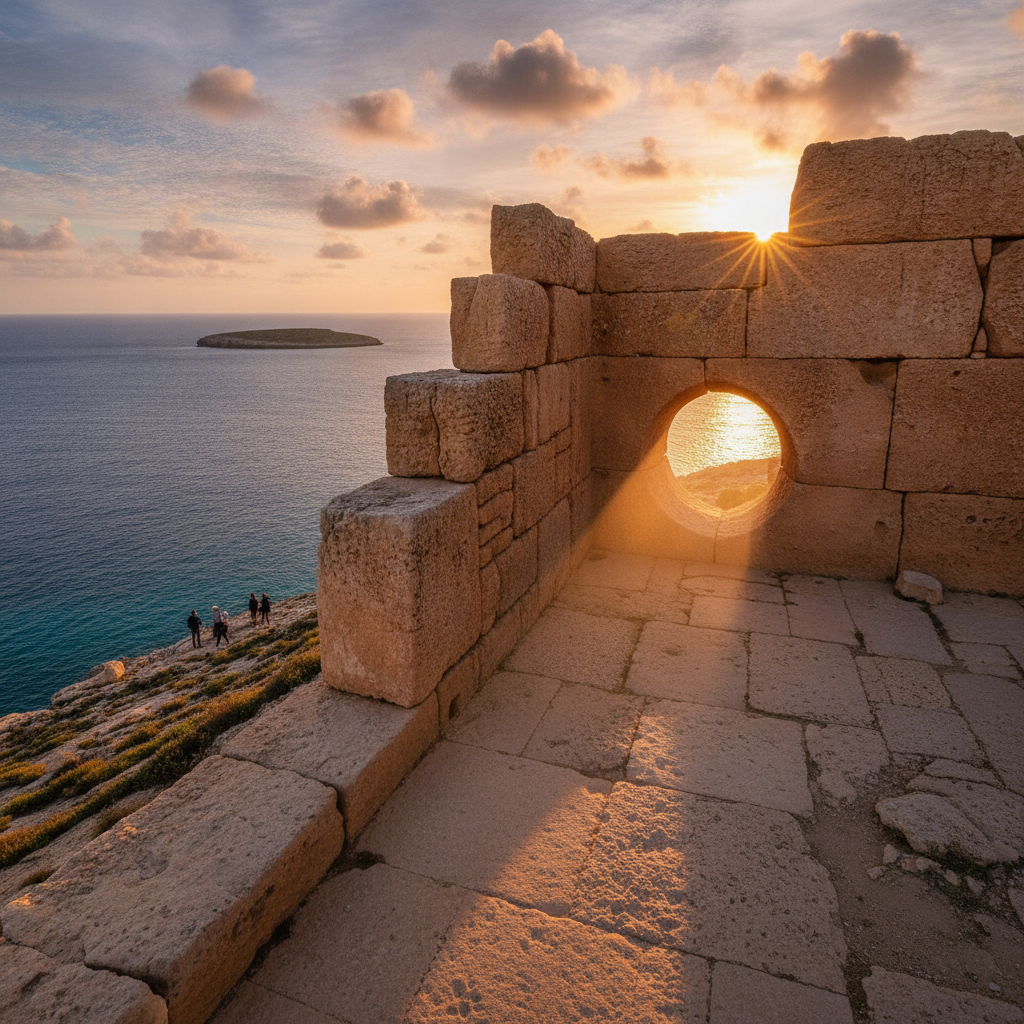
Mdina Heritage and Departure: Hagar Qim Solstice Alignment, the Order of Malta Sovereign Entity Today, Dingli Cliffs Sunset Walk, Malta LGBTQ Progressive Paradox, EU Membership Transformation, and the Mdina Timeless Farewell
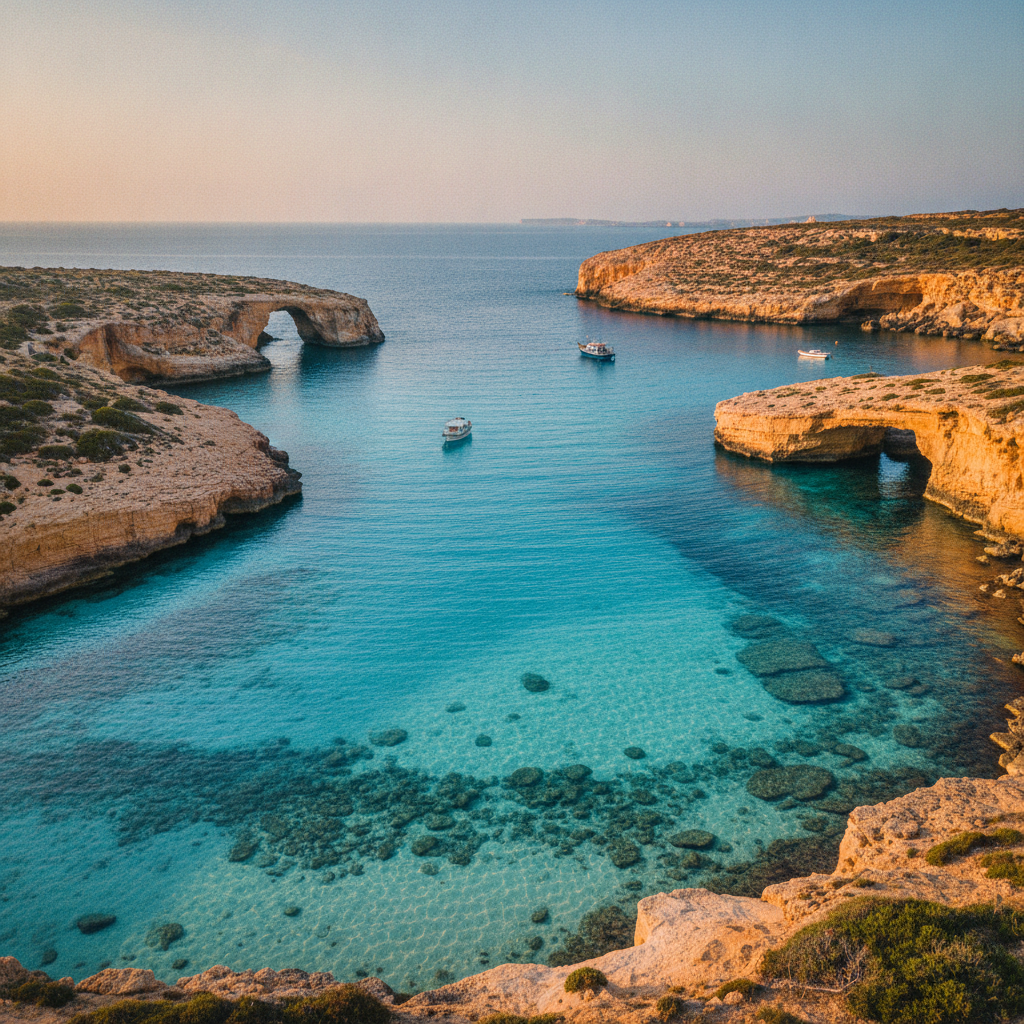
Malta Complete: Blue Lagoon Comino, Gozo Sister Island, the World's Oldest Freestanding Temples, Caravaggio at St. John's, the Three Cities Maritime Quarter, and the Maltese Rabbit National Dish