Maui: Nene Goose Back from 30 Birds, Lindbergh Grave Under a Mango Tree and the First Planned Resort in America
Spot Nene Hawaiian geese nesting in Haleakala crater recovered from 30 individuals to 3000 through English breeding programs, visit the real Oheo Gulch that a 1960s realtor renamed Seven Sacred Pools with zero Hawaiian cultural basis, walk Kaanapali beach at the first master-planned resort in the US that set the template for every subsequent tropical resort development, shore-snorkel Five Caves near Makena to find up to 10 sea turtles resting simultaneously in lava tube chambers, understand how Maui 150-year sugar industry that diverted mountain rivers to dry plains ended in 2016, and arrive at one of the most aspirational American vacation destinations knowing that the Lahaina fire changed the context of every trip here.
- 1
Maui Nene Goose and Wildlife
The Nene, the Hawaiian goose and state bird of Hawaii, was reduced to fewer than 30 individuals by 1952 after centuries of hunting and predation by introduced mongooses, rats, cats, and dogs, making it one of the most endangered birds in the world at its nadir. Captive breeding at the Wildfowl Trust in Slimbridge, England and at the Honolulu Zoo produced birds for reintroduction beginning in the 1960s. The Nene population has recovered to over 3,000 birds across Hawaii, with significant populations on Maui in the Haleakala National Park crater and summit area where nesting pairs are visible to hikers. The Haleakala silversword, a plant related to sunflowers that spends 7 to 90 years as a spiny silver rosette before flowering once and dying, is a spectacular summit plant endemic to Haleakala that was severely depleted by grazing and collection and has recovered through protective fencing. Both species are conservation success stories visible to park visitors.
- 2
Maui Seven Sacred Pools Controversy
Oheo Gulch in the Kipahulu District of Haleakala National Park, marketed since the 1960s as the Seven Sacred Pools, a name invented by a Maui realtor to attract tourists with no basis in Hawaiian cultural tradition, is actually called Oheo in Hawaiian and has no sacred designation. The seven pools connected by waterfalls stepping down to the ocean are a genuinely spectacular natural feature but were crowded by visitors who damaged the banks and trail before permit systems were introduced. The National Park Service now manages access with a day-use fee. The Pipiwai Trail to Waimoku Falls through the bamboo forest is the finest hike in the Kipahulu area. The Lindbergh Grave in the Palapala Hoomau Church yard in Kipahulu, where aviator Charles Lindbergh chose to be buried in 1974, is a modest gravestone under a mango tree that Maui residents consider a dignified memorial appropriate to a man who sought privacy.
- 3
Kaanapali Resort History
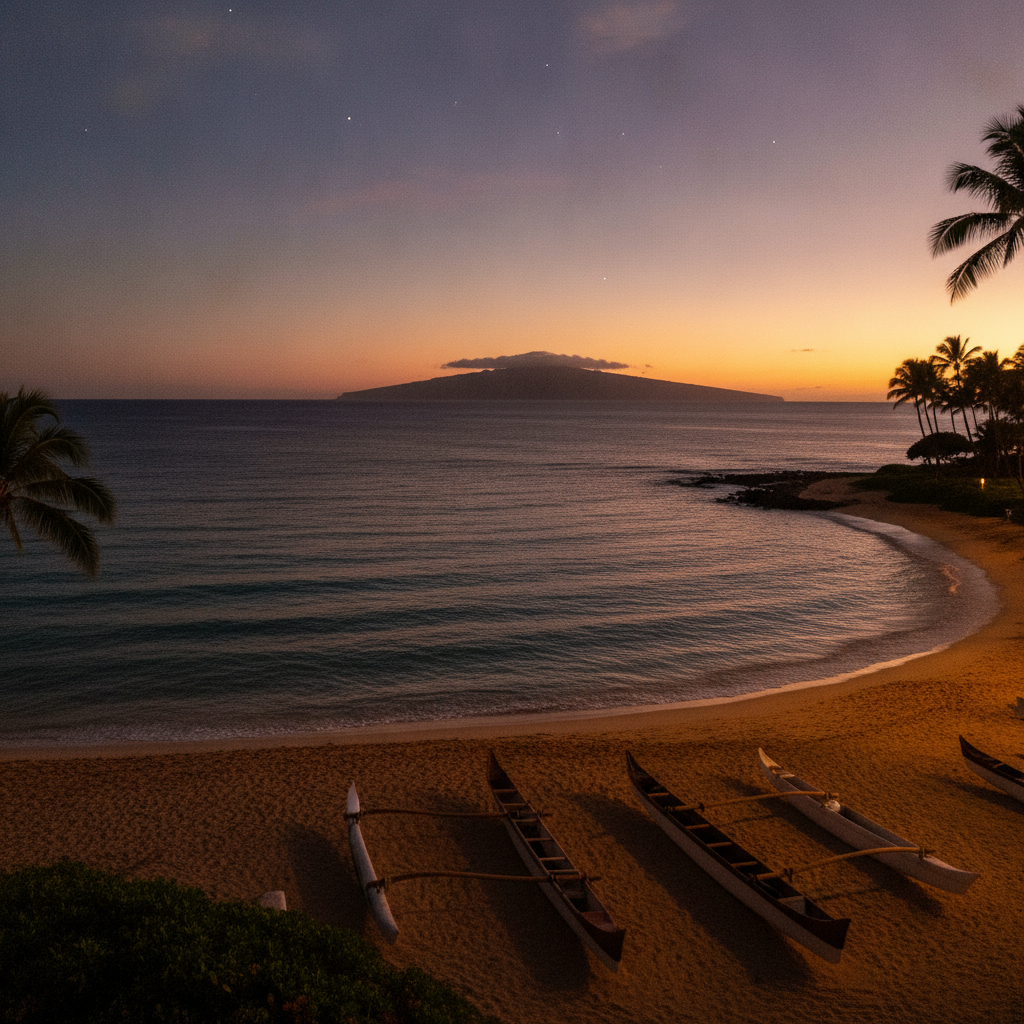
Kaanapali, the planned resort development 3 miles north of Lahaina, was the first master-planned destination resort in the United States, developed beginning in 1961 by Amfac, the parent company of a sugar plantation that converted its coastal land from agricultural to tourism use. The development model of Kaanapali, with a central beach corridor connecting resort hotels, shops, and restaurants, was replicated across Hawaii and the world in subsequent decades. The Kaanapali Beach, stretching 3 miles from Sheraton to Hyatt, is among the most uniform and well-maintained resort beaches in Hawaii. Black Rock, a lava headland at the Sheraton end of the beach, is a cliff-diving site continuing the ancient Hawaiian tradition of cliff diving performed by warriors to prove bravery. The 2023 Lahaina wildfire destroyed the adjacent town but Kaanapali hotels were spared and remain operational.
- 4
Maui Snorkel at Five Caves Makena
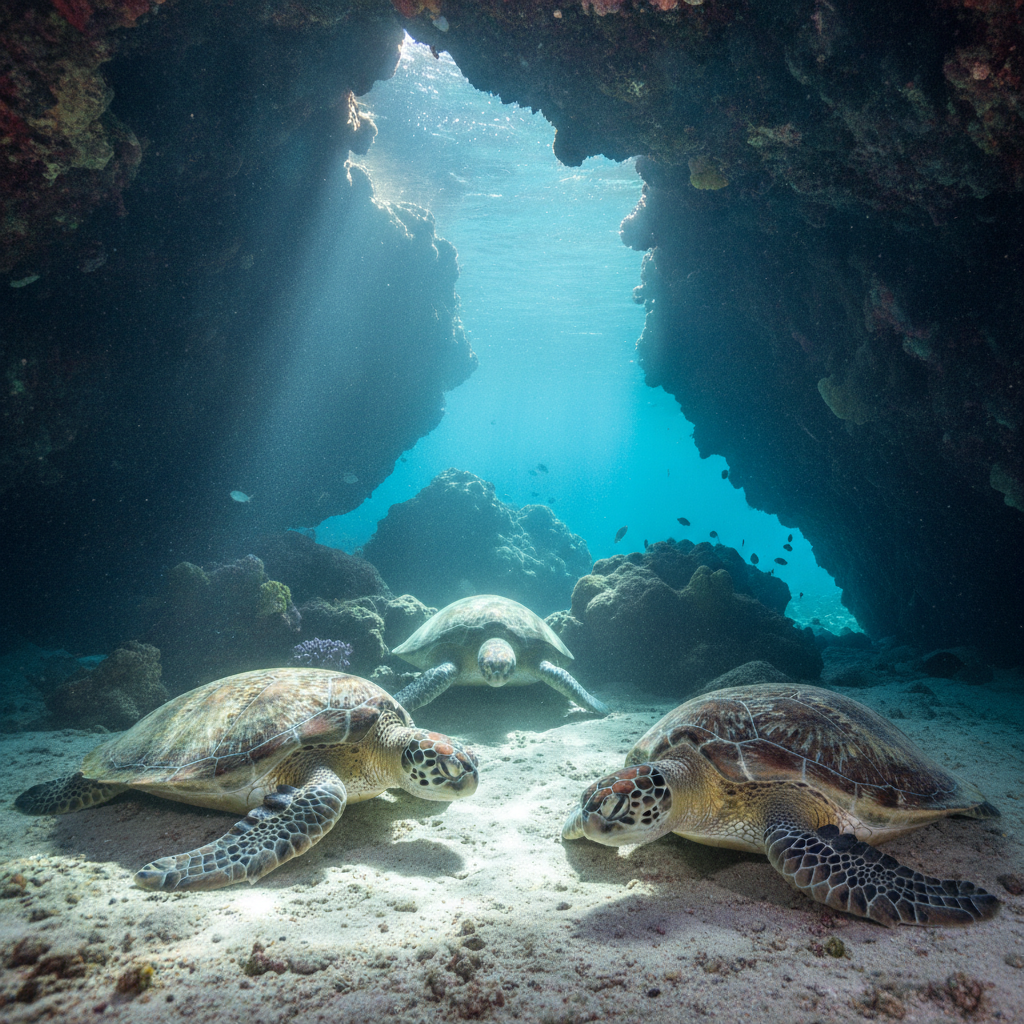
Five Caves, also called Five Graves, a snorkel site on the south Maui coast near Makena, is an underwater lava tube formation accessible by shore entry from a small pullout at the south end of Makena Road, where five sea caves and archways provide habitat for Hawaiian green sea turtles at exceptional density. Turtles are reliably present resting on the sandy bottom of the caves in numbers sometimes exceeding 10 animals visible simultaneously. The site is a self-guided snorkel requiring no boat and no fee, accessible at low tide on calm days. The surrounding waters off Makena Landing include coral heads with dense reef fish populations. Ahihi-Kinau Natural Area Reserve just south of Makena preserves the youngest lava flow on Maui, erupted around 1790, with tide pools, small coves, and marine protected areas where fishing is prohibited and biodiversity is exceptional.
- 5
Maui Sugar Industry Legacy
Maui was the last major sugar-producing island in Hawaii, with the Hawaiian Commercial and Sugar Company operating in central Maui until its closure in December 2016, ending 150 years of continuous sugar production on Maui and the commercial sugar industry in Hawaii entirely. At its peak, the HC&S plantation in central Maui covered 36,000 acres and produced 200,000 tons of raw sugar annually using a massive irrigation system drawing water from East Maui streams. The closure left over 800 workers unemployed and 36,000 acres in need of alternative use. Alexander and Baldwin, the plantation owner, has since transitioned portions to diversified agriculture, conservation, and community uses. The plantation irrigation system, built over more than a century using tunnels through the East Maui mountains to divert rainfall to the dry central plains, remains one of the most impressive irrigation engineering achievements in American history and is now subject to water rights litigation by Native Hawaiian communities.
- 6
Maui Luxury Wellness and Retreats
Maui has developed one of the strongest wellness and spa tourism industries in the world, driven by the combination of natural environment, resort infrastructure, and the specific demographic of visitors seeking health-oriented travel. The Grand Wailea spa with its Roman bath complex, the Four Seasons Wailea, and the Andaz Maui at Wailea offer wellness programming at the highest service levels in the American market. Yoga retreats, ayurvedic treatments, surf and yoga camps, and meditation programs operate through independent retreat centers primarily in Paia and Upcountry Maui. The Maui Jim sunglasses company, founded in 1987 in Lahaina and now headquartered in Peoria, Illinois, began by making polarized sunglasses designed for the specific light conditions of Hawaii and became one of the most respected performance eyewear brands in the world. Maui remains one of the most aspirational American vacation destinations despite its high cost, drawing visitors who save specifically for a Maui trip.
Walk this route with audio
Stories play automatically as you reach each stop — no tapping needed.
More in Maui
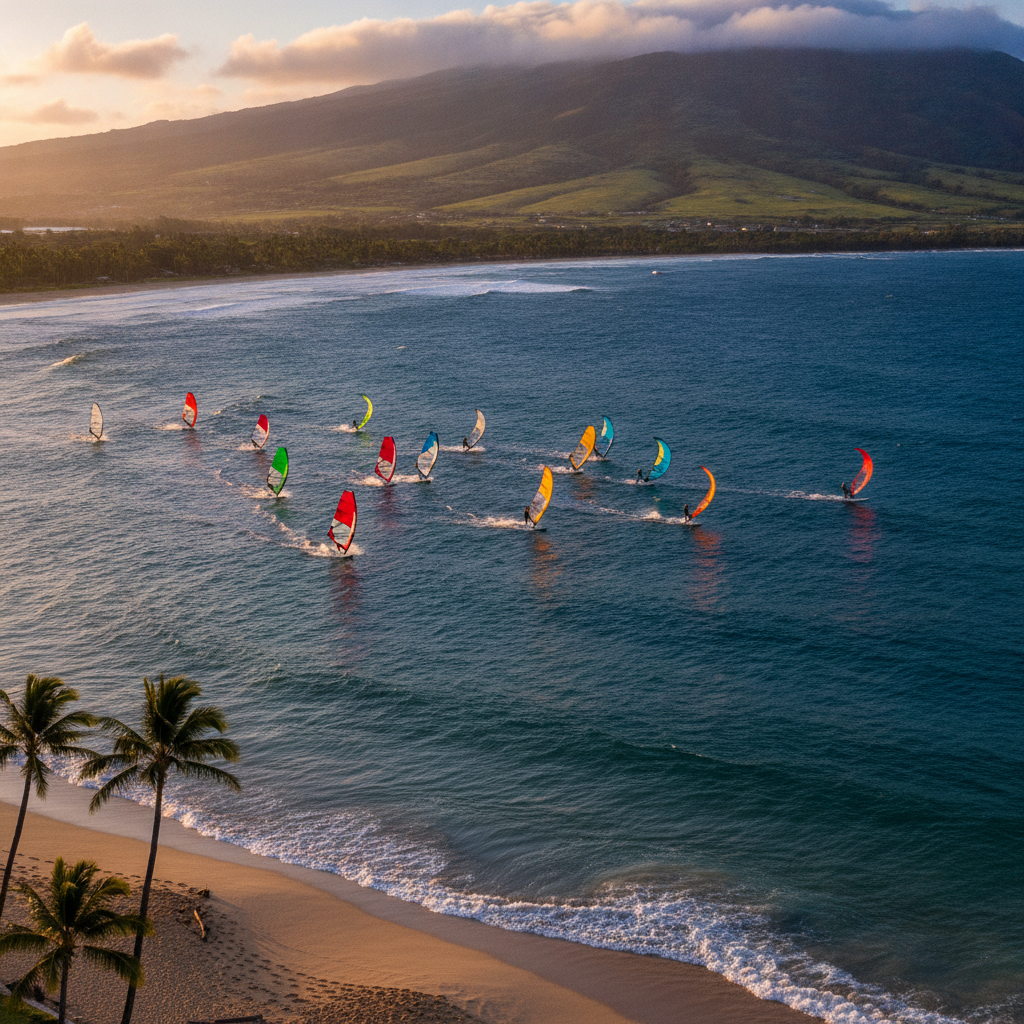
Maui: Iao Valley State Monument and Battle of Kepaniwai (1790), Kaanapali Beach and Whaling History (cliff diving Black Rock), Maui Ocean Center (humpback whales, Hawaiian reef species), Maui Farm-to-Table Food Scene, Paia North Shore and Hookipa Windsurfing Capital, and Practical Guide (Kahului Airport, rental cars, accommodation zones)
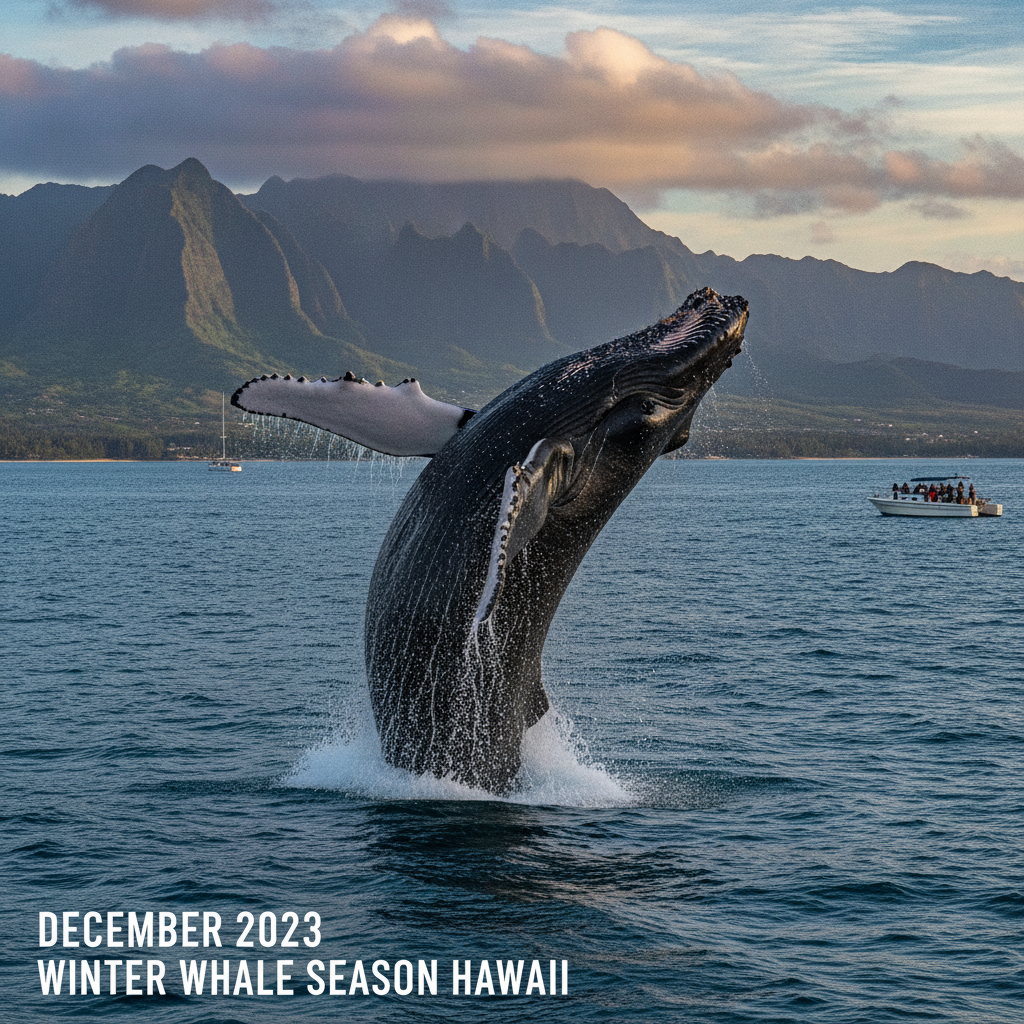
Maui: 10000 Humpbacks Winter Here, Big Beach Sunday Fire Spinners and the Wildfire That Changed Everything
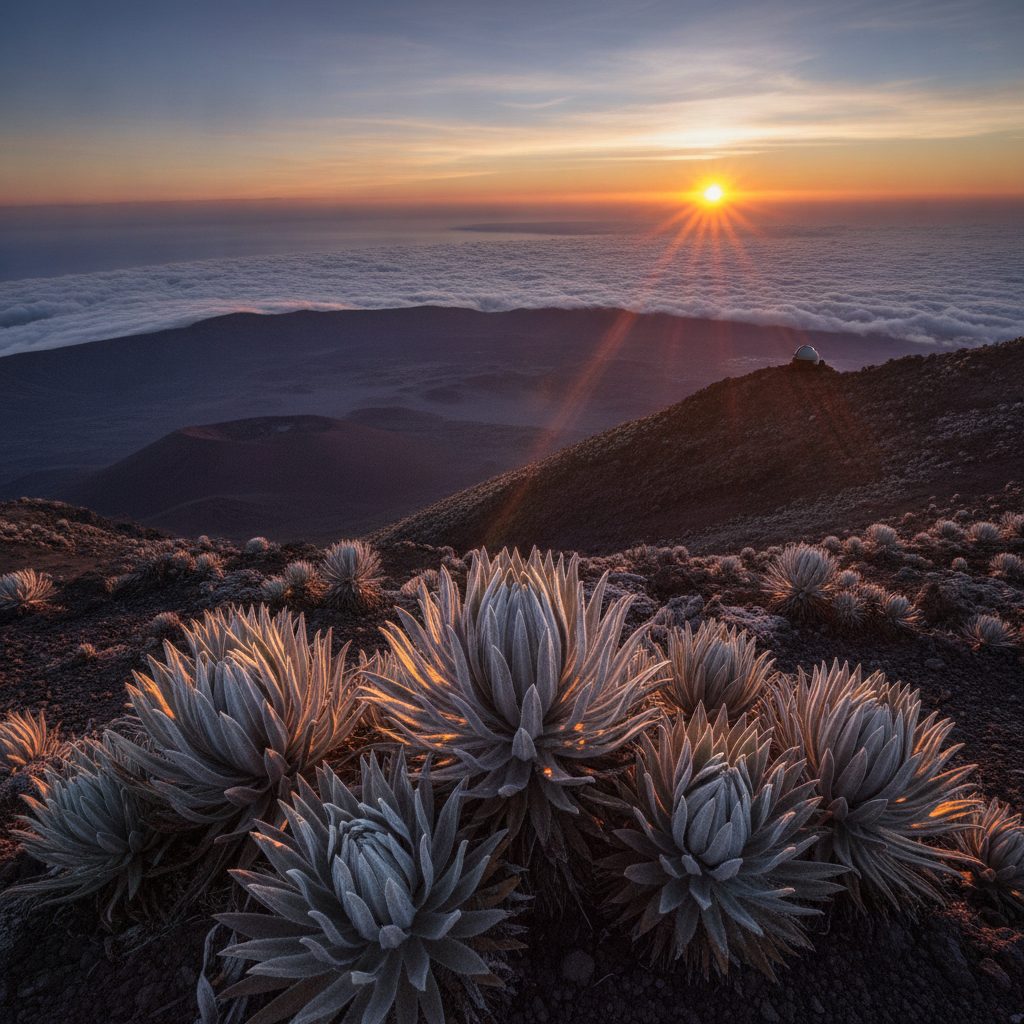
Maui: Haleakala Sunrise Above the Clouds (3055m crater, silversword, nene goose), Road to Hana (64km, 59 bridges, Waianapanapa black sand beach, Lindbergh grave), Lahaina Historic Town and 2023 Wildfire Recovery, Makena Big Beach and Molokini Snorkeling (humpback whale season), and Upcountry Maui Lavender Farms and Paniolo Culture
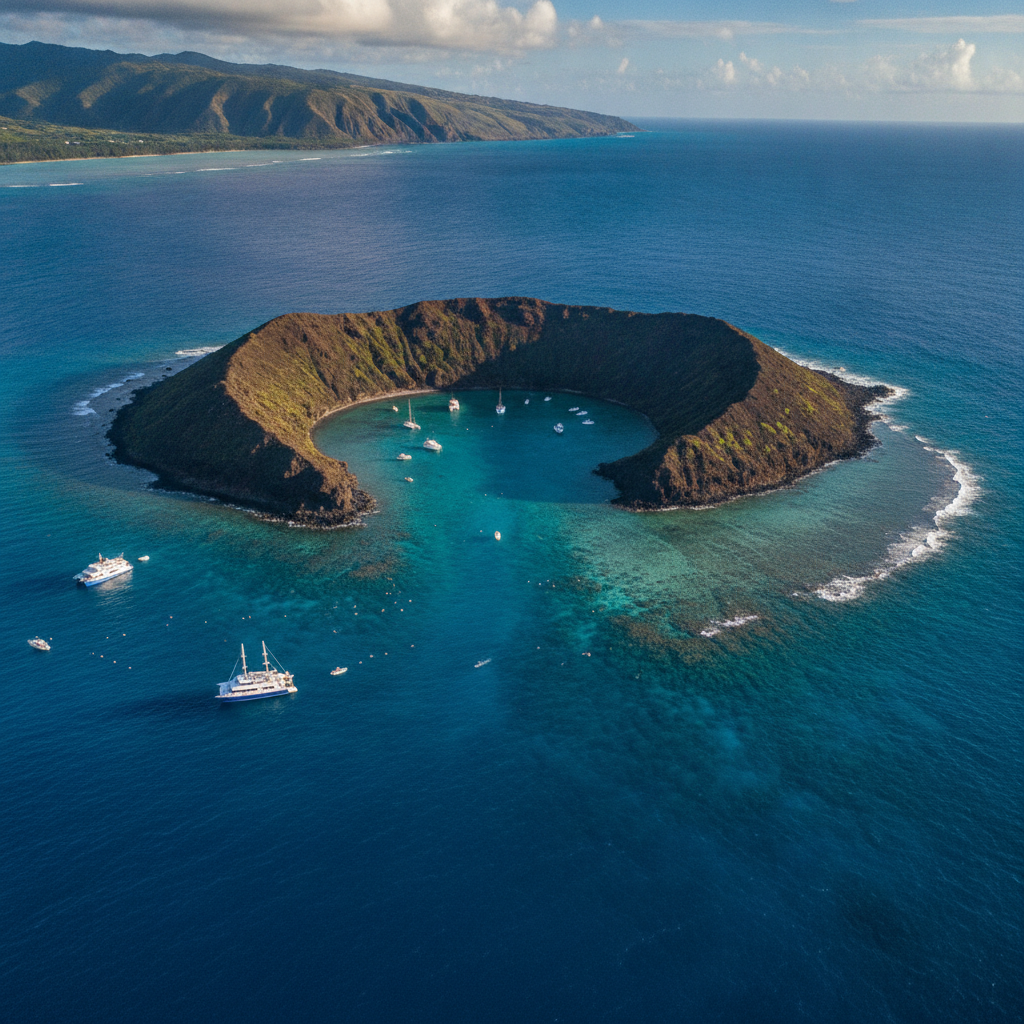
Maui: 150-Foot Visibility Crater Snorkel, 60-Foot Jaws Waves and How Windsurfing Was Invented at Hookipa
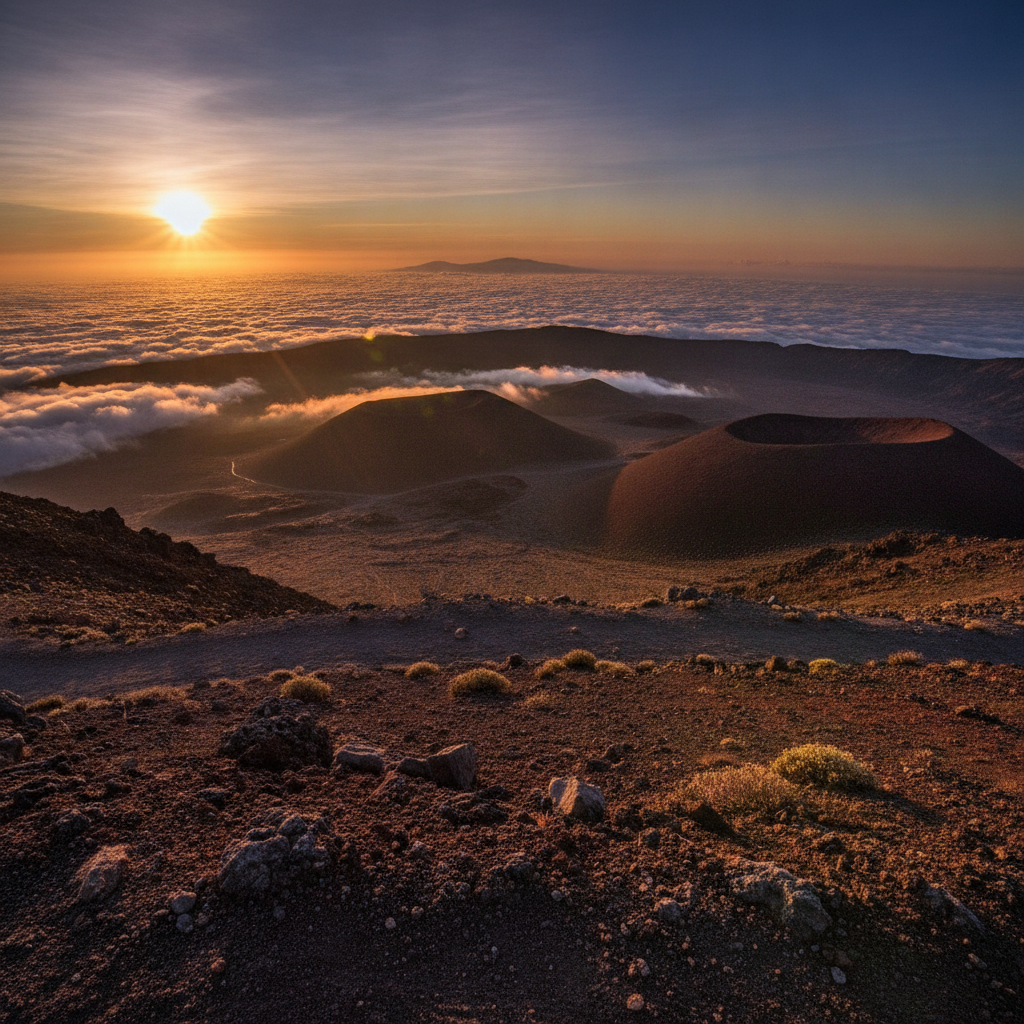
Maui: World Largest Solar Telescope, Hawaiian Cowboys Who Learned from Mexican Vaqueros and 98% of Lanai Owned by Oracle