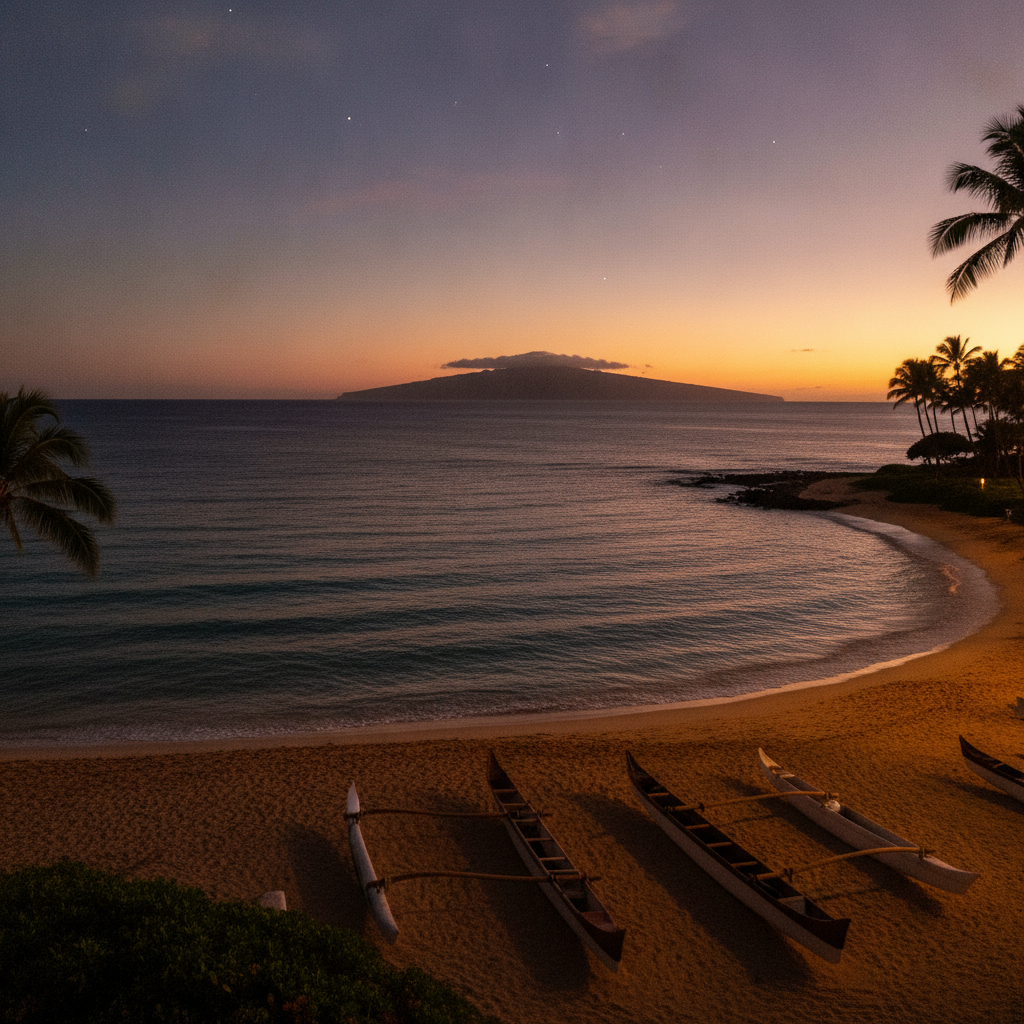
Maui: Haleakala Sunrise Above the Clouds (3055m crater, silversword, nene goose), Road to Hana (64km, 59 bridges, Waianapanapa black sand beach, Lindbergh grave), Lahaina Historic Town and 2023 Wildfire Recovery, Makena Big Beach and Molokini Snorkeling (humpback whale season), and Upcountry Maui Lavender Farms and Paniolo Culture
Maui highlights: Valley Isle geography and history (Hawaiian capital Lahaina, sugar plantation immigrants), Haleakala sunrise experience (3,055m, reservations required, silversword, nene), Road to Hana (64km, black sand beach, bamboo forests, Charles Lindbergh grave), Lahaina 2023 wildfire (101 dead, historic Front Street destroyed, banyan tree survival), Makena Big Beach and Molokini Crater snorkeling (humpback whale season December-April), and Upcountry Maui (Makawao paniolo town, Kula lavender farms, Tedeschi Winery).
- 1
Maui - the Valley Isle and Hawaii Second Island
Maui (the second largest Hawaiian island at 1,883 square kilometers, population approximately 165,000): known as the Valley Isle because the central valley between the two volcanic mountains (Haleakala in the east and the West Maui Mountains in the northwest) gives Maui its distinctive silhouette. Maui geography: the island consists of two distinct volcanic massifs connected by the central isthmus. The West Maui Mountains (Mauna Kahalawai, with the Iao Valley State Monument at its heart): the older of the two volcanoes, now deeply eroded into spectacular valley topography. Haleakala (the House of the Sun): the shield volcano that makes up 75% of Maui land area, rising to 3,055 m; Haleakala is considered dormant (last erupted approximately 1600-1700 CE). Maui history: Lahaina (on the West Maui coast) was the capital of the Kingdom of Hawaii from 1802 to 1845, when King Kamehameha III moved the capital to Honolulu. Lahaina was also the center of the Pacific whaling industry in the 19th century, with up to 500 whaling ships anchored in the Lahaina Roads at the peak season. The sugar industry: the Alexander and Baldwin Sugar Museum at Puunene (the last operating sugar plantation in Hawaii, converted to energy cane after sugar production ended in 2016) tells the story of the Portuguese, Japanese, Filipino, Chinese, Korean, and Puerto Rican immigrants who came to Maui to work the cane fields. Maui now draws approximately 2.8 million visitors annually, making it one of the most visited islands in the Pacific.
- 2
Haleakala Sunrise - Above the Clouds at 3055 Meters
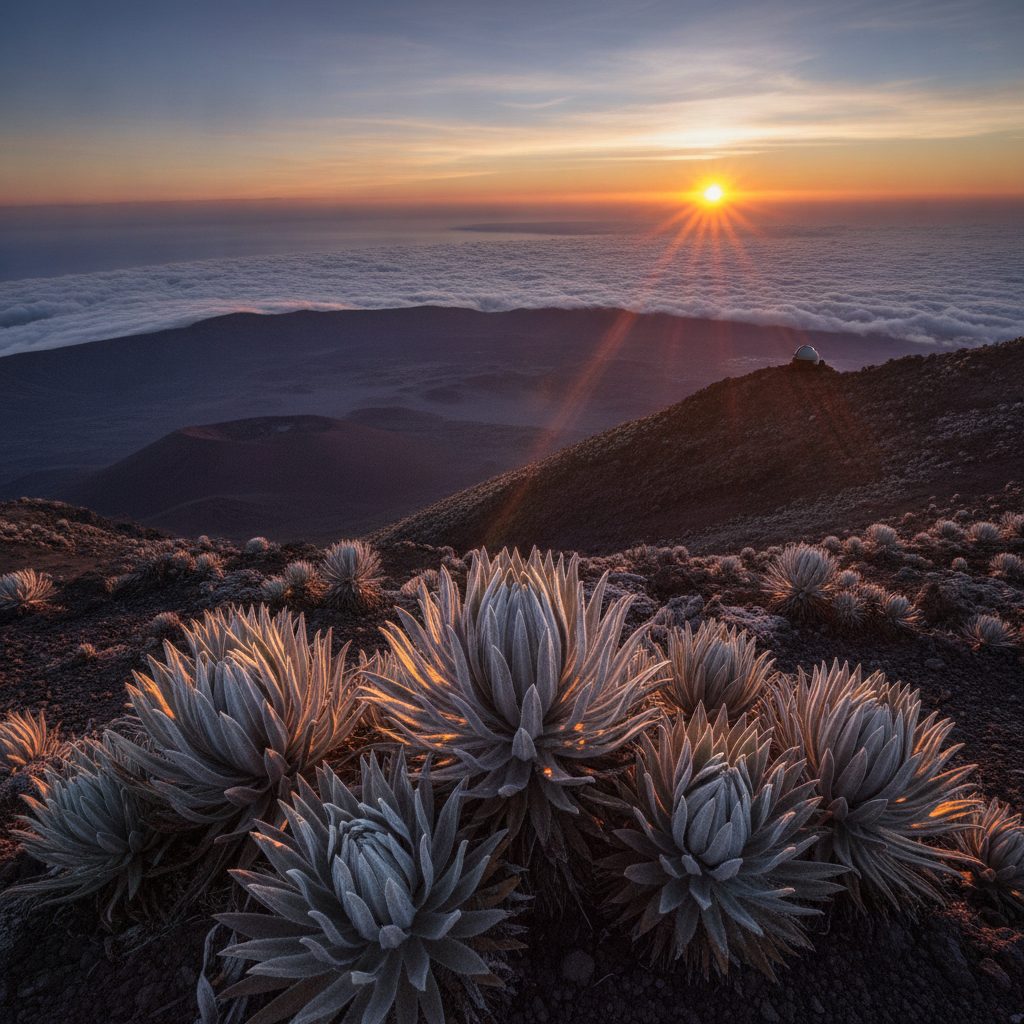
Haleakala National Park sunrise: the single most celebrated visitor experience in the Hawaiian Islands, and one of the most dramatic sunrise experiences in the world. The experience: driving or cycling to the Haleakala summit (Puu Ulaula, at 3,055 m, the highest point on Maui) before dawn, bundled in layers against the cold (summit temperatures frequently drop to near freezing before dawn, year round), and watching the sun rise above a sea of clouds that fills the crater and extends to the horizon. The pre-sunrise sky: the Haleakala summit is at an altitude above most of the atmospheric moisture, making the stars exceptionally brilliant in the hours before dawn (Haleakala is one of the premier stargazing locations in the Pacific, hosting the Haleakala Observatory of the University of Hawaii and the Pan-STARRS telescope). The crater itself (the Haleakala Crater, 11 km long, 3.2 km wide, 830 m deep): formed not by volcanic explosion but by erosion (two stream valleys cutting into the volcano merged to form the crater-like depression). The silversword plant (the Haleakala silversword, the ahinahina): found only on Haleakala above 2,100 m, a remarkable succulent rosette plant that lives for 15-50 years before producing a single flowering stalk (up to 2 m tall) and dying. The nene (the Hawaiian goose, the official state bird of Hawaii): the rarest goose in the world, found at Haleakala and on the Big Island; nearly extinct by 1950, with captive breeding programs having restored the population to approximately 3,000 birds. Practical: summit sunrise reservations required (recreation.gov); arrive 30+ minutes before sunrise.
- 3
Road to Hana - 64 km of Jungle Waterfalls and Black Sand
The Road to Hana (Hana Highway, State Highway 360): the 64-km highway from Kahului to Hana, with 59 bridges (most single-lane), 620 curves, and a continuous series of scenic stops including jungle waterfalls, black sand beaches, bamboo forests, and fruit stands. The road is one of the most celebrated scenic drives in the United States. Key stops from east to west: the Twin Falls (the first major waterfall stop, 3 km east of the Hana Highway junction on the Wailua Stream); the Waikamoi Ridge Trail (a short loop through native ohia and hala forest); the Garden of Eden Arboretum (a private botanical garden); Keanae Peninsula (a flat lava peninsula with the historic Keanae Congregational Church of 1860 and a roadside taro patch); Wailua Valley State Wayside; Waianapanapa State Park (the black sand beach of Pailoa Bay, the sea caves, and the blowhole on the dramatic lava coastline, 3 km before Hana; reservations required to enter). Hana town (the quiet East Maui town at the end of the drive): the Hasegawa General Store (in continuous operation since 1910), the Hotel Hana-Maui (the most exclusive resort on Maui), and the grave of Charles Lindbergh (the transatlantic aviator, who retired to Maui and is buried at the Palapala Hoomau Church, 13 km south of Hana). Practical: the drive one-way takes 2.5-3.5 hours without stops, 6-8 hours with stops. The road past Hana (continuing south and west through Kipahulu and back to Kahului via Upcountry Maui) is longer but avoids doubling back.
- 4
Lahaina Historic Town and the August 2023 Wildfire
Lahaina (on the west coast of Maui, approximately 25 km from Kahului): the former capital of the Kingdom of Hawaii and the most historically significant town in Maui, devastated by the catastrophic wildfire of 8 August 2023. The 2023 Lahaina wildfire: on the morning of 8 August 2023, a fire driven by strong winds from Hurricane Dora (a Category 4 hurricane south of Hawaii) swept through Lahaina in less than two hours. The fire killed 101 people, making it the deadliest US disaster since Hurricane Katrina, and destroyed over 2,200 structures including most of the historic Front Street buildings. The fire investigation focused on the role of downed Hawaiian Electric power lines in igniting the fire. Lahaina history: the town was founded as a royal capital in the early 19th century, and by the 1850s had grown into the largest town in Hawaii, with the Royal Palace of the Kamehameha II (Kamehameha II died of measles in London in 1824, and his body was returned to Lahaina), the Baldwin Home (the missionary home of Rev. Dwight Baldwin, built 1835, the oldest surviving building in Lahaina), and the Pioneer Inn (built 1901, the oldest hotel on Maui). The Banyan Tree Park (the massive banyan tree planted in 1873 to mark the 50th anniversary of the first missionaries arriving in Lahaina): the tree, with its 16 primary trunks and coverage of approximately 0.6 hectares, survived the 2023 fire, though it was heavily damaged; it remains a symbol of Lahaina recovery. The Lahaina recovery (as of 2026): the cleanup of the disaster area has been completed, and rebuilding has begun, though the town is fundamentally changed.
- 5
Makena Beach and South Maui Snorkeling and Whale Watching
South Maui beaches and the Maui whale watching season: Makena Beach State Park (Big Beach, the most beautiful beach on Maui and one of the most beautiful in Hawaii): a 1.2 km stretch of golden sand at the base of Pu-u Olai (Red Hill), a small volcanic cinder cone. Big Beach has powerful shore break and strong currents (the undertow can be dangerous), with the smaller Little Beach (accessed over the shoulder of Pu-u Olai) being a clothing-optional beach where a weekly Sunday drum circle has taken place for decades. The coral reef snorkeling at Molokini Crater (a crescent-shaped volcanic crater 4 km off the south Maui coast, accessible by charter catamaran from Maalaea Harbor): the inside of the Molokini crater is a marine conservation district with exceptionally clear water (visibility up to 60 m) and dense populations of reef fish (the protected area means the fish are unusually bold and close-approaching). The humpback whale watching season (December-April, with the peak in February-March): the waters of the Maui Nui basin (the shallow water between Maui, Molokai, Lanai, and Kahoolawe) is the primary winter breeding and calving ground for the North Pacific humpback whale population. Approximately 10,000-12,000 humpback whales migrate annually from Alaska to Hawaii, with the majority spending their winter months in the Maui Nui waters. The Pacific Whale Foundation (headquartered in Kihei): the primary research and whale watching tour operator, with naturalists on board. Kayaking and stand-up paddleboarding from Makena: guided tours launch from the beach south of Makena toward Turtle Town (a series of coral heads frequented by green sea turtles).
- 6
Upcountry Maui - Kula Farms Lavender and Cowboys
Upcountry Maui (the elevated agricultural district on the western slopes of Haleakala, between approximately 300 m and 1,500 m elevation): the most distinctive contrast to the beach and resort character of the rest of Maui, with a cool, temperate climate and productive farming landscape. The Upcountry towns: Makawao (the former paniolo, the Hawaiian cowboy, town with a population of approximately 8,500): the two-block Makawao town center has galleries, boutiques, and the Komoda Store and Bakery (the most beloved local bakery on Maui, in continuous family operation since 1916, where the cream puffs and stick doughnuts typically sell out before 9 am). Kula (the agricultural center of Upcountry Maui, at 600-1,000 m elevation): the Kula climate produces diverse crops including Maui onions (the mild sweet onions regarded as the finest in the United States), Maui Gold pineapples, strawberries, and the lavender grown at the Ali-i Kula Lavender Farm. The Ali-i Kula Lavender Farm (at 1,220 m on the slopes of Haleakala): the 13-acre farm cultivating 55 varieties of lavender, with lavender ice cream and lavender scones on the terrace. The Tedeschi Vineyards (Maui Winery, at Ulupalakua Ranch on the south slope of Haleakala): the only commercial winery in Maui, producing pineapple wine, sparkling wine, and the Ulupalakua Red from Carnelian grapes. The Hawaiian paniolo tradition: the first cattle arrived in Hawaii as a gift from Captain George Vancouver to King Kamehameha I in 1793; by the 1830s the cattle had multiplied out of control on the slopes of Mauna Kea on the Big Island, and Kamehameha III brought Spanish vaqueros from California (the charros) to teach Hawaiians to manage cattle; these Hawaiians became the paniolo, adapting the word espanol.
Walk this route with audio
Stories play automatically as you reach each stop — no tapping needed.
More in maui
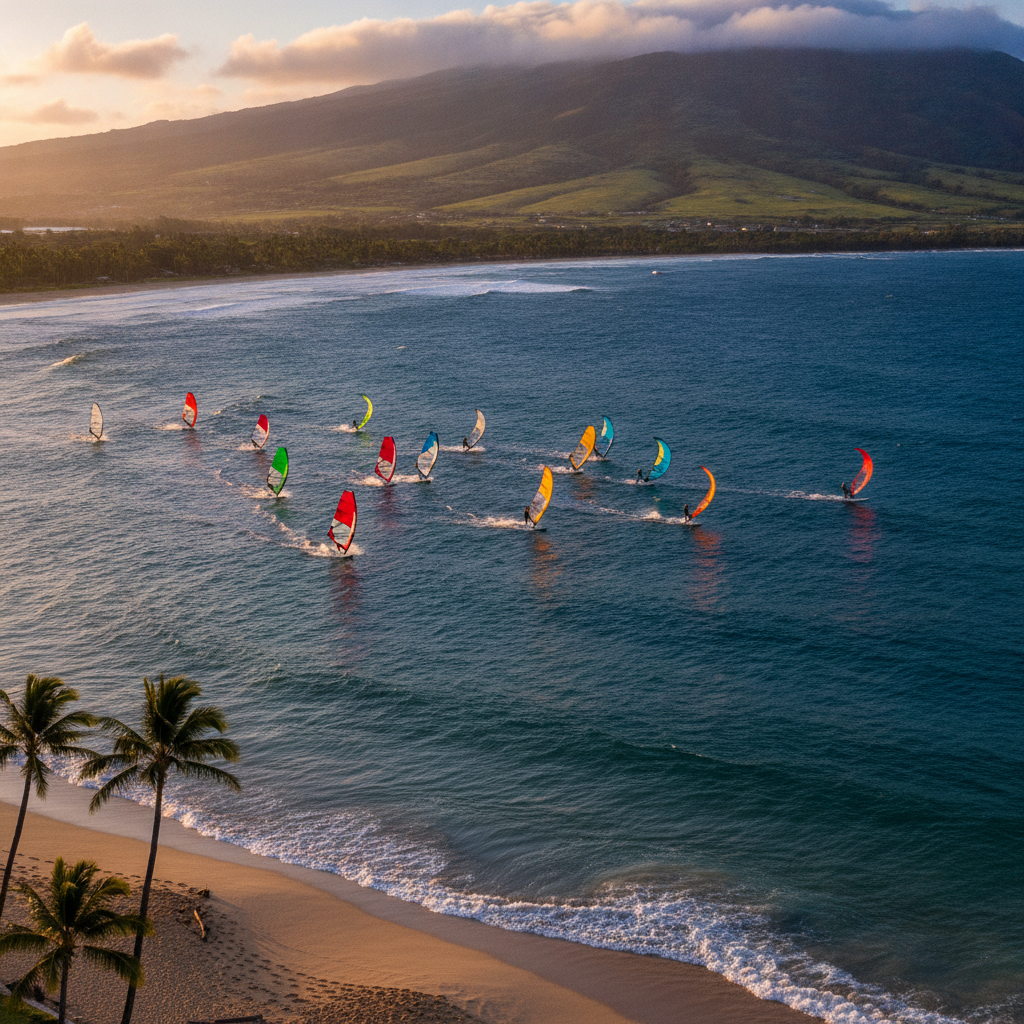
Maui: Iao Valley State Monument and Battle of Kepaniwai (1790), Kaanapali Beach and Whaling History (cliff diving Black Rock), Maui Ocean Center (humpback whales, Hawaiian reef species), Maui Farm-to-Table Food Scene, Paia North Shore and Hookipa Windsurfing Capital, and Practical Guide (Kahului Airport, rental cars, accommodation zones)
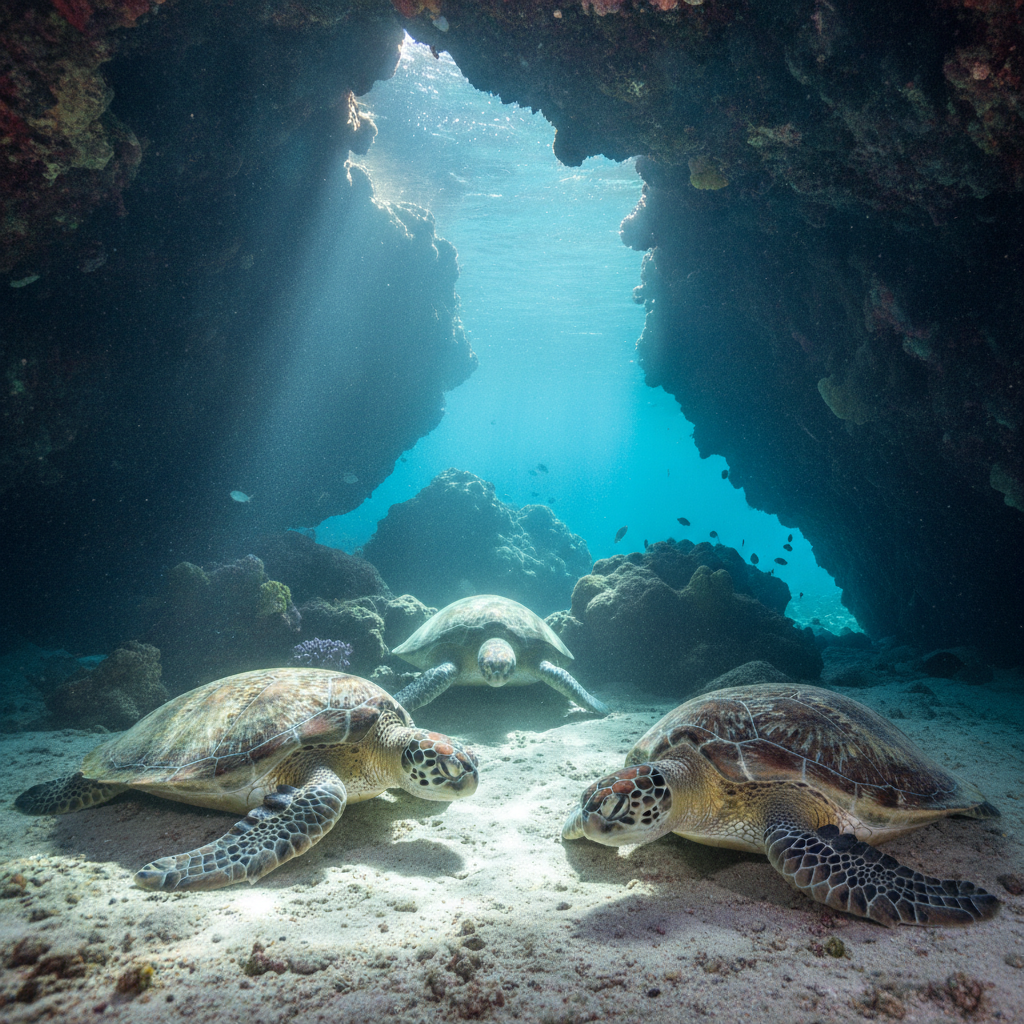
Maui: Nene Goose Back from 30 Birds, Lindbergh Grave Under a Mango Tree and the First Planned Resort in America
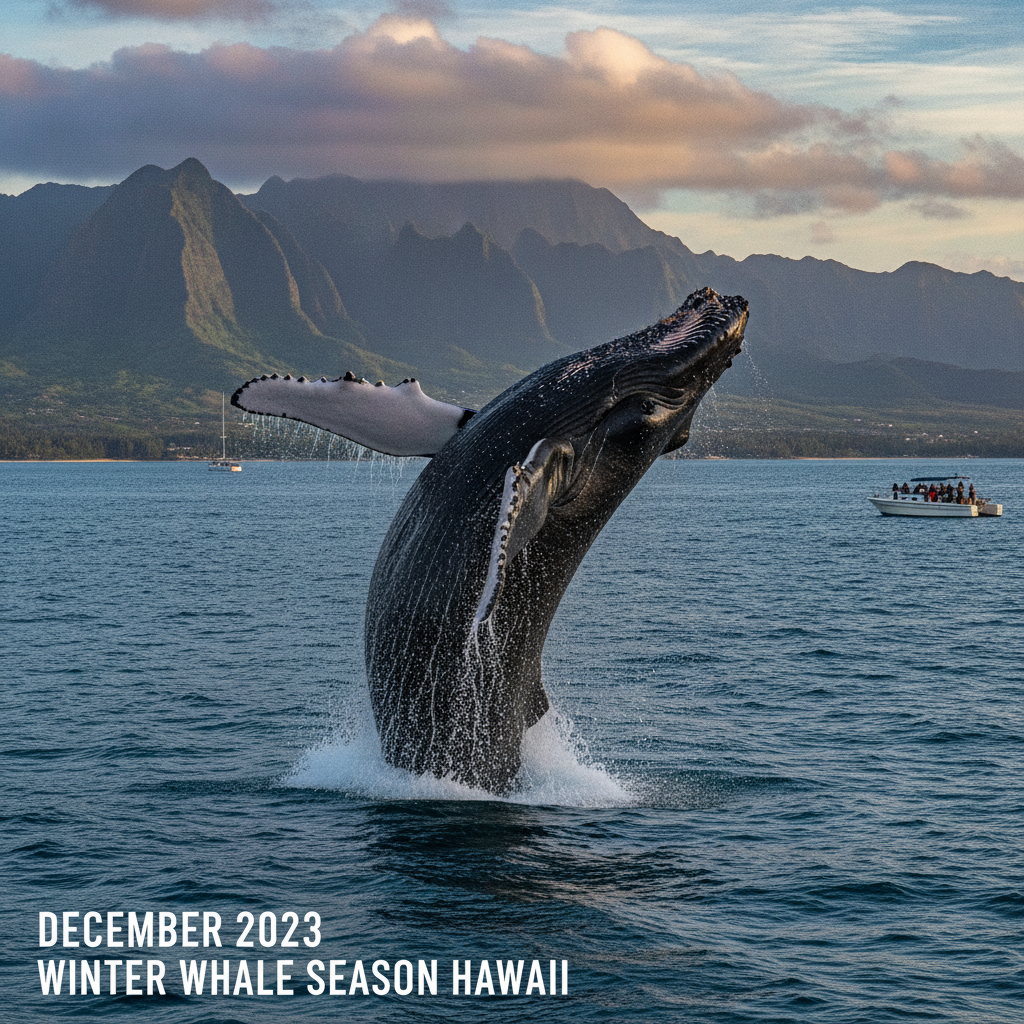
Maui: 10000 Humpbacks Winter Here, Big Beach Sunday Fire Spinners and the Wildfire That Changed Everything
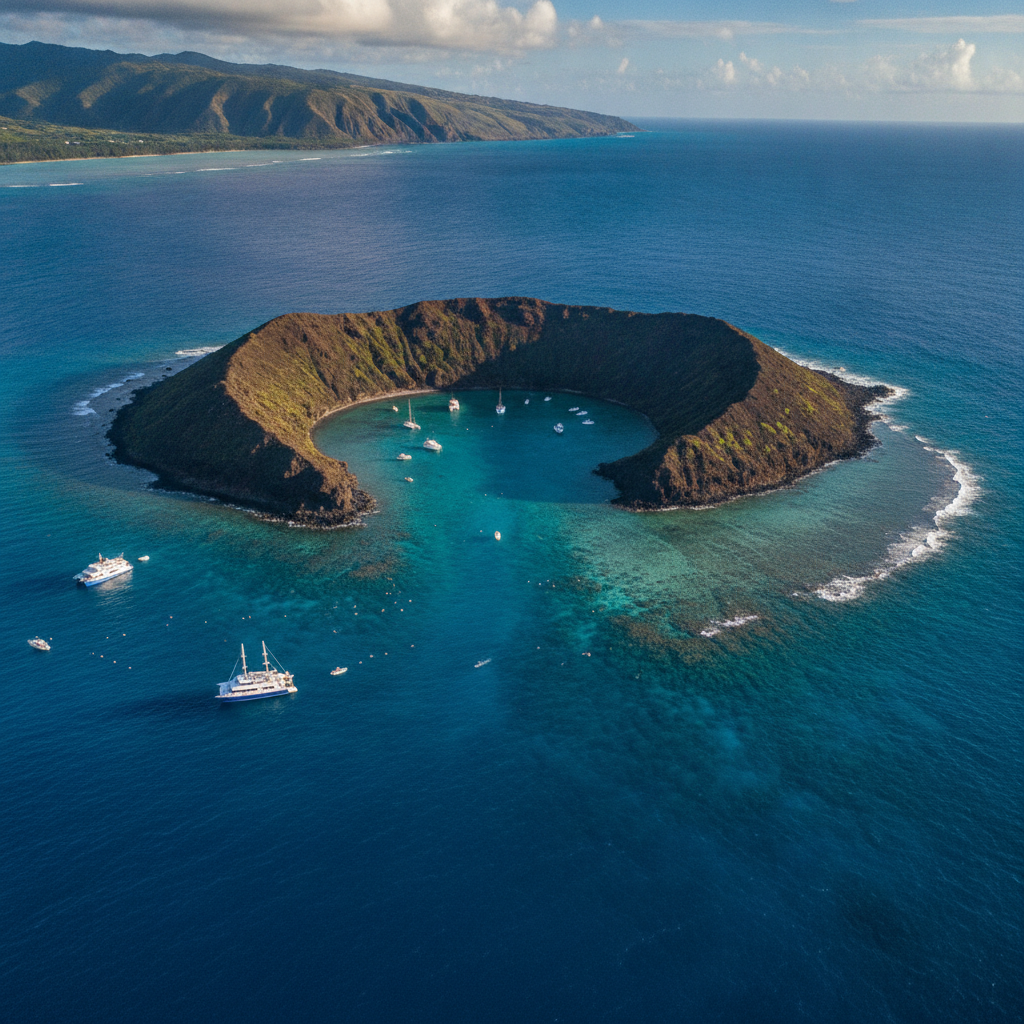
Maui: 150-Foot Visibility Crater Snorkel, 60-Foot Jaws Waves and How Windsurfing Was Invented at Hookipa
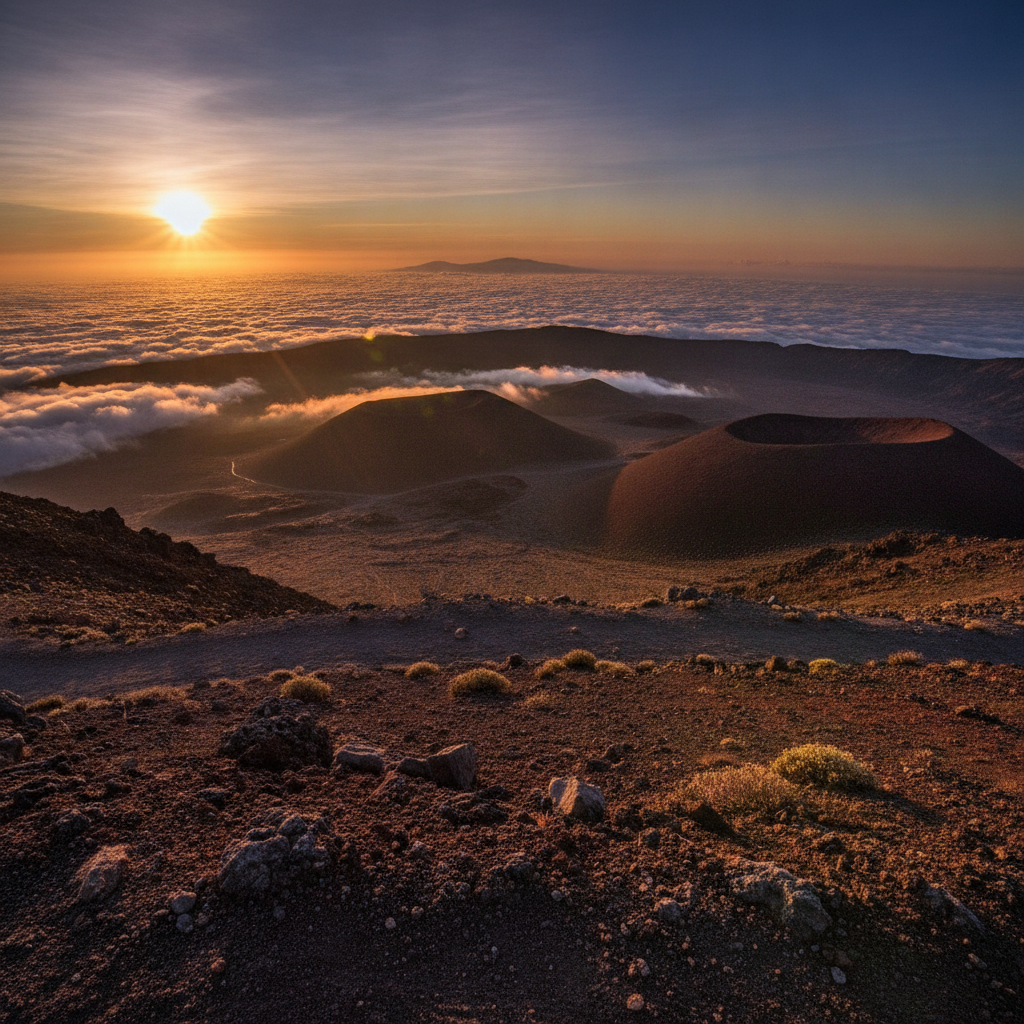
Maui: World Largest Solar Telescope, Hawaiian Cowboys Who Learned from Mexican Vaqueros and 98% of Lanai Owned by Oracle