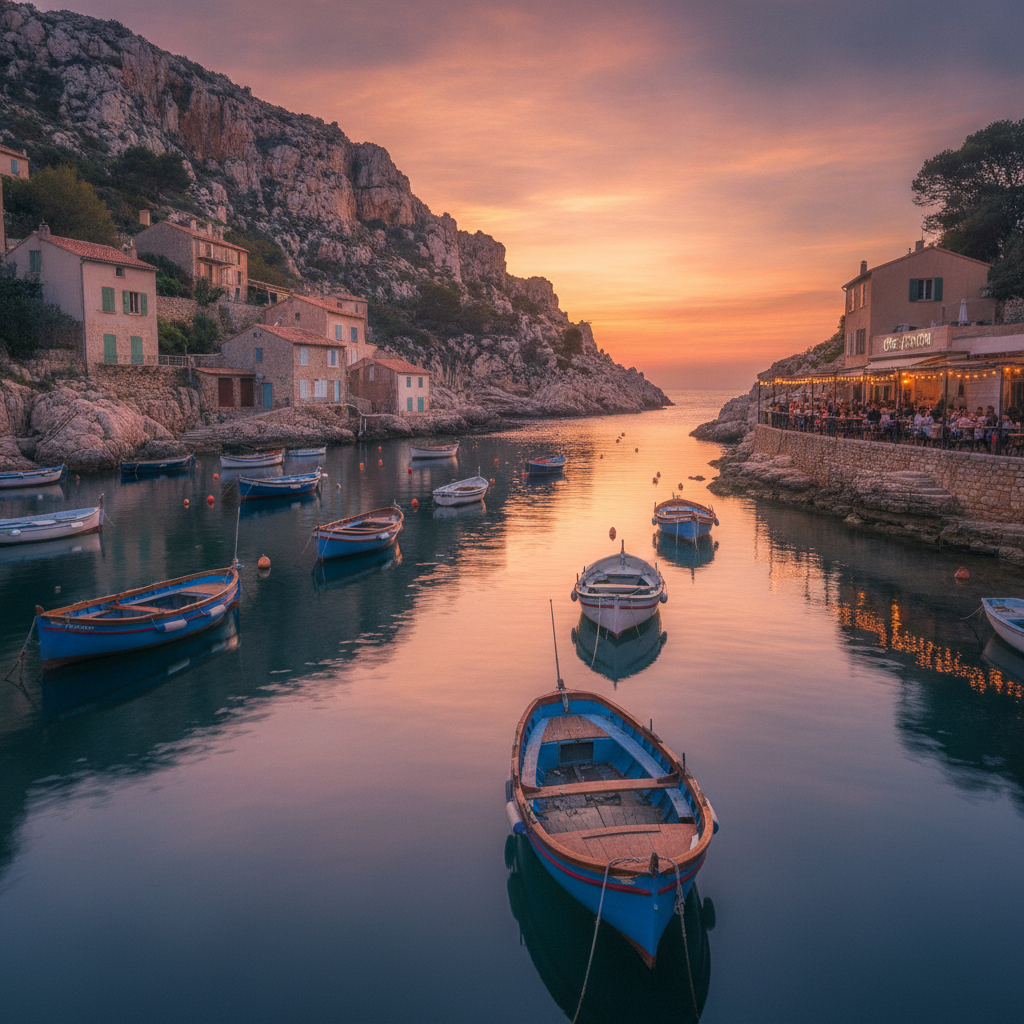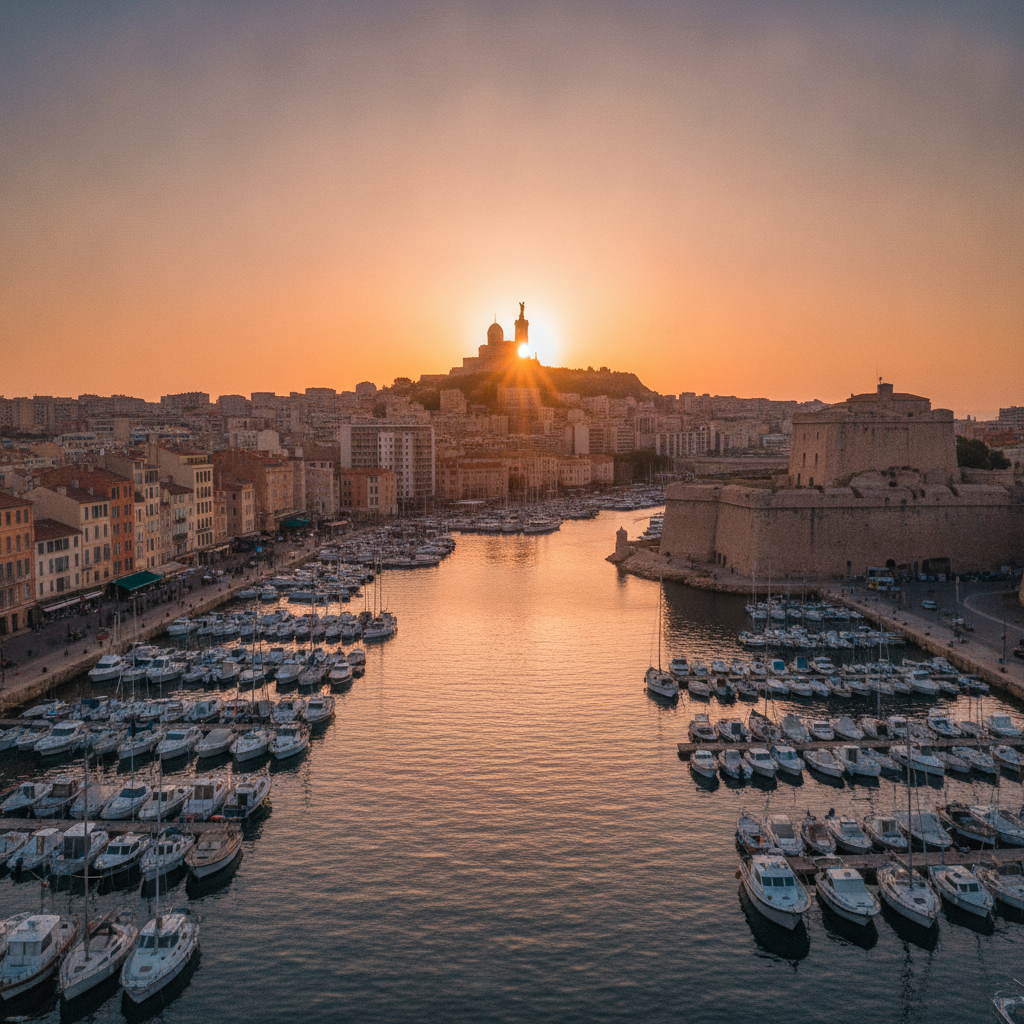
Marseille — the Vieux-Port, Notre-Dame de la Garde, the Calanques, Le Panier & the Château d'If
Marseille is France's oldest city and most Mediterranean soul — the ancient Vieux-Port, La Bonne Mère basilica above the city, the limestone Calanques along the coast, the steep cobbled Panier quarter, the Château d'If of the Count of Monte Cristo, and the legendary bouillabaisse.
- 1
The Vieux-Port — the Ancient Heart of Marseille
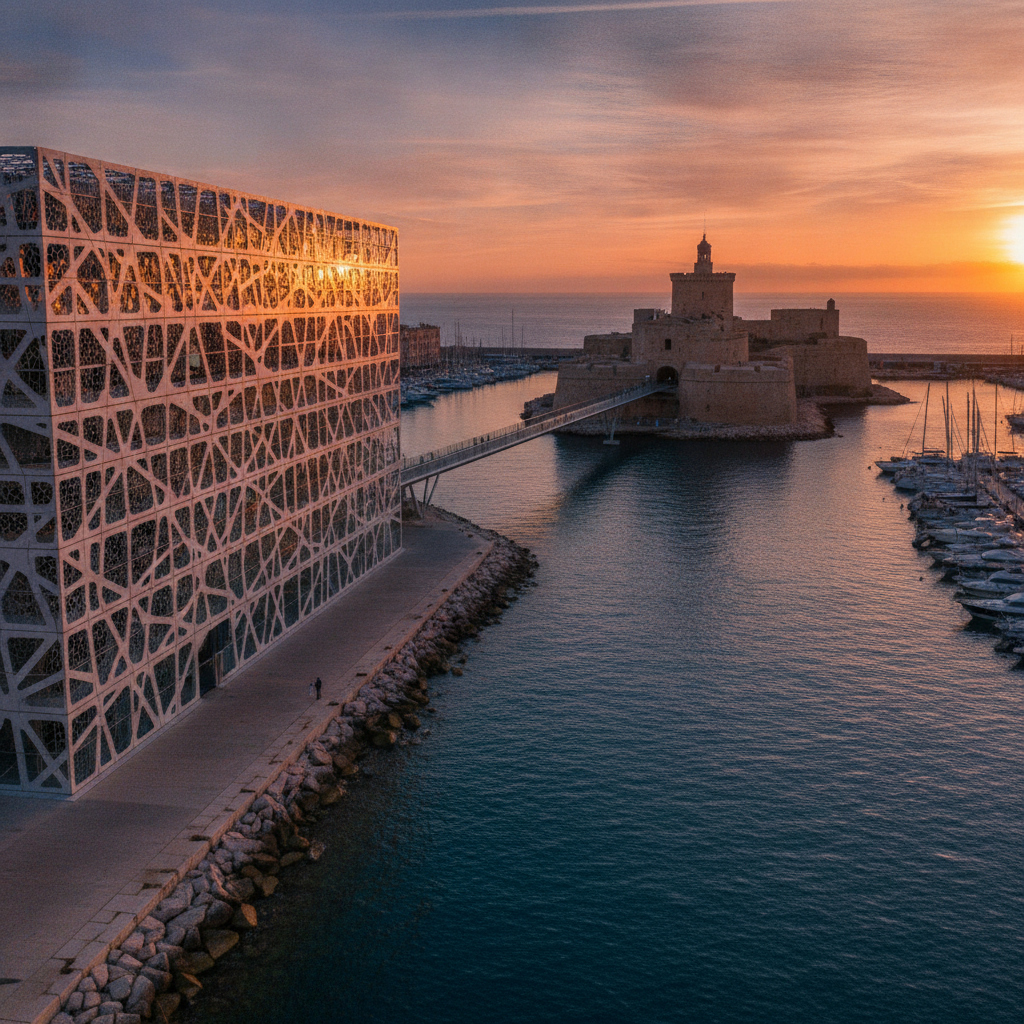
Vieux-Port (the Vieux-Port (Old Port) of Marseille — the most historically ancient continuously used single port in France, the Greek Massalia founded here in 600 BCE by the Phocaeans the most historically ancient single urban foundation on French soil, the Vieux-Port the most characteristically Mediterranean single French urban harbour): the Vieux-Port (the Vieux-Port — the most visually arresting single urban harbour in France, the rectangular natural harbour framed by the Fort Saint-Jean to the north and the Fort Saint-Nicolas to the south, the 3,000+ fishing boats and sailing yachts the most numerically boat-dense single French city harbour, the morning fish market (marché du poisson) on the quai des Belges the most specifically Mediterranean single daily fish market in France — the most theatrically animated single daily seafood retail in any French city at 8-1pm), the bouillabaisse (the bouillabaisse de Marseille — the most internationally famous single French seafood dish, the Marseillais fish stew using the rascasse (scorpionfish), the grondin (gurnet), the saint-pierre (John Dory), the vive (weever), and the conger eel as the 5 most specifically required single bouillabaisse fish species, the Charte de la Bouillabaisse (the 1980 Charter of Bouillabaisse listing the ingredients the recipe must contain — the most specifically legally-ingredient-defined single French dish), the Miramar at 12 quai du Port the most consistently Charte-compliant single bouillabaisse restaurant, the price (€50-80 per person the most expensive single French fish dish in terms of average restaurant spend)), the MuCEM (the Musée des Civilisations de l'Europe et de la Méditerranée (MuCEM) at 7 promenade Robert-Laffont — the most architecturally spectacular single French regional museum building, the Rudy Ricciotti latticed concrete structure connecting to the Fort Saint-Jean via a suspended bridge the most dramatically sea-view single museum building in France, the permanent collection the most comprehensively Mediterranean-civilisation-surveying single French museum, €11 adults), the Ferry (the Vieux-Port ferry — the most efficiently short single harbour crossing in France: the 3-minute boat ferry from the north quay to the south quay across the harbour mouth at €0.80 the most cost-effective single harbour crossing in any French city) and the Corniche (the Corniche Président John-Fitzgerald Kennedy — the most dramatically Mediterranean-coast-following single city promenade in France, the 5km coastal road from the Vieux-Port south past the Prophète beach, the Catalans beach, and the Malmousque inlet the most continuously Mediterranean-sea-view single coastal drive in any French city, the sunset from the Corniche the most atmospheric single daily natural event in Marseille).
- 2
Notre-Dame de la Garde — the Good Mother
Notre-Dame de la Garde (the Basilique Notre-Dame de la Garde (La Bonne Mère — 'The Good Mother') at Place Colonel Edon — the most comprehensively Marseille-identity-symbolising single building, the gilded Madonna on the 41m bell tower the most recognisable single silhouette in the Marseille skyline): the basilica (the Basilique Notre-Dame de la Garde — the 19th-century neo-Byzantine basilica on the highest point of Marseille at 154m above sea level, the most panoramically positioned single church in any French city, the view from the basilica the most 360°-complete single Marseille panorama: the Vieux-Port directly below, the Mediterranean islands (the Frioul archipelago, the Île d'If, the Ratonneau), the Calanques coast to the south, and the city spreading north to the etang de Berre plain, the most geographically comprehensive single view from any French city church), the ex-votos (the ex-votos in the basilica — the most extensively ex-voto-decorated single French church interior: 800+ maritime ex-votos, the most specifically sailor-and-fisherman-thanksgiving single French religious collection, the model ships hanging from the ceiling the most dramatically maritime single French church decoration, the painted ex-voto scenes depicting miraculous rescues at sea the most narratively vivid single French folk-art-and-religion collection), the La Bonne Mère (the popular name 'La Bonne Mère' (the Good Mother) — the most affectionately nicknamed single church in France, the most specifically Marseillais single popular expression of civic-religious identity, the gilded bronze Madonna (Notre-Dame de la Garde) at 9.7m the most gilded single standing religious statue in any French coastal city), the approach (the approach by the Vieux-Port to Notre-Dame footpath — the 30-minute steep climb through the Belsunce and the Noailles neighbourhoods the most aerobically demanding single Marseille sightseeing walk, the bus 60 from the Vieux-Port the most efficiently transported single alternative approach, €1.70 single, the most cost-efficient single Marseille church visit access), the mosaics (the Byzantine mosaics in the basilica interior — the most completely Byzantine-mosaic-decorated single French church interior, the gold-ground mosaics the most technically elaborate single religious interior in any French Mediterranean city) and the panorama view (the terrace panorama — the most all-direction single Marseille panorama, the view south to the Calanques and the Cape Canaille, west to the Frioul archipelago and the Château d'If, north to the Vieille-Charité and the Cathédrale de la Major, and east to the Étang de Berre and the Alps the most geographically comprehensive single 360° urban panorama in France).
- 3
The Calanques — the Mediterranean Limestone Fjords
Calanques (the Calanques de Marseille (Marseille Calanques) — the most dramatically limestone-cliff-enclosed single coastal landscape accessible on foot from any French city, the Parc National des Calanques (National Park) the most recently created and the most urban-adjacently-positioned single French national park): the national park (the Parc National des Calanques — created 2012, the most recently established single French national park, the only single French national park with a major city (Marseille, population 870,000) within its boundaries, the park covering 24km of the most dramatically turquoise-Mediterranean-cove-and-white-limestone-cliff coastal landscape in France, the most urban-accessible single French national park, the park entrance reachable by public transport from the Marseille Vieux-Port in 30 minutes by bus 21 to the Luminy campus), the Calanque de Morgiou (the Calanque de Morgiou — the most remotely accessed and the most atmospherically fishing-village-retained single Calanque accessible from Marseille, the small cabanon (fisherman's hut) settlement at the calanque the most specifically coastal-Provençal-fishing-hamlet single living heritage, the 1-hour walk from the Luminy campus the most aerobically demanding single Calanque approach from the city, the turquoise water the most photographically Mediterranean single Calanque swimming spot), the Calanque d'En-Vau (the Calanque d'En-Vau — the most dramatically cliff-enclosed single Calanque accessible from Marseille, the 200m limestone walls enclosing the 300m inlet the most vertically dramatic single Calanque, the most technically demanding single rock-climbing site in the Marseille Calanques with 500+ climbing routes, the clear turquoise water at the calanque floor the most spectacularly turquoise single Mediterranean swimming cove in the park), the Calanque de Cassis (the Calanques de Cassis 25km east — the most comprehensively boat-tour-accessible single Calanque cluster, the Port-Miou, Port-Pin, and En-Vau calanques accessible by the Cassis boat tour the most efficiently Calanque-visiting single boat circuit, the Cassis boat tour from the Cassis port €18 adults), the practical (the Calanques practical: the access by foot from Luminy (bus 21 from the Vieux-Port, 30 minutes); July-August the most fire-risk-restricted single national park period in France with the evening hiking ban between 11am and 5pm; the Calanques accessible by kayak from the Prado beach the most independently adventurous single Calanques access method; the most sunscreen-required single outdoor activity from any French city) and the geology (the Calanques geological heritage — the limestone formations the most comprehensively Jurassic-and-Cretaceous single coastal rock sequence in France, the caving system beneath the Calanques including the Grotte Cosquer (the most dramatically underwater-entrance-accessing single French prehistoric cave — the entrance now 37m below sea level since the post-glacial sea level rise, the cave containing the oldest single representation of penguins in any prehistoric cave art, UNESCO World Heritage consideration) the most specifically prehistoric-art-submarine-access single French archaeological site).
- 4
The Panier — Marseille's Oldest Neighbourhood
Le Panier (the Panier neighbourhood — the oldest continuously inhabited single urban neighbourhood in France, the Greek Massalia founded here in 600 BCE, the most historically ancient single urban community on French soil): the neighbourhood (the Panier — the most characterfully ungentrified single central neighbourhood in any major French city, the steep cobbled streets and the colourful ochre-and-blue-painted facades the most specifically Provençal single French urban streetscape, the neighbourhood above the Vieux-Port to the north the most atmospherically traditional and the most photogenically coloured single Marseille neighbourhood, the Cours Julien to the south the most specific street art quarter), the Vieille-Charité (the Centre de la Vieille-Charité at 2 rue de la Charité — the 17th-century baroque hospice for the poor (designed by Pierre Puget) the most architecturally perfectly proportioned single Baroque courtyard building in any French Mediterranean city, the elliptical church dome the most specifically Puget-Baroque single architectural element in Marseille, now the most comprehensively archaeological-and-anthropological-museum-housing single former hospice in France: the Musée d'Archéologie Méditerranéenne and the Musée des Arts Africains, Océaniens et Amérindiens, €6 adults), the street art (the Panier and the Cours Julien street art — the most comprehensively street-art-decorated single French city neighbourhood, the Cours Julien quarter the most specifically mural-and-stencil-covered single French street art district after Paris's Belleville, the CitéCréation programme the most comprehensively large-format single French mural commissioning organisation (based in Lyon but with major Marseille works)), the Cathédrale de la Major (the Cathédrale Sainte-Marie-Majeure (Cathédrale de la Major) at Place de la Major — the most dramatically sea-view-positioned single cathedral in France, the 19th-century neo-Byzantine cathedral the most architecturally conspicuously positioned single French Mediterranean cathedral, the striped polychrome stone facade the most striking single alternating-stone-colour French cathedral exterior, free entry), the Hospices de Marseille (the Hôtel-Dieu de Marseille on the Vieux-Port — the most historically ancient single Marseille hospital, founded by the Brothers Hospitaliers in 1640, the most dramatically Vieux-Port-view-positioned single historic hospital in any French city, now converted to a luxury hotel) and the daily life (the daily Panier neighbourhood life — the most authentically Marseillais single daily-life neighbourhood experience in the city, the boulangerie at 7h00, the pétanque on the Place du Moulin, and the neighbours shouting between the windows the most specifically Mediterranean single French urban social ritual, the Sunday morning Cours Julien flea market the most eclectically stocked single outdoor market in the Marseille centre).
- 5
The Château d'If and the Frioul Archipelago
Château d'If (the Château d'If and the Frioul archipelago — the most internationally romantically fictional-heritage-associated single French island prison fortress, the most visited single island day trip from any French Mediterranean city): the Château d'If (the Château d'If on the Île d'If 1.5km from the Vieux-Port — the island fortress built 1527-1529 by François I, converted to a state prison from 1580, the most internationally literature-heritage-associated single French prison (the Count of Monte Cristo imprisoned here in Alexandre Dumas's novel of 1844 — the most specifically single French prison building immortalised in world literature), the Edmond Dantès cell (the cell labelled as that of Edmond Dantès — the most specifically fictional-prison-cell-tourist-visited single room in any real French fortress, the most internationally requested single 'show me the fictional room' heritage experience in France), the real prisoners (the real political prisoners of the Château d'If — the Protestant Huguenots after the revocation of the Edict of Nantes (1685) the most historically tragic single prisoner population, the 3,500 imprisoned the most specifically anti-Protestant incarceration single event in the Château d'If history, the Mirabeau — the Revolutionary orator imprisoned here in 1774 the most specifically pre-Revolutionary single political prisoner)), the boat (the boat to the Château d'If and the Frioul archipelago from the Vieux-Port (Quai des Belges) — the Frioul-If Express ferry the most efficient single island access from the Marseille Vieux-Port, the 20-minute crossing at €12 return the most cost-efficiently romantic single Marseille sea excursion), the Frioul archipelago (the Frioul archipelago (Île Ratonneau and Île Pomègues) adjacent to the Île d'If — the most dramatically white-limestone-and-turquoise-water single Mediterranean island landscape accessible from any major French city, the Frioul port the most unexpectedly remote-feeling single marine environment 3km from a city of 870,000, the snorkelling in the Port de la Pomègues the most crystal-clear single underwater experience accessible from Marseille) and the calanque de Morgiou by sea (the sea approach to the Calanques by kayak from the Prado beach or by boat from the Vieux-Port — the most dramatically cliff-from-water-level single Calanques experience, the sheer 200m limestone walls visible from sea level the most vertically overwhelming single sea-level view of the Calanques, the most adventurously independent single Marseille coastal experience).
- 6
Marseille Practical — the City Card, Getting There and the Bouillabaisse
Marseille practical guide (the essential visitor logistics for Marseille — the most distinctively Mediterranean single French city, the most historically ancient French city, and the most culinarily specific single French city for a single dish): the transport (the Marseille transport: the Paris Gare de Lyon to Marseille Saint-Charles by TGV in 3h15 at €40-120 (advance booking required, the most price-variable single TGV route for the last-minute traveller); the Marseille Provence Airport at Marignane 30km northwest, the Navette Marseille airport shuttle bus to the Saint-Charles station in 25 minutes at €10 the most cost-efficient single airport transfer in France; the Marseille métro lines M1 and M2 the most compact single 2-line French city metro system, the bus 21 to the Luminy Calanques access point the most specifically Calanques-useful single Marseille bus route, the 24-hour Liberté transport pass at €7 the most cost-efficient single Marseille transport purchase), the Marseille City Pass (the Marseille City Pass at €27 for 24 hours or €35 for 48 hours — the most comprehensively attraction-including single Marseille visitor card: the MuCEM, the Vieille-Charité, the Notre-Dame de la Garde bus, the Château d'If boat, and the unlimited transport, the most cost-efficiently stacked single Marseille visitor purchase for the 3+ attraction visitor), the bouillabaisse (the bouillabaisse restaurant guide — the Charte de la Bouillabaisse restaurants: the Miramar at 12 quai du Port the most consistently authentic single bouillabaisse restaurant in Marseille (the most long-established single bouillabaisse institution on the Vieux-Port), the Chez Fonfon at 140 vallon des Auffes the most atmospherically calanque-positioned single bouillabaisse restaurant in Marseille, the Péron at 56 Corniche Kennedy the most sea-view single bouillabaisse terrace in the city, the price (€50-80 per person, 2 services: the rouille-and-crouton broth course then the fish course — the most specifically 2-service-formatted single French restaurant dish)), the Vallon des Auffes (the Vallon des Auffes — the most atmospherically traditional single fishing inlet in Marseille, the 100m pebble beach surrounded by the cabanons (fishermen's huts) the most photogenically 'old Marseille' single urban landscape, the Chez Fonfon restaurant the most specifically vallon-des-Auffes-atmosphere-defining single restaurant, accessible from the Corniche by the footbridge) and the seasons (the best time to visit Marseille: April-June and September-October for the best Calanques weather without the summer crowds and the fire restrictions; July-August the Calanques most crowded and access restricted in the fire season; the mistral wind (the most specifically Provençal single meteorological feature — the cold north wind funnelled down the Rhône Valley reaching 80-100km/h) blowing most frequently from November to March, the most atmospherically dramatic single Marseille weather event, the mistral clearing the sky to the most brilliantly blue single Mediterranean winter clarity).
Walk this route with audio
Stories play automatically as you reach each stop — no tapping needed.
More in marseille
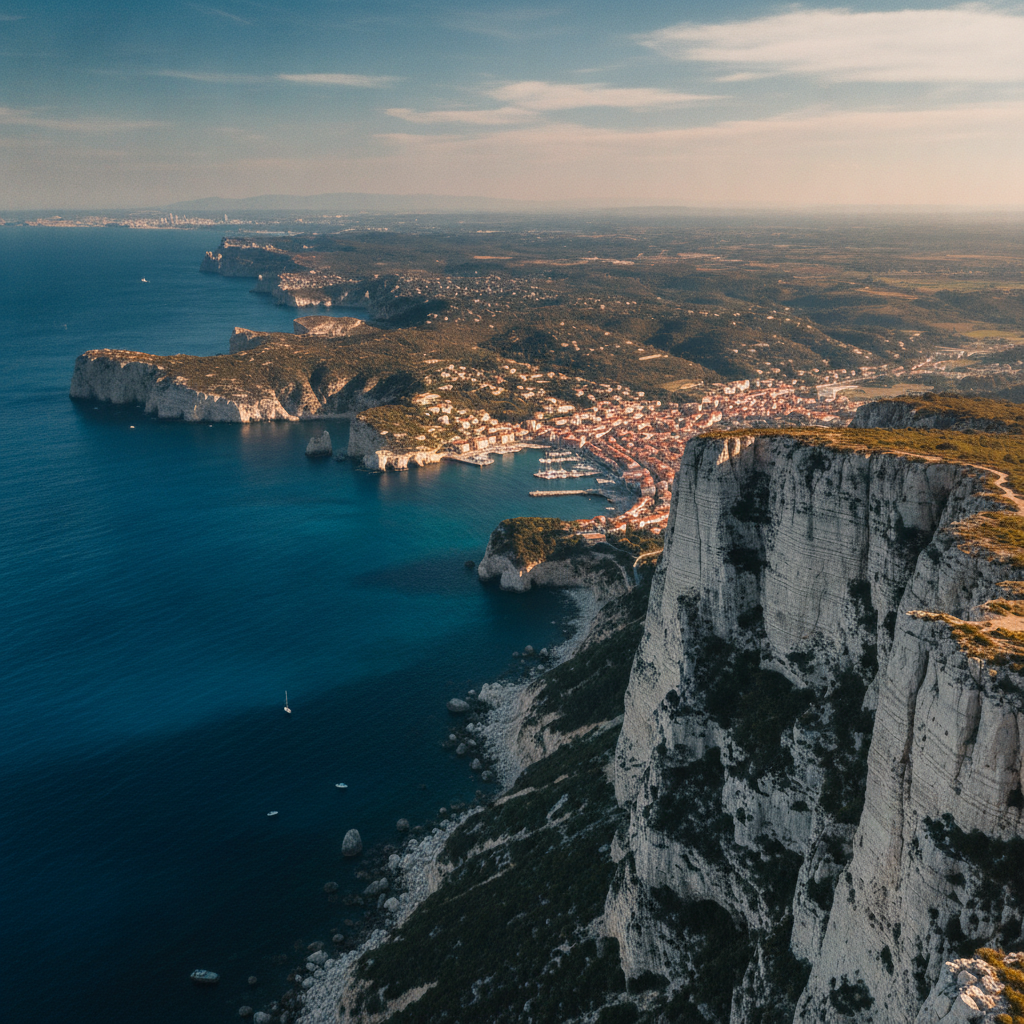
Marseille — Cassis & the Calanques by Boat, the Northern Districts, Jewish Heritage, the Sainte-Baume Pilgrimage & the Complete Practical Guide
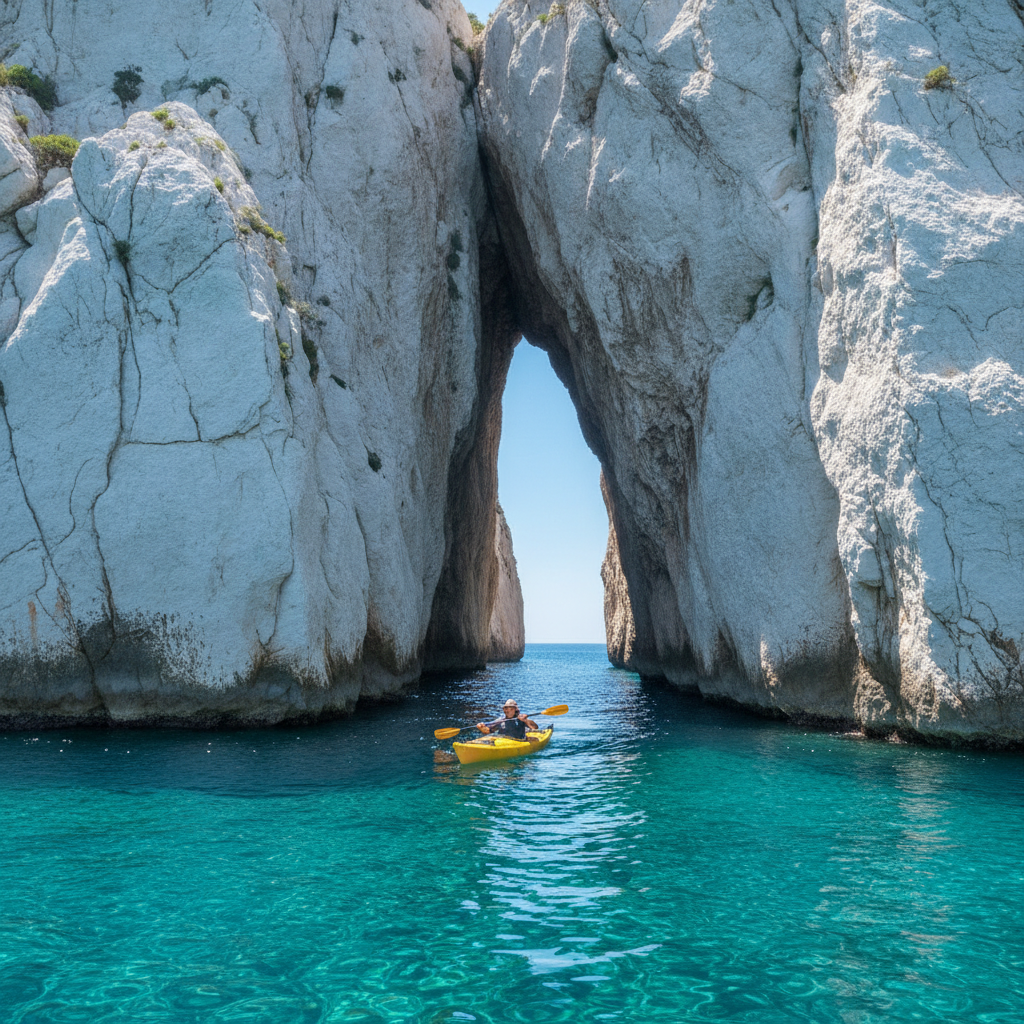
Marseille — Calanques by Kayak, Aix-en-Provence & Cézanne, the Bouillabaisse Charter, Marseille Neighbourhoods, Savon de Marseille & the 2013 ECoC Legacy
Marseille — Provençal Food, the Camargue & Saintes-Maries Pilgrimage, Urban Cycling, the Performing Arts & the Calanques by Night
Marseille — MuCEM, the Cours Julien, the Fish Market, Greek Massalia, City Beaches & the Mediterranean Identity