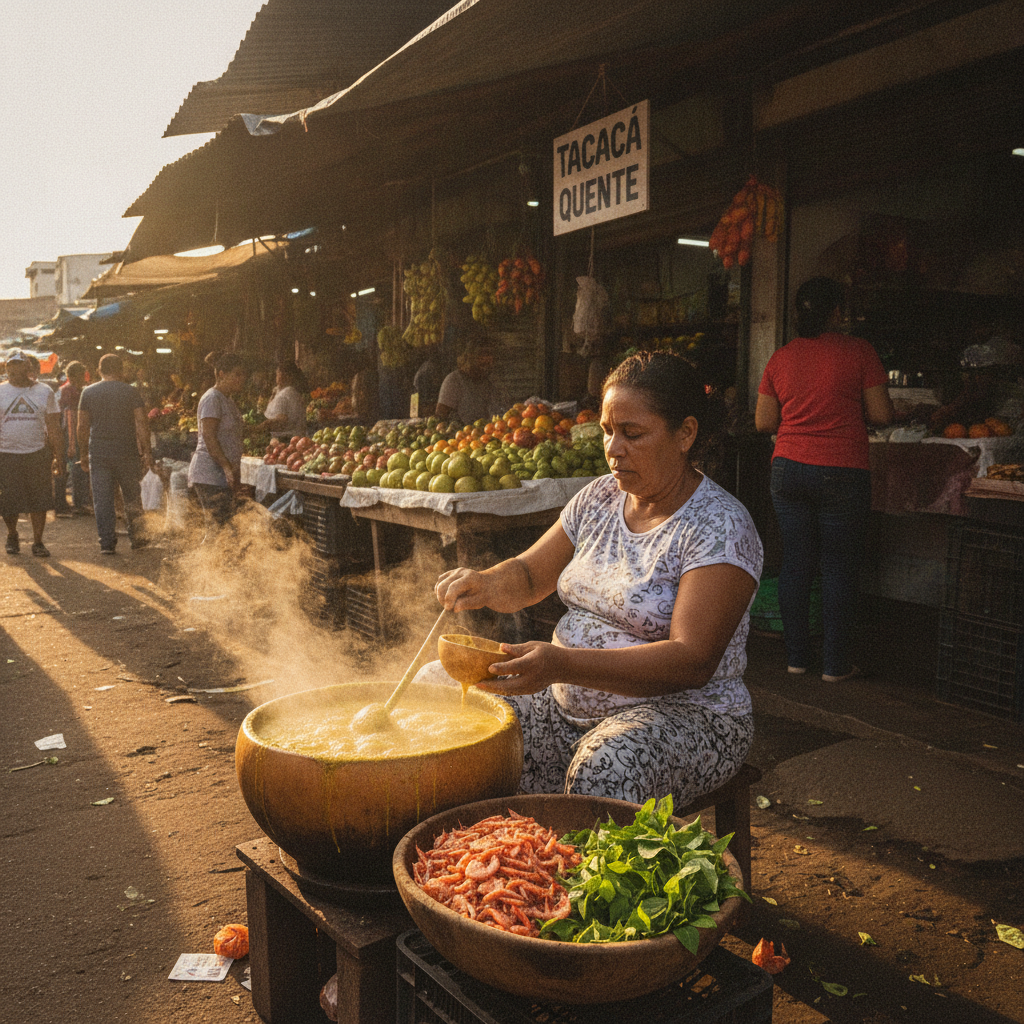
Manaus: The Meeting of the Waters, Amazon Jungle Lodges, the Opera House, and the Pink Dolphin
Manaus, the Amazon metropolis of two million people in the center of the largest rainforest on Earth, is the gateway to the Amazon River ecosystem and its extraordinary wildlife, the famous meeting of the dark and muddy rivers, and the Teatro Amazonas opera house built at the peak of the rubber boom.
- 1
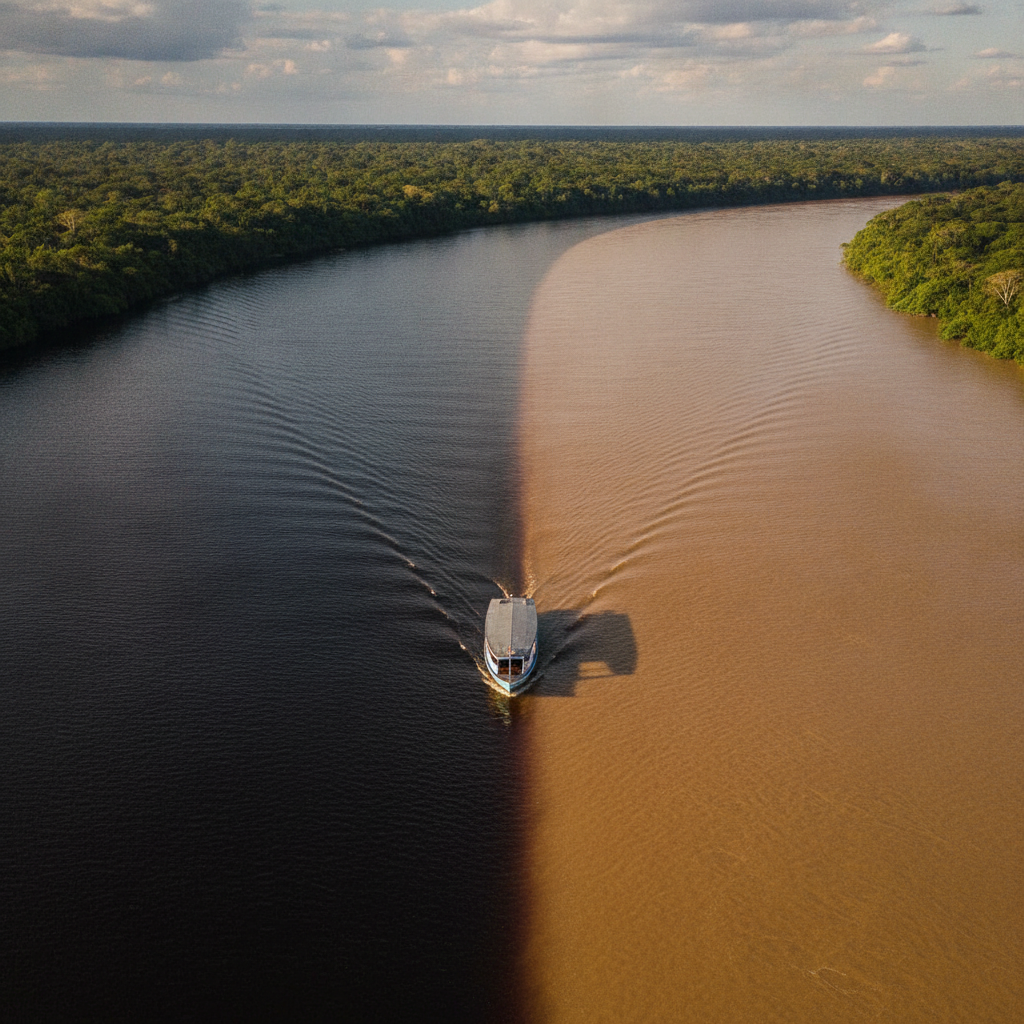
The Meeting of the Waters: Rio Negro and Rio Solimoes
The encontro das aguas, where the dark-water Rio Negro and the muddy-brown Rio Solimoes flow side by side without mixing for approximately 6 kilometers before finally combining into the Amazon River proper, is the most dramatic visible natural phenomenon in the Amazon Basin and the most visited single attraction accessible from Manaus by boat. The difference in color, temperature, acidity, and flow speed between the two rivers maintains their separation in a visual boundary that defines the Amazon's complexity.
- 2
Amazon Rainforest Immersion: Jungle Lodges
The jungle lodge circuit accessible from Manaus, which positions visitors in floating or elevated lodges within the Amazon rainforest for two to four nights of guided walks, canoe excursions, piranha fishing, and nighttime wildlife observation, provides the most complete immersion in the Amazon ecosystem available to visitors anywhere in the Brazilian Amazon. The lodges along the Rio Negro north of Manaus and in the Juma reserve south of the city are the most developed circuits.
- 3
Teatro Amazonas: The Opera House in the Jungle
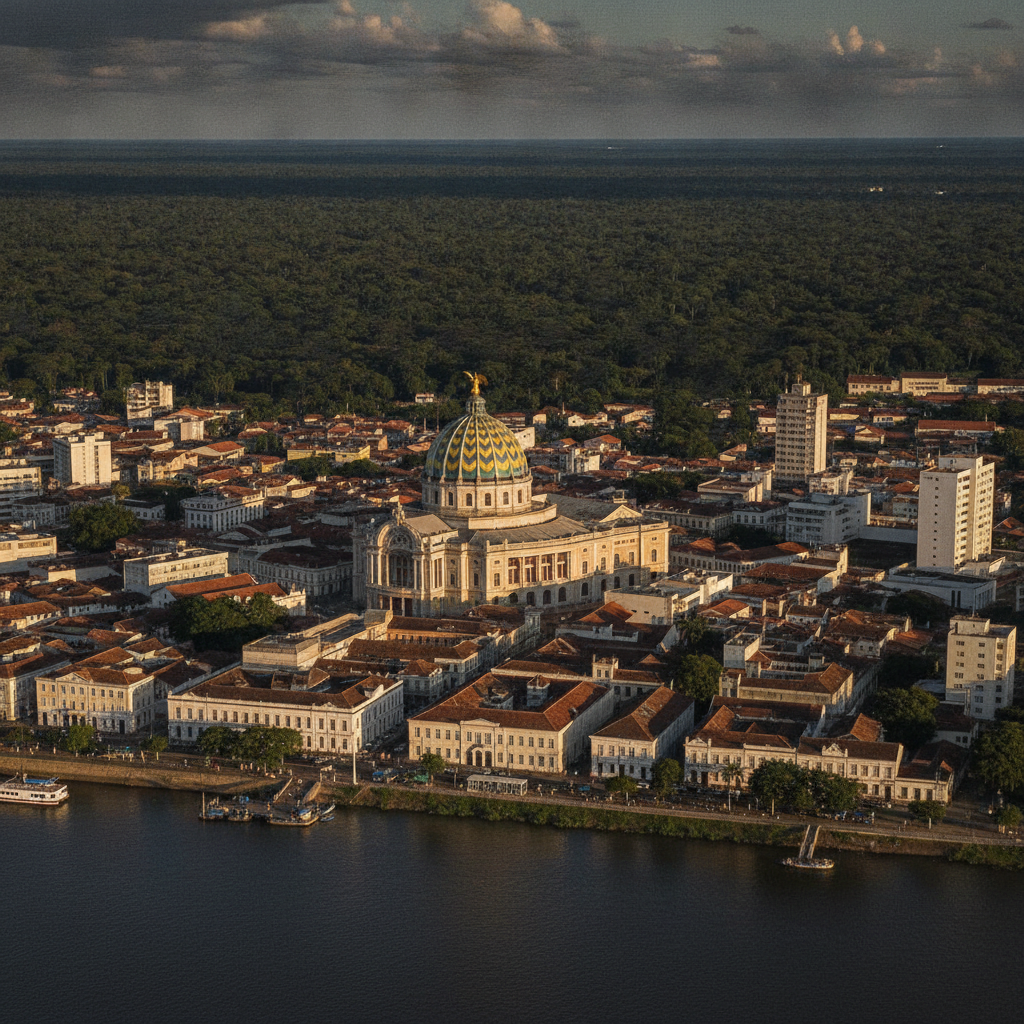
The Teatro Amazonas, built from 1884 to 1896 at the height of the rubber boom with materials imported entirely from Europe including the Portuguese marble, Italian murals, and the distinctive dome tiles painted in the Brazilian flag colors, is the most astonishing piece of architecture in the Amazon Basin and the symbol of the extraordinary wealth and hubris of the rubber economy that built a European opera house in the middle of the equatorial forest. The opera house is in continuous use for performances.
- 4
Amazon River Dolphin: The Pink Boto
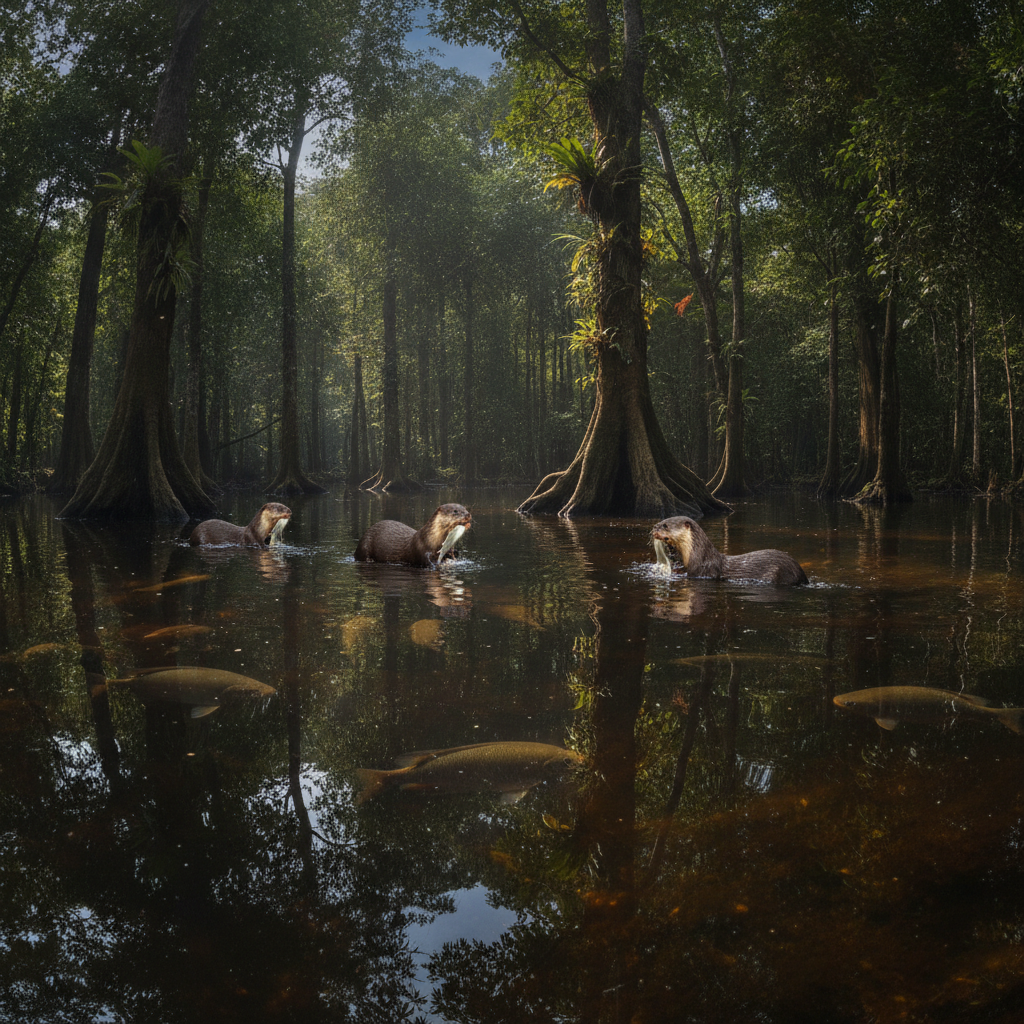
The boto cor-de-rosa, the Amazon River dolphin whose adult males are entirely pink, inhabits the river systems of the Amazon Basin and is the subject of the most elaborate and culturally significant indigenous legend of the Amazon, in which the boto transforms into a handsome young man who seduces young women at riverside festivals. The river dolphin sightings are most reliable in the lake systems and tributary rivers around Manaus where the fish population that the dolphins follow is most concentrated.
- 5
Anaconda and Amazon Wildlife: Night Caiman Spotting
The Amazon wildlife accessible from Manaus on organized lodge excursions includes the green anaconda in the flooded forest margins, caiman spotting by flashlight from canoes at night in the black water lakes, the electric eel, and the arapaima the largest freshwater fish in the world weighing up to 200 kilograms. The wildlife encounters are governed by the flood season, with the high-water period from February to July flooding the forest and making canoe access through the tree canopy possible.
- 6
Indigenous Communities: The Peoples of the Rio Negro
The indigenous communities of the Rio Negro, including the Tukano, Desana, Barasana, and dozens of other peoples of the Vaupés Basin who practice the traditional ecological knowledge of the Amazon forest, are accessible from Manaus through community-based tourism programs that balance the economic benefit of visitor encounters with the cultural integrity of communities that have maintained their forest-based lifeways through the rubber boom, the 20th century colonization, and the contemporary deforestation pressures.
Walk this route with audio
Stories play automatically as you reach each stop — no tapping needed.
More in Manaus
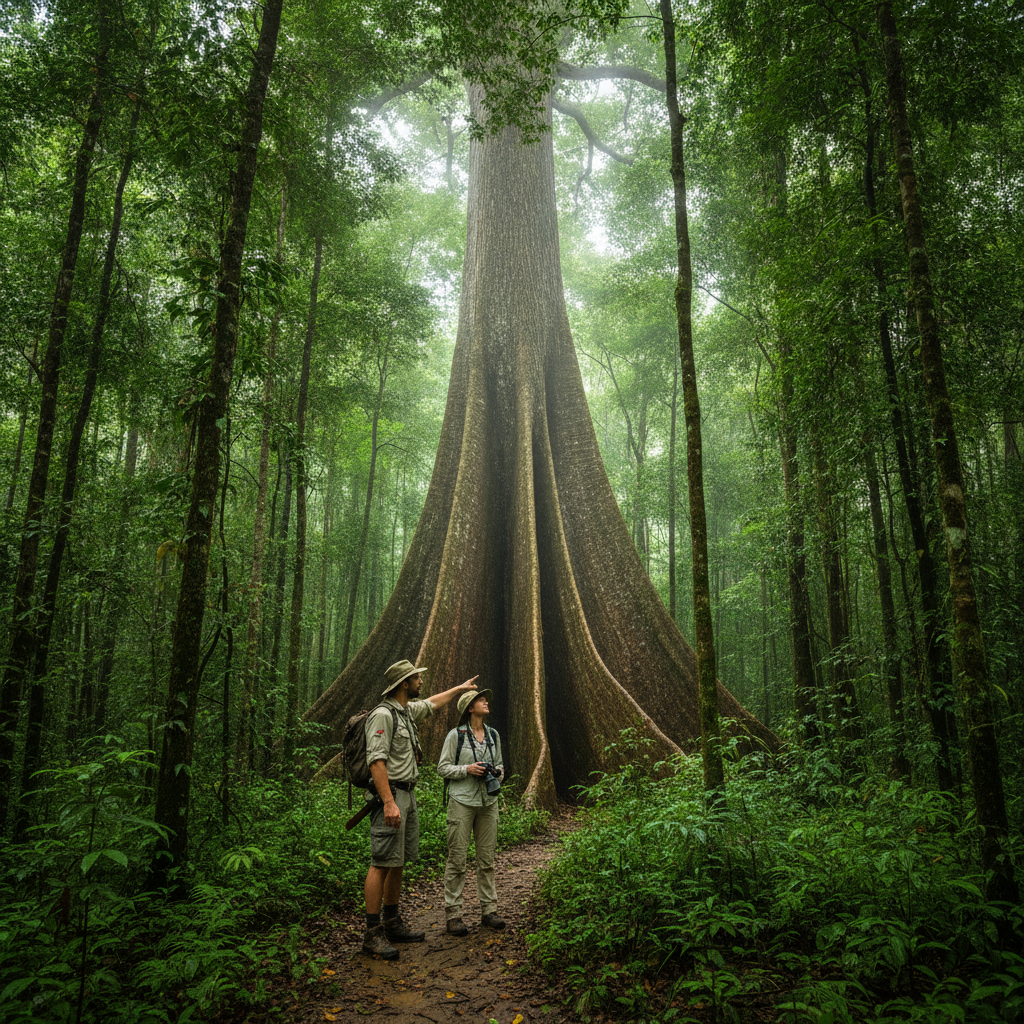
Manaus Jungle Guide: Survival Skills, Health Preparation, Responsible Operators, and the Amazon at Risk
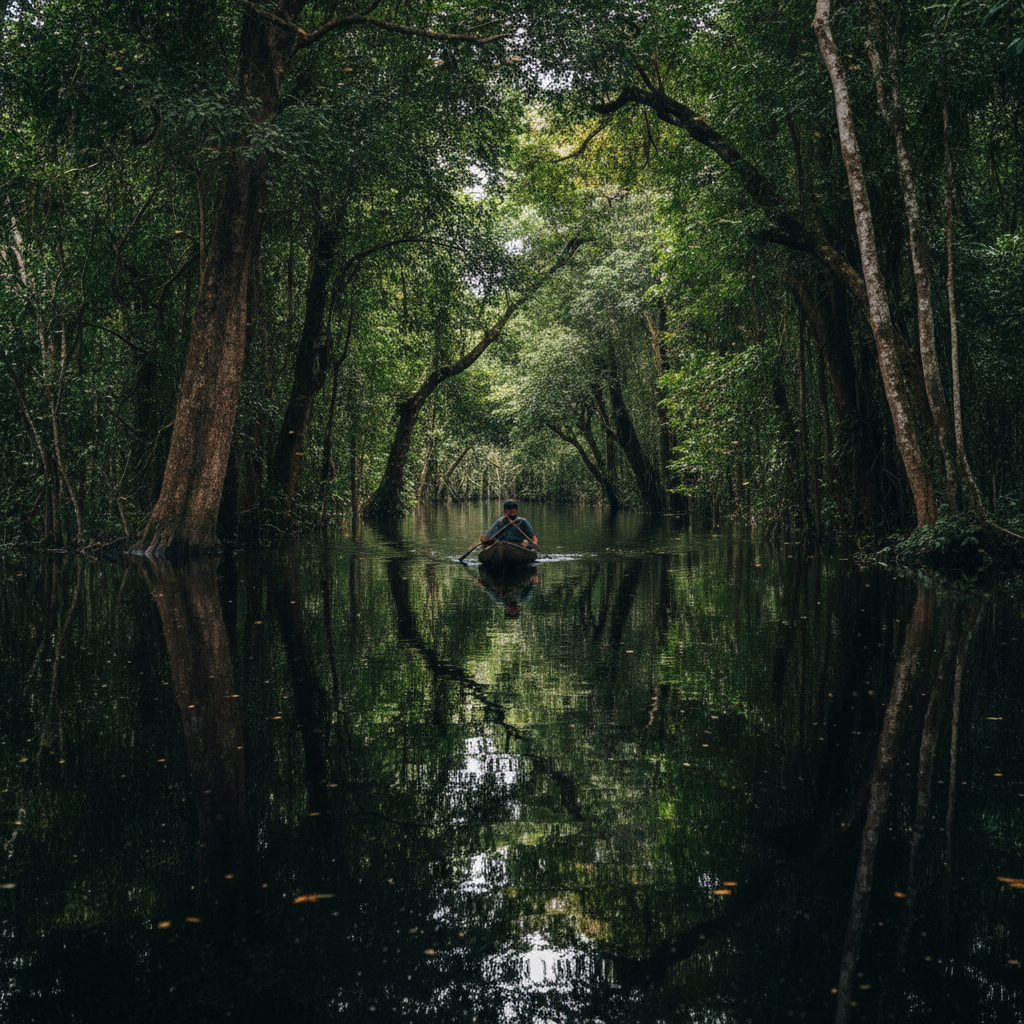
Manaus Practical Guide: Airport, Amazon Seasons, Choosing a Jungle Lodge, and the River Cruise to Belem
Manaus History: The Rubber Boom, Fordlandia, Amazon Science, and the Industrial Free Trade Zone
Amazon Conservation and Wildlife: Deforestation, Yanomami Rights, the Flooded Forest, and the Species Kingdom
Amazon Nature Close-Up: Giant Water Lilies, Capybara, Sloths, Brazil Nuts, and Photography in the Tropics