Manaus Food and Culture: Tacacá, Pirarucu, Guaraná, and the Parintins Boi Bumba Festival
The food and cultural traditions of Manaus and the Amazon region express the profound adaptation of human culture to the river ecosystem, from the lip-numbing jambu herb in the tacacá to the floating community life of the ribeirinhos and the spectacular Parintins Boi Bumba theatrical festival.
- 1
Amazon Food: Tacacá, Pirarucu, and River Fruits
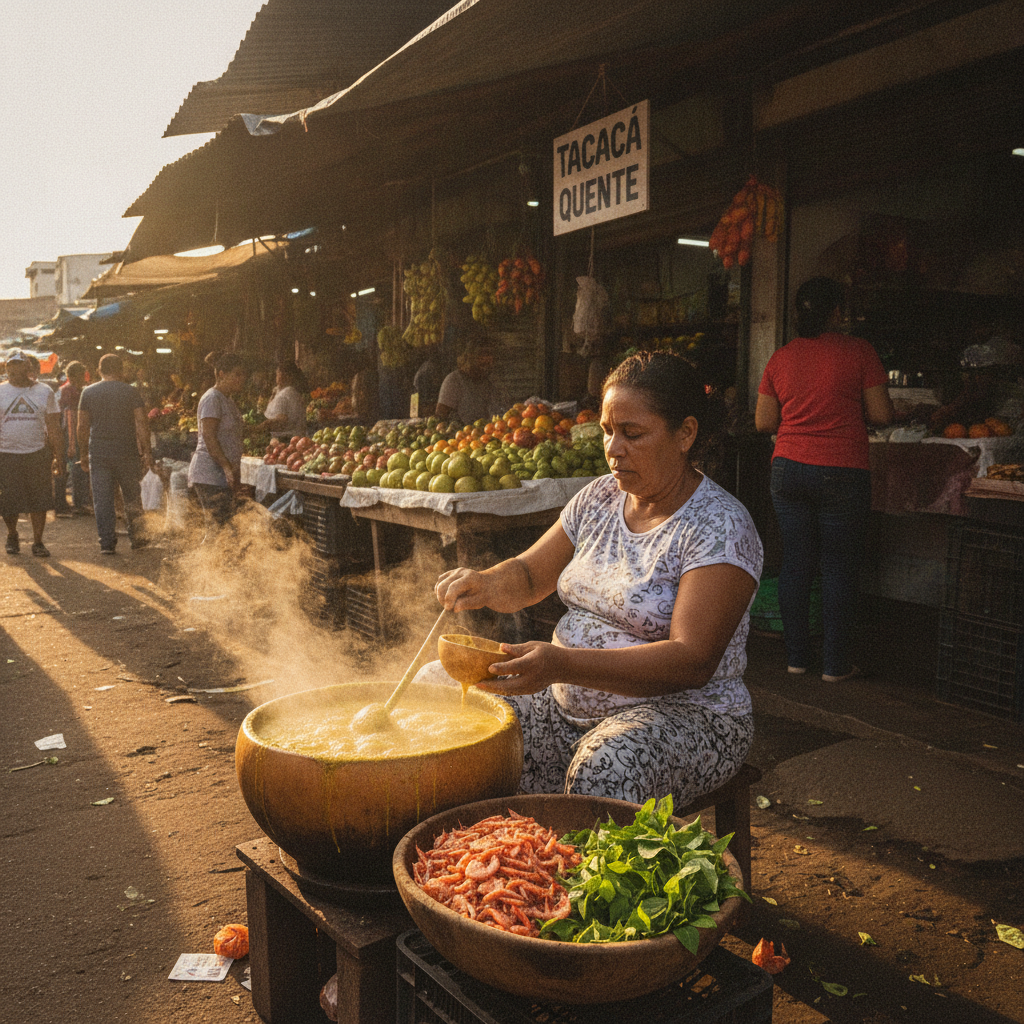
The Amazon regional cuisine of Manaus centers on tacacá, the hot broth of tucupi yellow manioc liquid with dried shrimp and the jambu herb that produces a numbing sensation on the lips and tongue, pirarucu, the enormous freshwater fish that is salted and dried in the river communities and served fried or in moqueca, and the extraordinary diversity of Amazon fruits including cupuacu, pupunha palm heart, acai, and the tucuma fruit that is the base of the most popular regional sandwich.
- 2
Cachaça de Jambu: The Amazon Spirit
The jambu herb, which grows in the flooded margins of the Amazon tributaries and produces the characteristic tingling numbness on contact with the mouth, is the defining botanical flavor of the Amazon cuisine and the ingredient that makes the tacacá and the regional cocktails of Manaus distinctly impossible to replicate elsewhere. The jambu caipirinha and the jambu-infused cachaça are the signature cocktails of the Amazon food scene.
- 3
Festival do Guaraná: The Amazon Energy Fruit
Guaraná, the Amazonian climbing plant whose seed has one of the highest caffeine concentrations of any plant and is the source of the distinctive Brazilian guaraná soft drink, is cultivated commercially in the Amazon but originates in the indigenous food systems of the Sateré-Mawé people of the Rio Maues tributary. The Sateré-Mawé community-managed guaraná program is one of the models for indigenous cultural heritage and food sovereignty in the Brazilian Amazon.
- 4
River Community Life: The Ribeirinhos
The ribeirinho riverside communities of the Amazon floodplain, whose residents live on floating houses that rise and fall with the annual flood cycle, maintain a way of life adapted to the rhythms of the river that is increasingly under pressure from both the development of the urban Amazon economy and the changing flood patterns associated with climate warming. Visits to ribeirinho communities from Manaus provide the most authentic encounter with the living culture of the Amazon river people.
- 5
Amazon Swimming: Black Water Beaches
The black water beaches of the Rio Negro that emerge during the low-water season from September to March, with their fine white sand and the clear dark acidic water that is virtually free of both biting insects and parasites, provide the finest river swimming environment in the Amazon Basin. The Ponta Negra beach in Manaus and the more remote beaches of the upper Rio Negro accessible by boat are the primary swimming destinations of the Manaus population.
- 6
Boi Bumba: The Amazon Carnival
The Festival de Parintins, held annually in the river city of Parintins 369 kilometers east of Manaus on the last weekend of June, is the second largest cultural festival in Brazil after the Rio Carnival, featuring the two rival boi bumba groups Garantido and Caprichoso competing in a purpose-built arena with theatrical presentations of the Amazon indigenous mythology combining enormous mechanized stage sets, hundreds of costumed performers, and the extraordinary choreographic discipline of the Amazon popular theater tradition.
Walk this route with audio
Stories play automatically as you reach each stop — no tapping needed.
More in Manaus
Manaus Jungle Guide: Survival Skills, Health Preparation, Responsible Operators, and the Amazon at Risk
Manaus Practical Guide: Airport, Amazon Seasons, Choosing a Jungle Lodge, and the River Cruise to Belem
Manaus History: The Rubber Boom, Fordlandia, Amazon Science, and the Industrial Free Trade Zone
Amazon Conservation and Wildlife: Deforestation, Yanomami Rights, the Flooded Forest, and the Species Kingdom
Amazon Nature Close-Up: Giant Water Lilies, Capybara, Sloths, Brazil Nuts, and Photography in the Tropics