Amazon Conservation and Wildlife: Deforestation, Yanomami Rights, the Flooded Forest, and the Species Kingdom
The Amazon ecosystem around Manaus faces an existential conservation crisis while simultaneously containing the most biodiverse terrestrial and freshwater environment on Earth, from the jaguar and giant river otter to the 1,200 bird species and the invaluable medicinal plant knowledge of the indigenous peoples.
- 1
Deforestation: The Amazon Crisis
The Amazon deforestation crisis, which has removed approximately 20 percent of the original forest cover through cattle ranching, soy farming, illegal logging, and mining operations concentrated in the arc of deforestation along the southern and eastern Amazon margins, is the most significant environmental emergency in South America and one of the most critical factors in global climate change through the carbon release and the disruption of the Amazon's rainfall generation system.
- 2
Yanomami Crisis: The Indigenous Rights Emergency
The Yanomami people, the largest relatively isolated indigenous group in the Americas with approximately 35,000 individuals in the Venezuela-Brazil border region north of Manaus, experienced a humanitarian crisis in 2022 and 2023 from illegal gold mining invasions that brought disease, violence, and starvation to communities that had maintained their forest-based lifeways into the 21st century. The Yanomami crisis brought global attention to the connection between indigenous rights and Amazon conservation.
- 3
Flooded Forest: The Varzea and Igapo Ecosystems
The Amazon floodplain forests, which are inundated for four to six months each year as the river rises up to 15 meters above the low-water mark, support specialized ecosystems of flood-adapted trees, fish species that disperse seeds by eating fruit directly from submerged branches, and the aquatic mammals and reptiles that colonize the flooded forest as the water rises. The flooded forest accessible by canoe from Manaus during the high-water season is one of the most extraordinary ecological environments on Earth.
- 4
Amazon Fauna: Jaguar, Tapir, and the Forest Giants
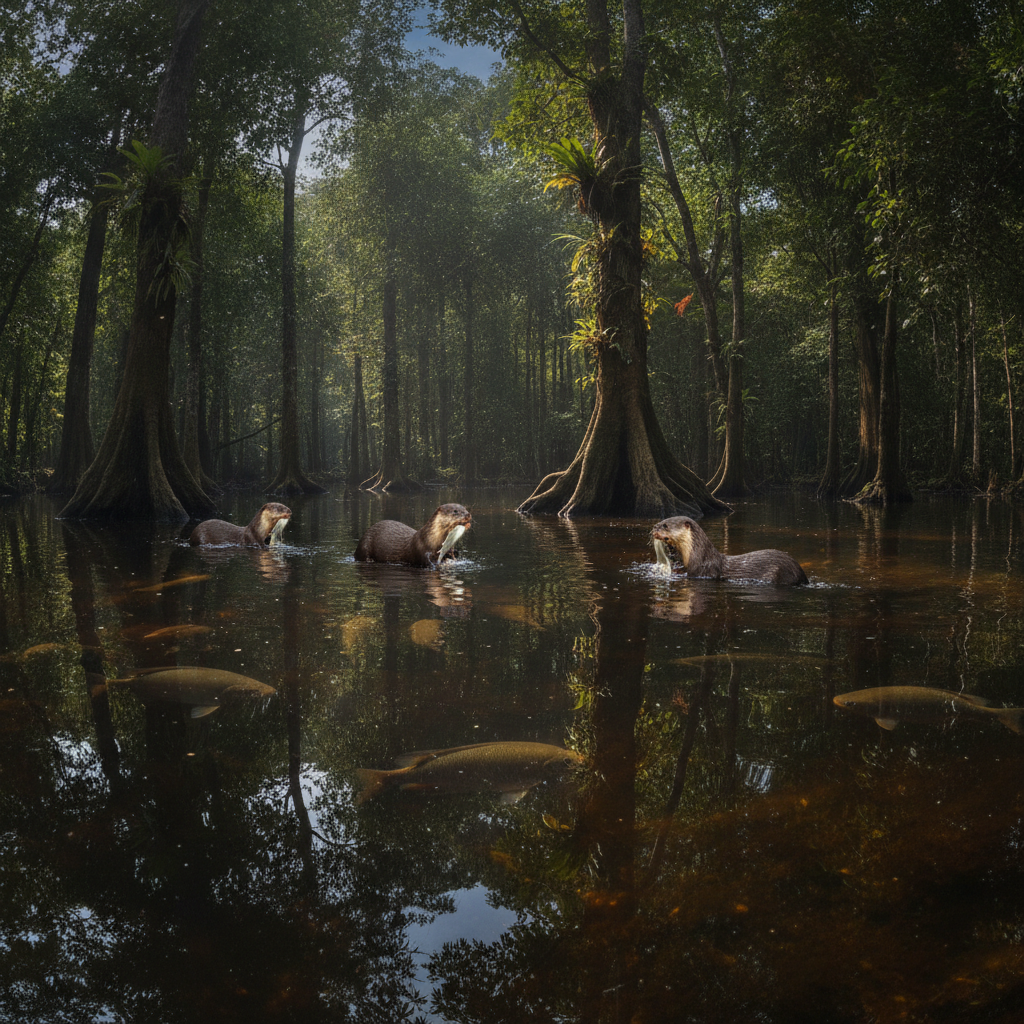
The Amazon fauna of Manaus includes the jaguar, the largest felid in the Americas and the apex predator of the forest, the lowland tapir, the giant river otter, the giant anteater, and hundreds of primate species including the endangered uakari monkey and the howler monkey. The Mamiraua Reserve south of Manaus on the Rio Jurua is the best-managed wildlife reserve in the Brazilian Amazon for jaguar sightings from floating lodges.
- 5
Amazon Birdwatching: The Species Capital of the World
The Amazon Basin around Manaus contains more bird species per unit area than any equivalent region on Earth, with more than 1,200 species recorded in Amazonas state including the harpy eagle, the world's most powerful bird of prey, and the extraordinary diversity of tanagers, macaws, toucans, and hummingbirds that constitute the visual spectacle of the Amazon forest birdlife. The INPA campus and the forest reserves along the Manaus-Porto Velho highway are the most accessible birdwatching areas.
- 6
Medicinal Plants: The Amazon Pharmacy
The indigenous pharmacopoeia of the Amazon, developed over millennia of practical knowledge by the peoples of the forest, contains thousands of plant species with documented medicinal properties including the ayahuasca vine used in healing ceremonies, the curare arrow poison that became the basis of modern muscle relaxants, and the sap of the cat's claw vine with its anti-inflammatory properties. The ethno-botanical knowledge of the Amazon is one of the most significant intellectual assets in the world and is at risk as the indigenous peoples who hold it face cultural and physical displacement.
Walk this route with audio
Stories play automatically as you reach each stop — no tapping needed.
More in Manaus
Manaus Jungle Guide: Survival Skills, Health Preparation, Responsible Operators, and the Amazon at Risk
Manaus Practical Guide: Airport, Amazon Seasons, Choosing a Jungle Lodge, and the River Cruise to Belem
Manaus History: The Rubber Boom, Fordlandia, Amazon Science, and the Industrial Free Trade Zone
Amazon Nature Close-Up: Giant Water Lilies, Capybara, Sloths, Brazil Nuts, and Photography in the Tropics
Manaus Food and Culture: Tacacá, Pirarucu, Guaraná, and the Parintins Boi Bumba Festival