Machu Picchu Wildlife and Cloud Forest Ecology
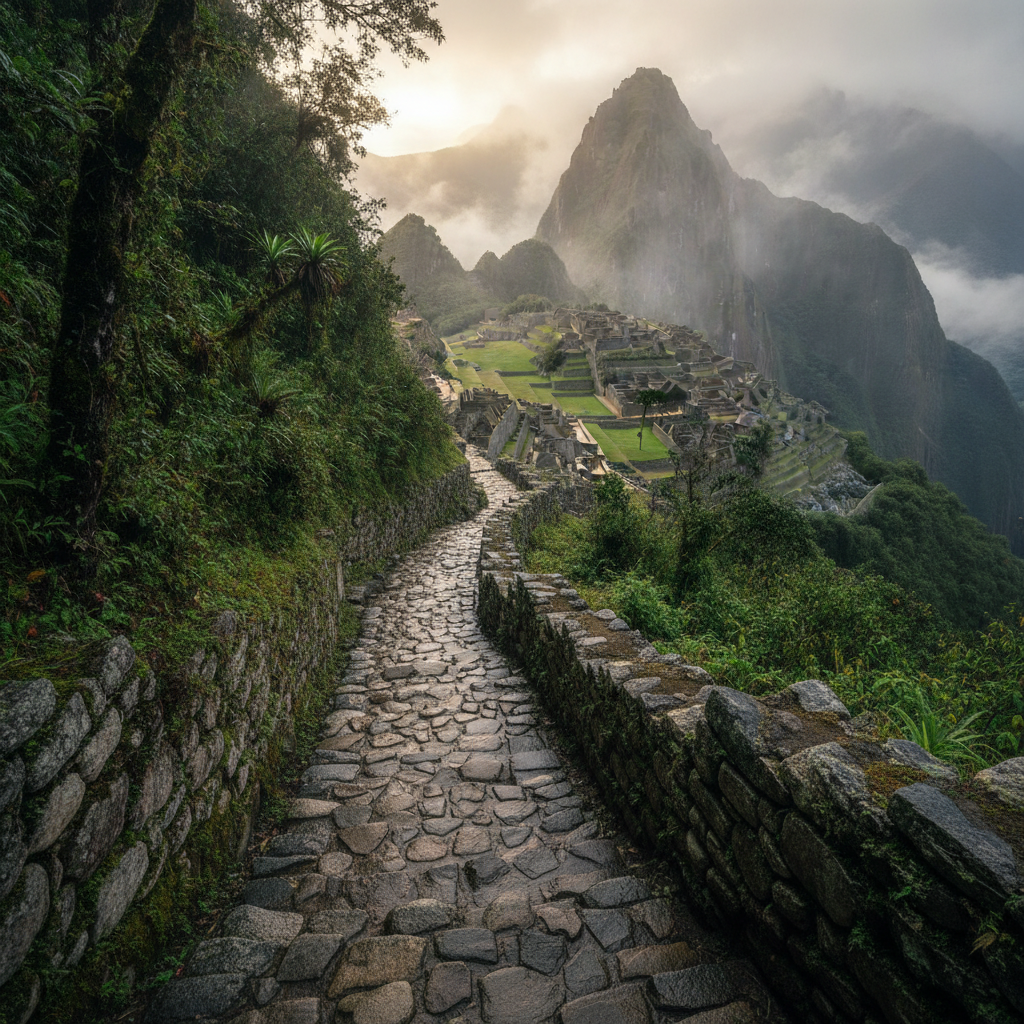
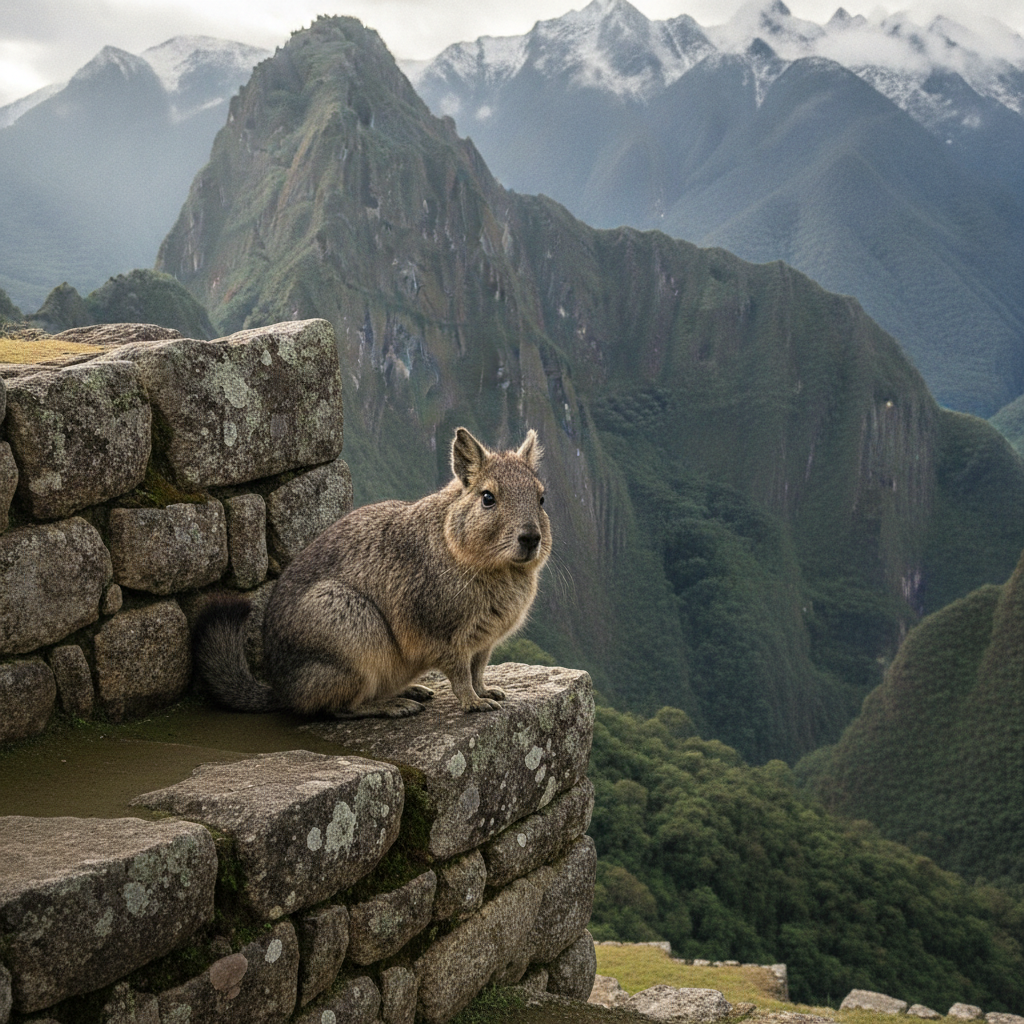
Machu Picchu sits in the cloud forest zone, an ecological transition between the Andean highlands and the Amazon basin that supports an extraordinary concentration of species. The ruins themselves are inhabited by viscachas, the rabbit-like rodents that perch on the walls in the morning sun. The cloud forest surrounding the site supports over 420 bird species, including the cock-of-the-rock whose males display in leks near the railway tracks below the ruins. Spectacled bears, the only bear species in South America and the model for Paddington Bear, move through the forest of the Machu Picchu Historical Sanctuary. This route covers the ecological significance of the Machu Picchu area beyond its archaeological fame.
- 1
The Machu Picchu Historical Sanctuary: Protected Wilderness
The Machu Picchu Historical Sanctuary encompasses 32,592 hectares surrounding the archaeological site, established in 1981 to protect both the ruins and the extraordinary biological diversity of the cloud forest. The sanctuary contains cloud forest, elfin forest, and puna grassland habitats that shelter species found nowhere else in Peru. UNESCO designated the sanctuary as a World Heritage site for both its cultural and natural values simultaneously, one of the relatively rare mixed designations. The sanctuary serves as a critical wildlife corridor connecting the Andean highlands to the Amazon lowlands; species that migrate altitudinally between these zones, including spectacled bears, mountain tapirs, and pumas, use the forested ridges of the sanctuary as passage routes. The concentration of both archaeological and biological significance in a single protected area of this size is nearly unique in the world.
- 2
Birds of Machu Picchu: 420 Species in One Cloud Forest
The bird list for the Machu Picchu area exceeds 420 species, with the concentration and accessibility making it one of the world premier birding destinations. The cock-of-the-rock, the national bird of Peru and one of the most flamboyant birds in the Americas with its brilliant orange head disk, displays at dawn leks near the railway tracks between Aguas Calientes and the ruins; the leks are predictably productive for birders willing to make the early morning walk. Hummingbirds are represented by more than 30 species including the booted racket-tail, whose male has elongated tail feathers with spatulate tips that trail behind in flight. The torrent duck, adapted to fast-flowing Andean rivers, is seen on the Urubamba River below the ruins. The cloud forest above the ruins supports tanagers in extraordinary diversity including the green-and-gold, paradise, and golden tanagers. Serious birders spend multiple days in the area combining the ruins area with the road from Aguas Calientes to the ruins, the river banks, and the path toward Mandor gorge.
- 3
Spectacled Bears: Paddington and the Real Andean Bear
The spectacled bear, named for the distinctive pale facial markings that resemble spectacles, is the only bear species native to South America and is the most threatened large mammal in the Machu Picchu sanctuary. The species ranges from Venezuela to Argentina along the Andes chain and is the original for Michael Bond Paddington Bear character; the fictional Paddington was found at Paddington Station having traveled from darkest Peru. Spectacled bears are shy and primarily nocturnal, making sightings rare even in protected areas with healthy populations. Camera traps in the Machu Picchu sanctuary have confirmed regular bear movements through the forest above the ruins. The bears are omnivores feeding primarily on bromeliads, orchids, cactus, and fruit with occasional opportunistic predation. They are threatened by habitat fragmentation, human-wildlife conflict in agricultural areas adjacent to the sanctuary, and hunting. The sanctuary is considered one of the most important strongholds for the species in Peru.
- 4
Orchids and Cloud Forest Plants: The Botanical Richness
The cloud forest of the Machu Picchu sanctuary supports an extraordinary diversity of plant species, with orchids particularly well represented; over 200 orchid species have been documented in the sanctuary, ranging from miniature epiphytic species smaller than a fingernail to large terrestrial species reaching one meter in height. Many of the orchid species are endemic to the sanctuary or the broader Machu Picchu region and were identified and described after the area came under biological study. The bromeliad diversity is equally impressive, with dozens of species colonizing tree branches and rock surfaces. Tree ferns reaching six meters in height occupy the wetter gullies and give the cloud forest a Jurassic character. The Machu Picchu orchid trail, a walk from the ruins entrance gate toward the agricultural sector, passes through remnant cloud forest where orchids are visible on the walls and trees with minimal searching during the flowering periods from October through March.
- 5
Viscachas: The Ruins Residents on Every Sunny Wall
The south American viscacha, a rabbit-like rodent related to chinchillas, has colonized the ruins of Machu Picchu so thoroughly that they are visible in virtually every direction from any point in the citadel during the morning hours when they emerge to sun on the warm stone walls. The viscachas long bushy tail and rabbit ears, combined with their habit of sitting motionless on the ancient stone in early morning light, have made them among the most photographed animals in South America. They live in colonies in the rock crevices and terrace walls and are completely habituated to human presence, allowing approach to within a meter or less. Their feeding on the grass and small plants growing from the terrace joints contributes to the ongoing maintenance challenge of the site. Viscachas are present at several other Andean archaeological sites including Sacsayhuaman, but their density at Machu Picchu, where they have the entire ruined city as habitat, is unmatched.
- 6
The Urubamba River and the Canyon Ecosystem
The Urubamba River, which curves in a dramatic U-shape almost completely encircling the ridge on which Machu Picchu sits, is one of the principal tributaries of the Amazon and marks the transition zone between the cold highland Andean waters and the warm Amazon basin. The river at 1,500 meters below the ruins runs faster and warmer than the highland Urubamba above Ollantaytambo, and the canyon ecosystem it has carved supports animals from both the Andean and Amazon zones. The torrent duck, perfectly adapted to fast rocky rivers, is seen on the boulder-strewn sections visible from the railway. Giant Andean otters occasionally appear on the quieter sections. The stands of bamboo and tropical vegetation along the river bank begin the gradient that will transition fully to lowland Amazon in the lower Urubamba hundreds of kilometers downstream. The biological significance of the Urubamba corridor as a movement route for species between highland and lowland habitats was the primary ecological argument for establishing the Machu Picchu Historical Sanctuary as a protected buffer around the ruins.
Walk this route with audio
Stories play automatically as you reach each stop — no tapping needed.
More in Machu Picchu
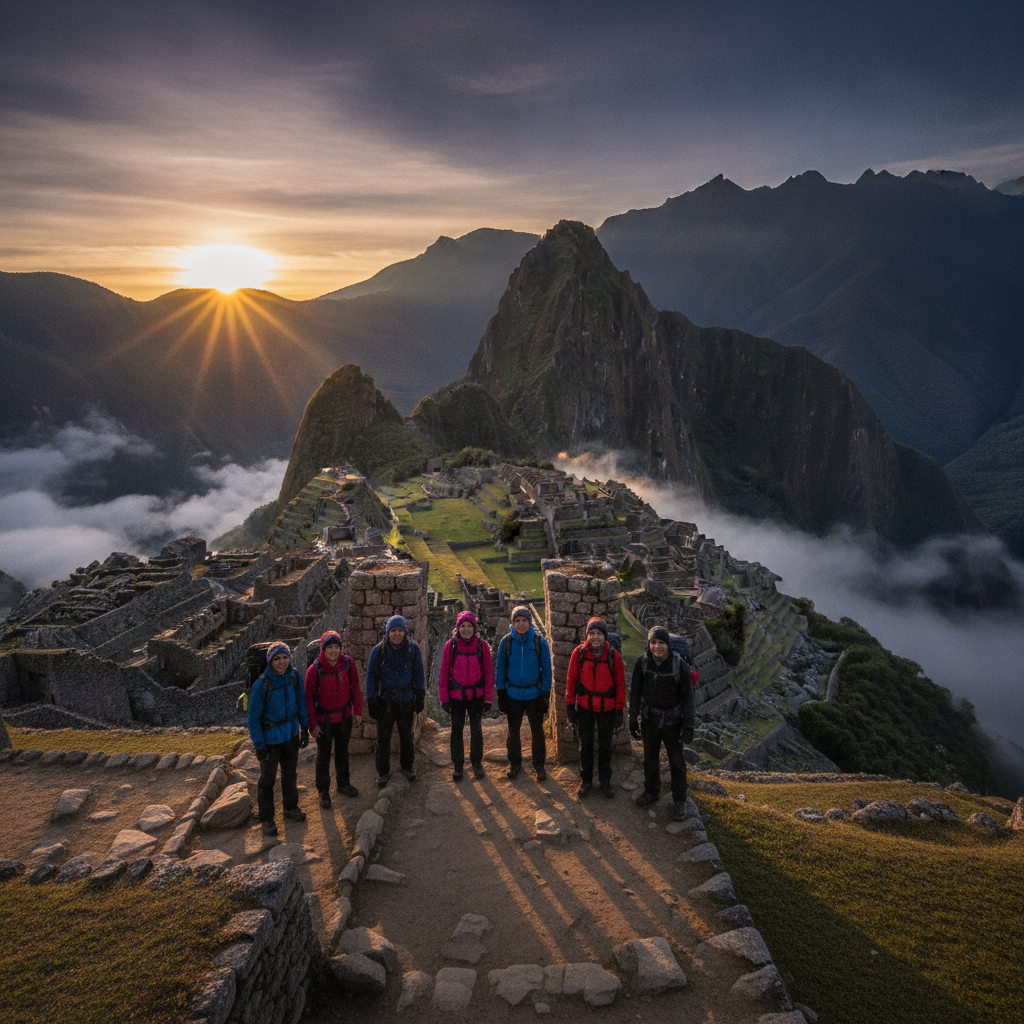
Machu Picchu Approaches: Inca Trail, Salkantay, and the Train Route
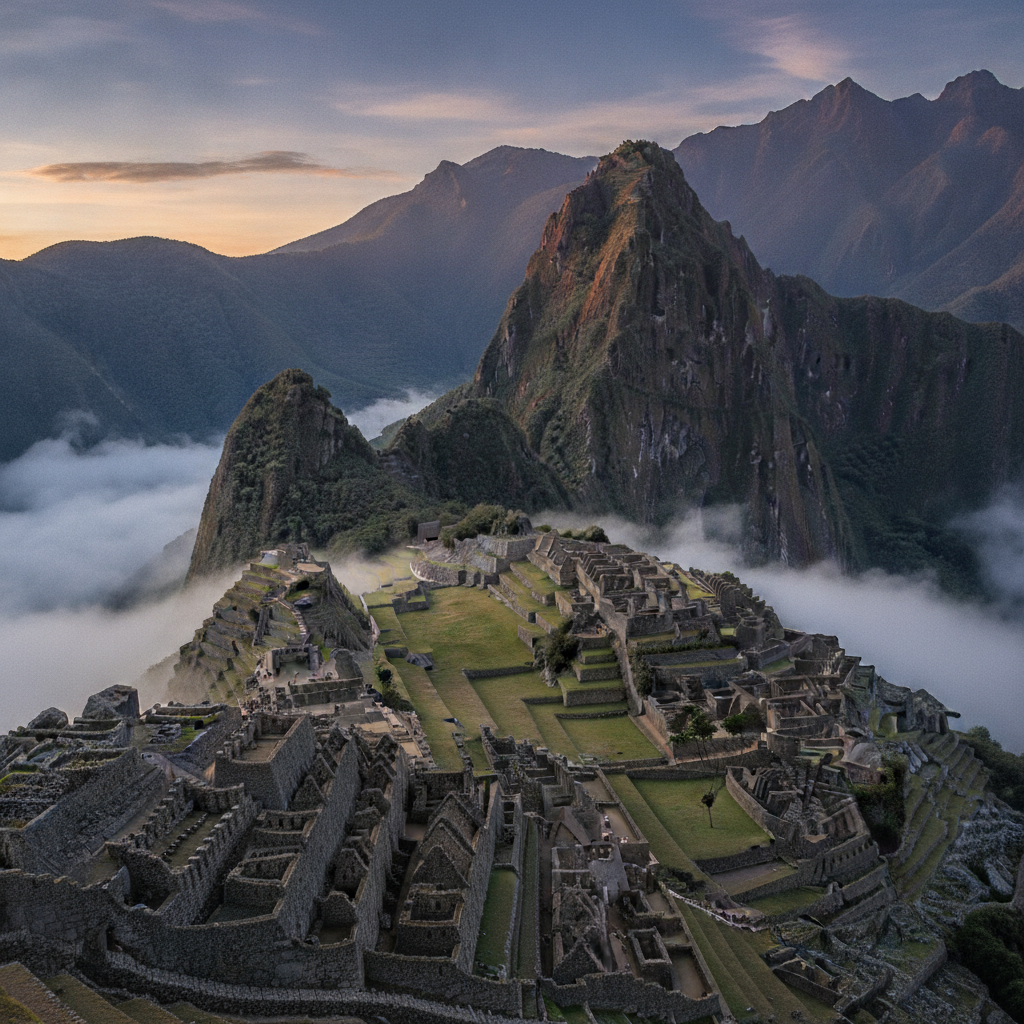
Machu Picchu: The Cloud City of the Inca and the Most Visited Site in the Americas
Machu Picchu Photography: Light, Viewpoints, and the Best Conditions
Machu Picchu Practical Guide: Tickets, Entry Rules, Costs, and What to Bring
Machu Picchu Archaeology: What We Know and What Remains Uncertain