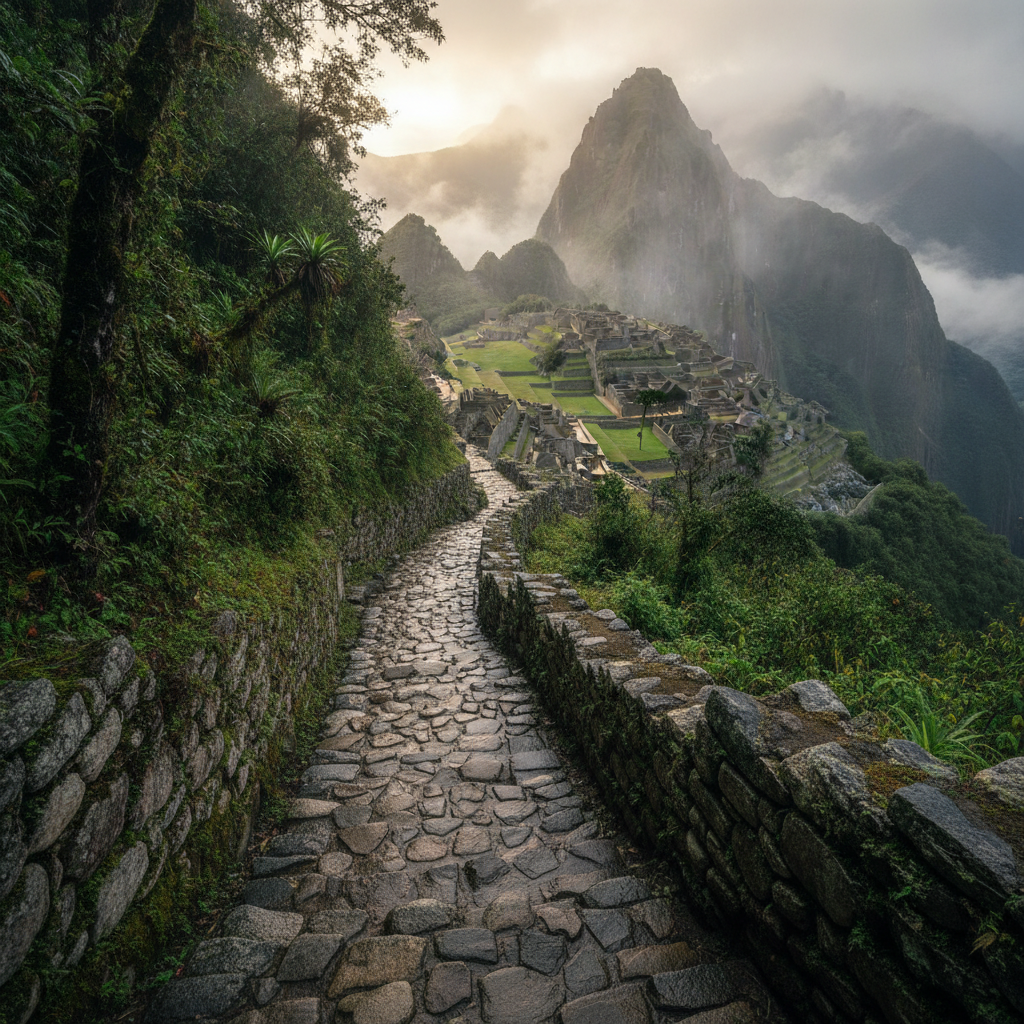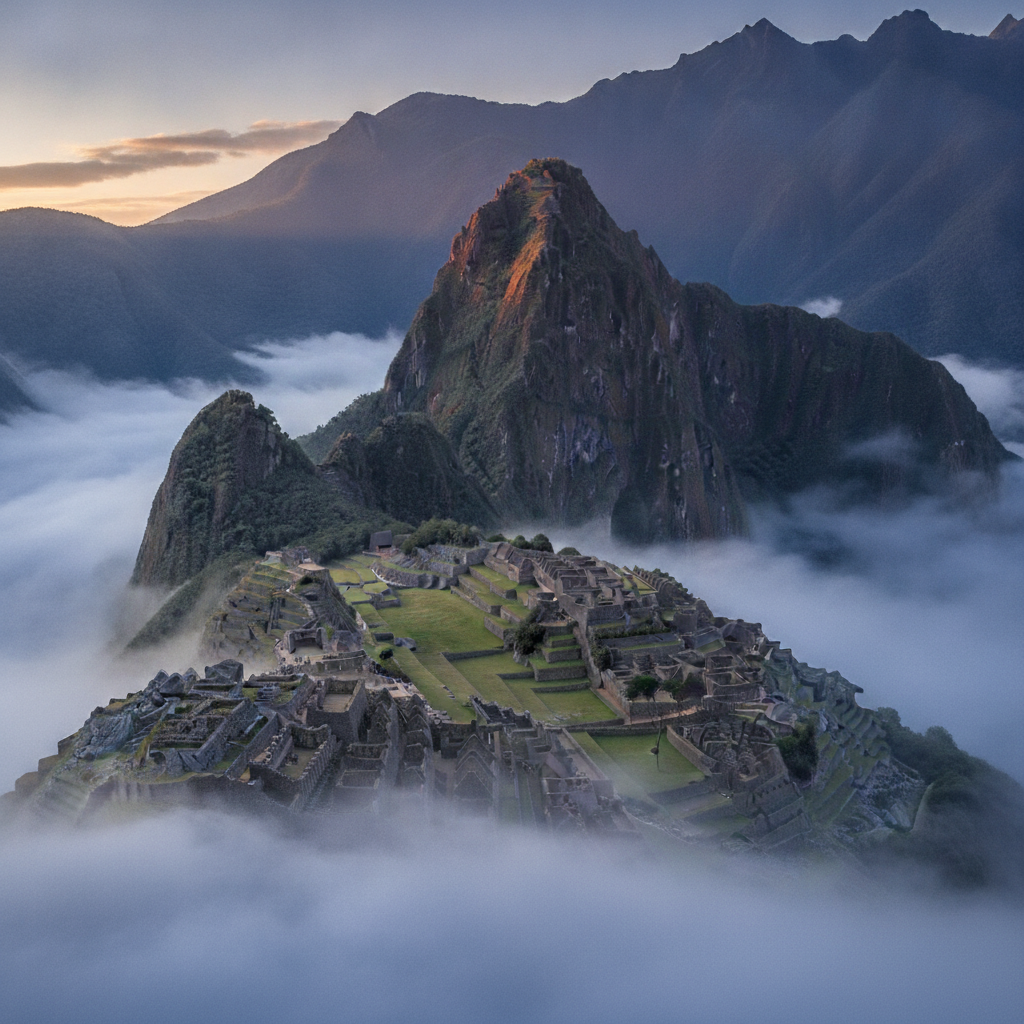
Machu Picchu Photography: Light, Viewpoints, and the Best Conditions
Machu Picchu is one of the most photographed places on earth, and the challenge for the visiting photographer is to find conditions and perspectives that distinguish their images from the millions of identical shots taken from the standard viewpoint above the agricultural terraces. The quality of light at the site changes dramatically through the day and between seasons; the morning cloud sea filling the Urubamba gorge and burning off by midday is the defining atmospheric condition. Entry time slots, camera restrictions, and the fixed circuit paths create constraints on movement. This route covers the practical and aesthetic aspects of photographing Machu Picchu effectively.
- 1
The Classic Viewpoint: Upper Agricultural Terraces and the Dawn Light
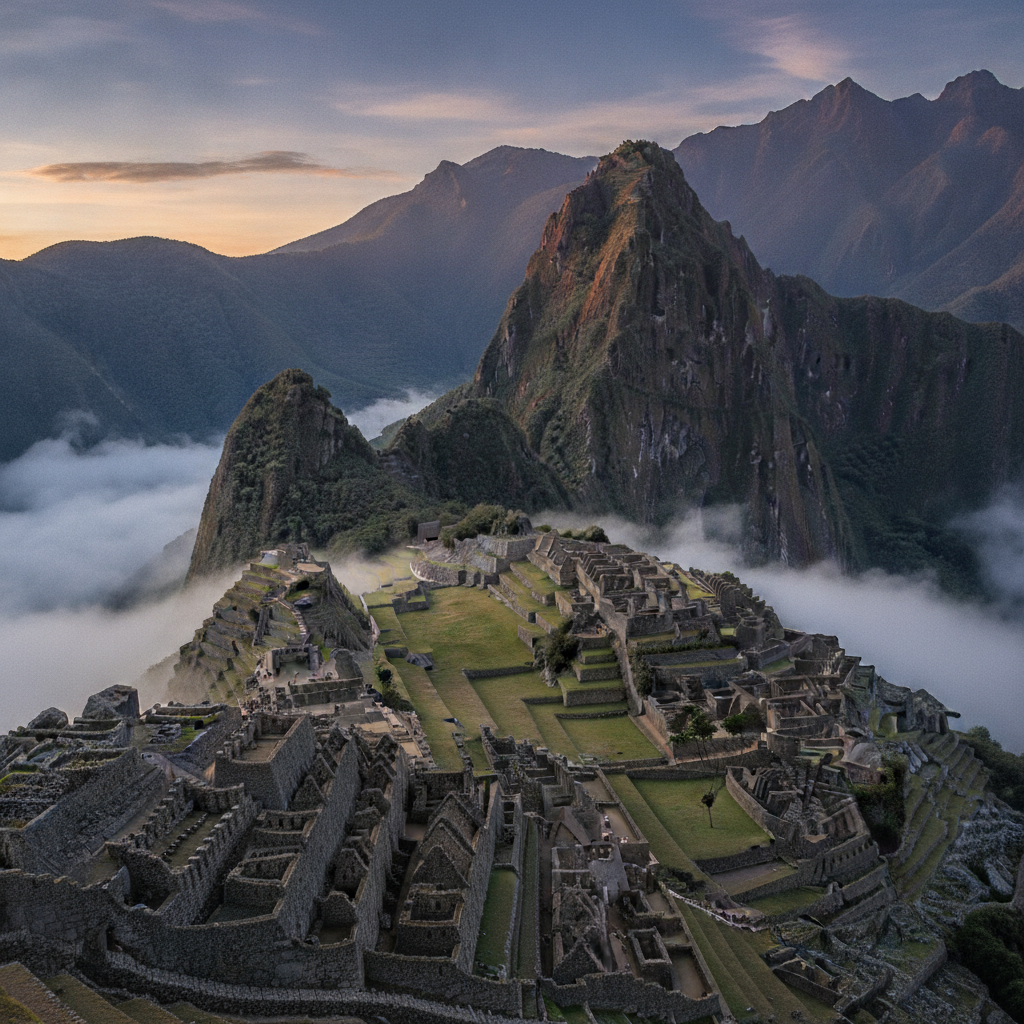
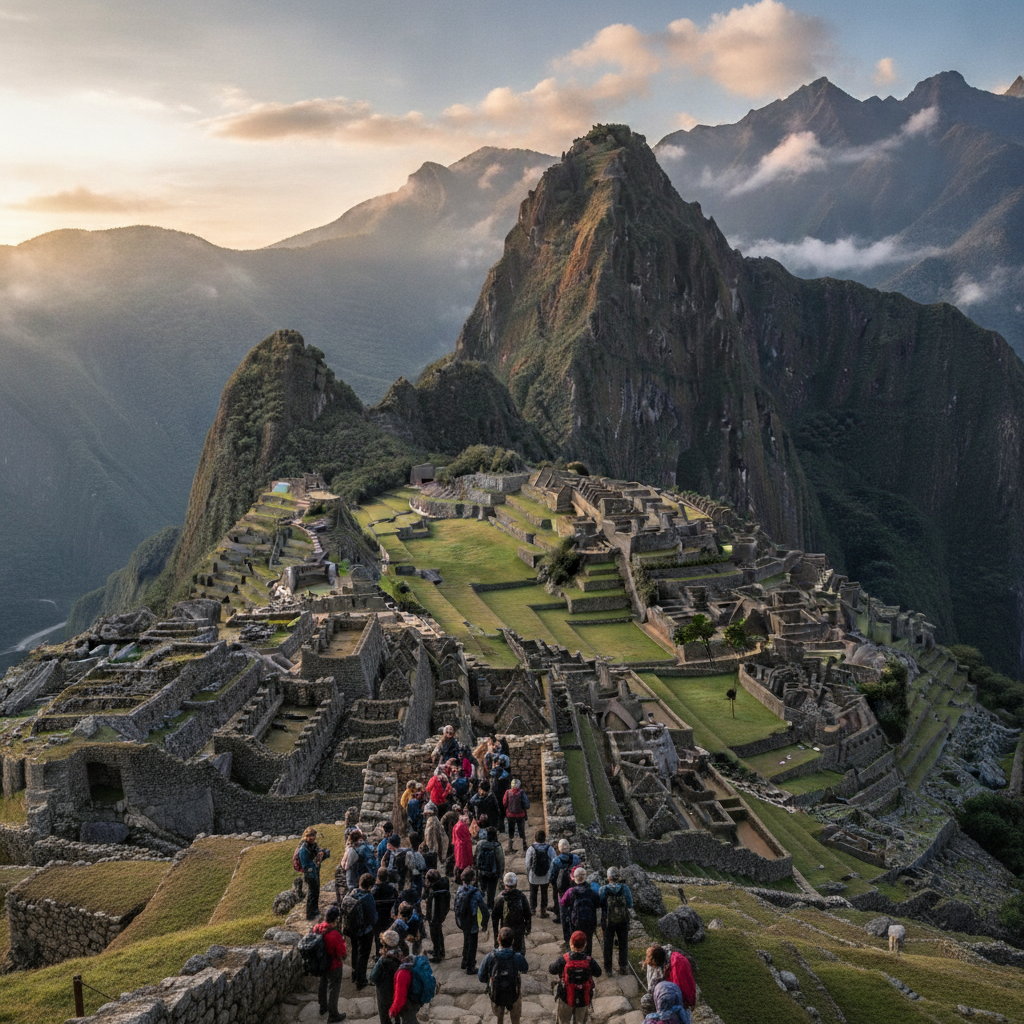
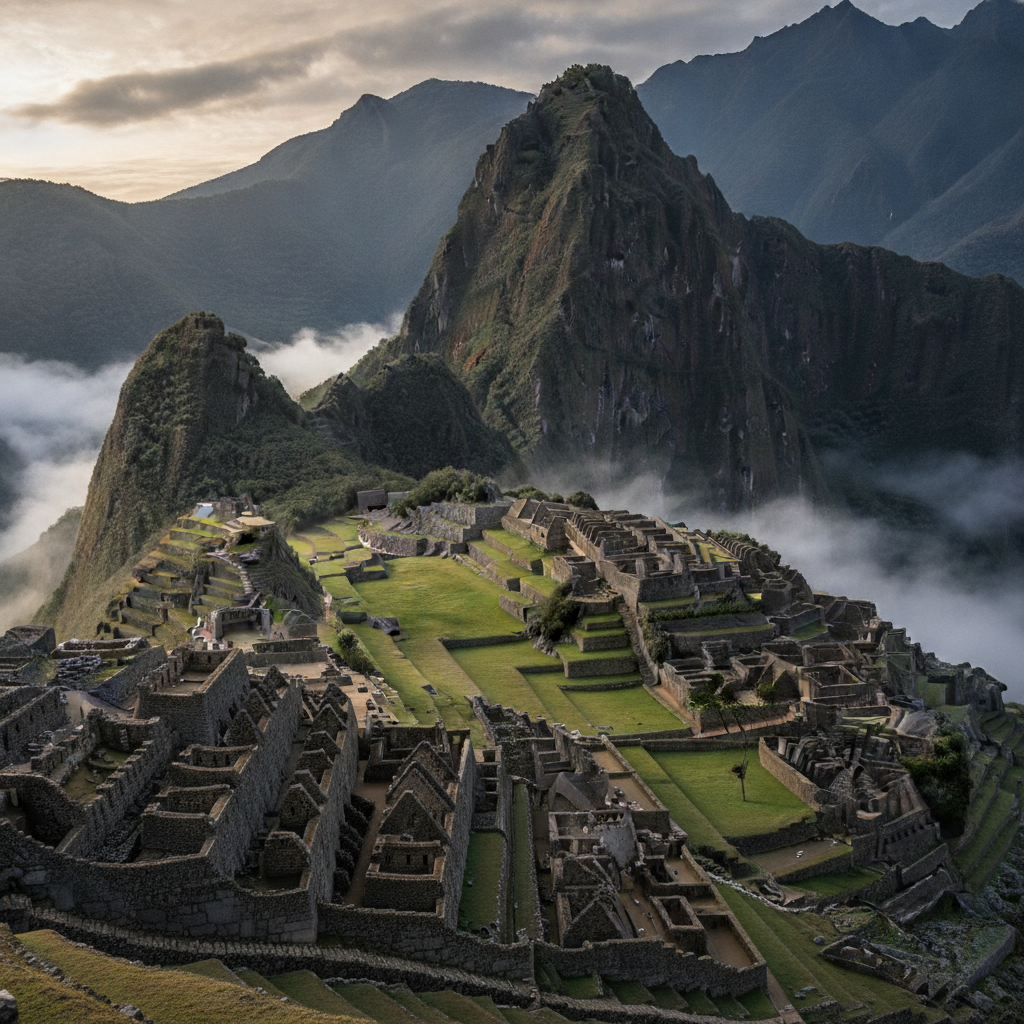
The postcard view of Machu Picchu is taken from the upper agricultural terraces southwest of the main gate, where the full extent of the citadel is visible with the urban sector in the middle ground and Huayna Picchu rising behind. This viewpoint is accessible from the first entry time slot, typically 6 AM, when the morning light comes from the east and illuminates the eastern faces of the structures from behind the viewer. The first entry group reaches this viewpoint before the midday tourist surge and before the cloud sea that fills the gorge at dawn has fully burned off. The most celebrated images, in which clouds partially fill the valley below the ruins while the upper structures emerge in clear air, are taken within the first two hours of the site opening in the wet season from November through March when overnight rain produces more reliable morning cloud conditions.
- 2
The Sun Gate View: Dawn Arrival on the Inca Trail
The Sun Gate, the Inti Punku through which the Inca Trail descends to the site, provides a different and more distant view of Machu Picchu that places the ruins within a broader landscape context showing the full U-bend of the Urubamba gorge encircling the ridge. Inca Trail trekkers typically arrive at the Sun Gate before 6 AM on their fourth day, timed to reach the viewpoint as dawn light falls on the citadel below. The approximately 45-minute walk from the Sun Gate to the site entrance means that Inca Trail arrivals enter the site before the main bus arrivals from Aguas Calientes. The Sun Gate view is also accessible to day visitors within the site on Circuit 1, but the approach from inside the site is uphill and requires 30 to 45 minutes of walking to reach the gate. The perspective from the Sun Gate captures the relationship between the site and its landscape in a way that the standard viewpoint within the citadel does not.
- 3
Huayna Picchu Summit: The Classic Aerial Perspective
The view from the Huayna Picchu summit at 2,692 meters, reached after a 45-minute climb on a steep and partially exposed path from within the citadel, provides the most dramatic downward perspective on Machu Picchu and is the viewpoint from which the aerial-style photographs showing the full site layout are taken. The combination of the site directly below and the Urubamba gorge dropping away on both sides of the ridge creates a sense of vertiginous height that the standard viewpoint does not convey. The 400 daily tickets for Huayna Picchu sell out fastest of all Machu Picchu permits and should be booked at the earliest possible booking window. The path involves some fixed rope sections on exposed rock; people with significant fear of heights may find sections uncomfortable. The Temple of the Moon on the western base of Huayna Picchu provides a different composition including the carved cave interior.
- 4
Seasonal Conditions: Wet Season Clouds vs Dry Season Clarity
The seasonal character of the light and atmosphere at Machu Picchu varies significantly between the dry season from May through October and the wet season from November through April. The dry season brings reliable clear skies, direct bright sunlight, and minimal cloud in the gorge; the light is technically better for sharp detailed images of the stonework but the consistent blue sky and lack of atmospheric drama means that many dry season images look similar regardless of exact date. The wet season brings afternoon rain that clears overnight, and the resulting morning cloud sea in the gorge below the ruins, sometimes filling the valley completely and leaving only the upper structures above the white cloud, creates the most dramatic and unusual atmospheric conditions. The trade-off is rain and variable visibility; the most celebrated Machu Picchu images are disproportionately taken in the wet season when conditions are more variable and unpredictable but occasionally extraordinary.
- 5
Drone Regulations and Camera Restrictions at the Site
Drones are prohibited within the Machu Picchu Historical Sanctuary without specific permits that are rarely granted; commercial drone footage of the site is typically taken from outside the sanctuary boundary on the surrounding peaks. Tripods are prohibited within the main archaeological zones of the site, limiting long-exposure photography to the handheld shutter speeds available with modern high-ISO cameras. Monopods are permitted in some sections and should be confirmed with the entry gate staff at the time of visit. Flash photography is permitted but of limited value outdoors. Camera bags are allowed. Professional film and photography requiring tripods, lighting, and large camera crews requires commercial photography permits from the Ministry of Culture; the process is bureaucratically complex and time-consuming. The ticket photograph taken at the gate is linked to the individual ticket and used to verify that the same person enters and does not lend the ticket to another visitor.
- 6
Best Times for Photography: Entry Slot Strategies
The first entry slot at 6 AM is consistently recommended for photography over later entry times for three reasons: the quality of the early morning light, the lower visitor density which allows cleaner compositions without crowds, and the greater probability of morning cloud conditions in the wet season. The 6 AM slot requires the first bus from Aguas Calientes at approximately 5:30 AM or the very early Inca Trail arrival. The buses begin loading before dawn; the queue at the Aguas Calientes bus stop forms as early as 4:30 AM for the first buses. The last entry slot of the day, typically 2 PM, has the advantage of dramatically fewer visitors after 3 PM as morning entry visitors complete their circuits and leave; late afternoon light in the dry season illuminates the western faces of the structures well and creates long shadows across the terraces that add depth to compositions. The mid-morning entry slots from 8 AM to 12 PM have the highest visitor density and the least favorable light conditions for photography.
Walk this route with audio
Stories play automatically as you reach each stop — no tapping needed.
More in Machu Picchu
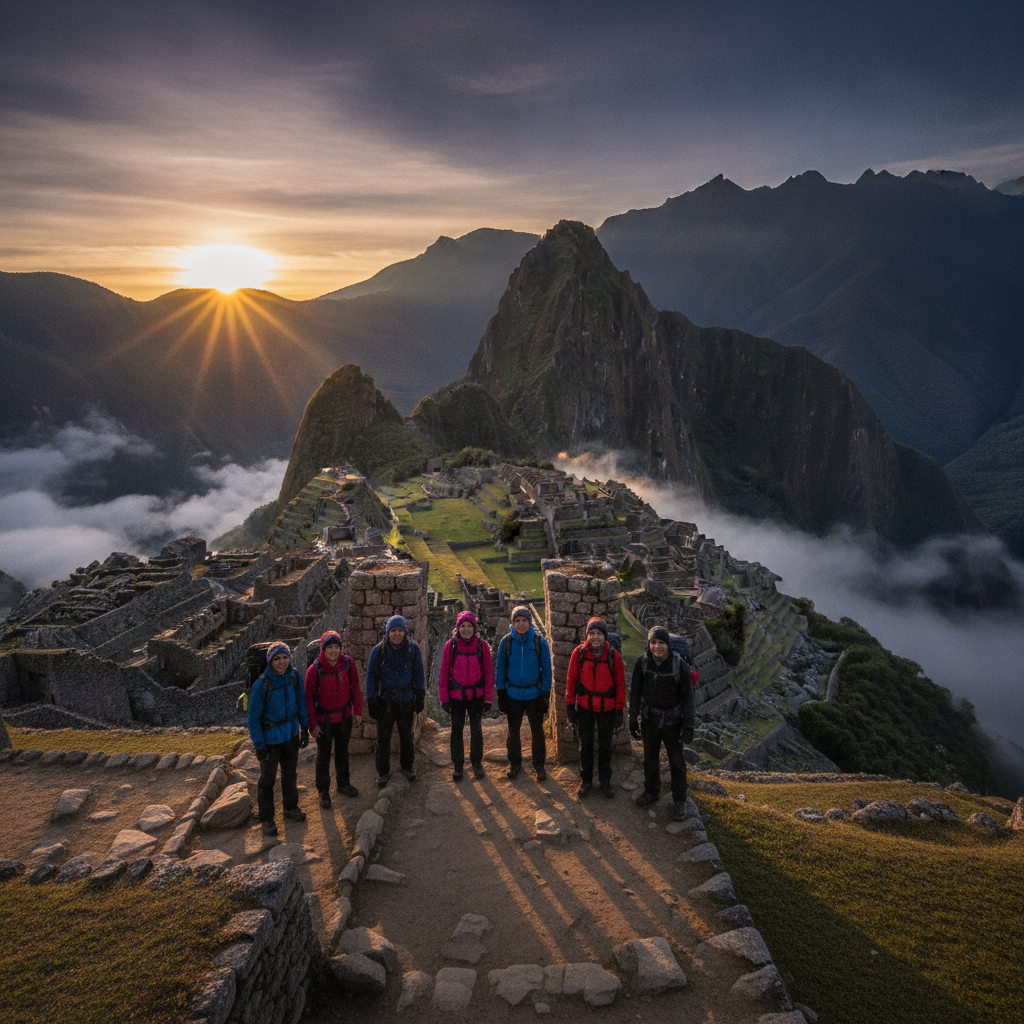
Machu Picchu Approaches: Inca Trail, Salkantay, and the Train Route
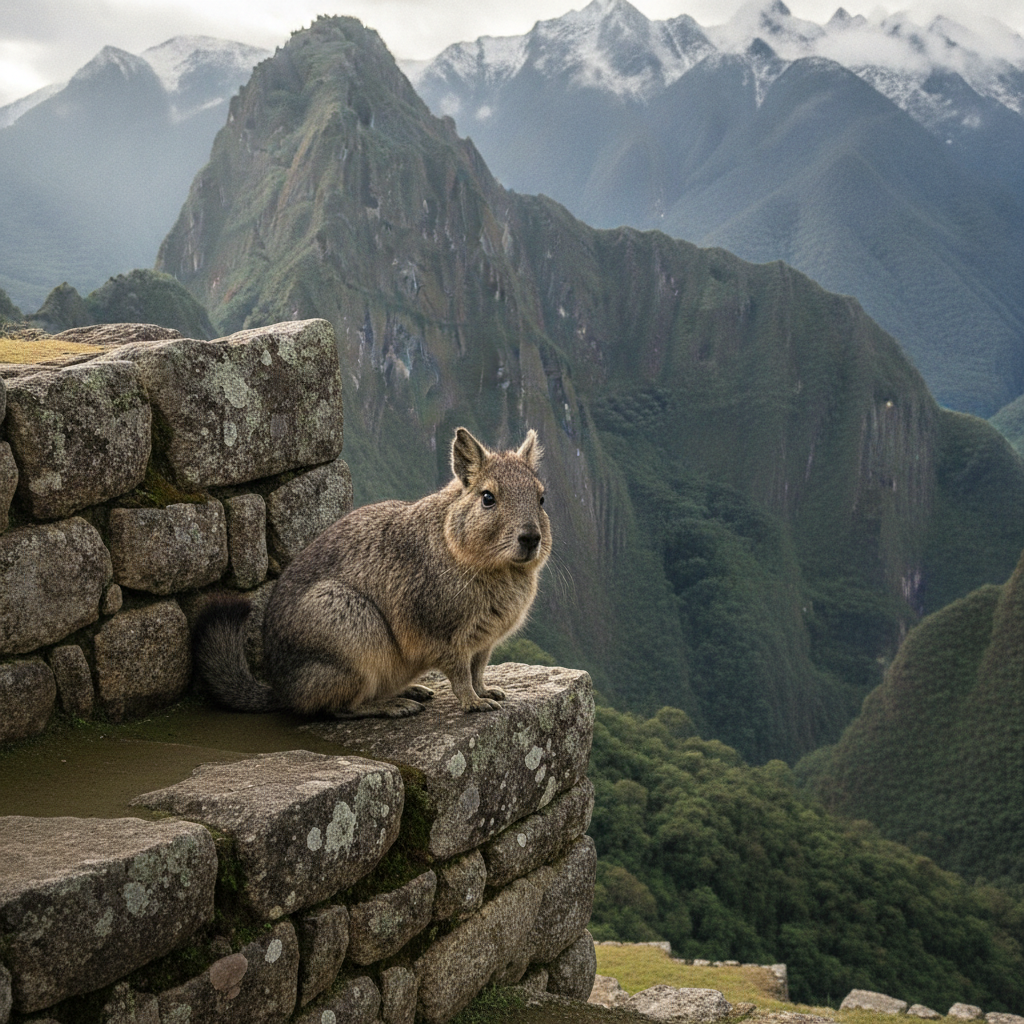
Machu Picchu Wildlife and Cloud Forest Ecology
Machu Picchu: The Cloud City of the Inca and the Most Visited Site in the Americas
Machu Picchu Practical Guide: Tickets, Entry Rules, Costs, and What to Bring
Machu Picchu Archaeology: What We Know and What Remains Uncertain