Machu Picchu in Context: The Inca Road System and the Network of Sites
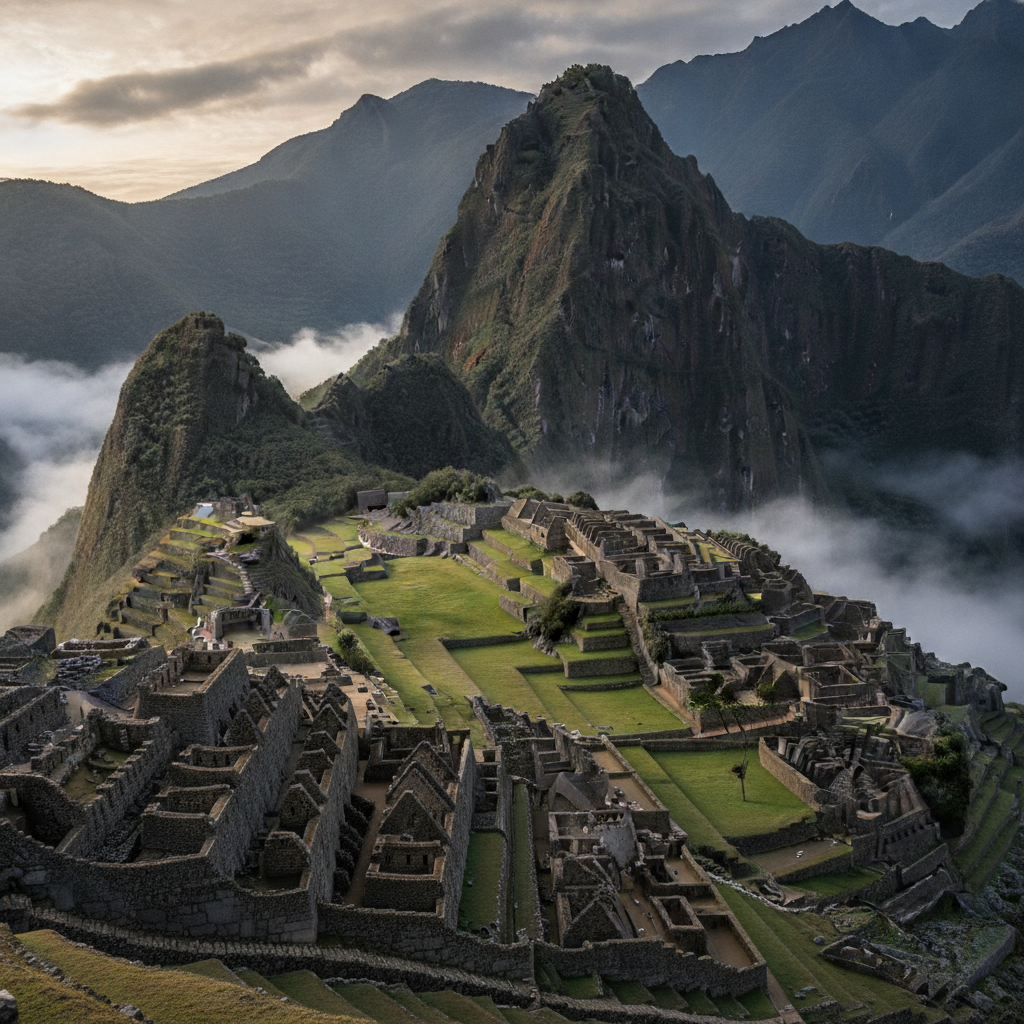
Machu Picchu did not exist in isolation but was one node in the extraordinary Inca road system, the Qhapaq Nan, that connected 40,000 kilometers of paved and improved paths running the length of the Andean backbone. The roads linked hundreds of administrative centers, royal estates, and religious sites in a network that allowed rapid movement of armies, information via relay runners, and goods in the Inca redistribution economy. Understanding Machu Picchu as part of this network, connected to Cusco, the Sacred Valley, and the jungle frontier, transforms the ruins from an isolated wonder into a component of the most sophisticated pre-industrial road infrastructure in the Americas.
- 1
The Qhapaq Nan: The Royal Road of the Inca
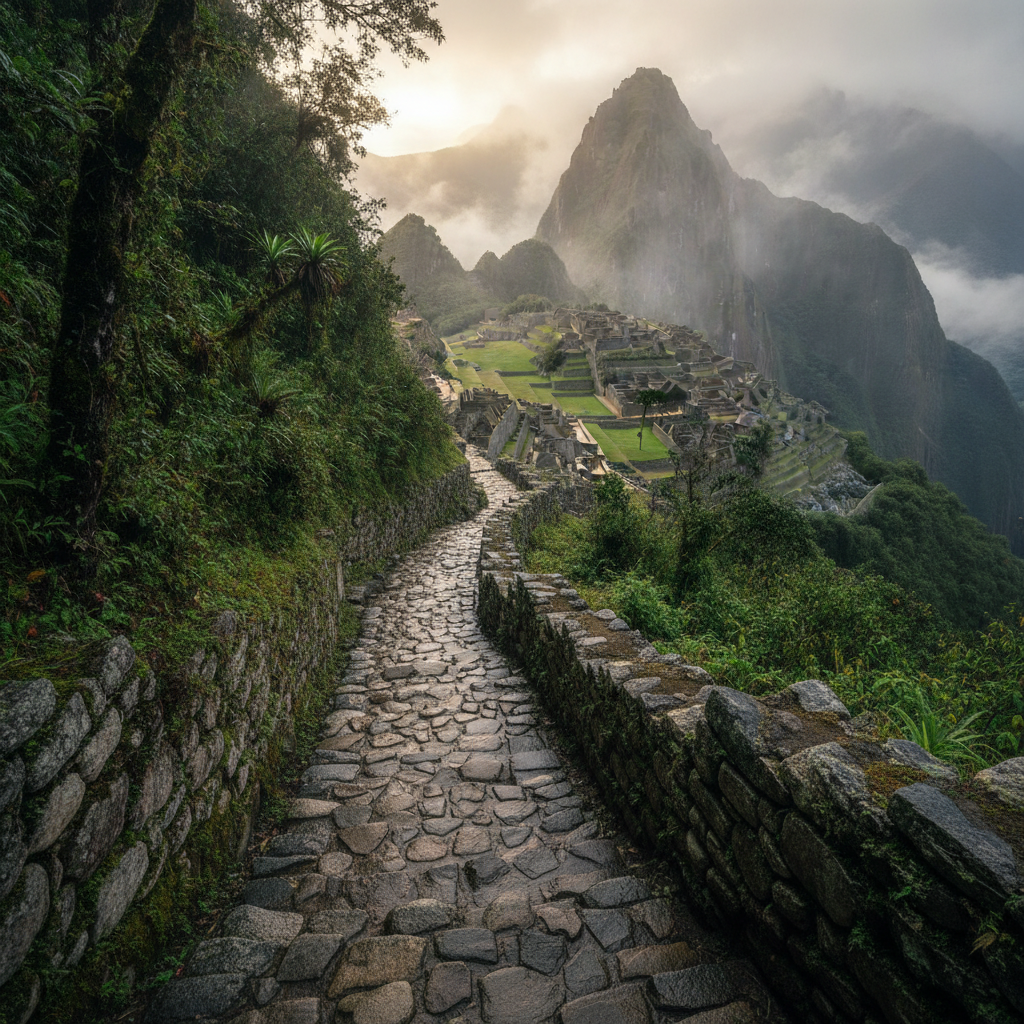
The Qhapaq Nan, the Great Inca Road, extended 40,000 kilometers through six modern South American countries and was designated a UNESCO World Heritage Site in 2014 in recognition of its historical significance. The road network consisted of two main trunk roads running the length of the empire: the coastal road along the Pacific shore and the highland road along the Andean spine, connected by numerous transverse routes. The road was built to a standard specification with stone paving in highland and tropical zones, drainage channels, retaining walls on slopes, stepped sections in steep terrain, and hanging bridges over rivers. At intervals of approximately one day walk, tambos provided lodging, storage, and food distribution for official travelers. The chasqui relay runner system allowed messages encoded on quipu knotted string to travel from Quito to Cusco in eight days, a distance of 2,000 kilometers. The Inca Trail to Machu Picchu is the most famous surviving section of the highland trunk road.
- 2
Inca Sites Near Machu Picchu: The Connected Archaeological Landscape
Machu Picchu sits within a cluster of related Inca sites in the lower Urubamba valley that were connected by the Inca road and trail network. Llaqtapata, visible across the gorge from the Sun Gate and only fully excavated in the 2000s, is now interpreted as a large ceremonial and administrative site associated with Machu Picchu. The sites of Choqesuysuy and Intipata near the Inca Trail preserve agricultural terracing and residential structures that supported the trail network. The Mandor valley below Aguas Calientes contains lesser-known ceremonial and agricultural sites accessible by a two-hour walk from the town. The Putucusi mountain above Aguas Calientes has a steep and partially equipped trail to a summit view of the railway valley and the surrounding peaks. Together these sites form an integrated archaeological landscape that context narrows the isolated and mysterious character that popular media typically assigns to Machu Picchu as a singular discovery.
- 3
The Choquequirao Trail: The Alternative Inca Site Circuit
Choquequirao, the large Inca site accessible only by a two-day trek in each direction from the trailhead near Cusco, is the most frequently cited alternative to Machu Picchu for visitors who want a major Inca site experience without the crowds. The site at 3,033 meters is larger in total area than Machu Picchu, with an upper sector of ceremonial structures and a lower sector of unusual terraces decorated with llama figures in relief stucco. The site was used as a refuge by the neo-Inca state resisting the Spanish after the fall of Cusco and was described by a Spanish colonial expedition that reached it in the 1570s, though it was not mapped or visited again until 19th century explorers. The two to four day trek round trip involves a descent to the Apurimac canyon at 1,450 meters and an ascent of 1,600 meters to the ruins, making it one of the most physically demanding day-accessible trek approaches in Peru. Visitor numbers are a tiny fraction of Machu Picchu.
- 4
Inca Astronomy: How Machu Picchu Aligned with the Cosmos
The Inca were sophisticated astronomical observers whose calendar system integrated solar and lunar cycles with the visibility of specific star clusters, particularly the Pleiades, which were used to predict agricultural timing. The Intihuatana stone and the windows of the Temple of the Sun at Machu Picchu have been analyzed by archaeoastronomers who have confirmed precise alignments with the June and December solstice sunrises and sunsets and with the Pleiades rising in October. The entire orientation of the site on the ridge was chosen to optimize the astronomical alignments of the main ceremonial buildings, a process requiring detailed knowledge of the site orientation relative to celestial positions before construction began. The Inca concept of the ceque system, in which 41 lines radiating from the Qorikancha in Cusco organized the landscape into astronomical and ritual zones, suggests a level of integration between architecture, landscape, and astronomy that modern scholars are still working to fully understand.
- 5
The Yale Artifact Repatriation: A Museum Dispute Resolved
The approximately 40,000 artifacts and skeletal remains removed from Machu Picchu by Hiram Bingham during the 1912 and 1915 excavations and taken to Yale University were the subject of a diplomatic dispute between Peru and Yale that lasted decades before reaching resolution in 2010 and 2011. The Peruvian government had sought return of the objects since the 1920s, with Bingham himself acknowledging in correspondence that the materials had been loaned rather than permanently transferred. Yale ultimately agreed to return the objects following sustained Peruvian diplomatic pressure and legal action during the 2000s. The returned materials are now housed in the Museo Machu Picchu within the Casa Concha building in Cusco, which was renovated specifically to receive and display them. The museum provides the most detailed object-level understanding of daily life at the site available anywhere, since the ceramics, personal ornaments, weaving tools, and skeletal material directly document the population that inhabited Machu Picchu.
- 6
Machu Picchu in the Seven Wonders List: Tourism and Global Recognition
Machu Picchu was designated one of the New Seven Wonders of the World in a worldwide vote organized by the New Seven Wonders Foundation in 2007, alongside the Great Wall of China, Petra, Christ the Redeemer, the Taj Mahal, the Colosseum, and Chichen Itza. The designation, while not an official UNESCO process, dramatically amplified global tourist interest and contributed to the rapid growth of visitor numbers through the late 2000s and 2010s. The site had already been a UNESCO World Heritage Site since 1983 and a UNESCO Biosphere Reserve since 1977. The multiple overlapping designations reflect the unusual combination of cultural and natural significance at a single protected area. Peru successfully lobbied for the seven wonders designation as a national economic development strategy, and the resulting growth in Machu Picchu tourism has been both an economic success and a conservation management challenge, requiring the progressive introduction of visitor number caps, time-slot entry, and circuit management that now define the visitor experience.
Walk this route with audio
Stories play automatically as you reach each stop — no tapping needed.
More in Machu Picchu
Machu Picchu Approaches: Inca Trail, Salkantay, and the Train Route
Machu Picchu Wildlife and Cloud Forest Ecology
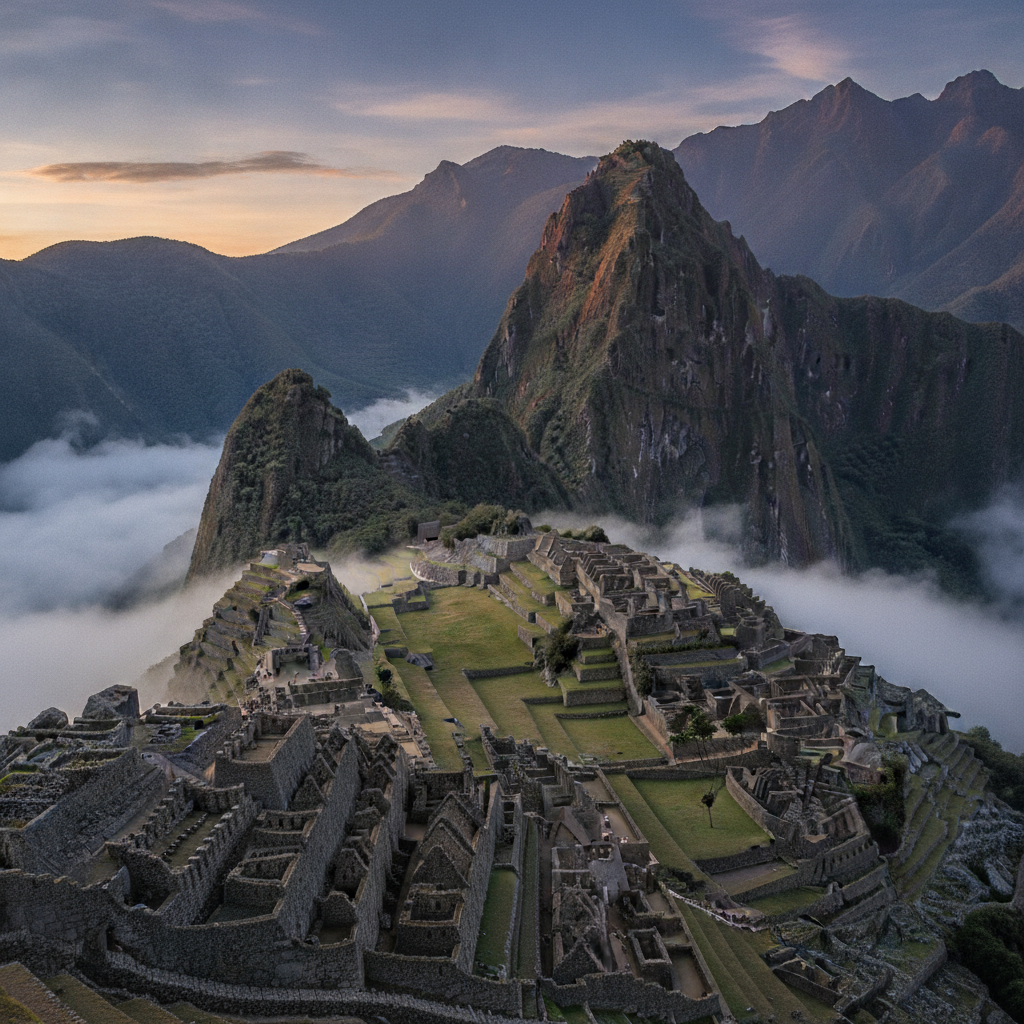
Machu Picchu: The Cloud City of the Inca and the Most Visited Site in the Americas
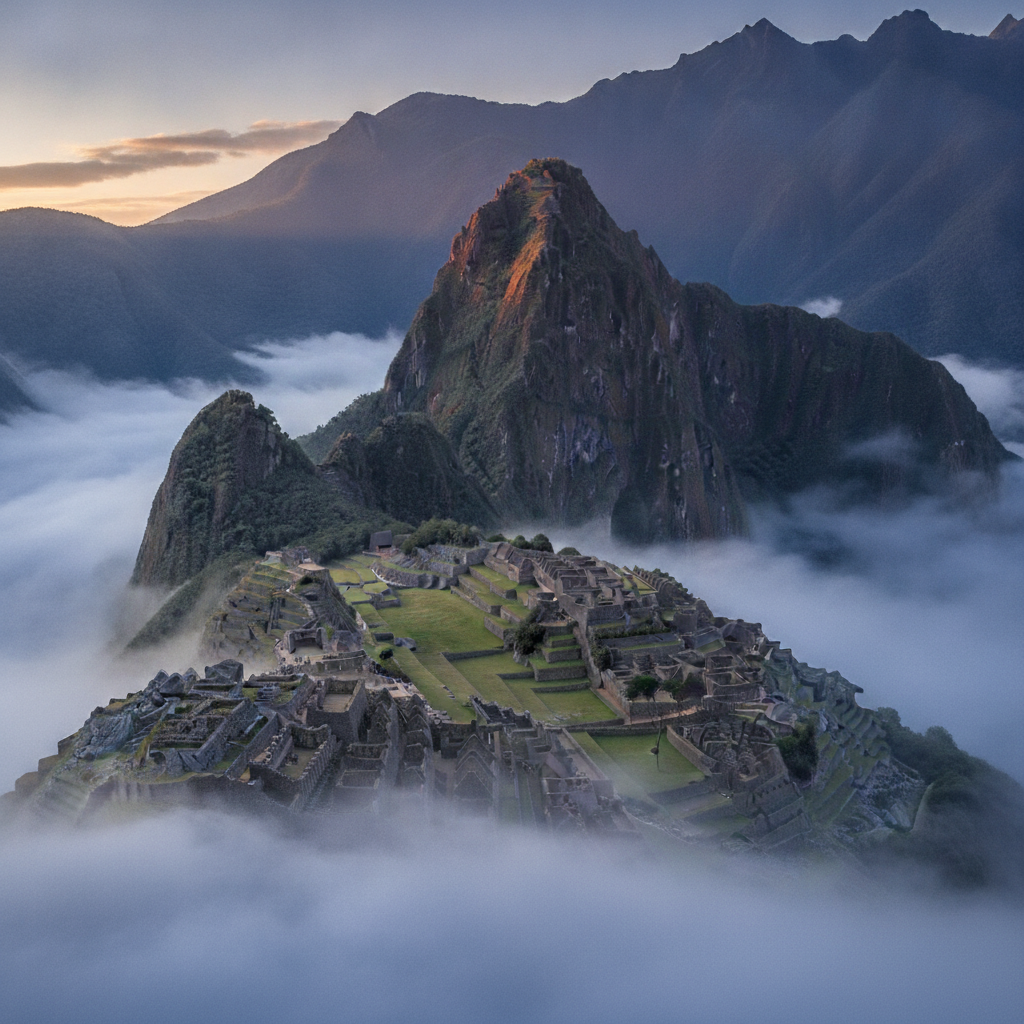
Machu Picchu Photography: Light, Viewpoints, and the Best Conditions
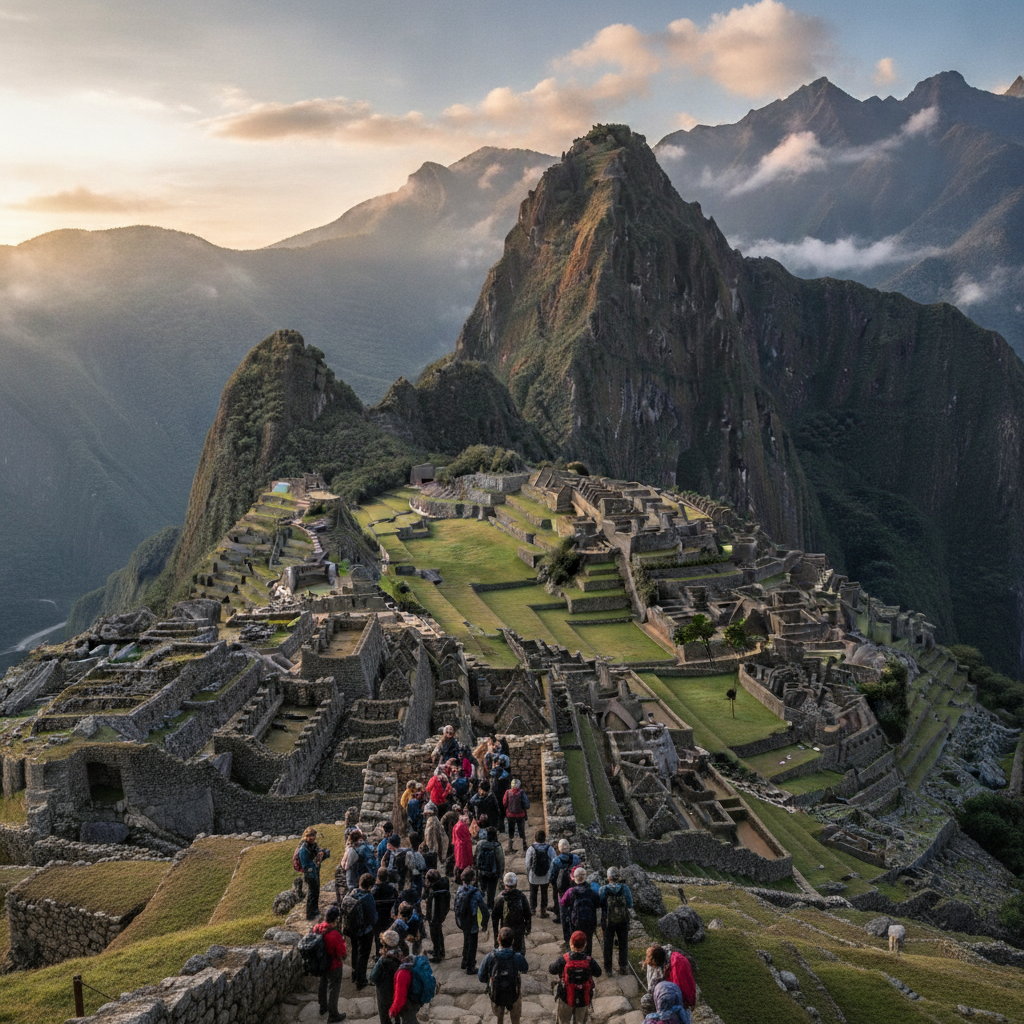
Machu Picchu Practical Guide: Tickets, Entry Rules, Costs, and What to Bring