
Luxor West Bank: The Hatshepsut Mortuary Temple, the Valley of the Queens, the Tombs of the Nobles, and the Complete Theban Necropolis
The Luxor West Bank route covers the Hatshepsut Mortuary Temple as the most architecturally elegant single Pharaonic monument, the Valley of the Queens, the Tombs of the Nobles with the most colorful single ancient paintings, and the complete Theban Necropolis.
- 1
Hatshepsut Mortuary Temple: The Elegant Queen's Monument
The Mortuary Temple of Hatshepsut at Deir el-Bahari (the most architecturally elegant single Pharaonic monument with the most dramatically cliff-face-integrated single three-terraced colonnaded facade, built for the most politically remarkable single ancient Egyptian female pharaoh who ruled as the most successfully long-reigning single female co-regent from approximately 1479 to 1458 BC), is the most visually dramatic single Luxor West Bank monument and the temple most completely contrasting the most massive single Karnak brutalism with the most refined single feminine architectural elegance.
- 2
Valley of the Queens: The Royal Women's Necropolis
The Valley of the Queens (the most important single ancient Egyptian royal women's burial site with 91 identified tombs including the most superbly decorated single Nefertari tomb, the Great Royal Wife of Ramesses II, the most beautifully painted single ancient Egyptian queen tomb with the most vividly preserved single New Kingdom Egyptian tomb painting color), is the most artistically significant single Luxor West Bank necropolis for the visitor who appreciates the most exquisitely intimate single ancient Egyptian royal funerary art.
- 3
Tombs of the Nobles: The Most Colorful Daily Life Paintings
The Luxor Tombs of the Nobles (the most practically informative single ancient Egyptian social history source with the most colorfully detailed single ancient Egyptian daily life painting from the most vividly depicted single hunting scene to the most specifically illustrated single ancient Egyptian feast, agricultural, and craft activity, in contrast to the most symbolically complex single royal tomb painting), are the most practically enjoyable single Luxor West Bank underground art gallery for the visitor who wants the most directly readable single ancient Egyptian social documentary.
- 4
Medinet Habu: The Most Complete Mortuary Temple
Medinet Habu (the most completely preserved single Luxor West Bank mortuary temple complex of Ramesses III, with the most intact single ancient Egyptian temple painted ceiling, the most completely hieroglyphic-relief-covered single ancient temple walls documenting the most militarily dramatic single Sea Peoples invasion repulsion, and the most defensively functional single temple town with the most complete single surrounding mud-brick enclosure wall), is the most architecturally complete single Luxor West Bank temple.
- 5
The Colossus of Memnon: The Guardian Statues
The Colossus of Memnon (the most iconically isolated single ancient Egyptian colossal statues standing 18 meters tall in the most open single Luxor agricultural plain as the most surviving single remnants of the most completely vanished single Amenhotep III mortuary temple, the most spectacularly situated single ancient colossi in the most dramatically open single Egyptian landscape with the most complete single surrounding farmland agricultural character), is the most symbolically lonesome single ancient Egyptian monument and the most frequently photographed single Luxor West Bank landmark.
- 6
Deir el-Medina: The Workers Village
Deir el-Medina (the most archaeologically unique single ancient Egyptian archaeological site documenting the most completely excavated single ancient Egyptian workers community, the most specifically artisan-inhabited single village of the tomb builders, painters, and sculptors who created the most magnificently decorated single Valley of the Kings royal tombs and who left the most personally revealing single ancient Egyptian written records including the most ancient single labor strike document in human history), is the most socially humanizing single Luxor historical site.
Walk this route with audio
Stories play automatically as you reach each stop — no tapping needed.
More in Luxor
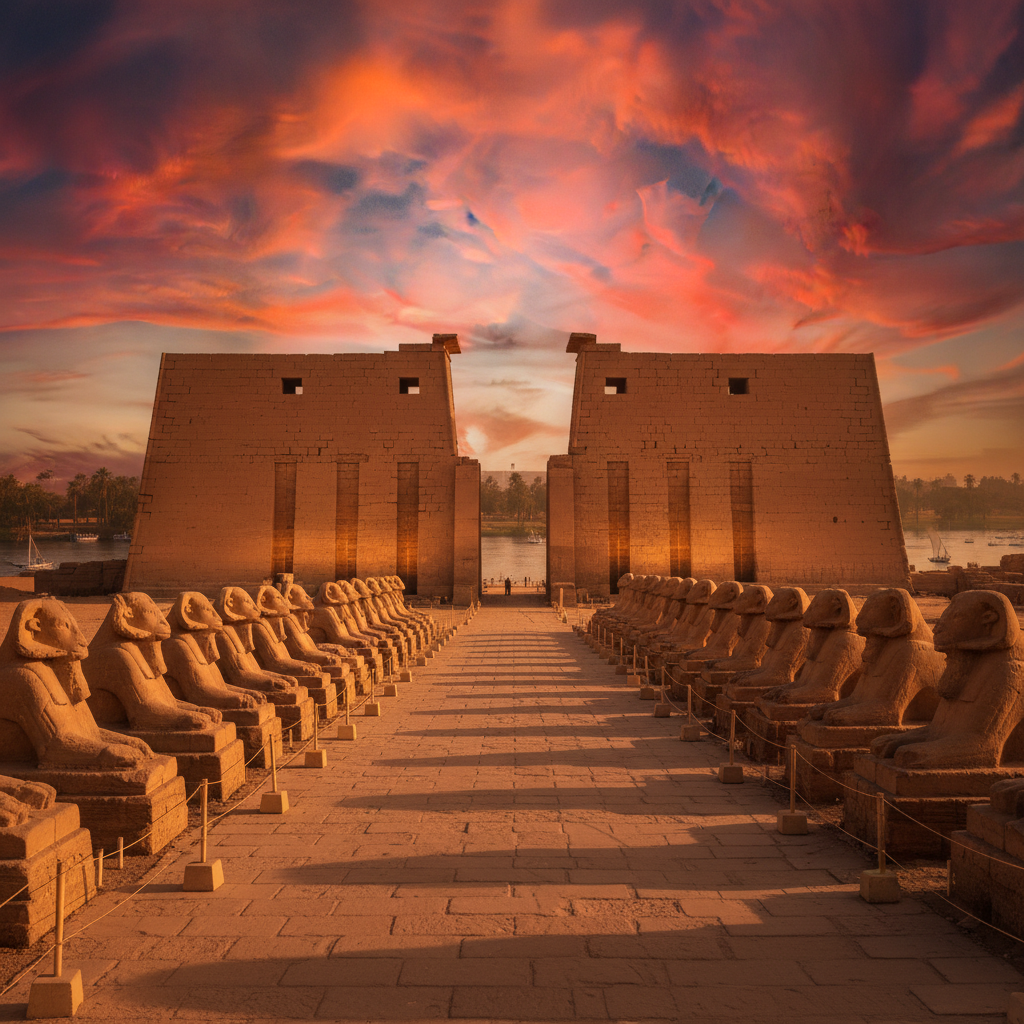
Luxor: Akhenaten, Nefertiti, Tutankhamun, and the Amarna Revolution

Luxor by River: The Nile Cruise to Aswan, the Dahabiyya Sailing Experience, the Temple of Edfu, and the Kom Ombo Temple
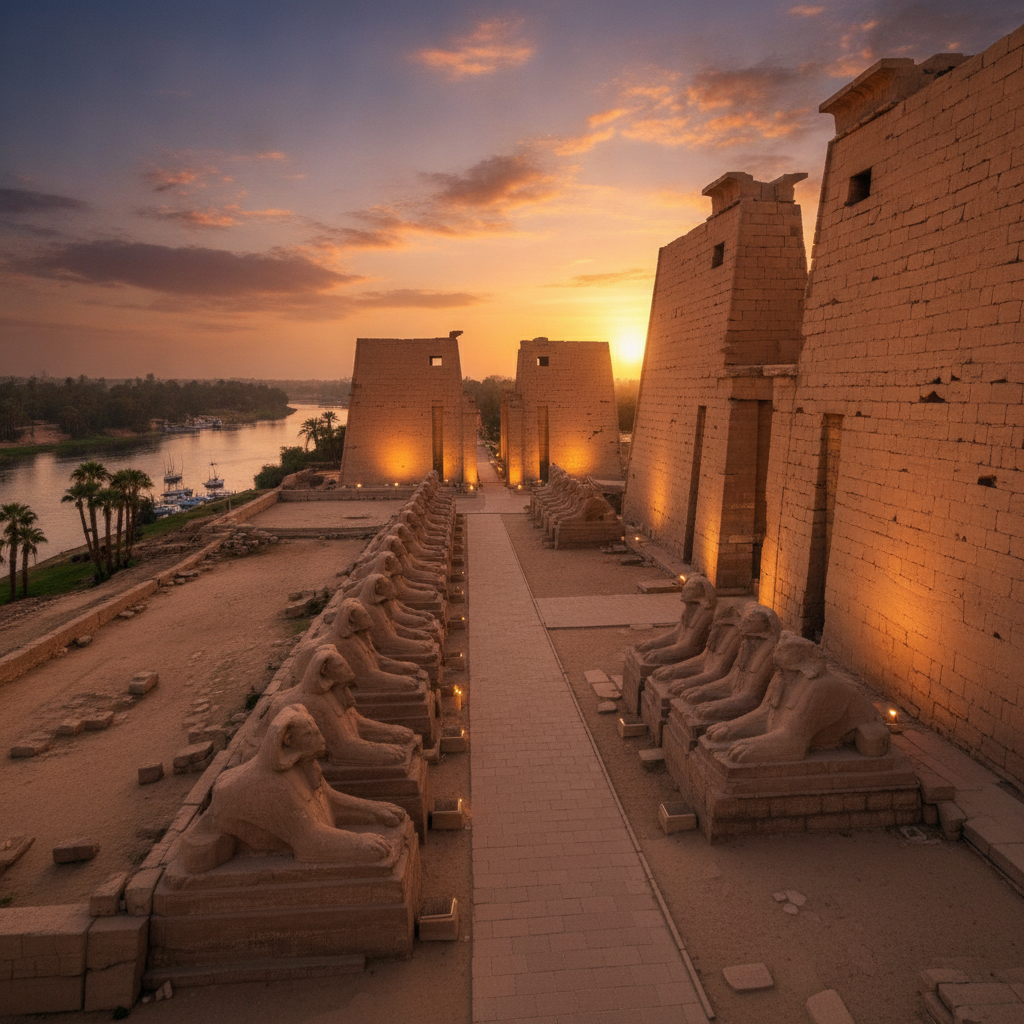
Luxor: The Nile Flood, Egyptian Afterlife, Coptic Christianity, and the Nile Cruise Guide
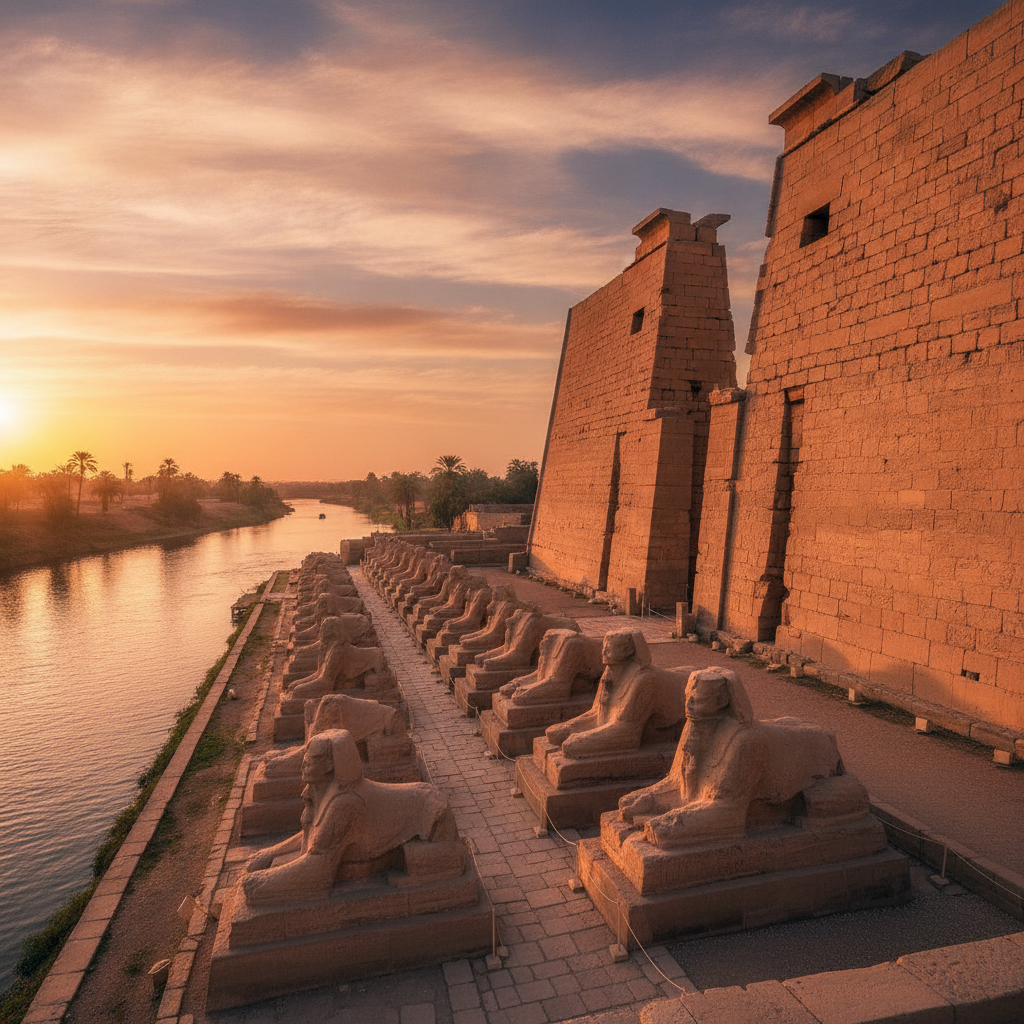
Luxor: Karnak, Luxor Temple, Valley of the Kings, and the World Greatest Open-Air Museum

Luxor Local Life: The East Bank Souq, the Alabaster Workshops, the Papyrus Art, and the Most Practically Lived-In Ancient City
