Ljubljana Identity: Independence, Triglav & Europe's Greenest Capital
Understand Slovenia's remarkable journey—the 10-day war of independence in 1991, the Yugoslav legacy in the most Western of Yugoslavia's republics, the Slovenian language's unique dual grammatical number, Ljubljana's European Green Capital transformation, the national obligation to climb Mount Triglav, and using Ljubljana as the gateway for an Alpine-Adriatic circuit.
- 1
Slovenian Independence 1991 & the Ten-Day War
Slovenia declared independence from Yugoslavia on June 25, 1991, and fought a 10-day war against the Yugoslav National Army before a ceasefire was negotiated. Unlike the devastating wars that followed in Croatia, Bosnia, and Kosovo, Slovenia's conflict was brief and relatively bloodless (66 deaths total). The Museum of Contemporary History in Ljubljana tells this story alongside the broader 20th-century Slovenian national narrative.
- 2
Yugoslavia's History in Ljubljana
Ljubljana was the most prosperous and Western-oriented city in Yugoslavia—visitors from Serbia, Macedonia, and Kosovo came here as the closest thing to Western Europe. The Slovenian communist leadership (Edvard Kardelj, Boris Kidrič) were central to Yugoslav self-management ideology. The Metelkova military barracks whose squat became an arts centre were themselves a symbol of Slovenia's rejection of Yugoslav military authority after 1991.
- 3
Slovenian Language & National Identity
Slovenian is a South Slavic language distinct from Croatian or Serbian—it preserves the dual grammatical number (singular/dual/plural) lost from all other Slavic languages except Sorbian. With just 2 million speakers, Slovenian is one of Europe's smallest major languages, yet it has a complete literary tradition dating to the 16th-century Primož Trubar (who translated the Bible into Slovenian). France Prešeren's poem Zdravljica (A Toast) became the national anthem.
- 4
Green Capital of Europe 2016
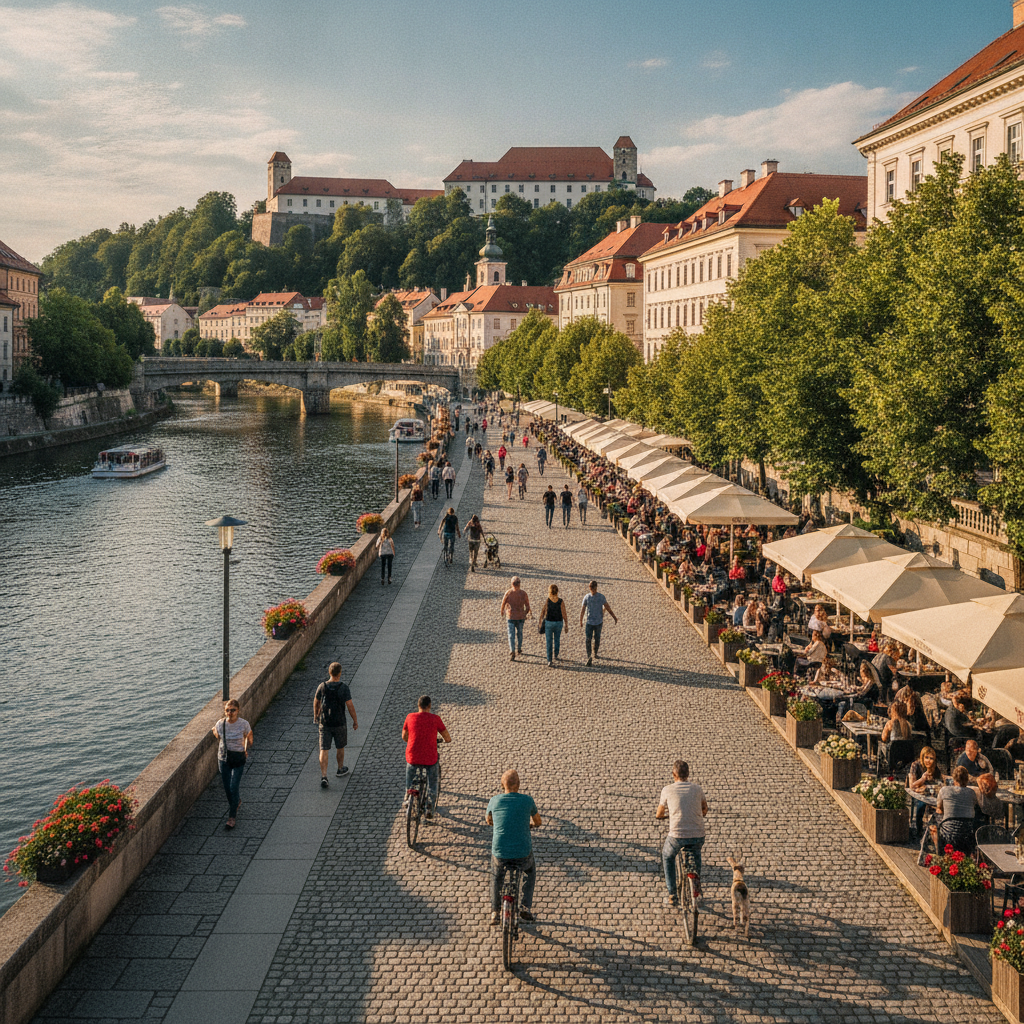
Ljubljana was named European Green Capital in 2016—the first city under 500,000 population to receive the designation. The city has pedestrianised its entire old town centre (cars banned since 2007), invested heavily in cycling infrastructure, achieved 68% recycling rates, and operates a fleet of electric buses and Kavalir vehicles. Tivoli Park connects to a network of green corridors extending to the surrounding hills.
- 5
Triglav – The National Mountain
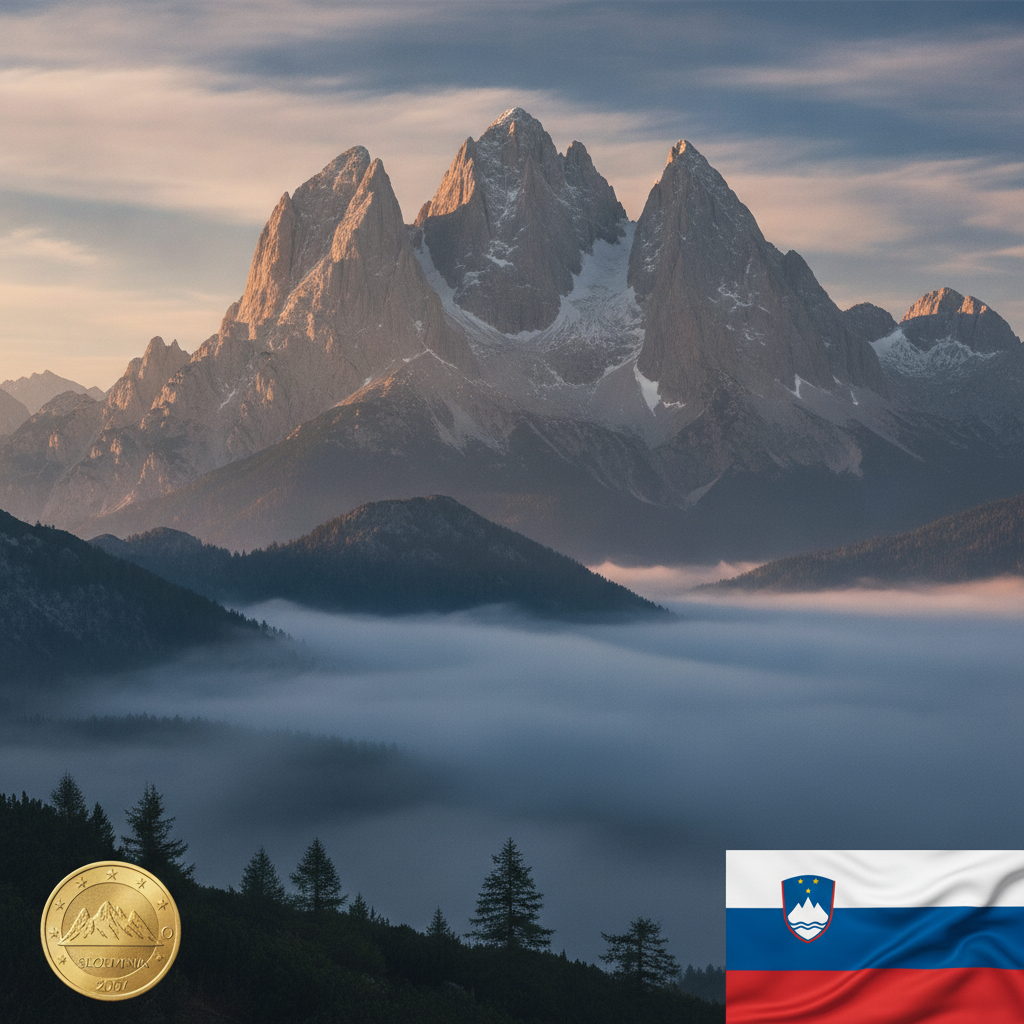
Mount Triglav (2,864 m)—Slovenia's highest peak and national symbol—appears on the Slovenian flag, coat of arms, and every €0.50 coin. The Slovenian tradition holds that every Slovenian must climb Triglav at least once in their life. The most popular ascent from the Bohinj valley takes 2 days; the mountain hut network of the Slovenian Alpine Association provides accommodation at altitude. The view from the summit takes in six countries on clear days.
- 6
Ljubljana as a Gateway to the Western Balkans
Ljubljana's position at the junction of Central Europe, the Alps, the Adriatic, and the Balkans makes it a perfect transit hub. Zagreb is 2 hours by train; Trieste 2 hours; Venice 3.5 hours; Sarajevo 6 hours by bus; Dubrovnik reachable in a day. The combination of Ljubljana's compact cosmopolitan charm with Lake Bled (55 min), Piran's Venetian coast (90 min), and the Julian Alps (60 min) makes it the ideal starting point for a broader Adriatic-Alpine circuit.
Walk this route with audio
Stories play automatically as you reach each stop — no tapping needed.
More in Ljubljana
Ljubljana on a Plate: Štruklji, Slovenian Wine & the Open Kitchen
Ljubljana Day Trips: Bled, Postojna Cave & the Adriatic at Piran
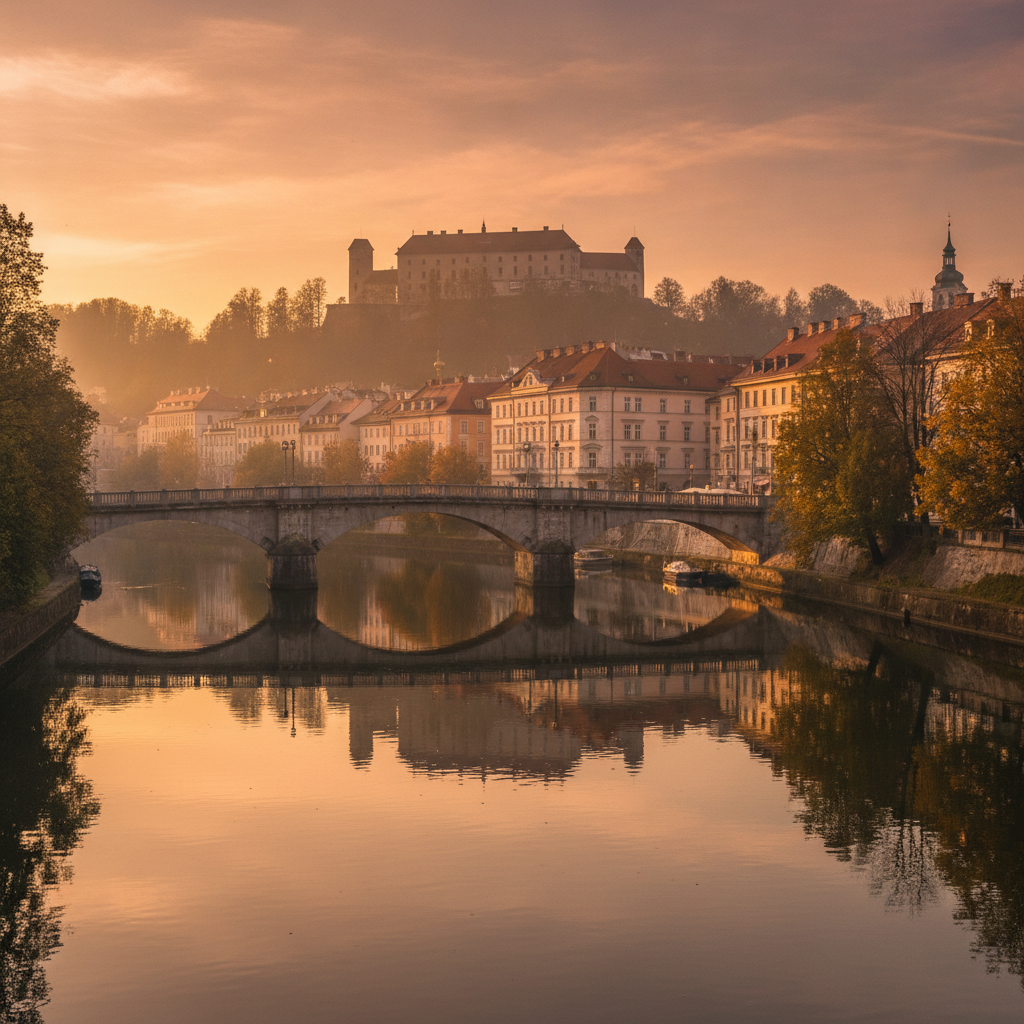
Ljubljana Essentials: Castle, Plečnik's Bridges & River Cafés
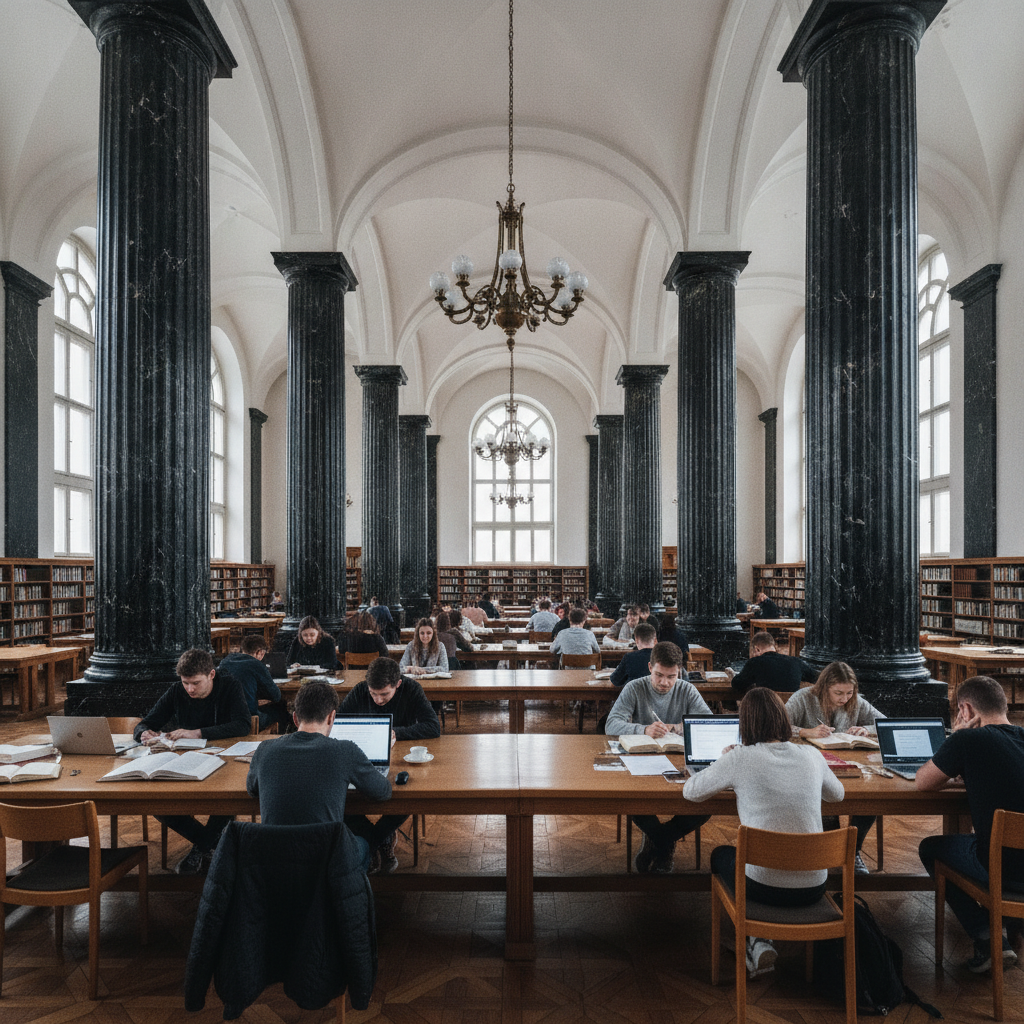
Ljubljana Art & Architecture: Plečnik's Library, Laibach & Modern Culture