The First Building in Tibet Built Before 127 BCE, the 36-Position Pulse Diagnosis System & the Child Whose 1995 Recognition by the Dalai Lama Led Immediately to His Disappearance
The Yumbulagang's pre-127 BCE construction date as the oldest building in Tibet; Tibetan medicine's 36-position pulse reading across 12 organs; the Qinghai-Tibet Plateau's 44,000 km³ glacier as the world's third-largest freshwater reservoir; Gedhun Choekyi Nyima's 1995 recognition as 11th Panchen Lama and immediate Chinese detention with unknown whereabouts; the Drepung Thangka Festival's 200x30m thangka as the largest in Lhasa; and the Monlam Chenmo 21-day continuous prayer assembly as the most concentrated Tibetan Buddhist community practice.
- 1
The Yarlung Valley – Tibet's Cradle Civilization
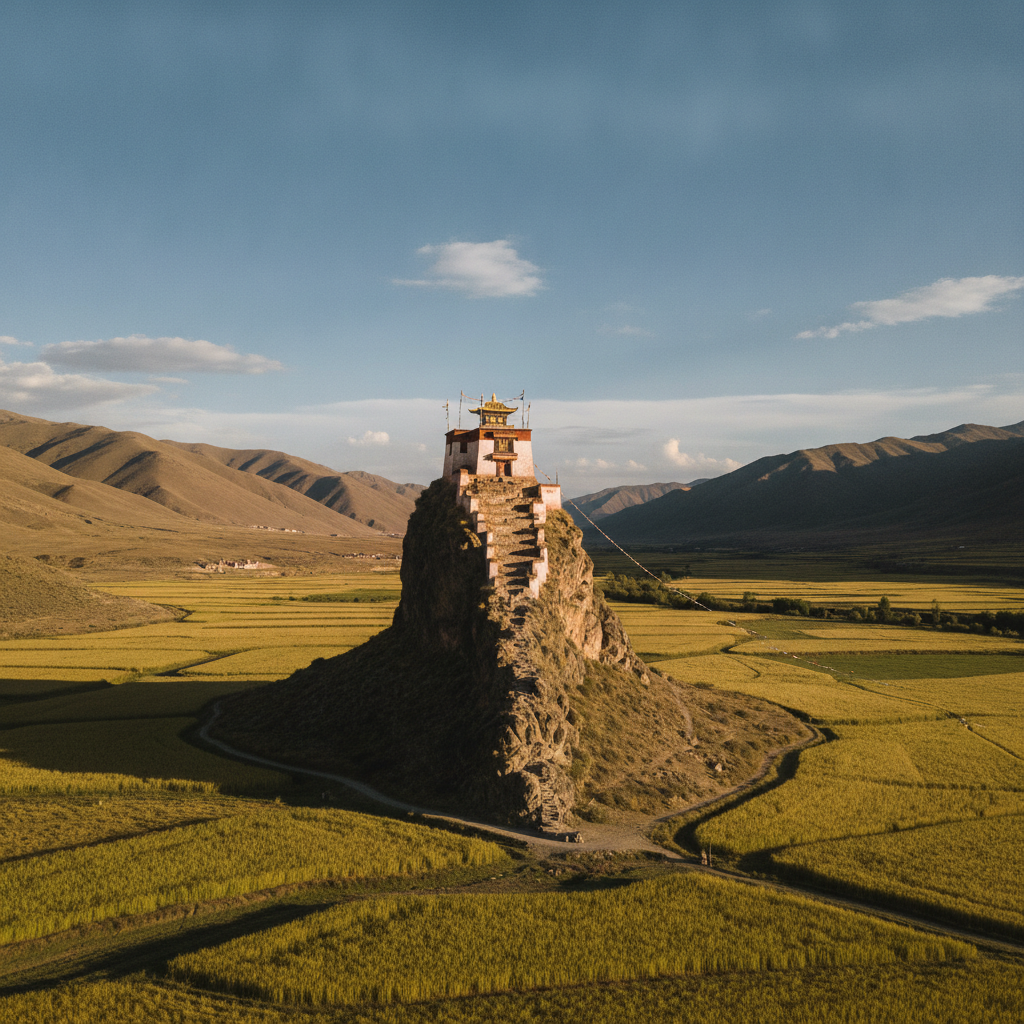
The Yarlung Valley (雅砻河谷—the valley of the Yarlung River, 180 km southeast of Lhasa near Tsetang (泽当)): the origin point of Tibetan civilization and the location of the earliest recorded Tibetan royal structures. The Tibetan creation myth (the Tibetan people trace their origin to the union of a divine monkey (the Bodhisattva Avalokitesvara in monkey form) and a rock demoness (srinmo) in the Yarlung Valley—the story recorded in the 14th-century Tibetan royal chronicle (rgyal rabs gsal ba'i me long)). The Yumbulagang (雍布拉康—the fortress-palace perched on a rock promontory above the Yarlung Valley floor—the first building constructed in Tibet (the traditional date: before 127 BCE)—the oldest building in Tibet that can be visited): the current structure (a 7th-century CE reconstruction of the original fortress—the original destroyed by Langdarma's (朗达玛) anti-Buddhist purge (838–842 CE)). The Samye Monastery (桑耶寺—the first Buddhist monastery built in Tibet (779 CE) by King Trisong Detsen (赤松德赞) with the Indian scholar Padmasambhava (Guru Rinpoche) and the Tibetan translator Śāntarakṣita): the Samye mandala (the monastery is designed as a 3-dimensional mandala of the Buddhist universe—the central Utse Rigsum temple represents Mount Meru, surrounded by 4 temples representing the 4 continents of the Buddhist cosmological map).
- 2
Tibetan Medicine – The Blue Beryl Text & Living Tradition
Tibetan medicine (བོད་ཀྱི་གསོ་བ་རིག་པ།—the traditional Tibetan medical system): the most sophisticated traditional medicine system in Asia outside of Chinese medicine, and the one most directly integrated with Buddhist philosophy. The Gyushi (rgyud bzhi—'Four Medical Tantras'—the root text of Tibetan medicine, compiled by the physician Yuthok Yonten Gonkyi in the 12th century): the text attributes the medical knowledge to the Medicine Buddha (Sangye Menla—the 'Healing Master' Buddha whose blue body represents the healing of suffering). The Blue Beryl (Vaiḍūrya sNgon po—the 17th-century commentary on the Gyushi by Regent Sangyé Gyatso (desi Sangyé Gyatso, 1653–1705)—the illustrated medical text with 79 thangka paintings depicting diagnostic techniques, medicinal plants, and anatomical diagrams—the most detailed medical illustration produced in Tibet): the Mentsikhang (Tibetan Medical and Astrological Institute—门孜康): the primary Tibetan medical institution in Lhasa (established 1916): the Mentsikhang museum contains the original Blue Beryl thangkas. The Tibetan diagnostic method (the 3 main diagnostic techniques: pulse-reading (rtsa (རྩ་) diagnosis—the most elaborate pulse diagnosis system in any traditional medicine, reading 3 positions × 3 depths × 12 organs on each wrist—36 pulse positions total): urine inspection (chu ba—the color, smell, and foam characteristics of the morning urine sample): and visual inspection of the tongue, eyes, and skin).
- 3
The Qinghai–Tibet Plateau – Ecology & Climate
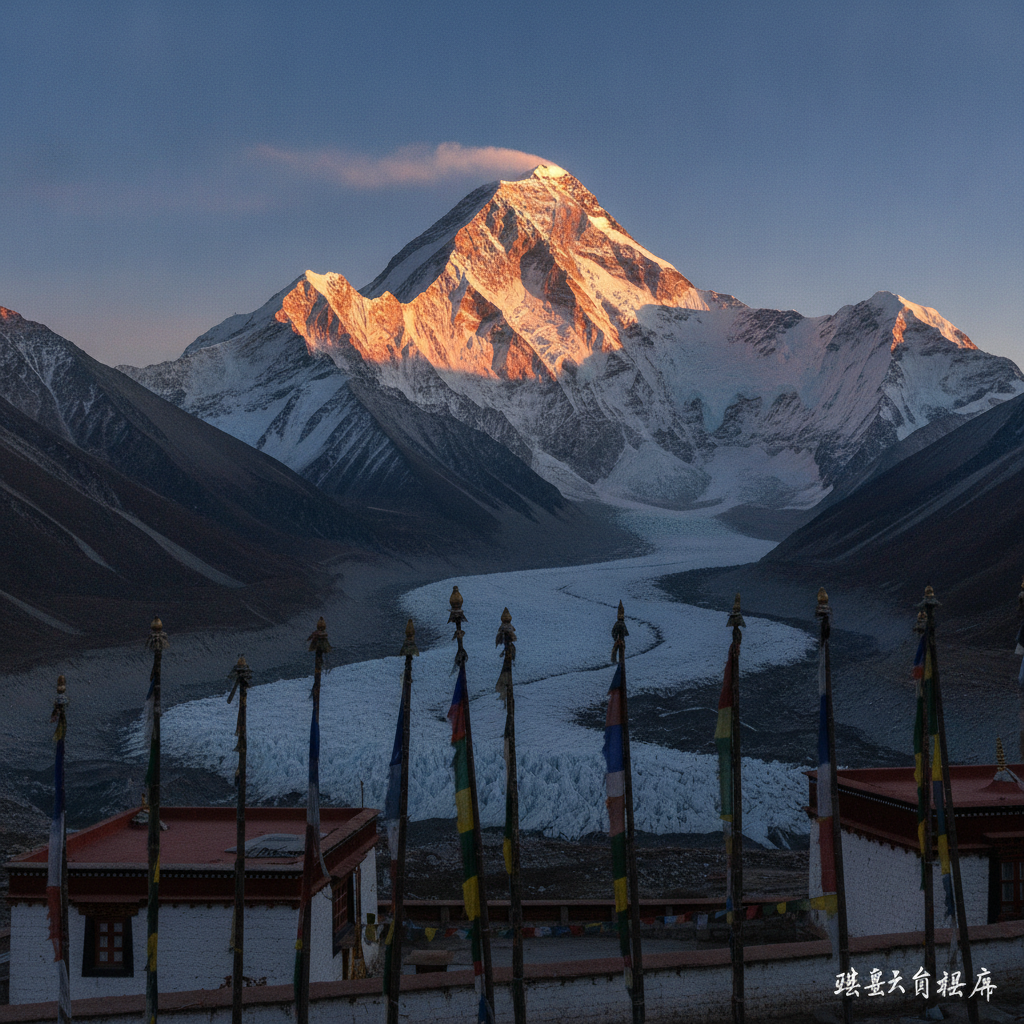
The Qinghai–Tibet Plateau (青藏高原—the 'Third Pole'): the ecological context of the Lhasa visit and the most consequential terrestrial ecosystem for Asia's climate. The plateau (the Qinghai–Tibet Plateau averages 4,500m above sea level—the largest and highest plateau on earth, covering 2.5 million km²—the 'Third Pole' designation because the plateau contains the world's third-largest freshwater ice reservoir (the Himalayan–Hindu Kush–Karakoram–Tibetan Plateau glaciers hold 44,000 km³ of freshwater—1.5% of total global freshwater reserves)): the climate regulation (the plateau drives the Asian monsoon system (the summer heating of the plateau drives the convective uplift that pulls the Bay of Bengal moisture northward as the Indian Summer Monsoon)—the plateau's albedo (reflectivity) directly regulates the temperature differential that drives the monsoon: a 1°C warming of the plateau increases monsoon rainfall in northern India by an estimated 7%): the permafrost (the Qinghai–Tibet Plateau contains 1.35 million km² of permafrost—the world's largest continuous permafrost area—the permafrost is thawing at an accelerating rate (0.2–0.5m per decade since 1980), releasing stored carbon and destabilizing the Qinghai–Tibet Railway foundations in the permafrost zones).
- 4
The Dalai Lama Institution – History & Politics
The Dalai Lama institution (the succession of 14 Dalai Lamas from 1391 to the present—the history, politics, and contemporary significance of the office): the comprehensive political and religious analysis. The tulku system (the recognition of reincarnated lamas—tulku (སྤྲུལ་སྐུ།)—is the distinctive Tibetan Buddhist innovation in religious succession: the identification of a child as the reincarnation of a deceased high lama, verified through recognition tests (the child identifies the predecessor's belongings from a selection)). The political Dalai Lama (from the 5th Dalai Lama (1617–1682) to the 14th—the Dalai Lama has served as both the spiritual and temporal (political) ruler of Tibet—the 5th Dalai Lama unified Tibet by enlisting the military support of the Mongol ruler Gushri Khan in 1642): the Chinese Communist Party and the Dalai Lama succession (the Chinese government claims the authority to approve the reincarnation of the Dalai Lama under the 'Measures for the Management of the Reincarnation of Living Buddhas in Tibetan Buddhism' (2007): the current 14th Dalai Lama (b. 1935) has stated that his successor may be born outside Tibet, potentially ending the Tibetan Plateau succession for the first time in 600 years): the Panchen Lama dispute (the Panchen Lama—the second-highest Gelug lama—Gedhun Choekyi Nyima was recognized by the 14th Dalai Lama in 1995 as the 11th reincarnation but was immediately detained by Chinese authorities—his whereabouts are unknown as of 2024).
- 5
Lhasa Accommodation – Guesthouses to Grand Hotels
The Lhasa accommodation guide (the hotels and guesthouses for the altitude-adjusted traveler in Tibet's most regulated destination). Budget (¥80–200/night): the traditional Tibetan guesthouses in the Barkhor neighborhood (the guesthouses on and around the Barkhor circuit—the rooftop terrace rooms facing the Jokhang are the most atmospheric rooms in Lhasa at any price point): the Woeser Hotel (Woser Binguan—沃色宾馆—the most recommended Tibetan-owned mid-budget guesthouse on the Barkhor circuit, with rooftop views of the Jokhang golden roof). Mid-range (¥400–800/night): the Kyichu Hotel (吉曲宾馆—the closest 3-star hotel to the Barkhor circuit with Tibetan-decorated rooms and a rooftop Jokhang view): the Yak Hotel (牦牛宾馆—the most long-established mid-range hotel in Lhasa with the strongest traveler community—the hotel restaurant serves the best Western-Tibetan fusion breakfast in the city). Luxury (¥1,200–4,000/night): the Shambhala Palace (香巴拉宫—Shangri-La Lhasa—the most luxurious hotel in Lhasa, built in traditional Tibetan architectural style with yak-leather furniture and the only hotel in Lhasa with an indoor swimming pool): the altitude acclimatization amenity (the Shangri-La Lhasa's supplemental oxygen in all rooms is the most important luxury amenity at altitude—the other luxury hotels provide oxygen on request rather than as a standard amenity).
- 6
Lhasa's Tibetan Festivals – The Sacred Calendar
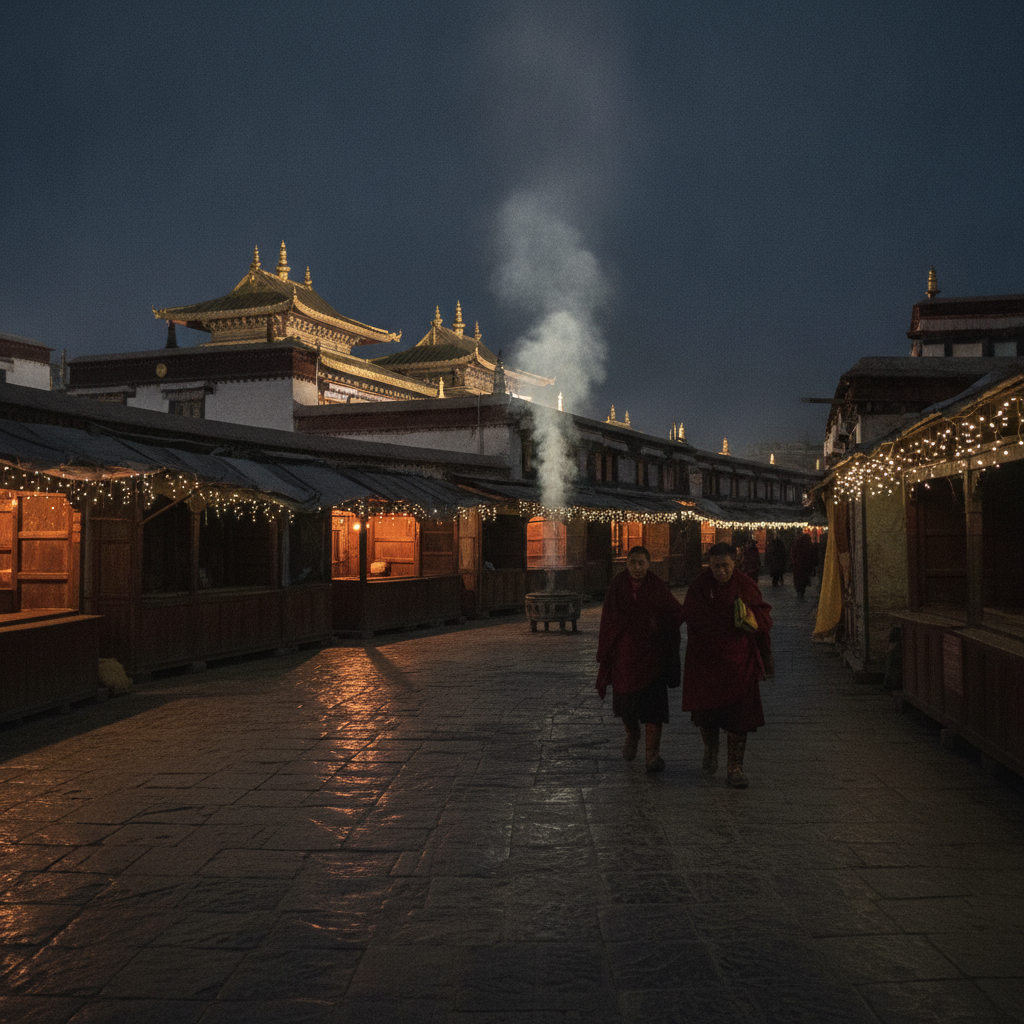
The Lhasa Tibetan festival calendar (the religious festivals that transform the atmosphere of Lhasa and the Jokhang-Barkhor area—the events most worth timing a visit for): the annual calendar. Losar (Tibetan New Year—ལོ་གསར།—usually January or February): the most important Tibetan festival (the New Year celebration combines family gathering, ritual offering, and the Great Prayer Festival (Monlam Chenmo) that follows Losar in the Jokhang—the Monlam festival involves thousands of monks gathering in the Jokhang for 21 days of continuous prayer, the most concentrated expression of Tibetan Buddhist community practice in Lhasa). Saga Dawa (sa ga zla ba—the 4th Tibetan lunar month, May–June): the month commemorating the Buddha's enlightenment and parinirvana—the most sacred Tibetan Buddhist month in which the merit of religious practice is multiplied: the Barkhor circumambulation activity increases dramatically throughout the month with pilgrims from across Tibet converging on Lhasa. The Shoton Festival (雪顿节—'Yogurt Festival'—late August): the Tibetan opera festival: the Norbulingka park fills with Lhasa residents for 7 days of Lhache opera performances (Tibetan classical opera—the Ache Lhamo style): the Drepung Thangka Festival (the 200m × 30m giant thangka painting is displayed on the Drepung Monastery hillside at dawn on the 1st day of Shoton—the largest thangka in Lhasa).
Walk this route with audio
Stories play automatically as you reach each stop — no tapping needed.
More in Lhasa
The Escape in a Soldier's Disguise in 1959, the Paving Stones Worn Concave by 1,380 Years of Pilgrim Feet & the Observatory at 5,100 Meters That Studies the Clearest Sky in Asia
The 1,380-Year Pilgrimage Circuit That Has Been Walked Every Day Since 639 CE, the Golden Tomb Containing 18,680 Taels of Gold & the Train That Crosses 5,072 Meters to Reach the World's Highest Capital
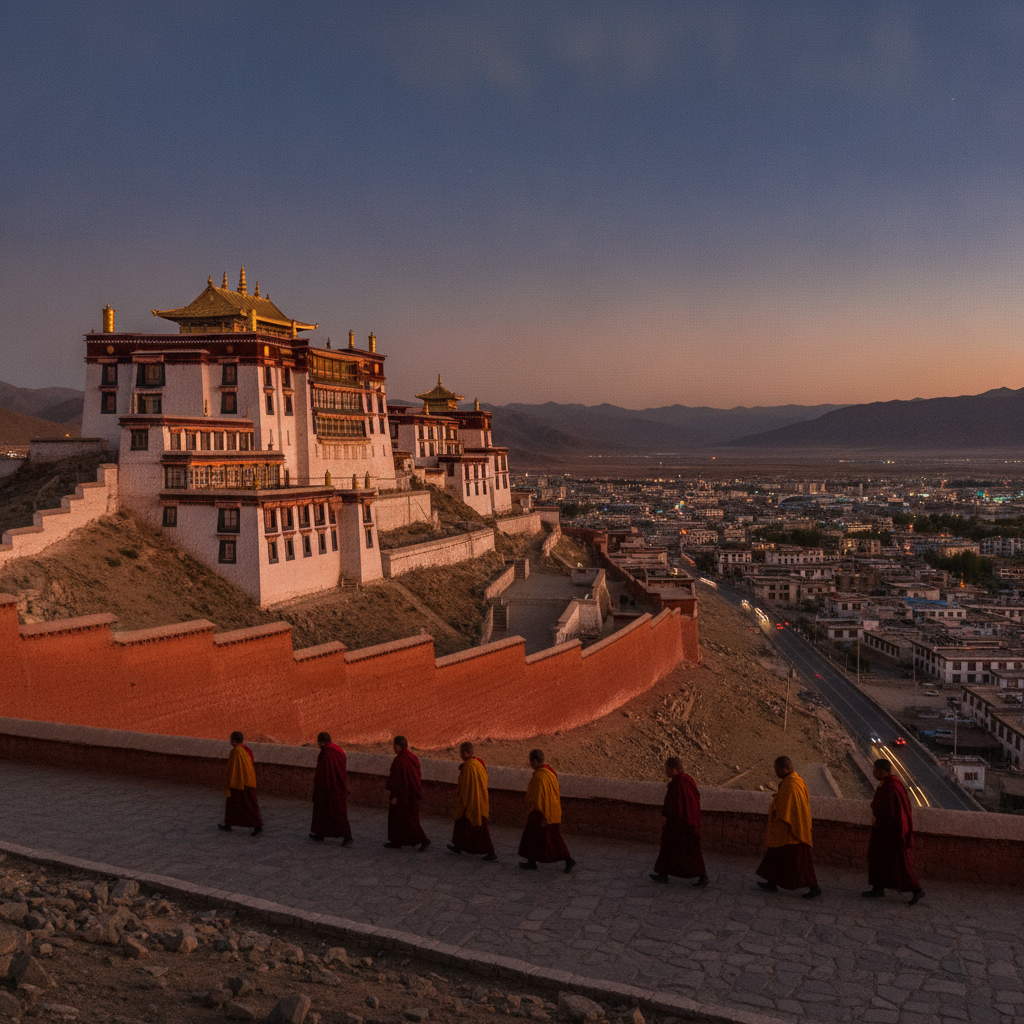
The Snow Leopard With a 35% Sighting Probability in 7 Days, the Shahtoosh Shawl That Required Killing 5 Antelopes & the 26-Meter Copper Buddha Plated With 300 kg of Gold
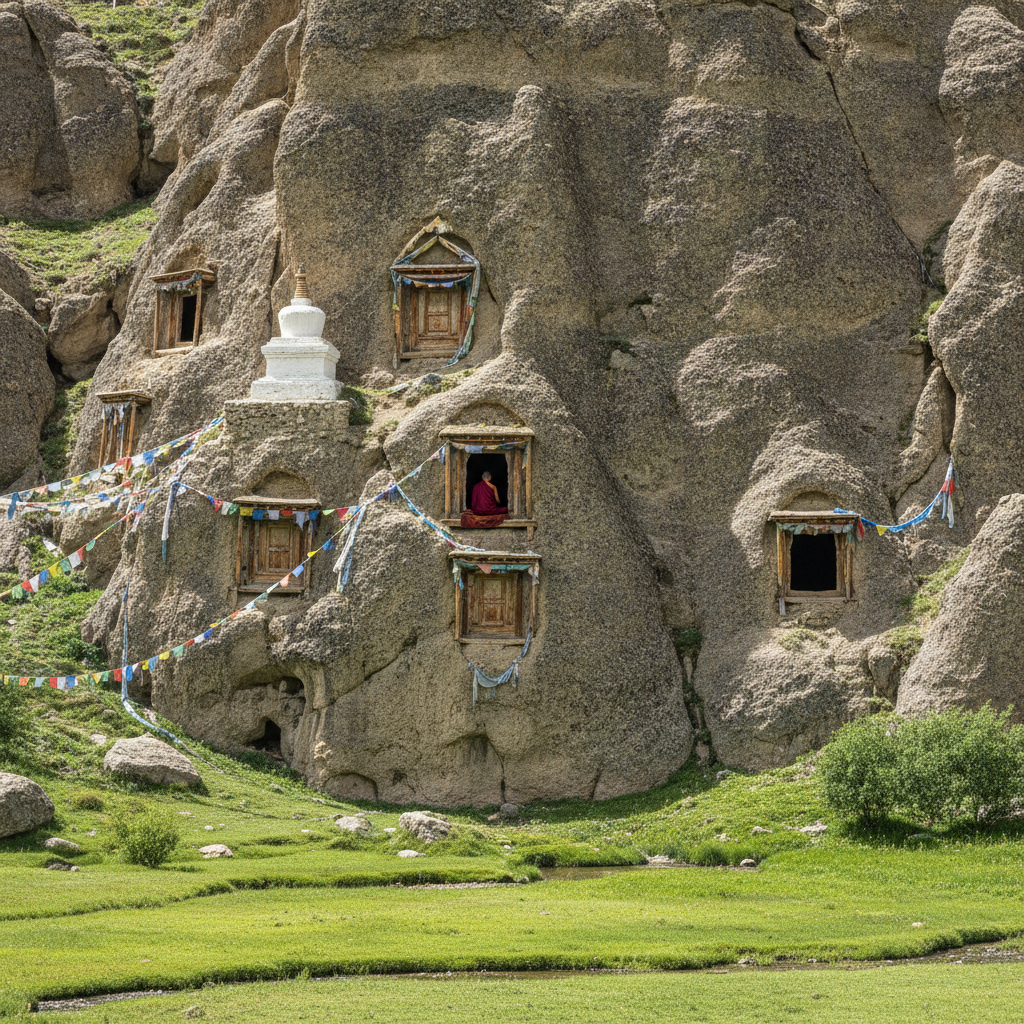
The 42 Meditation Caves Where Padmasambhava Subdued Tibet's Spirit World, the Yak-Hair Tent That Waterproofs Itself in Rain & Why the Kathmandu-to-Lhasa Overland Circuit Is the Most Complete Himalayan Experience