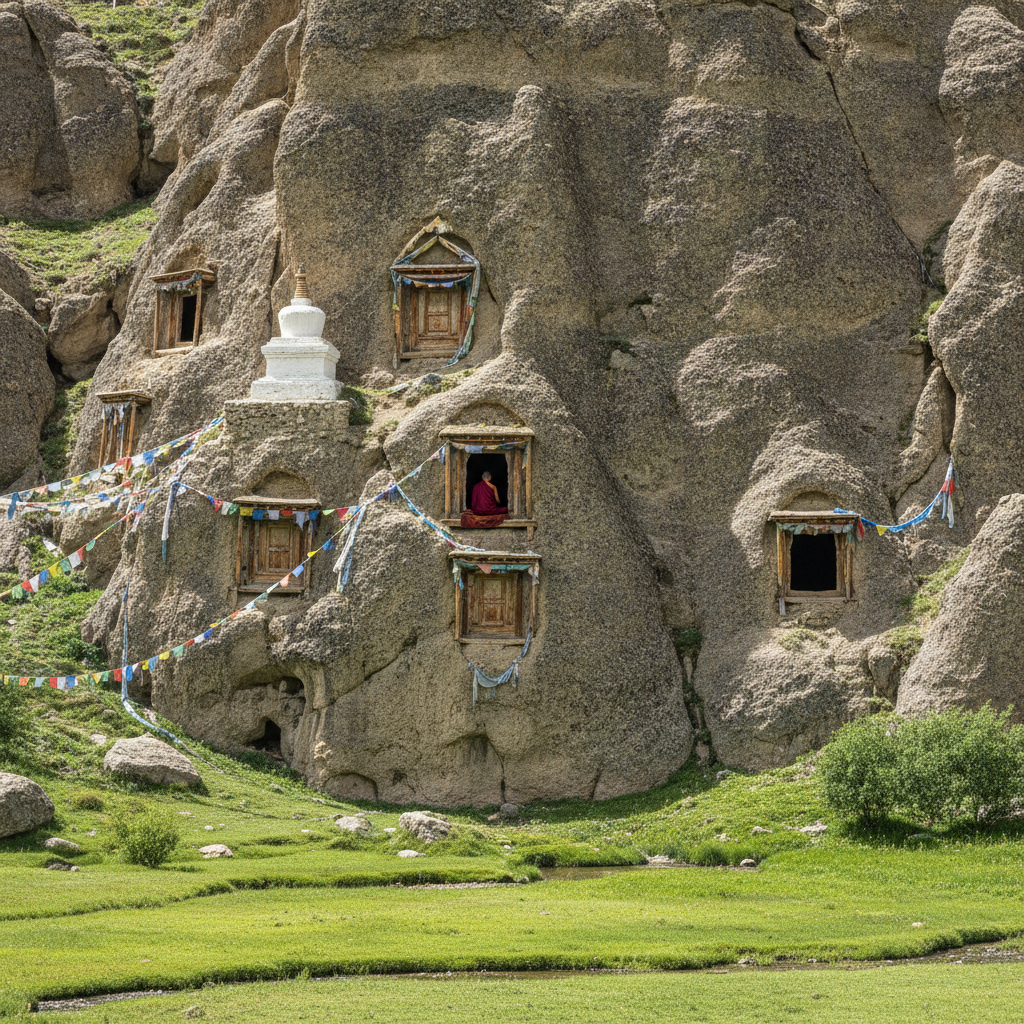
The 6,009-Meter Canyon Three Times Deeper Than the Grand Canyon, the Butter Lamp Festival Illuminating the Barkhor Until Midnight & the 35% Arterial Oxygen Reduction in Your First 24 Hours in Lhasa
The Yarlung Tsangpo Canyon at 6,009m as the world's deepest canyon three times deeper than the Grand Canyon; the proposed Motuo Dam's 70,000 MW capacity exceeding the Three Gorges; the Butter Lamp Festival's yak-butter sculptures illuminating the Barkhor from sunset to midnight; AMS Lake Louise Score for clinical diagnosis; Rongbuk Monastery at 4,980m as the world's highest monastery facing the North Face of Everest; and the Friendship Highway crossing 5 passes above 4,500m in 650 km.
- 1
The Yarlung Tsangpo – River at the Roof of the World
The Yarlung Tsangpo (雅鲁藏布江—the major river of Tibet, the source of the Brahmaputra River): the world's highest major river (average elevation 4,000m) and the river with the world's deepest canyon. The Yarlung Tsangpo Grand Canyon (雅鲁藏布大峡谷—the canyon between the Namcha Barwa (南迦巴瓦峰, 7,782m) and Gyala Peri (加拉白垒峰, 7,294m) peaks): the specifications (the Yarlung Tsangpo canyon is 504.9 km long and reaches a maximum depth of 6,009m—the deepest canyon on earth by both length and depth, exceeding the Grand Canyon (1,857m depth) by a factor of 3): the hydroelectric potential (the Yarlung Tsangpo drops 2,200m in elevation in the final 200 km before crossing into India—the hydroelectric potential of the great bend is estimated at 70,000 MW, greater than the Three Gorges Dam—the Chinese government approved construction of the Motuo Hydropower Dam on the Tsangpo in 2021, the world's largest hydropower project by planned capacity). The Tsangpo as the Brahmaputra (the river crosses the Himalayan range and becomes the Brahmaputra (ব্রহ্মপুত্র) in Arunachal Pradesh, India, then flows through Bangladesh as the Jamuna before joining the Ganges in the Bay of Bengal): the water use conflict (the Brahmaputra provides 30% of Bangladesh's total water supply and the downstream impact of the Motuo Dam on seasonal flow is the most contested water rights issue in South Asia).
- 2
Tibetan Music & Performing Arts
The performing arts of Tibet (the musical and theatrical traditions that are the least accessible to foreign visitors due to language barriers but the most immersive cultural encounter available in Lhasa): the performing arts guide. The Tibetan opera (ལྷ་མོ།—Lhamo—'Divine Woman'—the traditional Tibetan theatre form): the Ache Lhamo style (the style performed in Lhasa and throughout central Tibet—the performer combination of elaborate painted facial masks, silk brocade costumes, and the characteristic high-pitched vocal style): the Shoton Festival performance (the most accessible Ache Lhamo performance schedule—the 7-day Shoton Festival in August presents continuous full-length operas in the Norbulingka park from 08:00–18:00): the opera stories (the 8 canonical Ache Lhamo stories—including the 'Nangsa Öbum' (the story of a noblewoman who achieves enlightenment through the determination to transcend worldly obligations)—performed in the Tibetan language with no translation available). The Tibetan music instruments (the rgyang-dung (རྒྱང་དུང་—the long ceremonial trumpet, 3–5m long, producing a low rumbling tone used to announce the arrival of high lamas): the dung-chen (long copper horn, the instrument used in the Potala Palace ceremonial ensemble): the gyaling (the Tibetan oboe, derived from the Indian shehnai): the damyen (the Tibetan lute, derived from the Chinese erhu via Mongolia): the rolmo (the Tibetan cymbals, used in pairs to mark the beats of liturgical music).
- 3
Tibetan Buddhism's Global Spread – From Lhasa to the West
The global spread of Tibetan Buddhism from Lhasa (the history of how the Vajrayana tradition traveled from the Tibetan Plateau to the rest of the world): the contemporary global community. The 1959 diaspora (the flight of the 14th Dalai Lama and approximately 80,000 Tibetan refugees to India in 1959 created the Tibetan diaspora communities across India, Nepal, Bhutan, and gradually across Europe and North America—the diaspora that transmitted Tibetan Buddhism to the West for the first time). The Dharamsala center (McLeod Ganj (upper Dharamsala), Himachal Pradesh, India—the seat of the Tibetan Government-in-Exile and the residence of the 14th Dalai Lama since 1960): the Tibetan Institute of Performing Arts (TIPA): the Tibetan medical clinic: the Tibetan Children's Village schools. The Western Dharma centers (the network of Tibetan Buddhist centers established in the West following the diaspora: the Rigpa network (founded by Sogyal Rinpoche); the FPMT (Foundation for the Preservation of the Mahayana Tradition, founded by Lama Thubten Yeshe at Kopan Monastery, Nepal, 1969)); the Naropa University (Boulder, Colorado—the first Buddhist-inspired university in the West, founded by Chögyam Trungpa Rinpoche in 1974). The Tibetan Buddhism conversion statistics (the Rigpa network has approximately 130 centers in 41 countries (2024)—the fastest-growing Buddhist denomination in Western Europe since 1990).
- 4
Lhasa in Winter – The Off-Season Advantage
The Lhasa winter experience (November–February): the season that provides the most intimate encounter with Tibetan Buddhist practice and the fewest tourist crowds. The winter climate (Lhasa in winter: average temperatures 0°C to +10°C (daytime), -10°C to -5°C (night)—the winter is the driest season with the most clear-sky days—the thinner winter atmosphere at 3,656m in clear cold air produces the most saturated blue sky of any season): the tourist numbers (winter visitor numbers are approximately 15% of peak summer volumes—the Barkhor circuit, the Jokhang, and the Potala are accessible without queuing): the monastery life (the winter is the most active season in the Tibetan Buddhist ritual calendar—the Monlam Prayer Festival (the Great Prayer Festival) falls in February–March, the most concentrated gathering of monks in Lhasa's temple courtyards). The winter festivals: Lhabab Düchen (ལྷ་བབས་དུས་ཆེན།—the festival commemorating the Buddha's descent from the Tushita Heaven—the 22nd day of the 9th Tibetan month, October–November): Ganden Ngamchoe (the anniversary of Je Tsongkhapa's death—the 25th day of the 10th Tibetan month, November–December): the butter lamp festival (the Butter Lamp Festival on the 15th day of the 1st Tibetan month—February–March): the most spectacular single night of illumination in Lhasa (the Barkhor circuit lined with thousands of yak-butter sculptures and lamps lit from sunset until midnight).
- 5
Altitude Physiology – The Science of Surviving at 3,656m
The altitude physiology guide for Lhasa (the science of what happens to the human body at 3,656m and how to manage the effects): the medically accurate guide. The altitude (at 3,656m, the atmospheric pressure is approximately 63% of sea-level pressure—the partial pressure of oxygen (pO₂) is similarly reduced—the arterial oxygen saturation (SpO₂) of a healthy sea-level adult decreases from the normal 98–99% at sea level to 85–92% in the first 24 hours at Lhasa altitude): Acute Mountain Sickness (AMS—高原反应): the AMS incidence at 3,500–4,000m: 25–40% of visitors experience mild to moderate AMS: the Lake Louise Score (the standard AMS severity assessment: 1 point each for headache, nausea/vomiting, fatigue/weakness, dizziness; an additional 1 point for poor sleep—a score of 3+ indicates clinical AMS): acetazolamide (Diamox—the pharmaceutical AMS prophylactic used by altitude-inexperienced visitors: dose 125mg twice daily, starting 24 hours before ascent—effective in 75% of users but causes increased urination and tingling of the fingers and toes): the 'Golden Rule' of altitude sickness (the single rule endorsed by all altitude medicine guidelines: 'if you feel unwell at altitude, descend'—the Lhasa hospital (西藏自治区人民医院) has a hyperbaric chamber for severe AMS cases): the acclimatization timeline (most visitors are 80–90% acclimatized to Lhasa's altitude by day 5—the maximum physical capacity at altitude is typically reached after 4–6 weeks of continuous residence).
- 6
The Himalayas From Lhasa – Peaks, Views & Trekking
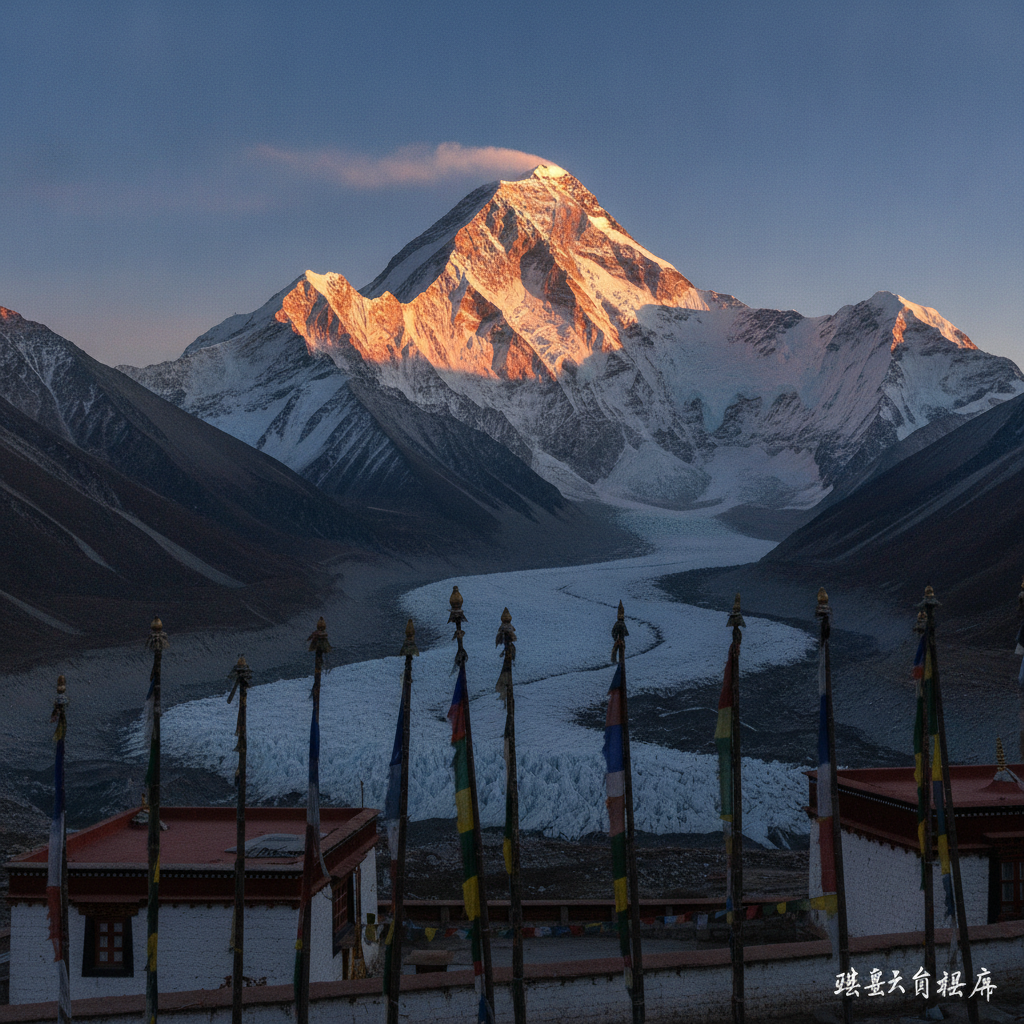
The Himalayan landscape accessible from Lhasa (the views and access to the world's highest mountain range from the world's highest capital): the Himalayan guide. The Friendship Highway (友谊公路—the G318 highway from Lhasa to the Nepal border at Zhangmu/Kodari (樟木口岸)): the route profile (the highway crosses 5 Himalayan passes above 4,500m in 650 km—the most Himalayan pass concentration of any single road journey in the world): the Gyatso La pass (姐错拉—5,220m—the highest point on the Friendship Highway, with the most complete panoramic view of the Himalayan main range from the road). The Cho Oyu view (卓奥友峰, 8,201m—the 6th highest mountain in the world, visible from the Friendship Highway between Shigatse and Tingri): the Makalu view (马卡鲁峰, 8,485m—the 5th highest): the Lhotse view (洛子峰, 8,516m—the 4th highest). The Everest North Face (the view of the Everest North Face from the Chinese base camp (5,200m)—the most accessible high-altitude mountain view for non-mountaineers on earth): the Rongbuk Monastery (绒布寺—the highest monastery in the world at 4,980m—the monastery that faces the North Face of Everest across the Rongbuk Glacier): the trekking (the Everest East Base Camp via the Kangshung Glacier (康雄冰川)—the most remote Everest face, accessible only with a specialized trekking permit and a minimum 14-day itinerary from Lhasa).
Walk this route with audio
Stories play automatically as you reach each stop — no tapping needed.
More in Lhasa
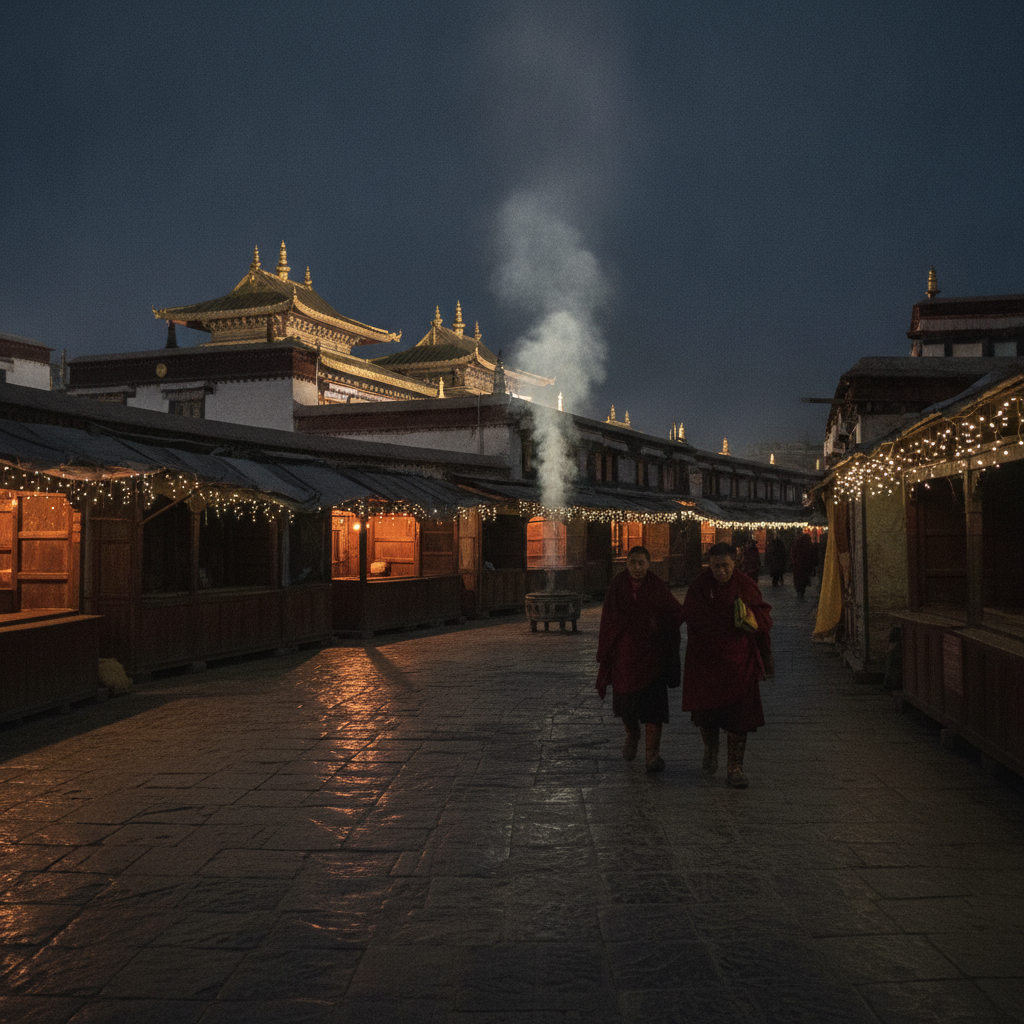
The Escape in a Soldier's Disguise in 1959, the Paving Stones Worn Concave by 1,380 Years of Pilgrim Feet & the Observatory at 5,100 Meters That Studies the Clearest Sky in Asia
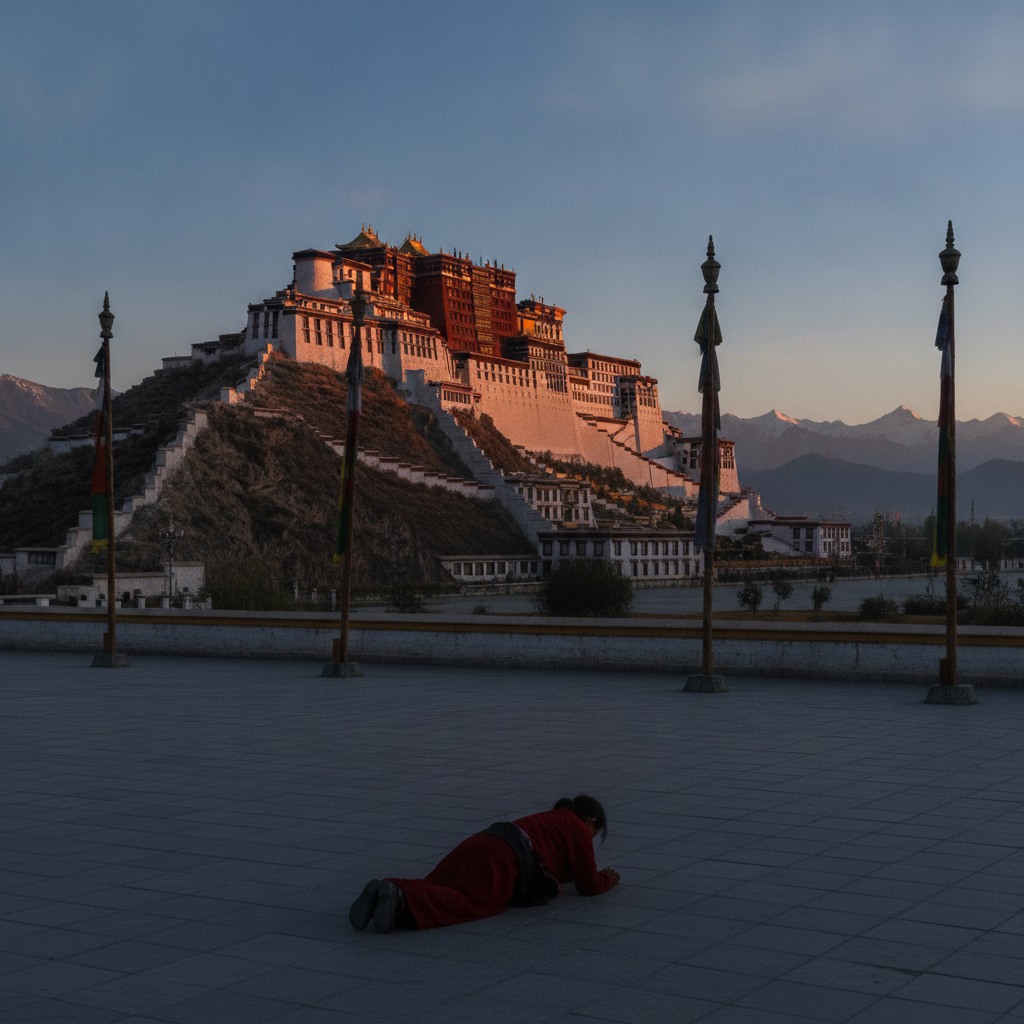
The 1,380-Year Pilgrimage Circuit That Has Been Walked Every Day Since 639 CE, the Golden Tomb Containing 18,680 Taels of Gold & the Train That Crosses 5,072 Meters to Reach the World's Highest Capital
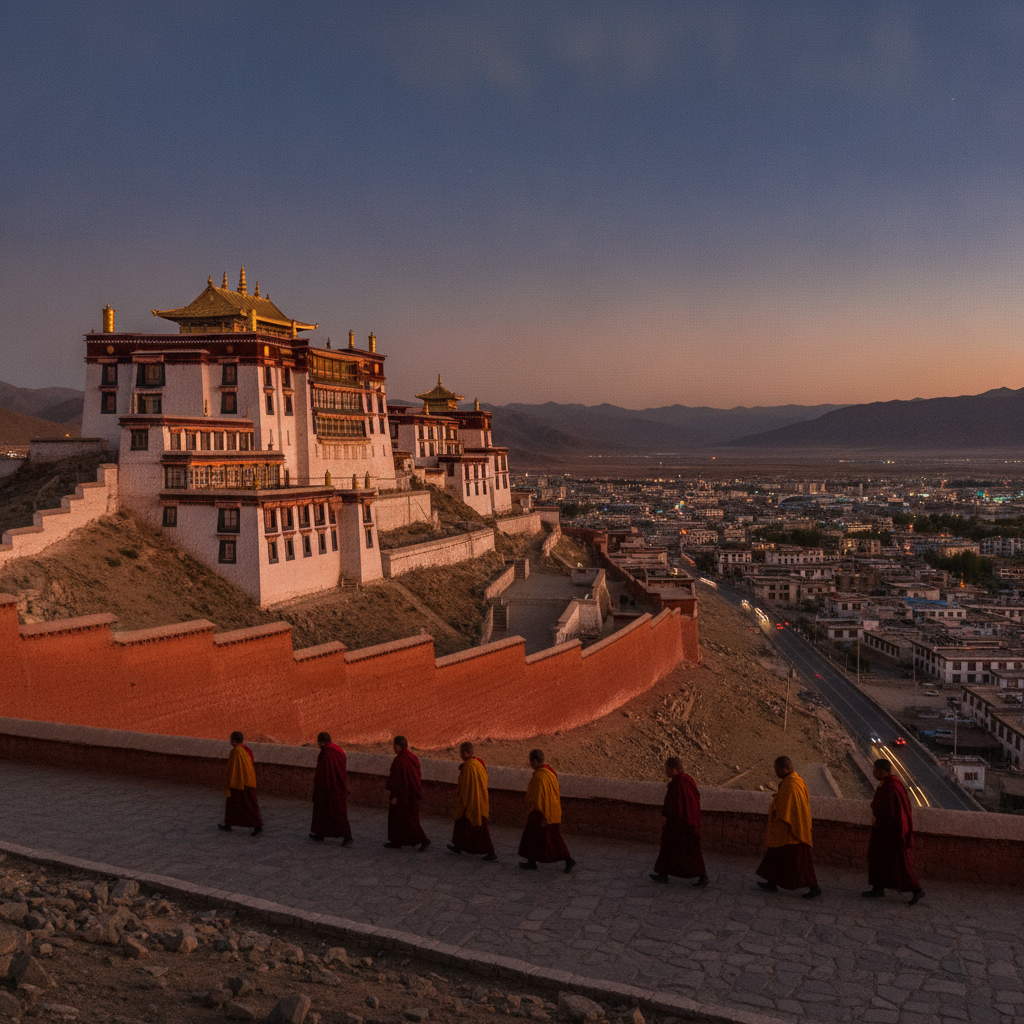
The Snow Leopard With a 35% Sighting Probability in 7 Days, the Shahtoosh Shawl That Required Killing 5 Antelopes & the 26-Meter Copper Buddha Plated With 300 kg of Gold
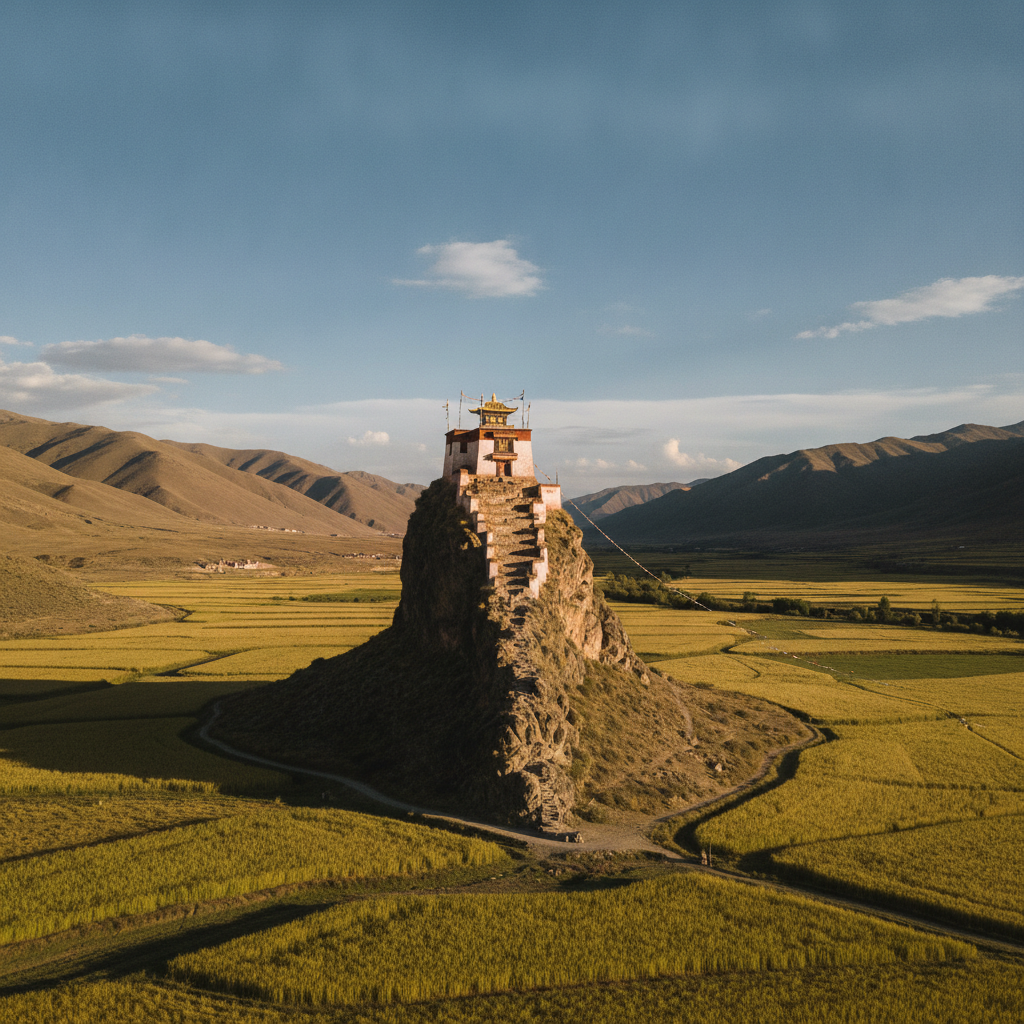
The First Building in Tibet Built Before 127 BCE, the 36-Position Pulse Diagnosis System & the Child Whose 1995 Recognition by the Dalai Lama Led Immediately to His Disappearance