Amacayacu: Colombia's Amazon Heart
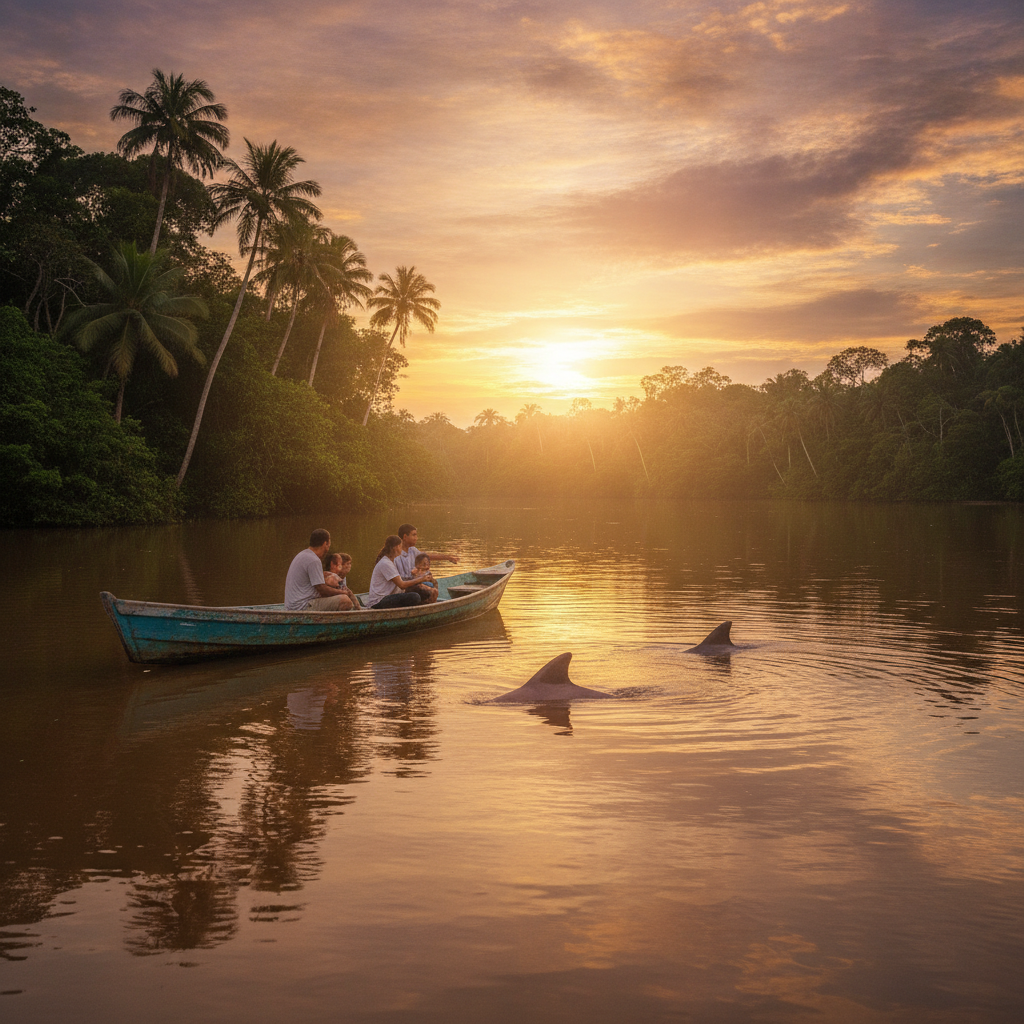
The Parque Nacional Amacayacu — 70 km upriver from Leticia — protects 293,000 hectares of primary Colombian Amazon; the park's indigenous communities, the wildlife density, and the Victoria amazonica lakes are among the Amazon's finest accessible experiences
- 1
Amacayacu Primary Forest
Amacayacus primary forest has been little disturbed — the biodiversity is extraordinary; scientists have documented 4,000 plant species, 150 mammals, 500 bird species and over 2,000 plant species in the park; the ecological integrity makes every walk a nature experience
- 2
Victoria Amazonian Lakes
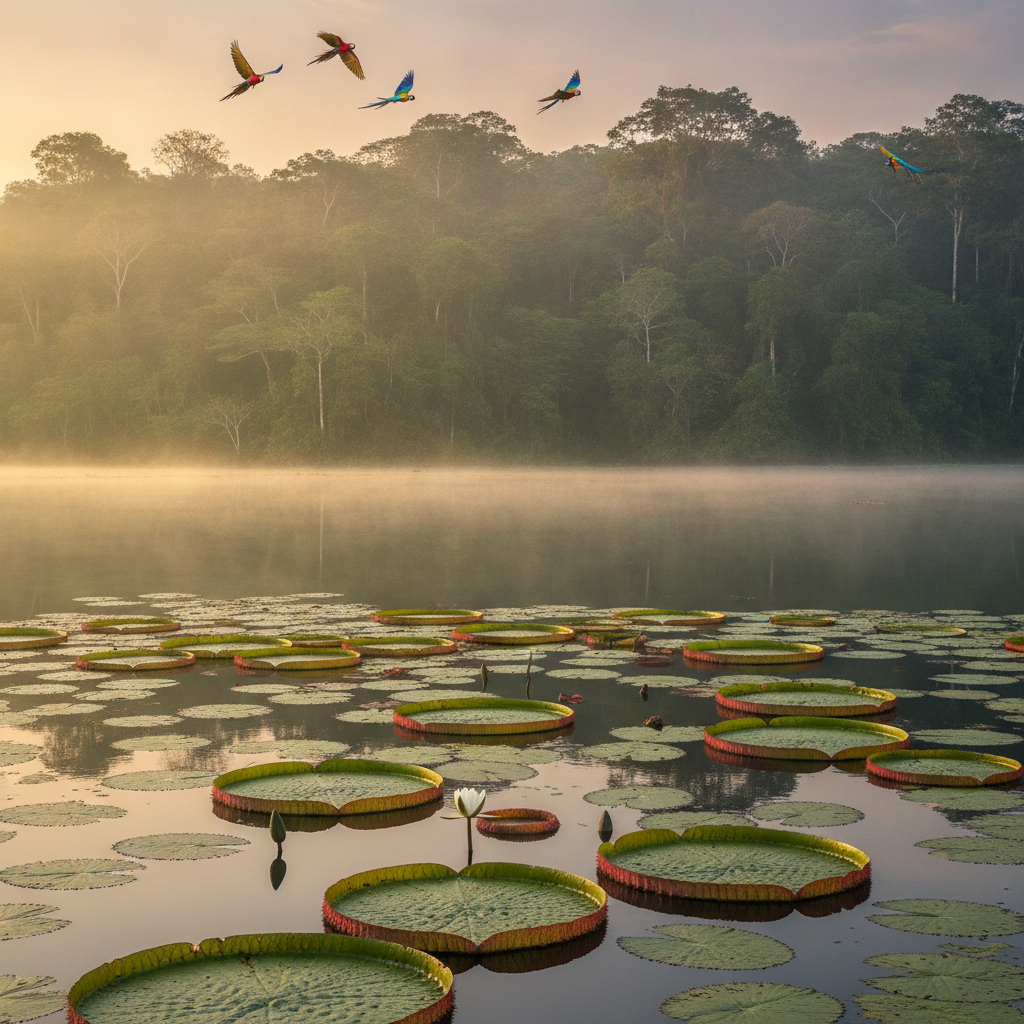
Victoria amazonica - the giant water lily first described from the Amazon - grows in the flooded oxbow lakes (cochas) within Amacayacu; the giant cushions (up to 3 m diameter) and the night-blooming flowers (white the first night, pink the second) are extraordinary botanical spectacles
- 3
Mocagua Indigenous People
The Mocagua community in Amacayacu Park – a village in Tikuna – manages community-based tourism; the village's manatee rehabilitation center, the guided forest walks and the craft production create a model of indigenously managed park tourism
- 4
Monkey Clay Lick
A mud lick in Amacayacu Park attracts troops of woolly monkeys, squirrel monkeys and capuchins in the morning - the mud provides minerals that the forest diet lacks; observing 50-100 monkeys at a mud lick from a hidden position is extraordinary
- 5
Macaw Clay Lick
Amacayacu Park has a macaw mud lick — which attracts red and blue-yellow macaws; the morning assembly, with the parrots arriving in waves of colored wings, is one of the Amazon's most spectacular wildlife events
- 6
Bird watching in Amacayacu
The Amacayacu bird list (500+ species) includes many Amazonian specialties — the zigzag heron, the agami heron, the harpy eagle, and the razor-billed curassow are all recorded; the park's isolation and the intact forest mean birds are abundant and fearless
Walk this route with audio
Stories play automatically as you reach each stop — no tapping needed.
More in Leticia
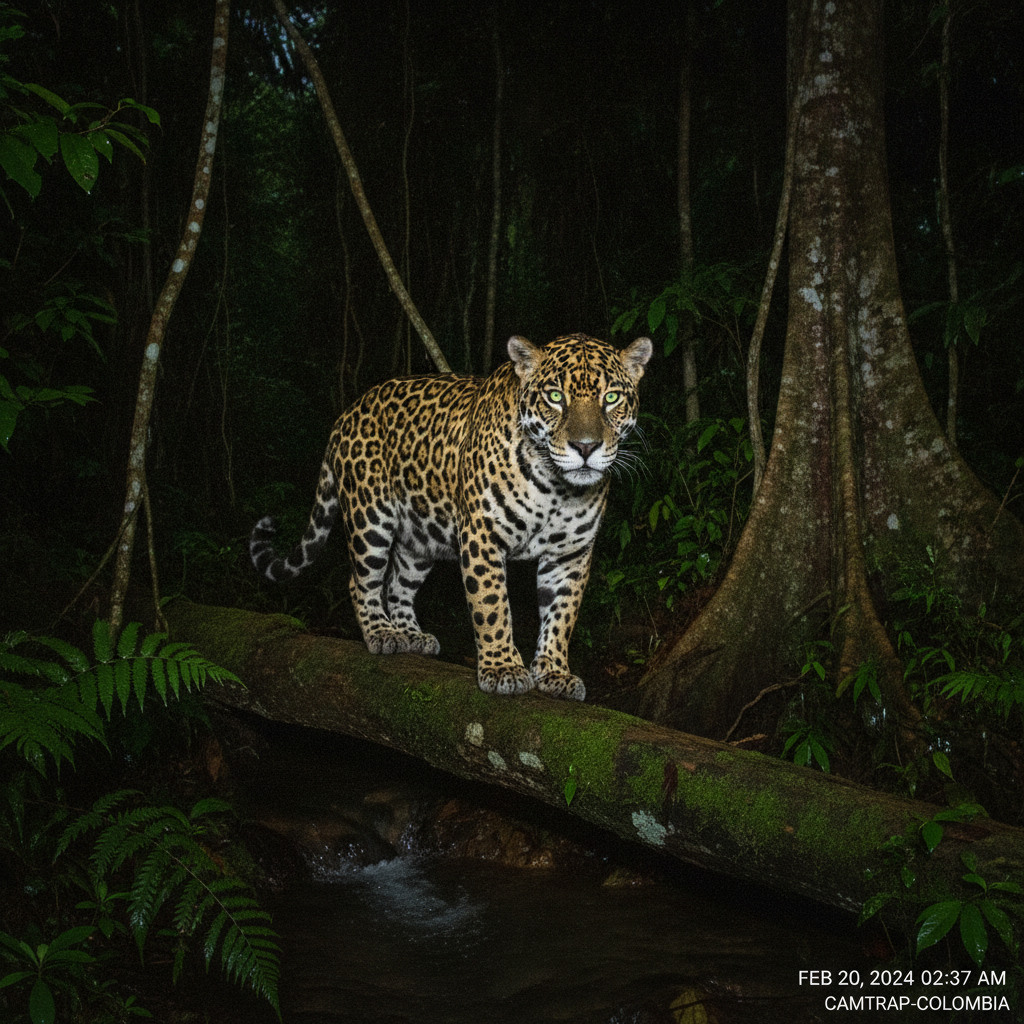
Colombian Amazon Wildlife: Jaguars, Tapirs & River Dolphins
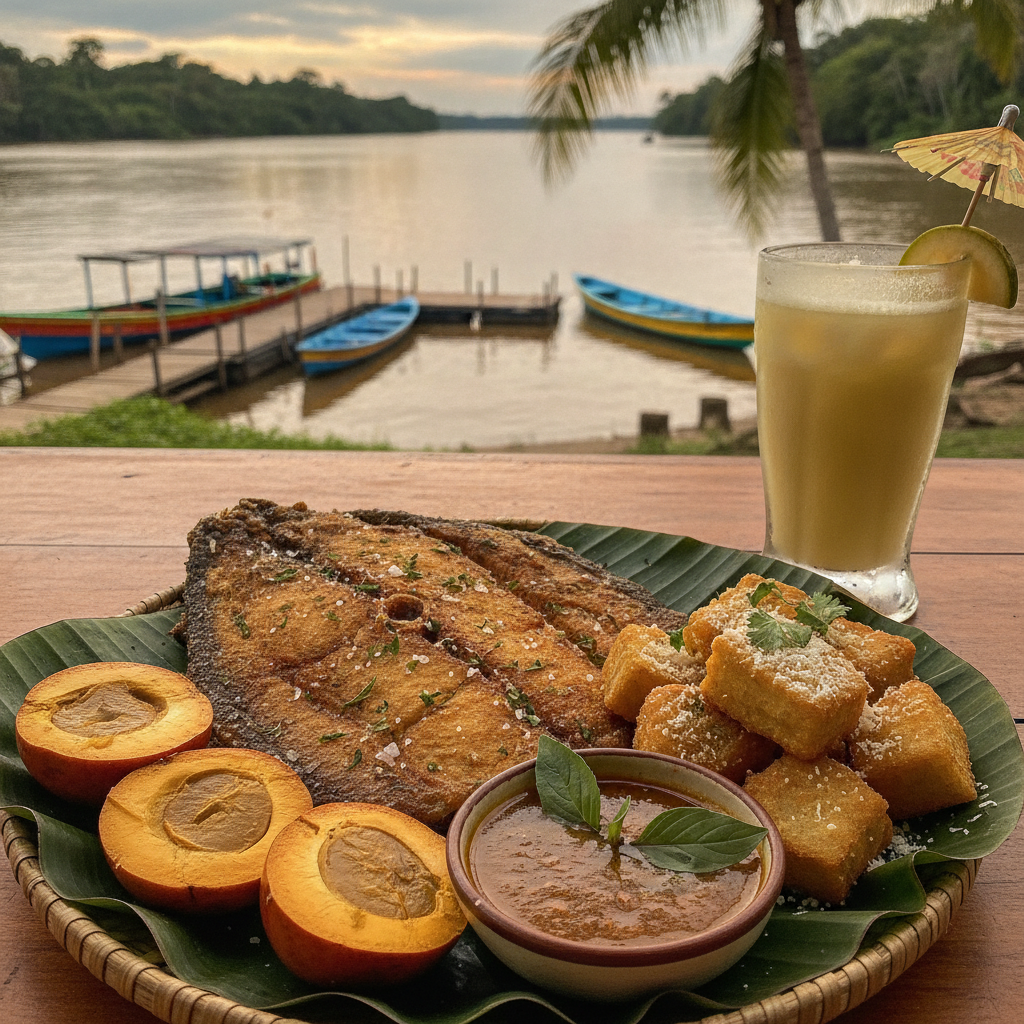
Leticia: Eating at the Amazon's Crossroads
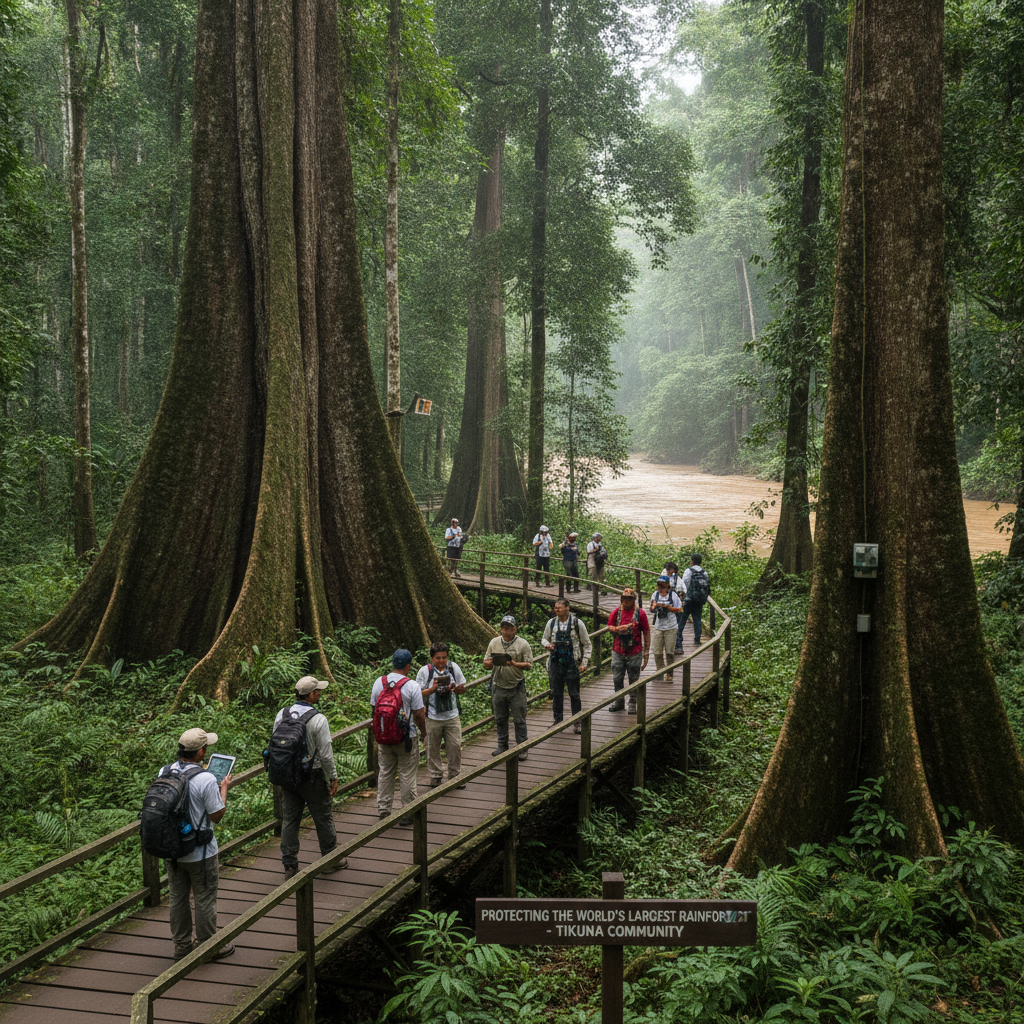
Leticia: Protecting the Heart of the Amazon
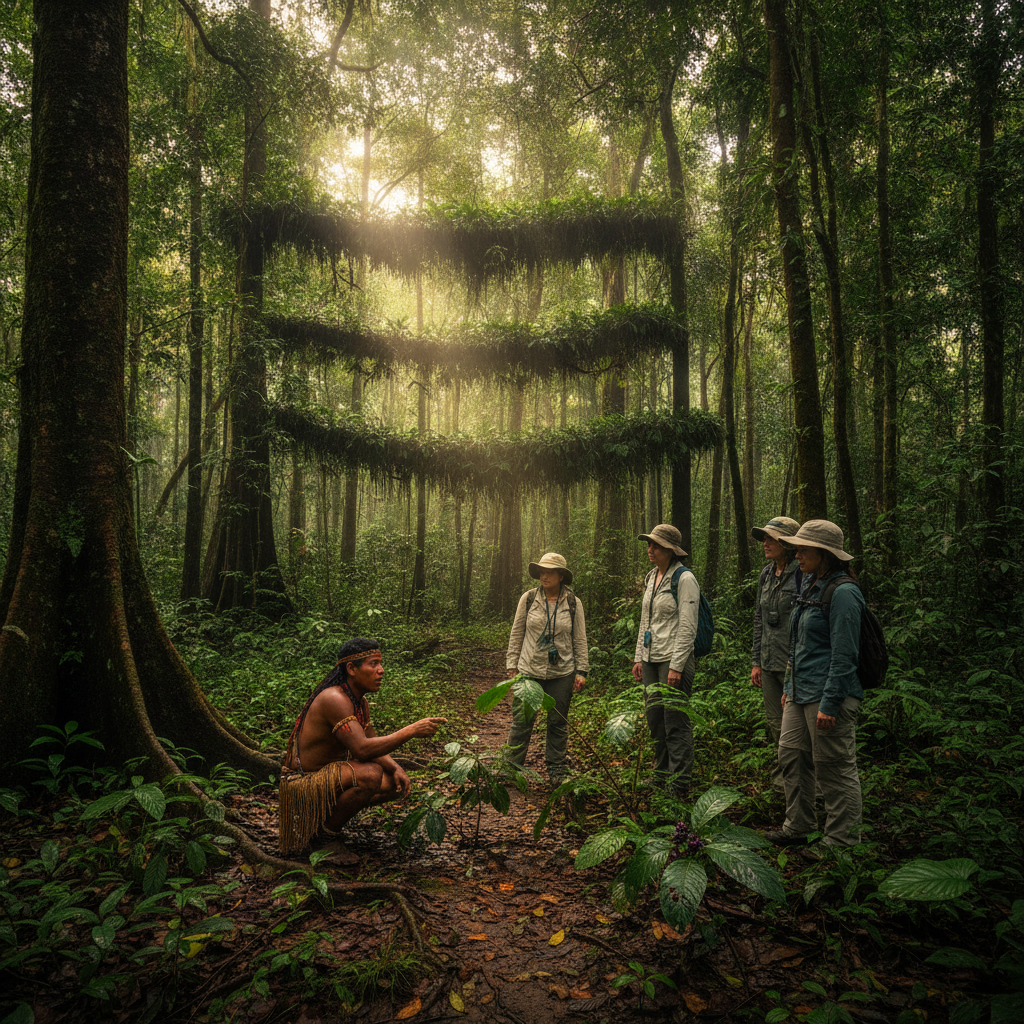
Amazon Forest Walk: Medicinal Plants & Primary Jungle
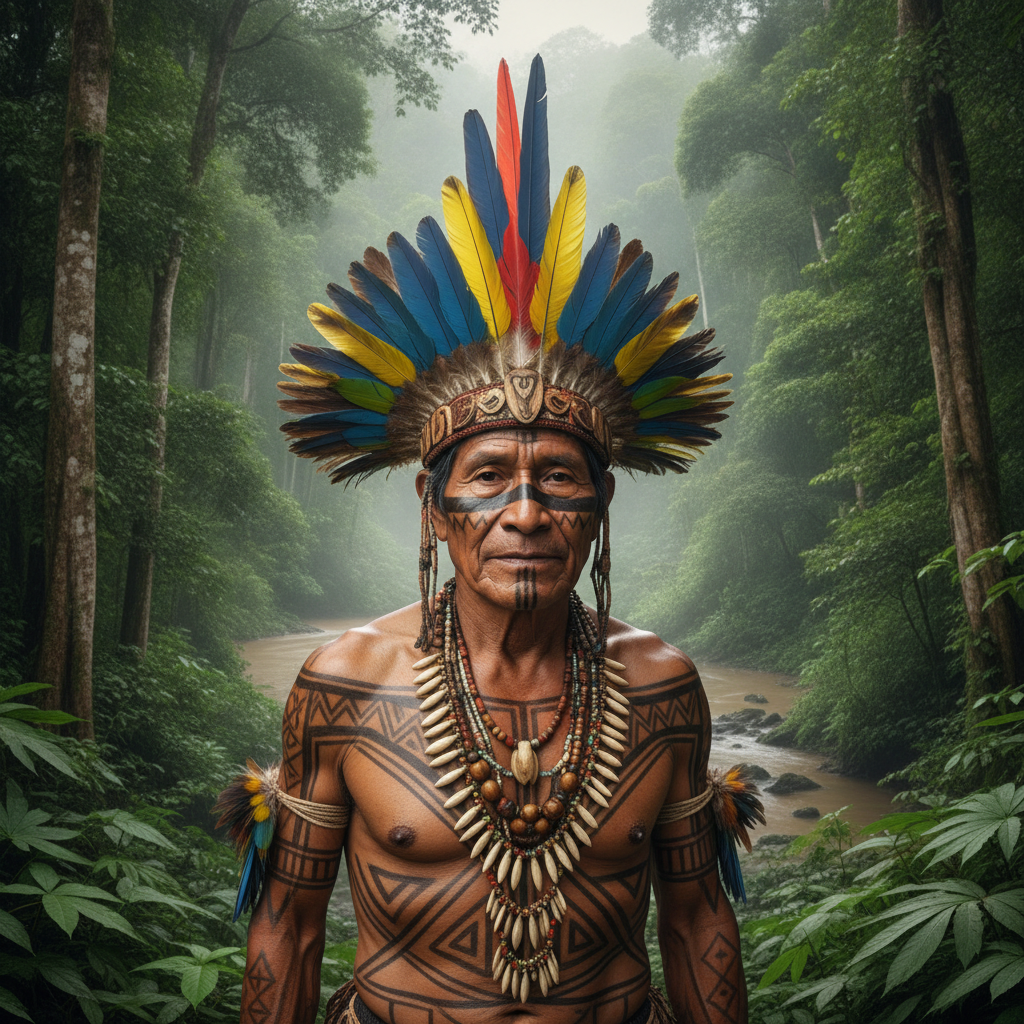
Tikuna: The Amazon's Living Civilisation