Lake Titicaca Bolivia: Copacabana, Tiwanaku, and the Bolivian Shore
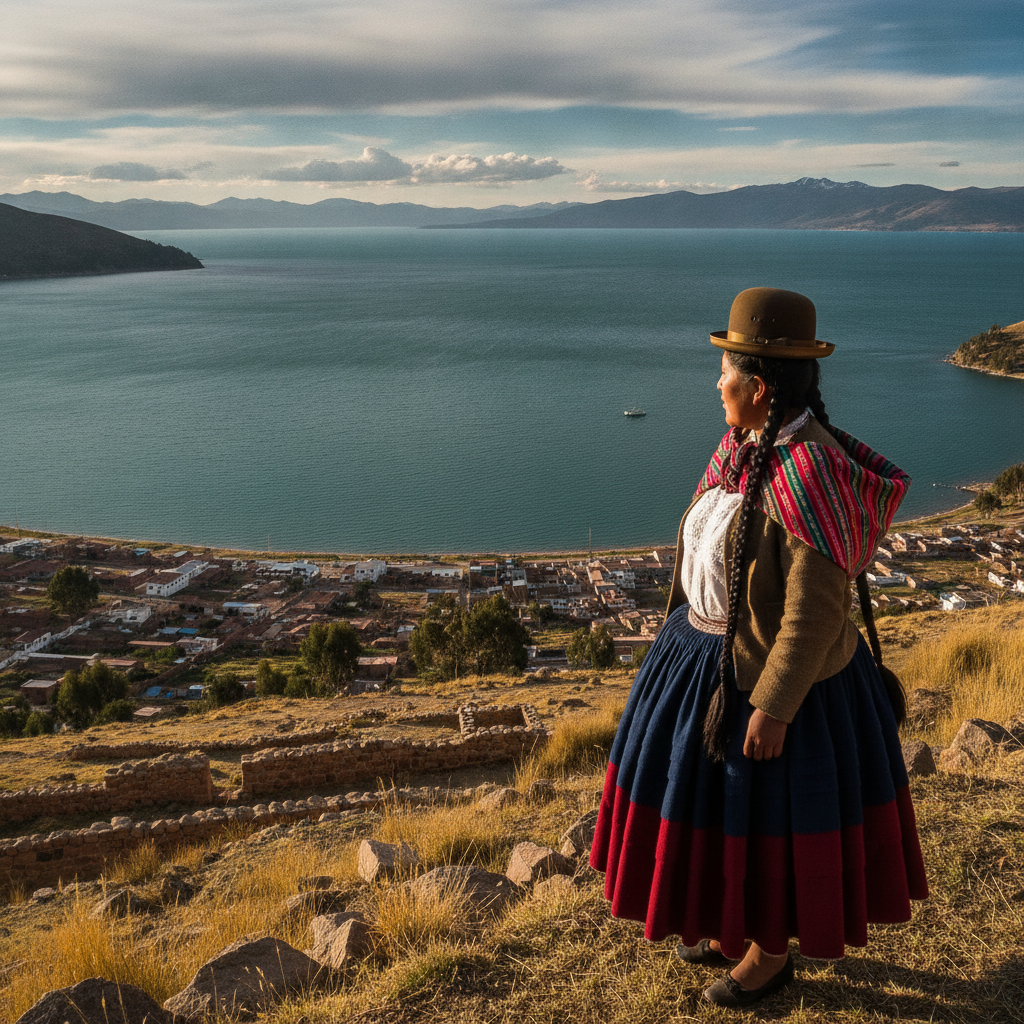
The Bolivian side of Lake Titicaca, accessible from La Paz three hours by road through the altiplano, offers experiences distinct from the Peruvian side. Copacabana, the small pilgrimage town on the lake shore, is the base for boats to the Island of the Sun and a Marian pilgrimage center in its own right. Tiwanaku, the monumental site of the pre-Inca Tiwanaku civilization 70 kilometers east of the lake, is one of the most significant archaeological sites in South America and a UNESCO World Heritage designation. The lake crossing from Copacabana toward the Straits of Tiquina provides the full panoramic experience of the altiplano lake at its grandest scale.
- 1
Copacabana: The Bolivian Pilgrimage Town and Lake Gateway
Copacabana, a small Bolivian town on a peninsula jutting into the southwestern section of Lake Titicaca, is simultaneously a major Catholic pilgrimage destination and the main tourist base for visiting the Islands of the Sun and Moon on the Bolivian side. The Black Madonna of Copacabana, a dark polychrome statue carved by the indigenous sculptor Francisco Tito Yupanqui in the 16th century and enshrined in the cathedral on the main plaza, draws pilgrims from throughout Bolivia and Peru who seek miraculous intercession. The custom of blessing vehicles at Copacabana, in which new cars and trucks are decorated with flowers, garlands, and miniature items, blessed by a priest, and then sprinkled with beer and chicha in a ceremony combining Catholic and Andean elements, is performed for hundreds of vehicles each weekend on the cathedral steps. The town itself is small and oriented almost entirely toward the pilgrimage and tourist economy.
- 2
Tiwanaku: The Pre-Inca Civilization That Preceded the Inca Empire
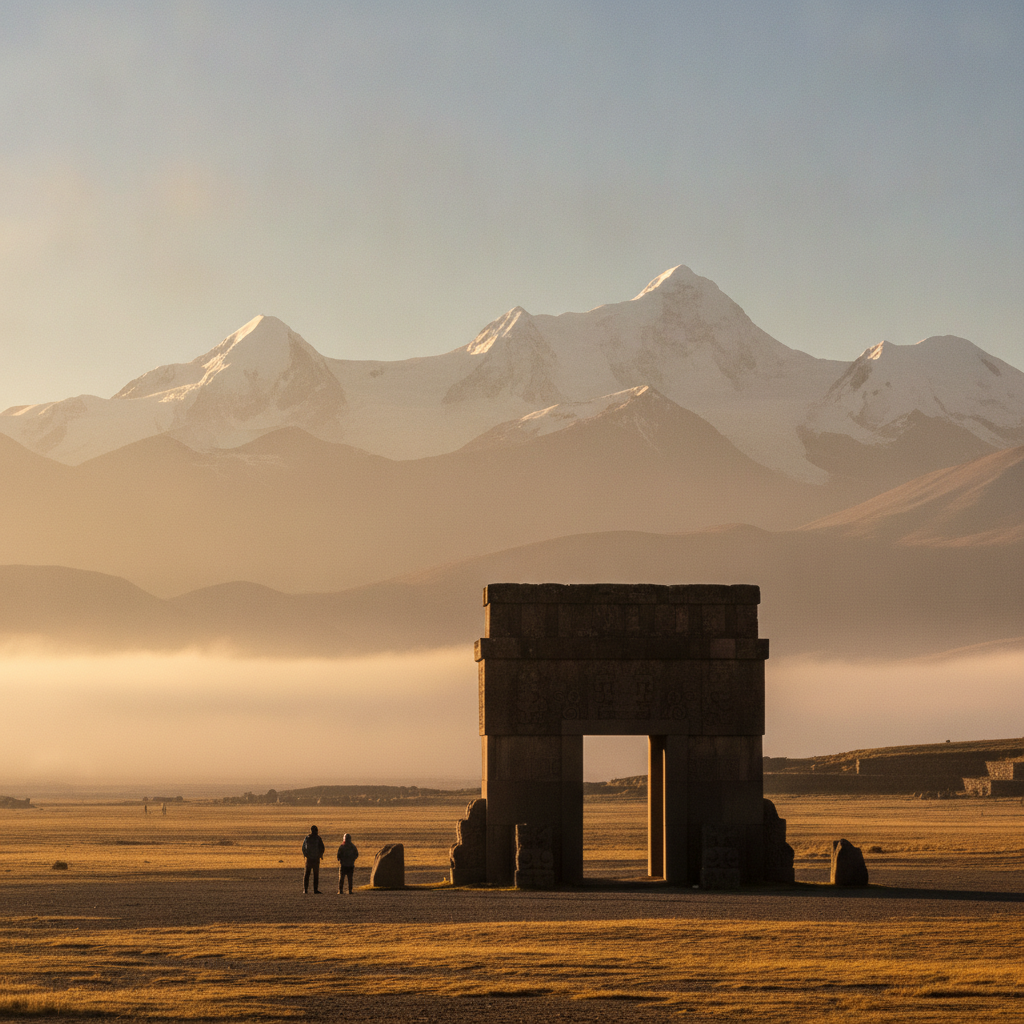
Tiwanaku, located 70 kilometers southeast of Lake Titicaca at 3,840 meters altitude in the Bolivian altiplano, was the capital of a civilization that dominated the south-central Andes from approximately 300 to 1000 CE, predating the Inca by several centuries. At its height the city housed an estimated 15,000 to 30,000 inhabitants and the state system extended influence over 600,000 square kilometers. The archaeological site contains the Akapana pyramid, the Kalasasaya temple with its famous Gate of the Sun, the Pumapunku platform with its H-shaped stone blocks of extraordinary precision, and the Semi-Subterranean Temple with carved stone heads set into its walls. The Gateway of the Sun, a single block of andesite weighing approximately 10 tons carved with a central deity figure and rows of attendants, is one of the iconic images of South American pre-Columbian art. The site is accessible as a day trip from La Paz or from Copacabana.
- 3
The Straits of Tiquina: The Lake Crossing on the Road to La Paz
The Straits of Tiquina, a narrow channel connecting the larger Lago Mayor section of Lake Titicaca to the smaller Lago Menor section, is the point where the road from Copacabana to La Paz requires a lake crossing. Vehicles are loaded onto flat-bottomed barge ferries for the ten-minute crossing while passengers ride in small motor boats. The crossing provides one of the most memorable perspectives on the lake, with the full expanse of the altiplano water visible in both directions and the snow-capped peaks of the Cordillera Real reflected in the still water on clear mornings. The village of San Pedro de Tiquina on the east bank has a small market and several restaurants serving freshwater trout and pejerrey caught from the lake. The Straits area is also where the lake depth drops sharply from the shallow southern arm to the 281-meter deep main basin, a transition visible in the color change from pale blue to deep navy in the water.
- 4
The Kallawaya: The Travelling Herbalists of the Lake Region
The Kallawaya are a group of itinerant herbalist-healers from the Bolivian province of Bautista Saavedra northwest of Lake Titicaca who have practiced a form of medical and spiritual healing using hundreds of plant species from the Andean and Amazon environments for approximately 800 years. The Kallawaya tradition was designated UNESCO Intangible Cultural Heritage in 2003 in recognition of its cultural significance and the sophistication of its botanical pharmacopoeia, which includes more than 900 plant species from both the cold altiplano and the warm yungas cloud forest. Kallawaya healers traditionally traveled throughout the Andes carrying their medicines in a distinctive bundle called the catipi and served clients including the Inca royal family according to colonial-period historical records. The knowledge is transmitted from father to son and includes Machaj-Juyai, a secret ritual language unrelated to other Andean languages, used only during healing ceremonies. Contemporary Kallawaya practice continues in the Charazani area and at the La Paz markets where traditional medicine is sold.
- 5
Lake Titicaca Wildlife: Giant Frogs, Flamingos, and Andean Waterbirds
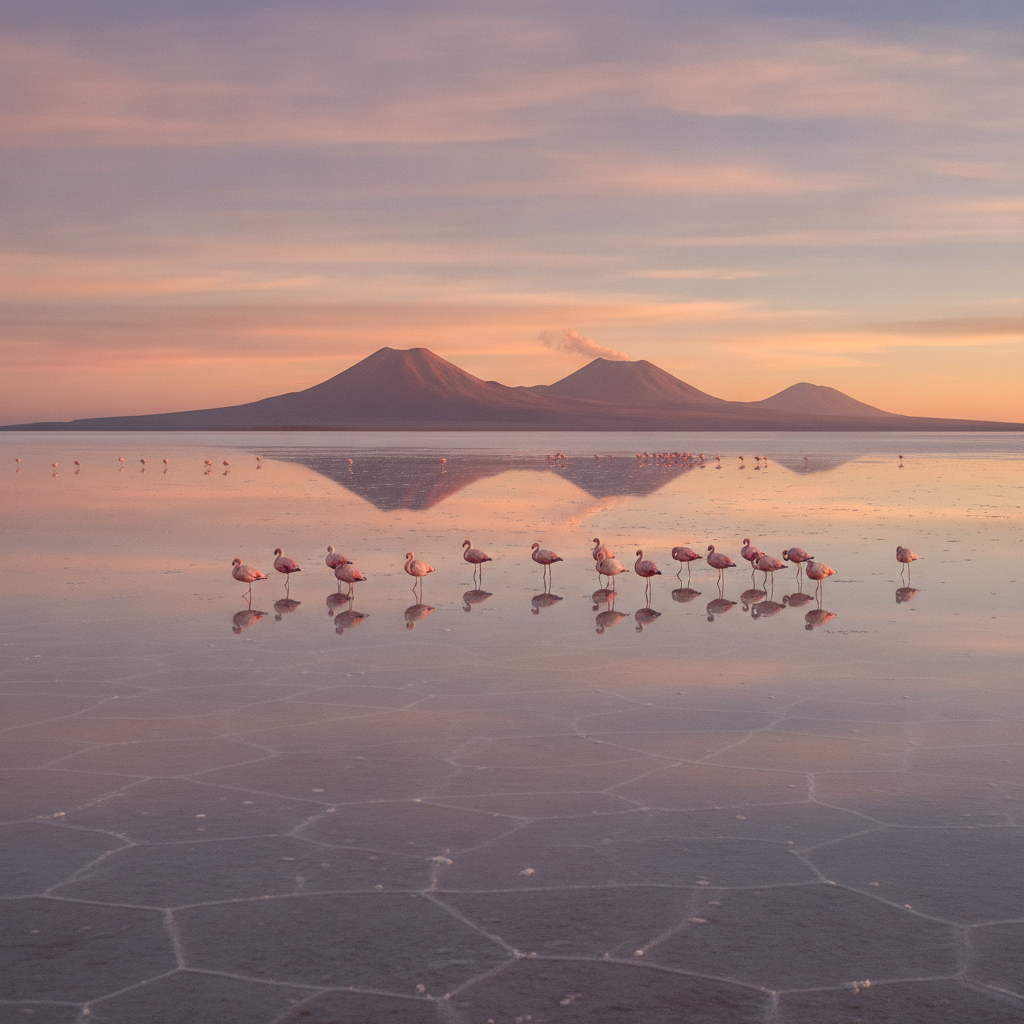
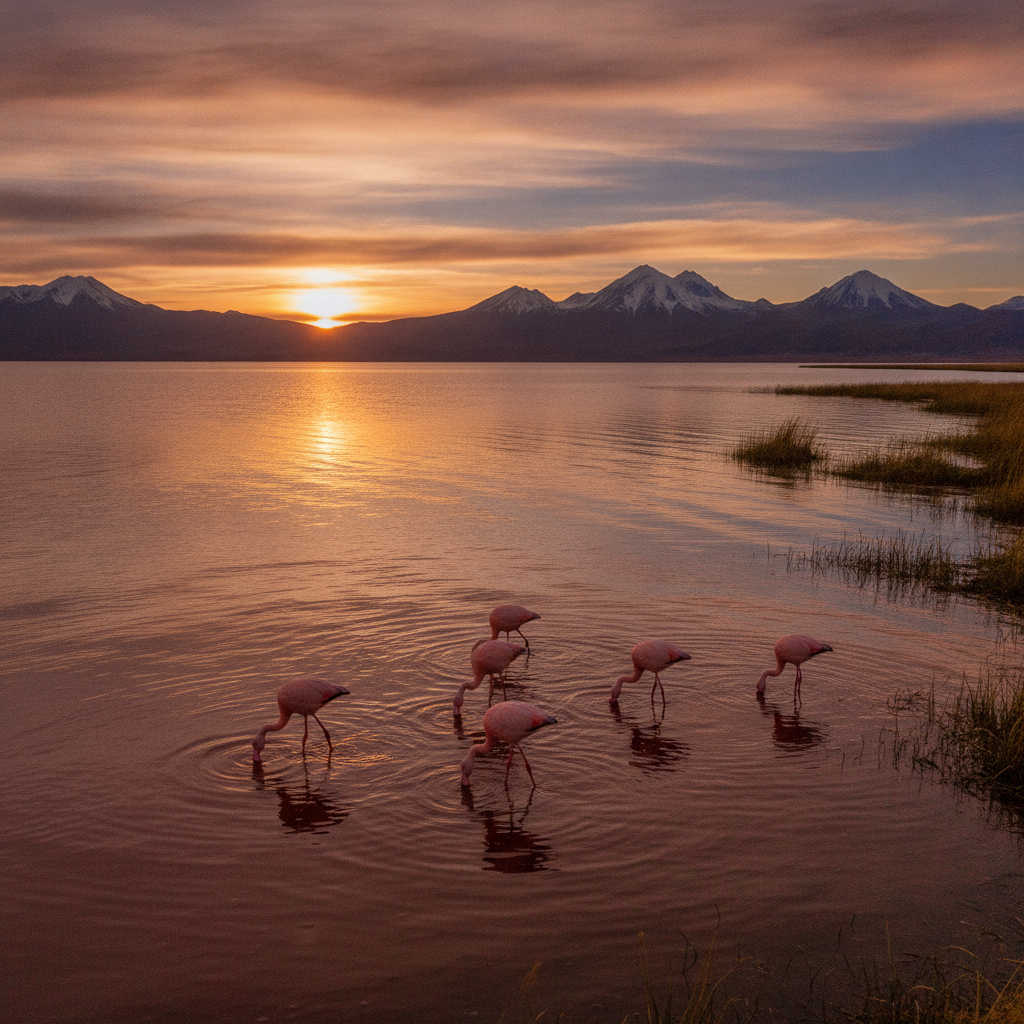
Lake Titicaca supports a distinctive aquatic ecosystem at extreme altitude, including the Titicaca water frog, a large endemic frog up to 50 centimeters in length that breathes partially through its loose, heavily folded skin which increases the surface area for cutaneous respiration in the cold, oxygen-poor water. The Titicaca grebe, a flightless diving bird analogous to the extinct Atitlan grebe of Guatemala, has a population of fewer than 1,000 individuals concentrated in the Peruvian sector and is critically endangered by overhunting, pollution, and the introduction of rainbow trout that competed with the endemic fish species on which the grebe and frog depend. Andean flamingos and puna flamingos feed in the shallow reed sections, and Andean avocets, puna ibis, and Andean lapwing are present on the shoreline margins. The lake surface supports extraordinary numbers of waterbirds during the austral summer migration season.
- 6
The Raised Fields of Tiwanaku: Ancient Hydraulic Agriculture
The suka kollus, or raised fields, that the Tiwanaku civilization constructed in the flooded lake margins around Titicaca represent one of the most sophisticated pre-Columbian agricultural engineering systems in the Americas. The raised beds were constructed by excavating parallel canals and using the material to build elevated cultivation platforms, which stood above the water table and were surrounded by water channels. The water channels stored solar heat during the day and released it at night, preventing the killing frosts that would otherwise destroy crops in the region. The system transformed approximately 120,000 hectares of otherwise uncultivable flooded land into productive agricultural area. After the collapse of the Tiwanaku civilization around 1000 CE, the raised fields were abandoned and fell into disrepair. In the 1990s, a restoration project collaborating with local Aymara communities reconstructed sections of the suka kollus system and demonstrated that potato yields in the reconstructed raised fields exceeded those of non-modified fields by a factor of three to seven, validating the agricultural logic of the ancient system.
Walk this route with audio
Stories play automatically as you reach each stop — no tapping needed.
More in Lake Titicaca
Lake Titicaca Practical Guide: Getting There, Island Visits, and Peru-Bolivia Border Crossing
Lake Titicaca Puno Festivals: The Candelaria and Altiplano Folklore
Titicaca Aymara Culture: Language, Textiles, and the Living Tradition
Lake Titicaca Birdwatching: Flamingos, Grebes, and Andean Waterbirds

Lake Titicaca: The Highest Navigable Lake and the Birthplace of the Inca