Lake Titicaca: The Highest Navigable Lake and the Birthplace of the Inca
Lake Titicaca, shared between Peru and Bolivia at 3,812 meters altitude on the Andean altiplano, is the highest commercially navigable lake in the world and one of the largest in South America by surface area, covering 8,372 square kilometers. The lake holds profound cosmological significance in Andean tradition: the Inca creation myth places the origin of the first Inca couple, Manco Capac and Mama Ocllo, on the Island of the Sun within the lake. The lake moderates the extreme cold of the altiplano, creating a microclimate that allows agriculture in a region that would otherwise be too cold for most crops. The Uros people construct and inhabit floating islands of totora reed in the shallower sections near Puno on the Peruvian side.
- 1
The Altiplano and the Lake Microclimate: Why Titicaca Is Where It Is
Lake Titicaca sits in the altiplano, the vast high-altitude plateau between the eastern and western Andean ranges that extends from southern Peru through Bolivia and into northern Argentina and Chile at elevations between 3,500 and 4,500 meters. The plateau would be largely uninhabitable without the thermal mass of the lake, which stores heat absorbed from the intense high-altitude solar radiation and releases it slowly through the night, preventing the killing frosts that otherwise devastate crops at this altitude. The lake temperature remains relatively constant at approximately 10 to 14 degrees Celsius year-round, warming the air within several kilometers of the shore significantly above the surrounding altiplano temperature. The Tiwanaku civilization that dominated the lake basin from approximately 300 to 1000 CE developed sophisticated raised field agriculture, the suka kollus, in the flooded margins of the lake to exploit this thermal advantage and create productive agricultural land.
- 2
The Uros Floating Islands: Living Architecture of Totora Reed
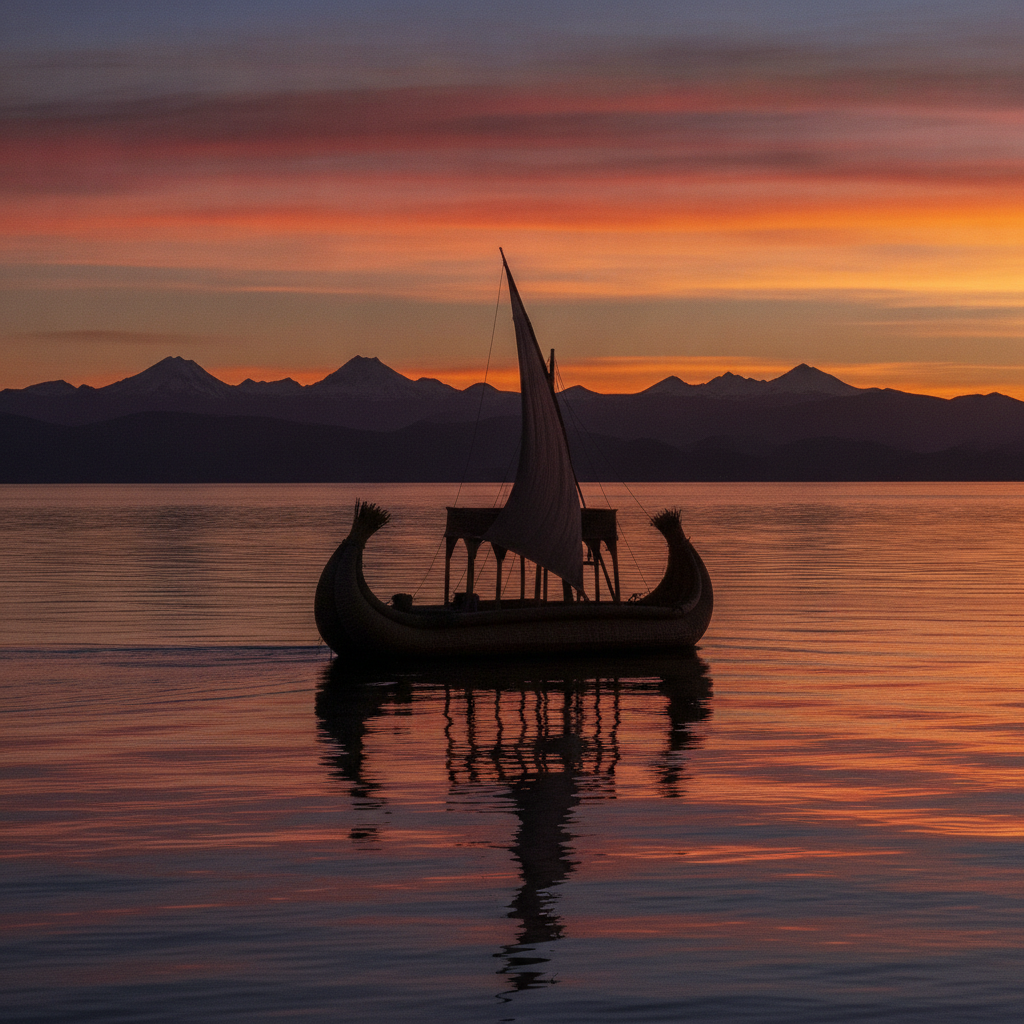
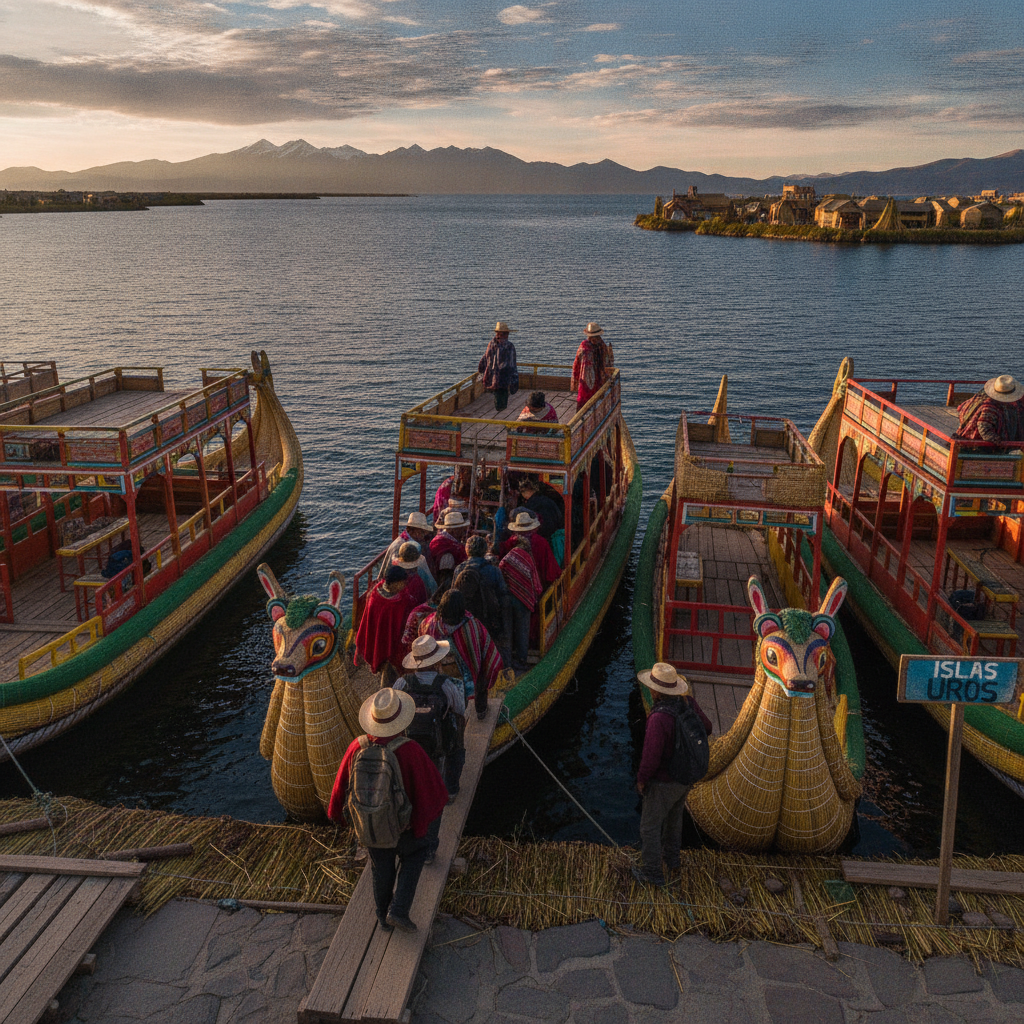
The Uros people of Lake Titicaca construct and inhabit floating islands made from the totora reed that grows in the lake shallows, a technology that predates the Inca and represents one of the most distinctive human settlements on earth. The islands are built by layering cut totora reed to a depth of several meters, anchored to the lake bed by rope attached to poles. As the lower layers decompose, new reed is added to the top surface, requiring continuous maintenance. The islands support reed houses, solar panels installed over the past decade, and cooking areas, and are home to communities of one to several families. The largest islands near Puno have been heavily commercialized for tourism, with vendors selling handicrafts and offering rides in reed boats. More authentic island communities exist further into the lake, where regular visitors are less frequent. The totora reed is also used for food, medicine, and construction of the distinctive reed boats that have been sailed on the lake for thousands of years.
- 3
Taquile Island: The Master Weavers and the UNESCO Heritage Textile Tradition
Taquile Island, 35 kilometers from Puno in the Peruvian sector of the lake, is home to a Quechua-speaking community of approximately 2,000 people whose textile tradition was designated UNESCO Intangible Cultural Heritage in 2005 in recognition of its extraordinary quality and the social encoding system embedded in the garments. Men and boys on Taquile knit constantly, producing the complex chullos (knit caps) that encode the wearer marital status, community role, and ceremonial position in pattern and color choices. The island operates as a community tourism cooperative: boats are community-owned, the single restaurant is collectively managed, and income is distributed by community agreement. The island has no cars, electricity is limited to solar, and overnight stays in community guesthouses provide the most complete experience of island life. The terraced hillsides and the sweeping lake views from the central square are among the most beautiful landscapes in the Andes.
- 4
Amantani Island: Homestay Community Tourism at Altitude
Amantani Island, the largest Peruvian island in the lake, offers a community homestay program that is one of the most authentic indigenous community tourism experiences in South America. Visitors are assigned to local families who provide a bed, meals, and an evening of traditional music and dance in the community hall, with income distributed by the community association. The island has two hilltop Inca ceremonial sites, Pachatata and Pachamama, dedicated to the earth father and earth mother, which are reached by a steep climb and used for ceremonies on specific calendar dates. The overnight homestay, usually combined with a morning visit to Taquile, is a multi-day boat trip from Puno that requires planning for the altitude, the cold nights, and the limited facilities. Visitors who make the trip consistently describe it as one of the most memorable experiences of their Peru travels for the quality of the human encounter with a community maintaining traditional Andean life at extraordinary altitude.
- 5
The Island of the Sun: Inca Creation Myth and Tiwanaku Ruins
The Island of the Sun, the largest island in Lake Titicaca on the Bolivian side accessible from the town of Copacabana, was the most sacred island in the Inca world, the place where Inti the sun god and Viracocha the creator deity first emerged to create the world and from which the first Inca couple descended to found Cusco. The island contains significant Inca and pre-Inca ruins including the Pillkukayna palace and the Sacred Rock at the northern tip, identified in Inca tradition as the specific location of the emergence of the sun. The Challapampa community on the north of the island and the Yumani community on the south are the main inhabited areas. The island is reached by boat from Copacabana in two to three hours. The path along the ridge between the north and south communities, taking three to four hours to walk, provides the most complete island experience with views of the surrounding lake and the Bolivian Andes including the snow-capped Cordillera Real.
- 6
Puno: The Gateway City and the Festival Capital
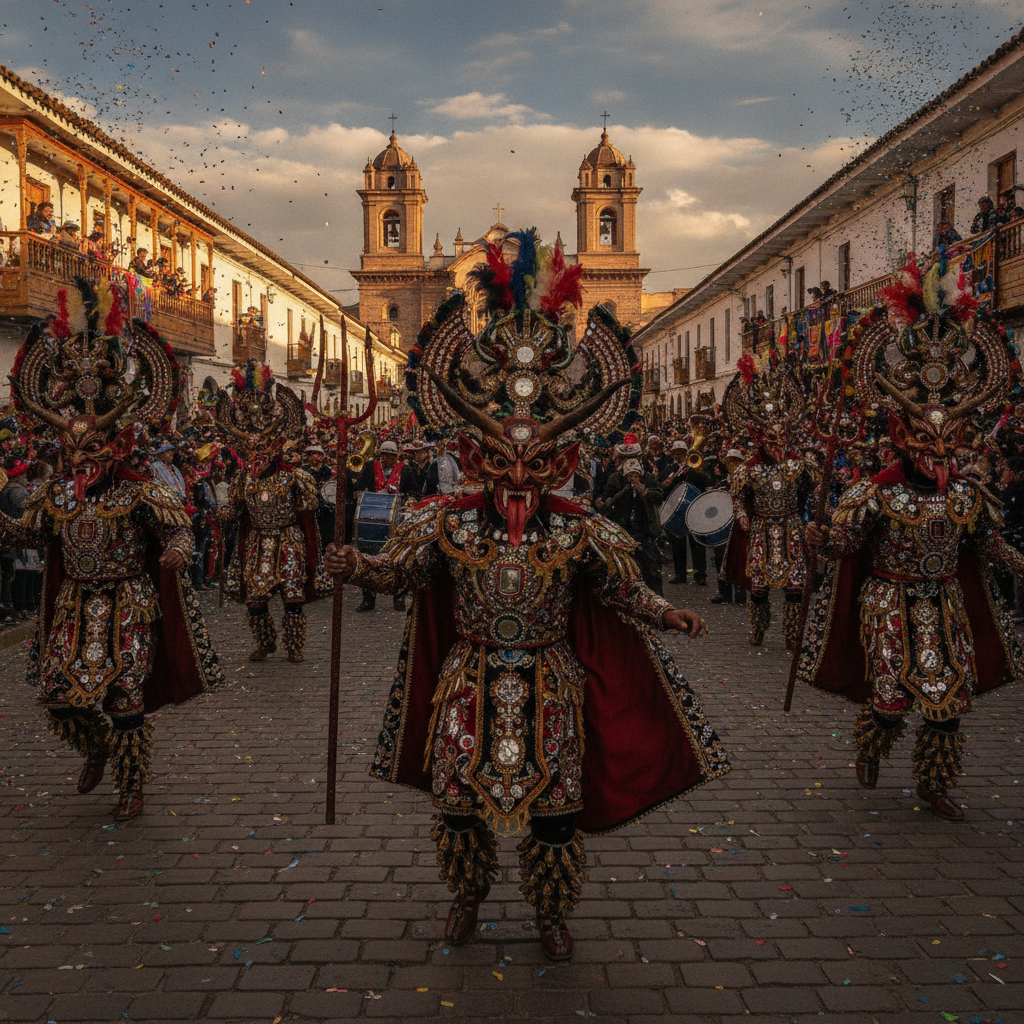
Puno, the Peruvian city on the lake shore that serves as the base for lake tourism, is also known as the folklore capital of Peru for the density of traditional festivals and music traditions concentrated in the department of Puno. The Candelaria festival in February, one of the largest traditional festivals in the Americas, draws over 200 dance groups from throughout the altiplano who perform in full traditional costume in the streets around the Puno cathedral over two weeks. The music traditions of the Puno altiplano, including the sikuri pan-pipe groups and the brass-heavy marching band tradition, represent a living indigenous musical culture of extraordinary vitality. The city itself is a commercial and transit center without major historical monuments but with genuine local character in the central market and the lakeside boulevard. The PeruRail train from Cusco to Puno provides the most scenic connection, taking six to seven hours through the highest section of the Andes with stops at Raqchi and Pucara.
Walk this route with audio
Stories play automatically as you reach each stop — no tapping needed.
More in Lake Titicaca
Lake Titicaca Practical Guide: Getting There, Island Visits, and Peru-Bolivia Border Crossing
Lake Titicaca Puno Festivals: The Candelaria and Altiplano Folklore
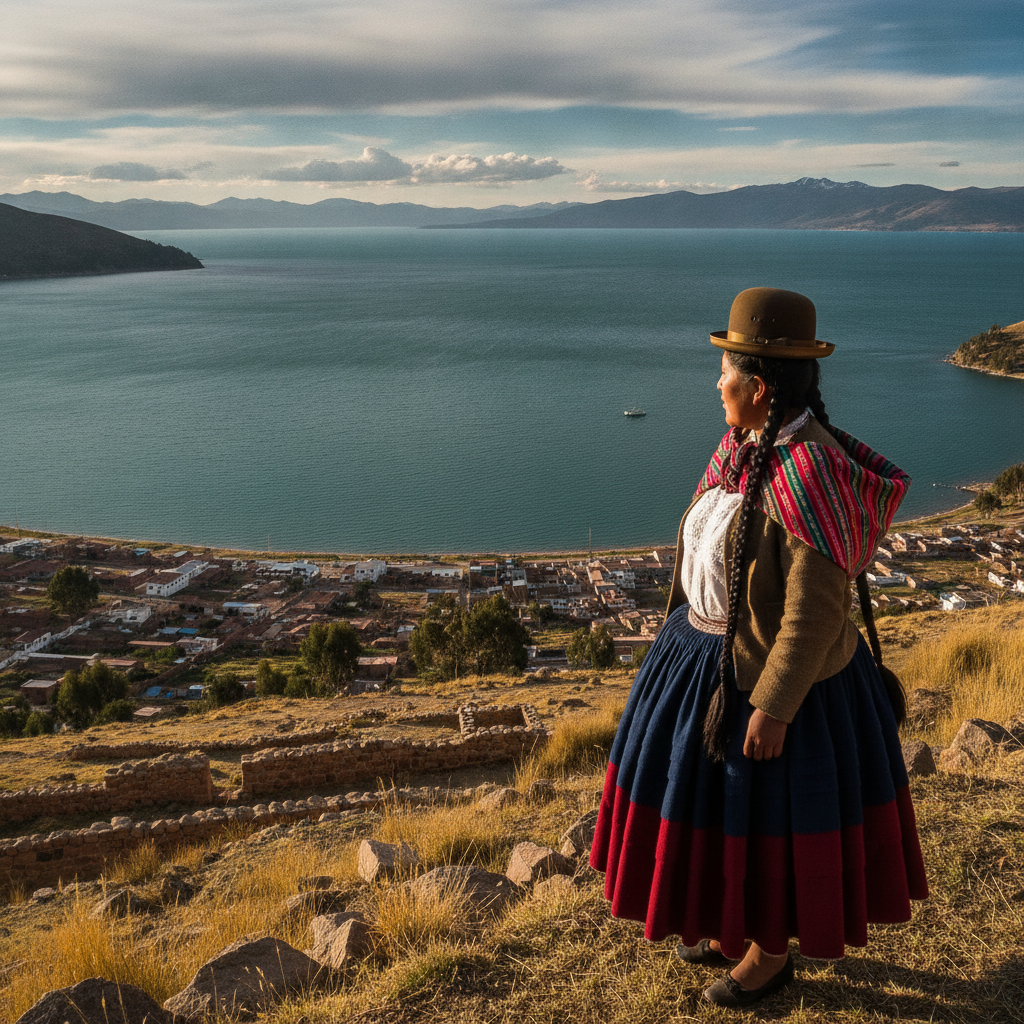
Titicaca Aymara Culture: Language, Textiles, and the Living Tradition
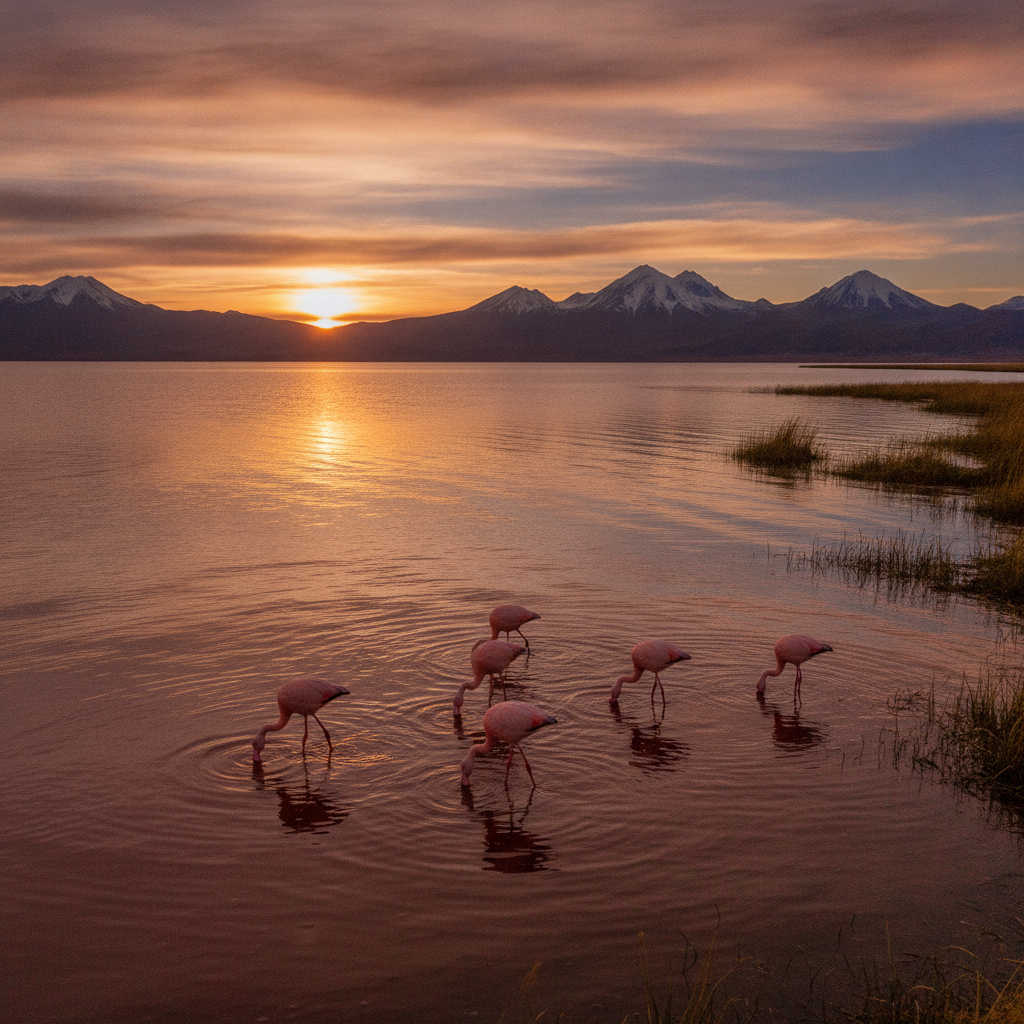
Lake Titicaca Birdwatching: Flamingos, Grebes, and Andean Waterbirds
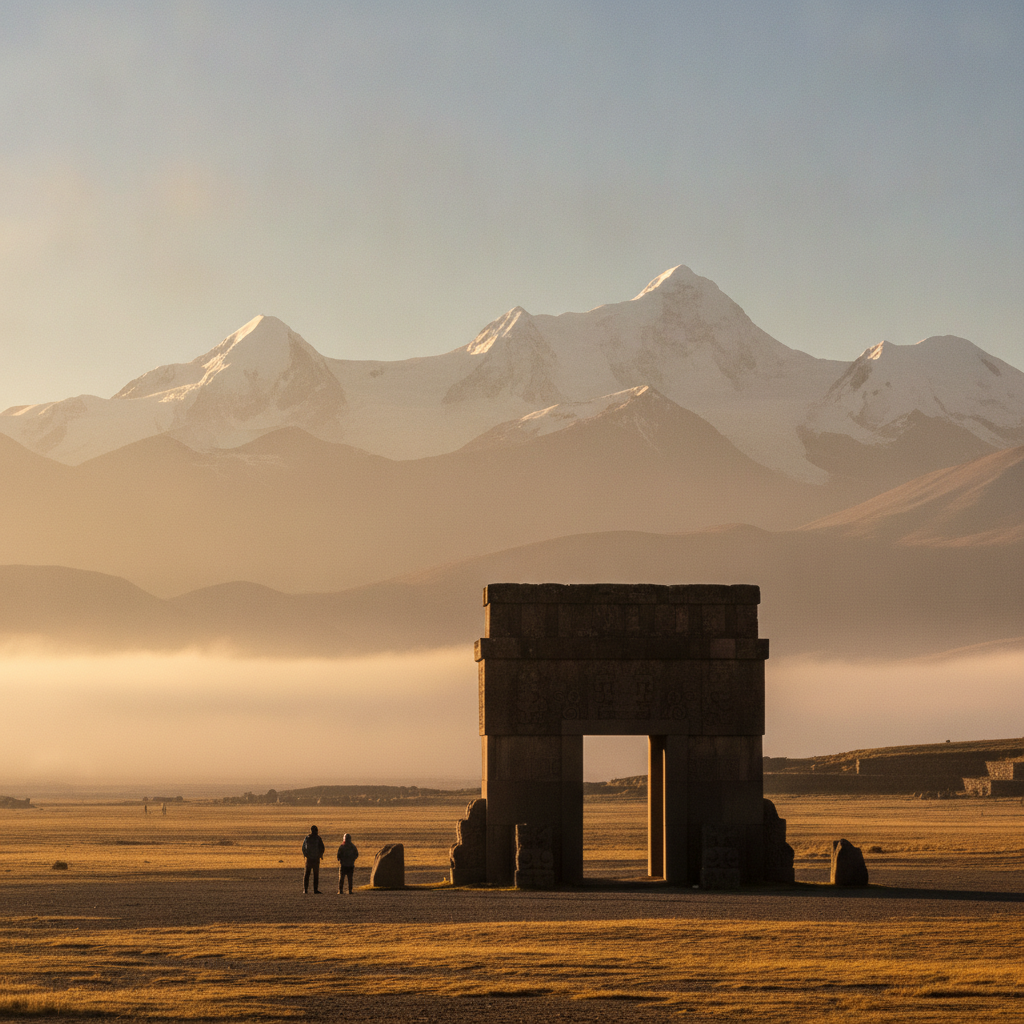
Lake Titicaca Bolivia: Copacabana, Tiwanaku, and the Bolivian Shore