Labuan Bajo Old Town & Fishing Village Walk
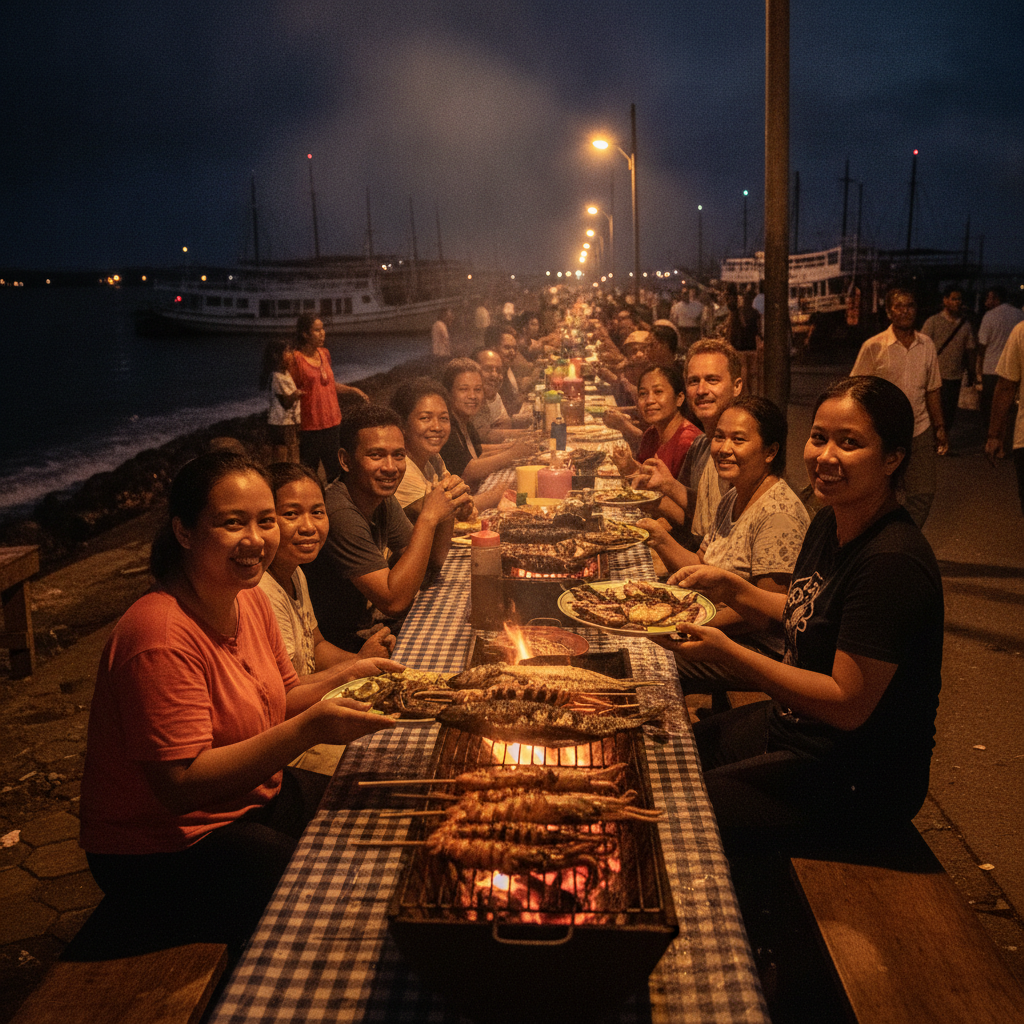
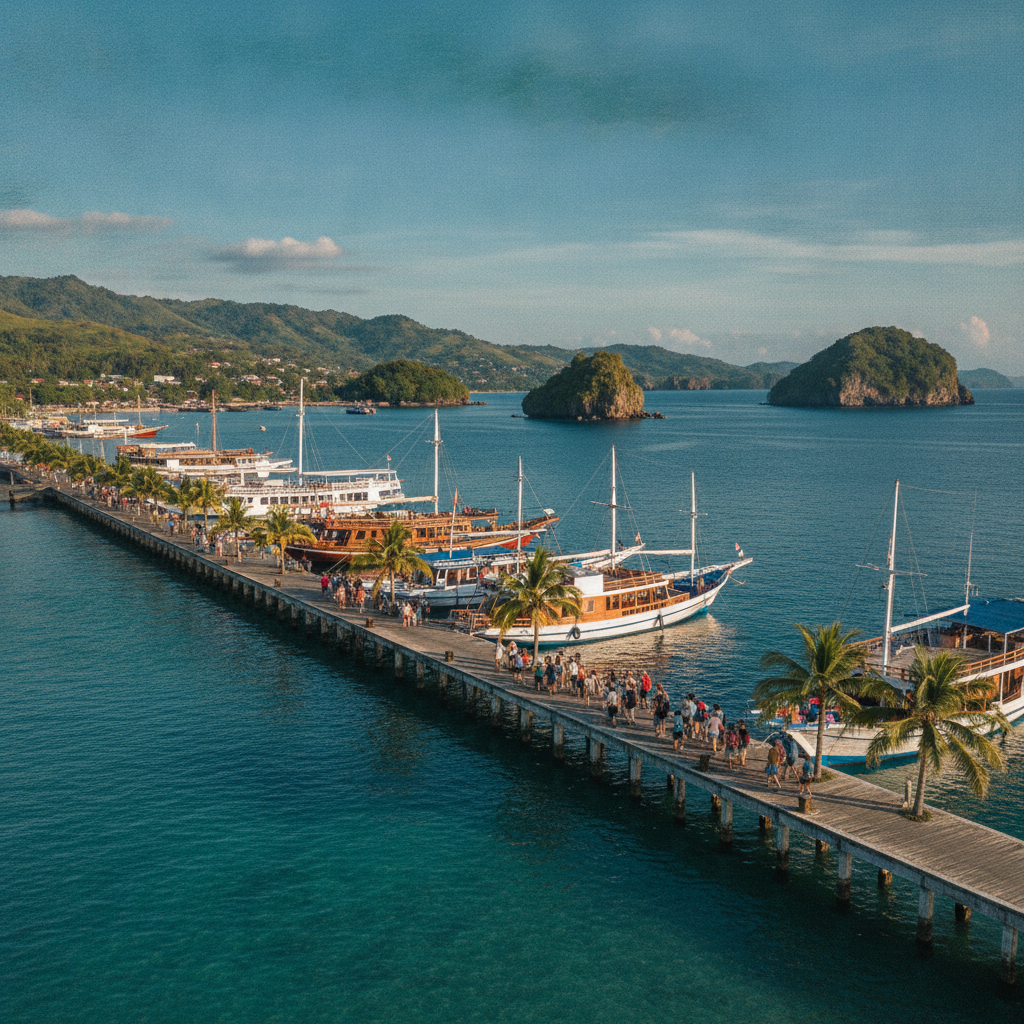
Walk the original Labuan Bajo fishing village that existed before the tourism boom — the Muslim Bajo fisherman community and the Catholic Flores village that have shared this harbour for generations maintain their cultural practices within a town that is transforming faster than almost any other place in Indonesia.
- 1
Labuan Bajo Fish Market
Labuan Bajo's fish market at the harbour end operates from 4am when the fishing boats return — the auction of the night's catch including tuna, mahi-mahi, reef fish, and the squid that are a Labuan Bajo speciality takes place in the pre-dawn darkness at prices set by the bidding of fish traders, providing the most authentic pre-tourism Labuan Bajo experience available for visitors willing to wake before sunrise.
- 2
Bajo Fisherman Community
The Bajo people (also called Bajau or Sea Nomads) have fished these waters for centuries — the community whose traditional lifestyle involved living on boats and practising free-diving for fish and sea cucumbers has settled on the Labuan Bajo shore while maintaining some maritime traditions, and the neighbourhoods where the Bajo community lives, with their wooden houses on stilts over the water, preserve a distinct cultural identity within the tourist town.
- 3
Labuan Bajo Church
The Catholic church serving Labuan Bajo's Flores Christian community occupies a prominent position in the town — the Sunday morning service attended by the local population in traditional dress provides a cultural counterpoint to the tourist harbour activity, and the church-based community events that occur throughout the year reflect the Catholic institutional life that has shaped Flores society over four centuries of missionary presence.
- 4
Kampung Ujung Old Village
Kampung Ujung at the edge of Labuan Bajo's tourist zone is where the original fishing village character persists — the simple houses, the boats under repair on the beach, the children swimming in the harbour between the tourist speedboats, and the warung serving local workers rather than tourists provide a glimpse of the community that existed before the government designated Labuan Bajo as one of Indonesia's 'super-premium' tourism destinations.
- 5
Handicraft Market Labuan Bajo
The handicraft market selling Flores ikat weaving, Komodo dragon wood carvings, and pearl jewellery from the South Sea pearl farms that operate in the local bay area provides the commercial link between traditional Flores craft production and the growing tourist market — the ikat quality available here reflects the genuine weaving tradition of Flores communities, though the tourist souvenir market has also generated lower-quality machine-made substitutes.
- 6
Labuan Bajo New Development Zone
The government-funded Labuan Bajo development zone north of the harbour shows the infrastructure of the planned luxury tourism transformation — the new Puncak Waringin hilltop destination with its viewing platforms, the widened roads, and the luxury hotel construction visible across the bay document the government's investment in making Labuan Bajo a destination comparable in infrastructure to Bali, a transformation that has simultaneously created tourism value and displaced the community character that originally attracted travellers to the town.
Walk this route with audio
Stories play automatically as you reach each stop — no tapping needed.