Kotor History & Photography: Nine Centuries, Naval Heritage & Bay Light
Explore Kotor's depth—Illyrian queen Teuta's capital at Risan, nine centuries of recorded urban history, the 809 AD naval brotherhood still marching in costume today, Orthodox monasteries in every bay cove, and the photographer's guide to the Bay of Kotor's extraordinary dawn and dusk light.
- 1
Nine Centuries of Written History
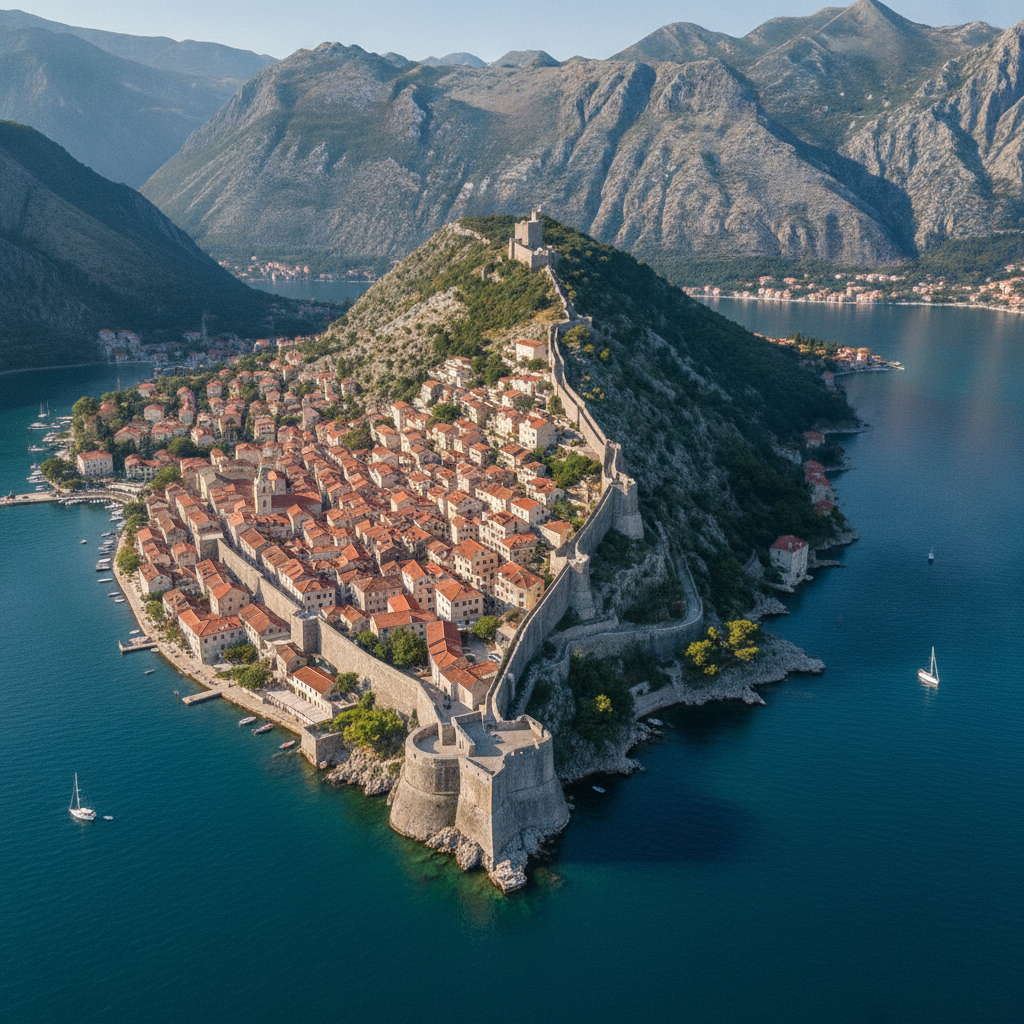
Kotor's first documented mention dates to 168 BC (as Acruvium under Roman rule). It became a city-state in the 12th century, briefly under Serbian medieval rule, then Venetian from 1420 to 1797. The city survived a devastating 1667 earthquake, Ottoman siege, and French, Austro-Hungarian, and Yugoslav rule before Montenegrin independence in 2006. Its UNESCO listing covers the entire medieval urban structure—virtually unchanged since the 15th century.
- 2
Illyrian Origins at Risan
Before the Romans, the region around Kotor was home to the Illyrian tribe of the Rhizons, whose capital at Risan (18 km north) was the most powerful city in the bay. Queen Teuta resisted Roman expansion until 167 BC. Roman Acruvium (Kotor) left mosaic floors visible in the Risan museum; the bay's Illyrian heritage is one of Montenegro's least-visited archaeological stories.
- 3
Orthodox Monasteries of the Bay
The Bay of Kotor contains remarkable small Orthodox monasteries—Savina (1030, above Herceg Novi), Praskvica (Budva coast), and the island monastery of Beška on Lake Skadar. The Serbian Orthodox heritage coexists with Venetian Catholic heritage in an uneasy but generally functional pluralism; the monasteries are active and welcome visitors outside service hours.
- 4
Naval Heritage & Bokeljska Mornarica
The maritime brotherhood of the Bay of Kotor—the Bokeljska mornarica, founded in 809—is the oldest naval fraternity in the Adriatic, still active as a ceremonial organisation. The Maritime Museum in Kotor's old town houses the history of the bay's seafaring tradition; the Boka villages produced admirals, navigators, and cartographers for Venice, Austria, and Russia for six centuries.
- 5
Photography & the Bay's Light
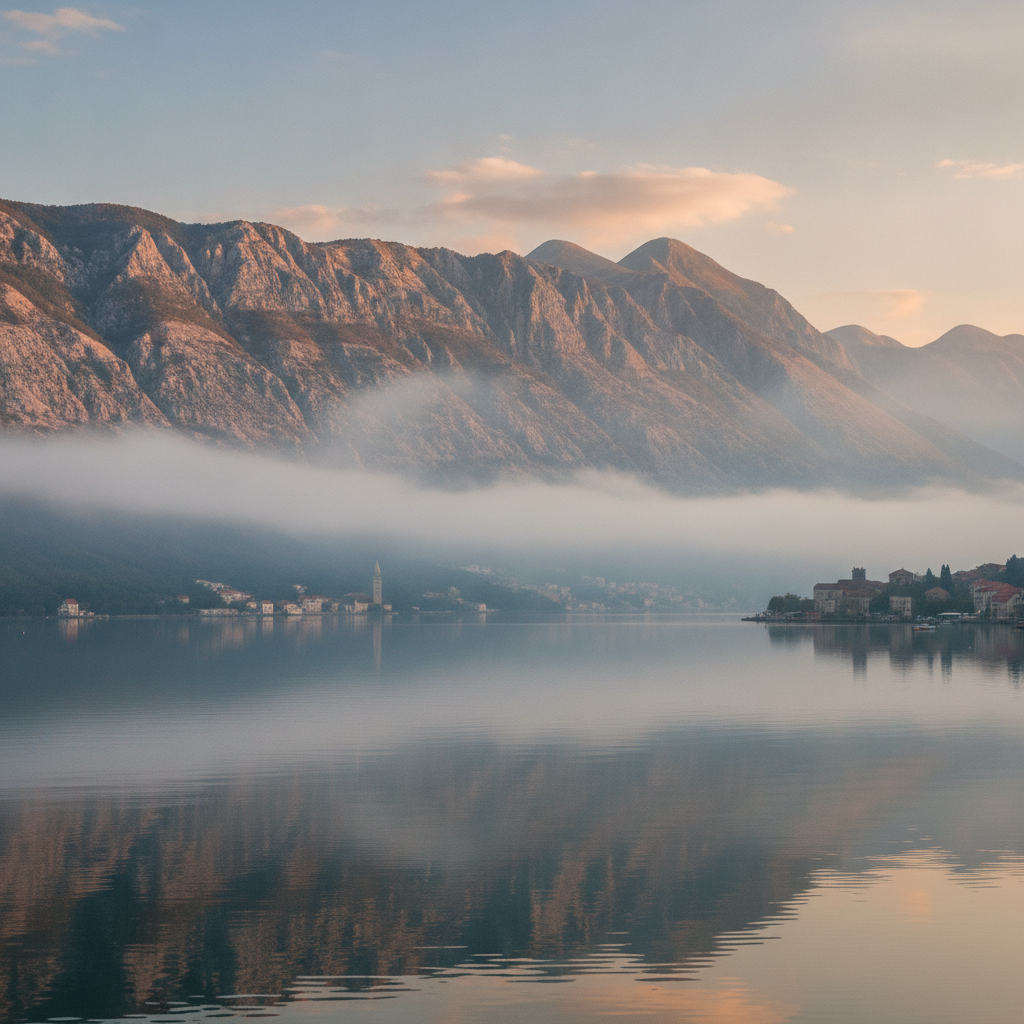
The Bay of Kotor offers extraordinary photography in every direction. The best light is at sunrise—the eastern mountains shade the old town until mid-morning, creating dramatic shadows—and at sunset when the western mountains glow orange above the water. October and April offer the clearest air and most dramatic clouds. The view from the serpentine road above the inner bay is the single best overview shot.
- 6
Kotor's Cat Culture & Heritage
Beyond tourism kitsch, Kotor's cats have a documented history: Venetian sailors kept cats on ships to control rats, and when ships docked permanently, their cats became permanent residents of the walled city. The cats are collectively owned by Kotor—they are fed and veterinary-cared for by the city. Their presence in every medieval doorway, church step, and canal edge is a genuinely distinctive feature of daily life in the old town.
Walk this route with audio
Stories play automatically as you reach each stop — no tapping needed.
More in Kotor
Kotor Food & Festivals: Smoked Ham, Bay Seafood & February Carnival
Kotor Bay & Montenegro: Perast, Budva & Durmitor National Park
Kotor Practical Guide: Flights, Bay Ferry & Avoiding the Cruise Crowds
Kotor as Montenegro Base: Lovćen, Ostrog Monastery & the Albanian Alps