Konya Cuisine: Etli Ekmek Meat Flatbread, Firin Kebab, Sac Kavurma, the Mevlana Sugar Festival, the Konya Bazaar Food Culture, and the Conservative City Eating Tradition
The Konya cuisine route covers the etli ekmek as the defining Konya street food, the firin kebab slow-roasted lamb tradition, the sac kavurma iron plate meat cooking, the Mevlana Sugar Festival sweets tradition, the Konya bazaar food market culture, and the distinctive conservative city food identity.
- 1
Etli Ekmek: The Konya Meat Flatbread
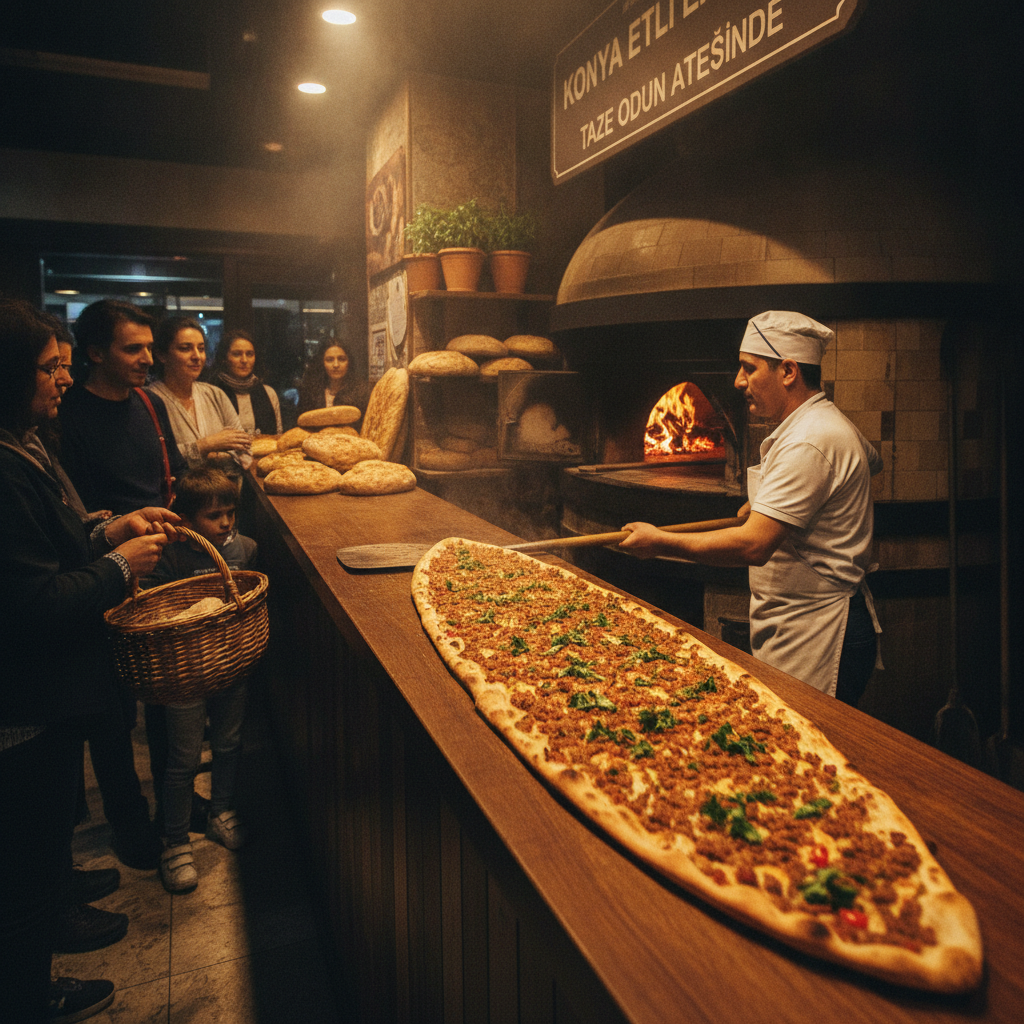
Etli ekmek (meat bread) is the most distinctive Konya street food - the thin, elongated flatbread topped with finely minced lamb, onion, parsley, and tomato baked in the wood-fired stone oven at extreme temperature for 4 minutes, producing the most crispy single-bake Turkish bread product with the meat topping fused to the bread surface. The Konya etli ekmek is 1 meter long, 20 centimeters wide, and is served in sections on the paper tray with the optional yogurt and chili. The Seferoglu and the Halil Usta in central Konya are the most consistently acclaimed etli ekmek specialists in the city, and visitors are advised to eat standing at the bakery counter rather than waiting for table service.
- 2
Firin Kebab: The Slow-Roasted Lamb Tradition
Firin kebab (oven kebab) is the most ceremonially significant meat dish in the Konya culinary tradition - the whole leg of lamb slow-roasted in the sealed wood-fired stone oven at low temperature for 4 to 6 hours until the meat separates from the bone with the touch of a spoon. The firin kebab is traditionally prepared for the Friday family lunch after the mosque prayer and the Bayram religious holiday meals, served with the rice pilaf and the yogurt. The firin kebab restaurants in the Konya old city including the Konya Mutfagi open from 11am and the lamb is finished by 2pm, making the early Friday lunch the most culturally appropriate single meal experience available in Konya.
- 3
Sac Kavurma: The Iron Plate Meat Cooking
Sac kavurma is the Konya method of cooking diced lamb offal and meat on the domed iron sac griddle over the open wood fire, producing the most intensely flavored single lamb dish in the Konya culinary tradition with the combination of the liver, the kidney, the lung, and the heart cooked with the onion and the red pepper in the most direct-fire meat cooking available in Turkish street food. The sac kavurma is the traditional breakfast food of the Konya market workers and the butcher district and is most authentically experienced at the Konya bazaar eating houses that open at 6am for the market community.
- 4
Mevlana Sugar: The Festival Sweets Tradition
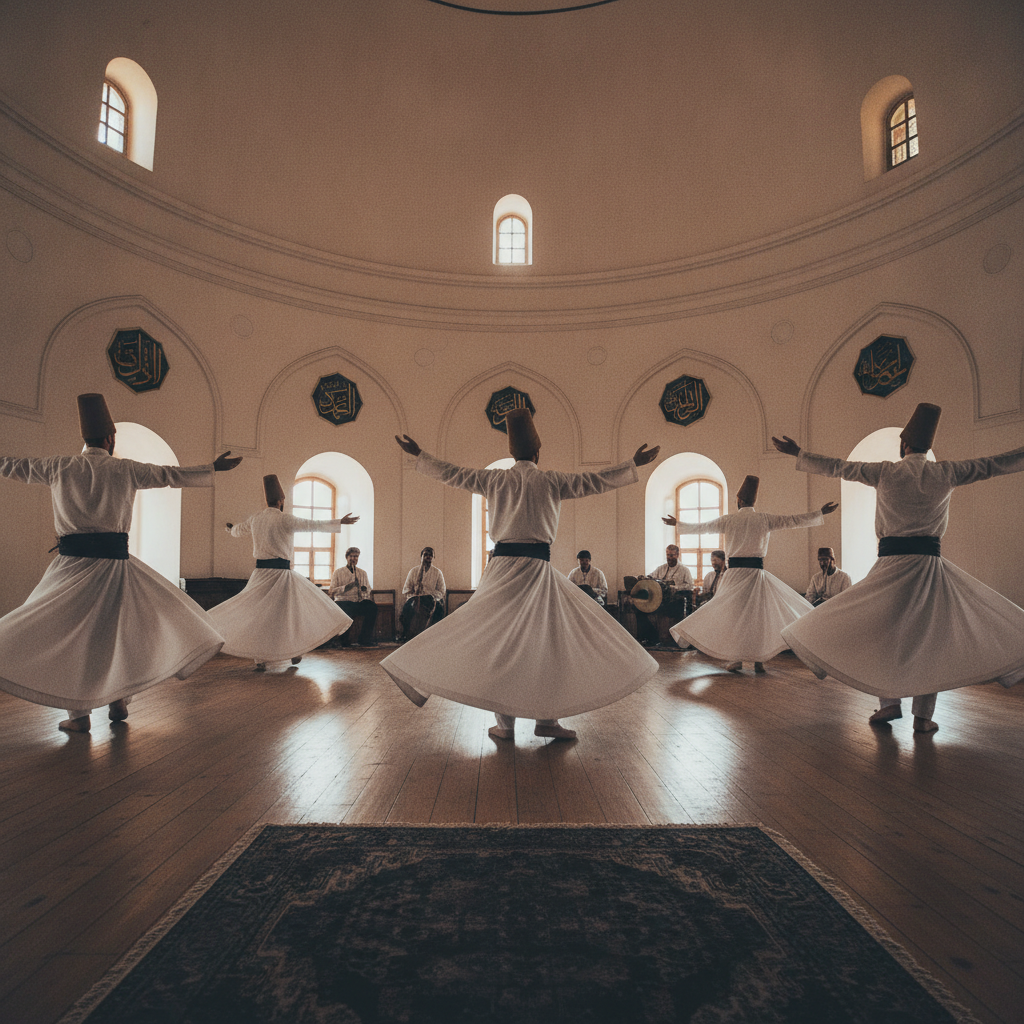
The Mevlana Sugar Festival commemorating the anniversary of Rumi's death on December 17 (the Seb-i Arus or Wedding Night, when Rumi described death as reunion with the divine) is the most important single cultural event on the Konya annual calendar. The festival brings 2 million visitors to Konya for the week of Sema ceremonies and the traditional lokum Turkish delight and the helva sweets distributed in the Mevlana tradition of hospitality. The Konya lokum, flavored with rose water and pistachio, and the Konya bread halva are the most regionally specific festival sweets in the Anatolian Sufi food tradition.
- 5
Konya Bazaar: The Old City Market
The Konya covered bazaar (Bedesten) and the surrounding market streets in the old city below the Aladdin Hill are the most architecturally authentic single market environment in central Anatolia with the coppersmith district, the textile traders, the spice market, the agricultural produce covered hall, and the traditional eating houses serving the etli ekmek and the sac kavurma to the market workers. The Konya bazaar is the most conservative single retail environment in Turkey in terms of the absence of tourist souvenir shops and the dominance of the practical goods serving the local agricultural and artisan community.
- 6
Konya as Conservative City: Eating and Drinking Context
Konya is the most religiously conservative major city in Turkey and the city with the highest proportion of observant Muslim residents among all Turkish cities with populations over 500,000. The practical consequence for the visitor is that alcohol is not available in most city center restaurants, that the Friday prayer time from approximately 12:30pm to 1:30pm sees the bazaar and many shops close, and that the Mevlana Museum area restaurants serve a specifically conservative and family-oriented dining culture. The most complete single visitor experience of the Konya food culture is the Friday lunch at the firin kebab restaurant after the Mevlana Museum morning visit.
Walk this route with audio
Stories play automatically as you reach each stop — no tapping needed.
More in Konya
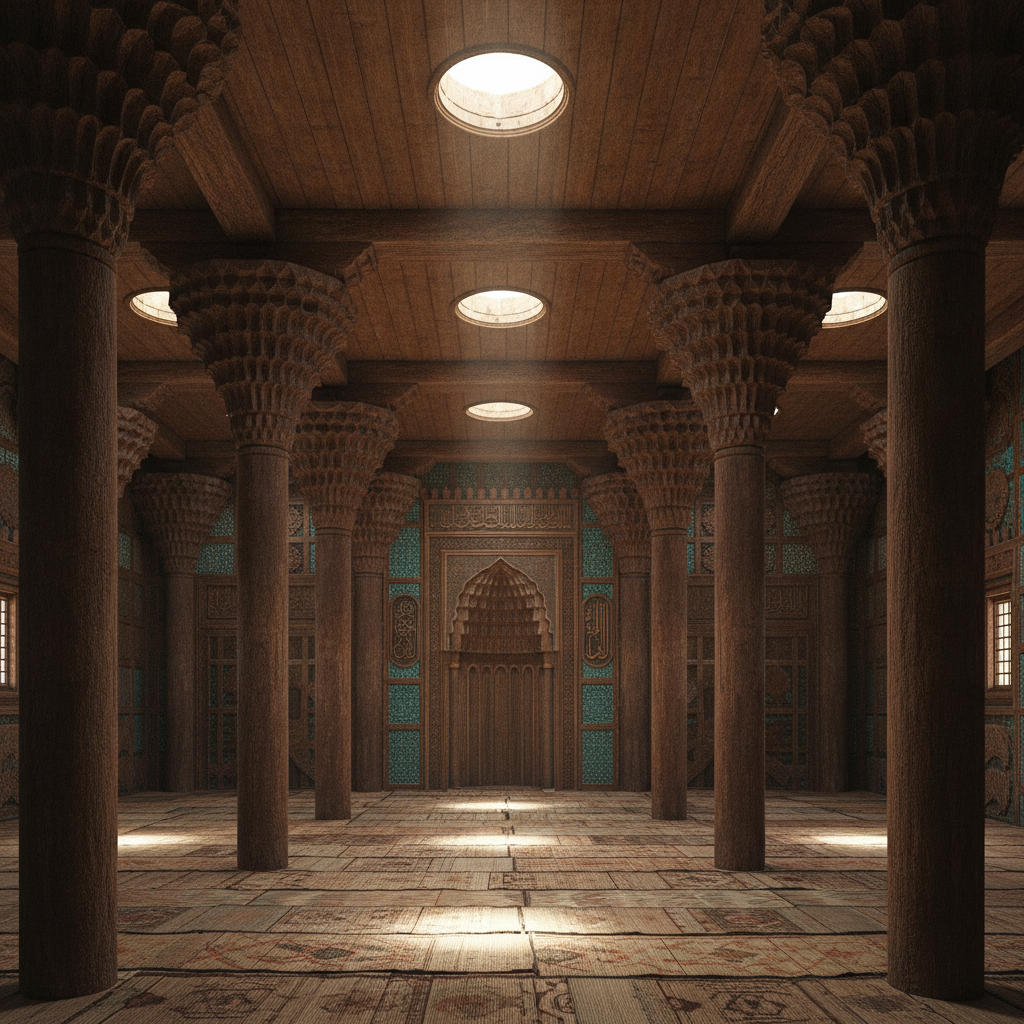
Beysehir Day Trip: The Esrefoglu Wooden Mosque, Beysehir Lake Ecology, the Sugla Wetland Bird Sanctuary, Takkeli Mountain, and the Anatolian Plateau Landscape
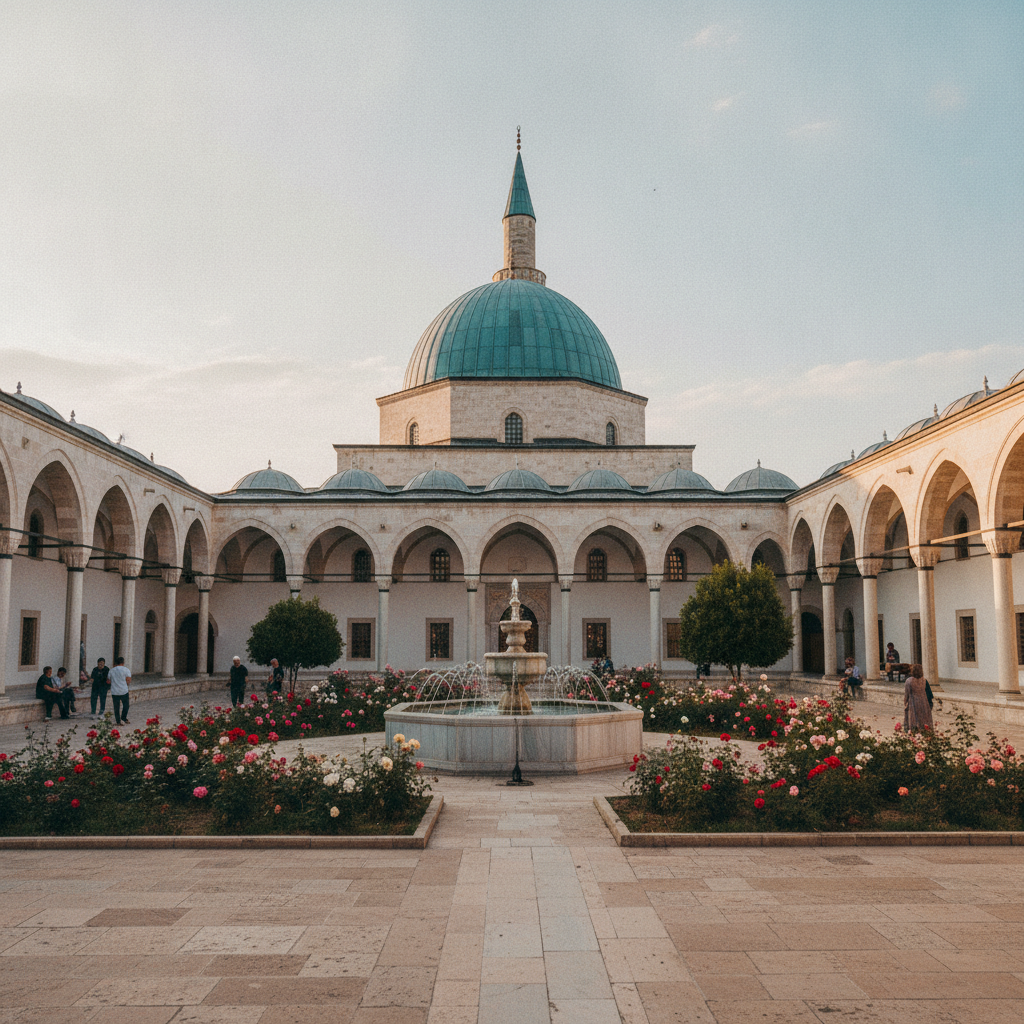
Rumi: Life and Philosophy, the Masnavi Spiritual Poem, the Transformative Meeting with Shams of Tabriz, the Mevlevi Order Founding, and the Global Legacy of the Most Translated Poet
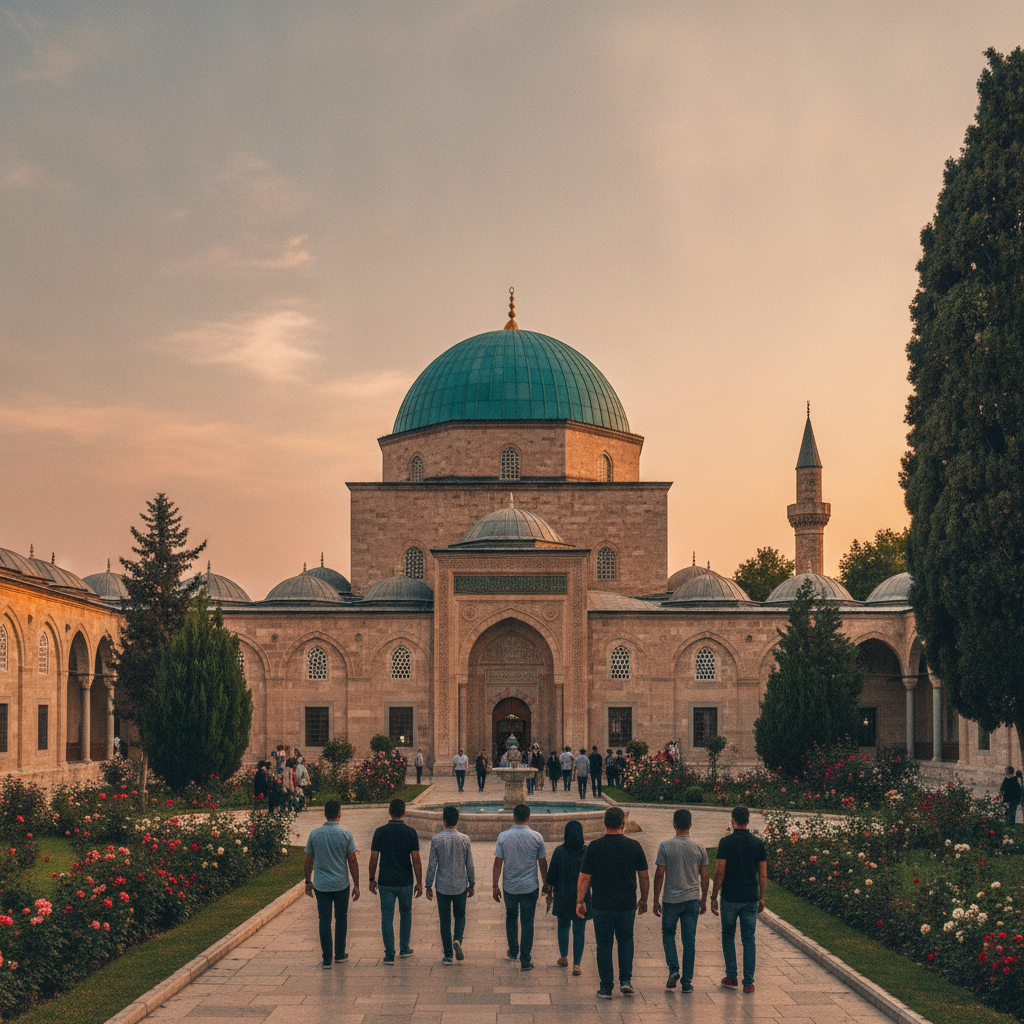
Konya Essential: Mevlana Museum and the Tomb of Rumi, the Sema Whirling Ceremony, the Karatay Medrese, Ince Minareli Medrese, the Aladdin Mosque, and the Seljuk Architectural Heritage
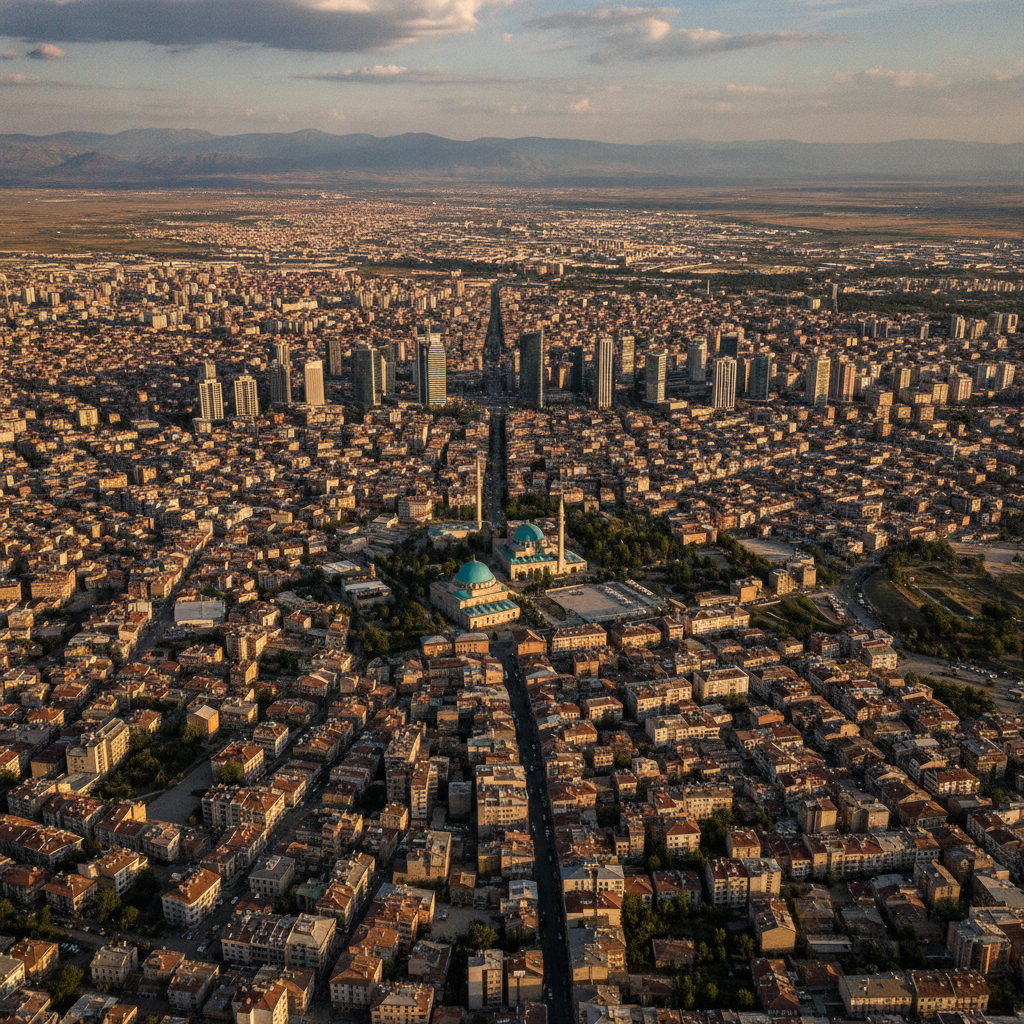
Konya Practical: Transport from Ankara and Istanbul, the Conservative City Navigation, the Best Accommodation Options, the Konya Circuit Timing, the Cappadocia Connection, and the Departure Summary
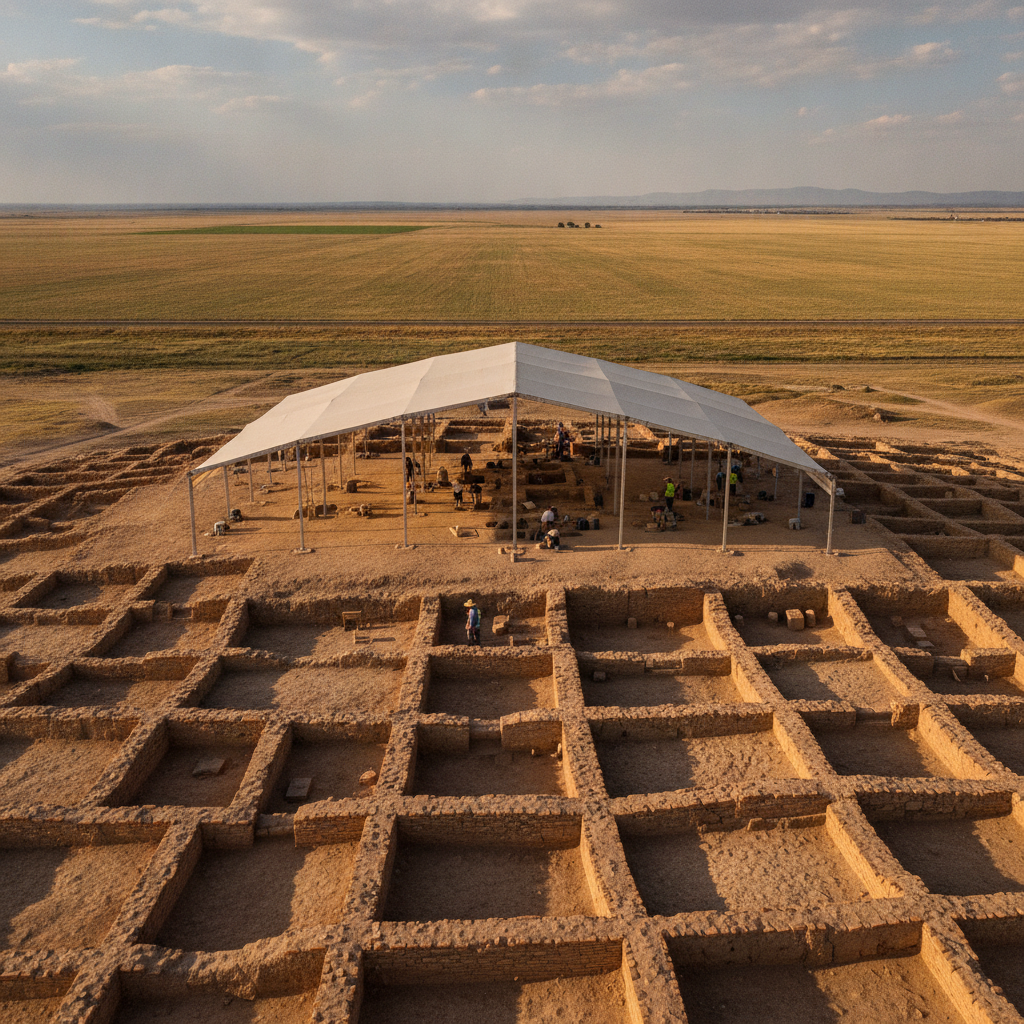
Catalhoyuk: The 9,000-Year-Old Neolithic Settlement, the Mother Goddess Figurines, the Wall Paintings, the Rooftop City Plan, the Ian Hodder Excavation, and the UNESCO World Heritage Designation