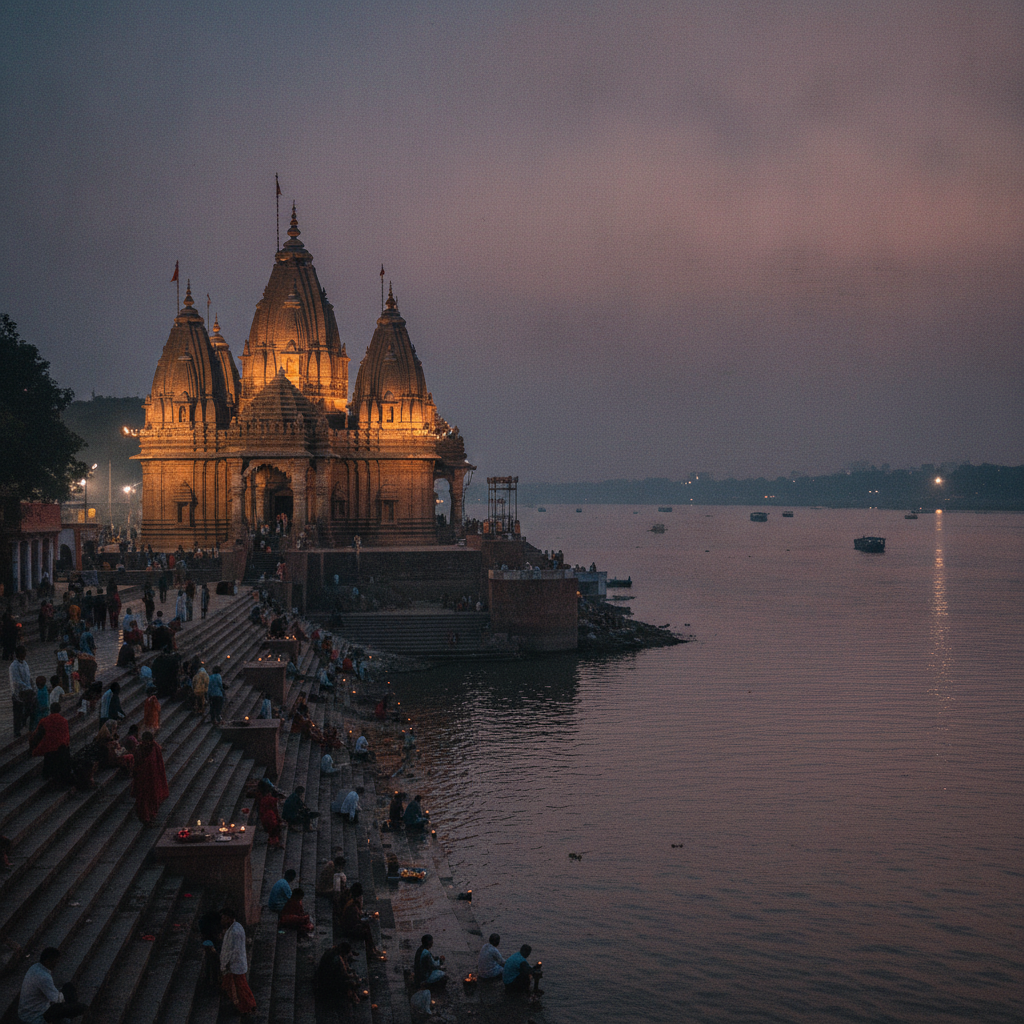
Kolkata Essentials: Howrah Bridge, the World's Largest Art Festival & the City That Produced Two Nobel Prizes
Encounter India's most intellectually serious city—Howrah Bridge's 100,000 daily vehicles above the Mullik Ghat flower market where 2,000 traders unload marigolds by boat at 4am, Durga Puja's 2,500 competing pandal art installations across five October nights (now UNESCO Intangible Cultural Heritage), the Bengal Renaissance that produced Rabindranath Tagore (1913 Nobel Literature) and Amartya Sen (1998 Nobel Economics), Kalighat Temple where Kolkata takes its name and Mother Teresa operated the Home for the Dying alongside it, and the last functioning trams and hand-pulled rickshaws in India.
- 1
Victoria Memorial – The Marble Monument to British India
Victoria Memorial—completed in 1921, the largest marble building in India (covering 184 acres including its surrounding garden), built to commemorate Queen Victoria and serve as a museum of British India—is Kolkata's most visited landmark and its most powerful statement of colonial ambition. The building, designed by William Emerson in Indo-Saracenic style (British architecture incorporating Mughal and Indian decorative elements), combines white Makrana marble (the same quarry as the Taj Mahal) with a rooftop bronze statue of the Angel of Victory (the revolving figure visible from much of the city). The interior museum contains 25 galleries of colonial-era art, weapons, manuscripts, and portraits—the finest collection of British India material in any museum. The surrounding garden, maintained by the Archaeological Survey of India, is Kolkata's premier green space.
- 2
Howrah Bridge – The Cantilever Icon of Bengal
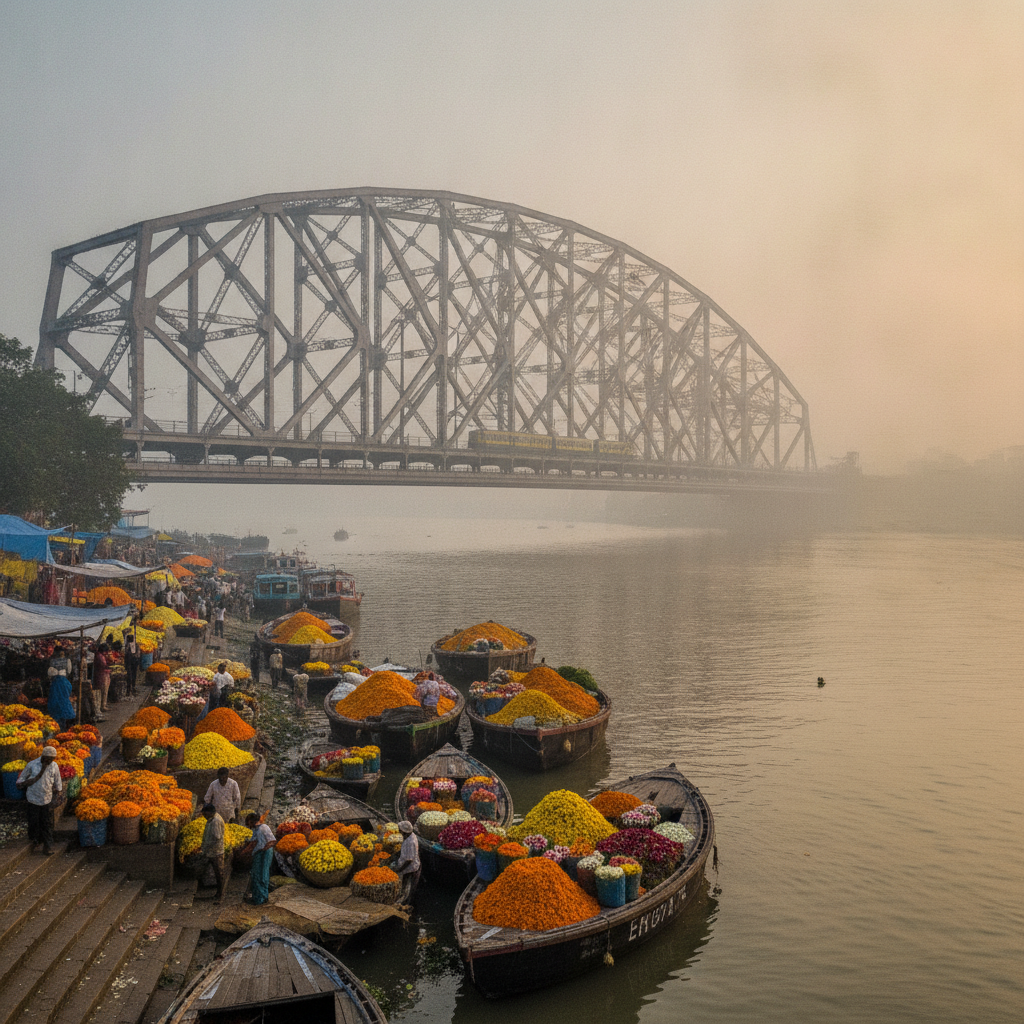
Howrah Bridge (Rabindra Setu)—spanning the Hooghly River between Kolkata and Howrah, opened in 1943—is one of the busiest bridges in the world (estimated 100,000 vehicles and 150,000 pedestrians daily) and the most recognisable image of Kolkata. The bridge is a balanced cantilever design (not a suspension bridge—a common misconception)—two 91-metre towers carry the 705-metre span without any river piers, using 26,500 tonnes of high-tensile steel. Night illumination of the bridge (brilliant white LED, since 2020) has made it an evening destination. The Mullik Ghat flower market directly below the bridge's Kolkata end—operating 24 hours, India's largest wholesale flower market with 2,000+ flower traders—is one of the most sensory street experiences in India at dawn, when the daily deliveries of marigold, tuberose, and rose arrive by boat.
- 3
Durga Puja – The World's Largest Art Festival
Durga Puja—the autumn festival celebrating the goddess Durga's victory over the demon Mahishasura, held over 5 days in September/October (Shashthi to Dashami)—is the defining event of Bengali cultural life and has been described (following its UNESCO Intangible Cultural Heritage listing in 2021) as the world's largest outdoor art festival. During Durga Puja, approximately 2,500 pandals (temporary festival structures) are erected across Kolkata, each containing an elaborately crafted clay idol of Durga (with her 10 arms, on her lion, defeating the demon) surrounded by four companion deities. The pandals compete on artistic theme, engineering, and decoration: themes range from recreations of famous world landmarks to avant-garde art installations, commentary on current events, and tributes to recently deceased artists. Pandal-hopping (moving between pandals by car, auto-rickshaw, or on foot through the night) is the central activity.
- 4
Kolkata's Intellectual & Literary Heritage – City of Joy or City of Ideas?
Kolkata was the intellectual capital of British India—the seat of the Bengal Renaissance (1820s–1920s), a period of extraordinary cultural, social, and philosophical productivity that produced Rammohan Roy (founder of the Brahmo Samaj, pioneering Hindu reform, campaigner against sati), Ishwar Chandra Vidyasagar (women's education, widow remarriage), Bankimchandra Chattopadhyay (the novelist who wrote Vande Mataram), Rabindranath Tagore (Nobel Prize in Literature 1913, the only Asian to win for an Indian language—Bengali), Satyajit Ray (the film director, among the greatest in world cinema history), and Amartya Sen (Nobel Prize in Economics 1998). The city remains India's most literary: Coffee House (College Street, established 1876) has been the gathering place of Kolkata's intellectual community for 150 years.
- 5
Kalighat Temple & Mother Teresa's Legacy
Kalighat Temple—the original 'Kali ghat' (steps of Kali) from which Kolkata takes its name—is a Shakti Peetha (one of 51 sites where body parts of the goddess Sati fell to earth, according to Hindu mythology; Kalighat is where the toes of the right foot fell). The current temple was rebuilt in 1809; the goddess Kali (black-skinned, tongue extended, adorned with a garland of skulls and a skirt of severed arms) is worshipped here with particular intensity during Kali Puja (October/November). Mother Teresa (Agnes Gonxhe Bojaxhiu, 1910–1997)—the Albanian-born Catholic nun who founded the Missionaries of Charity in Kolkata in 1950—operated the Nirmal Hriday (Home for the Dying and Destitute) adjacent to Kalighat Temple. Her Mother House (54A AJC Bose Road) contains her tomb and a small museum; the Missionaries of Charity still operate globally.
- 6
Kolkata's Trams & Yellow Taxis – The City's Street Level
Kolkata is the only Indian city to retain a functioning tram network: the Kolkata tram system (established 1882—the oldest electric tram system in Asia) still operates approximately 100 trams on several routes through the central city, though the network has contracted significantly from its peak of 70+ routes. The iconic yellow Ambassador taxis (based on the British Morris Oxford, manufactured in Kolkata 1958–2014 by Hindustan Motors)—which once dominated Kolkata's streets—are now fewer but still operating alongside app-based cabs. The hand-pulled rickshaw (the last functioning hand-pulled rickshaw service in India, operated by the Bihari migrant community) has been officially banned but continues to operate in parts of north Kolkata (particularly around Shyambazar). These street-level transport modes give Kolkata a character unlike any other Indian metropolis.
Walk this route with audio
Stories play automatically as you reach each stop — no tapping needed.
More in Kolkata
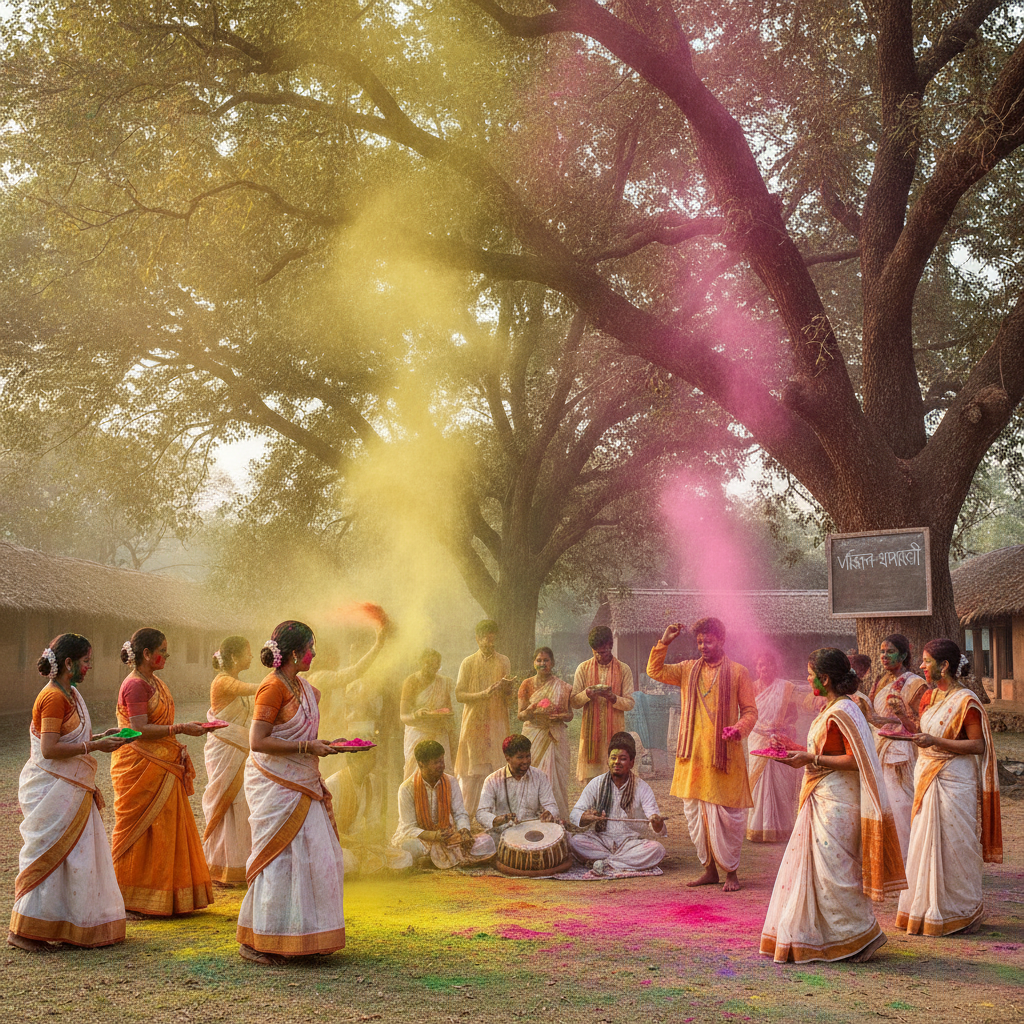
Kolkata's Other Dimensions: Tagore's Open-Air University, the East Kolkata Sewage Fish Farms & the Political Walls
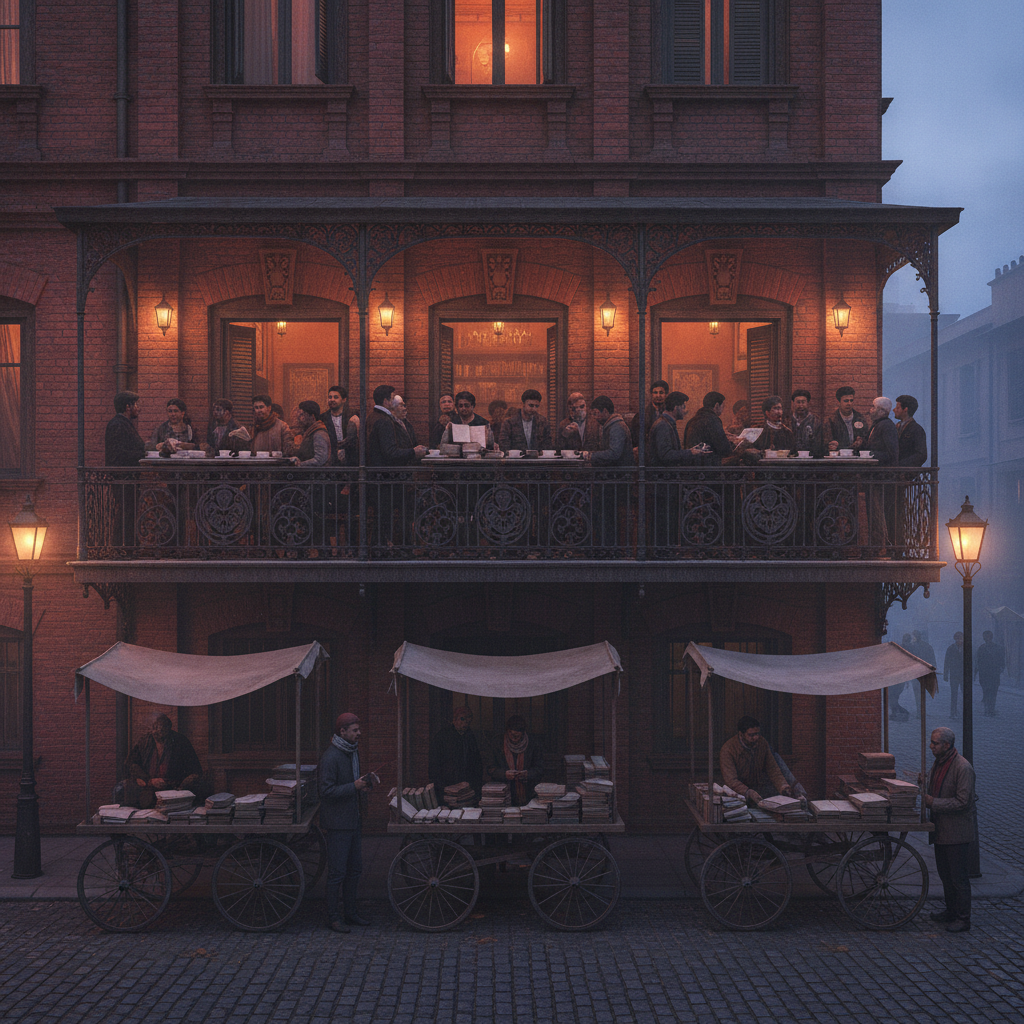
Kolkata's Genius: Tagore's Nobel Prize House, Satyajit Ray's Cannes Revolution & 34 Years of Democratic Communism
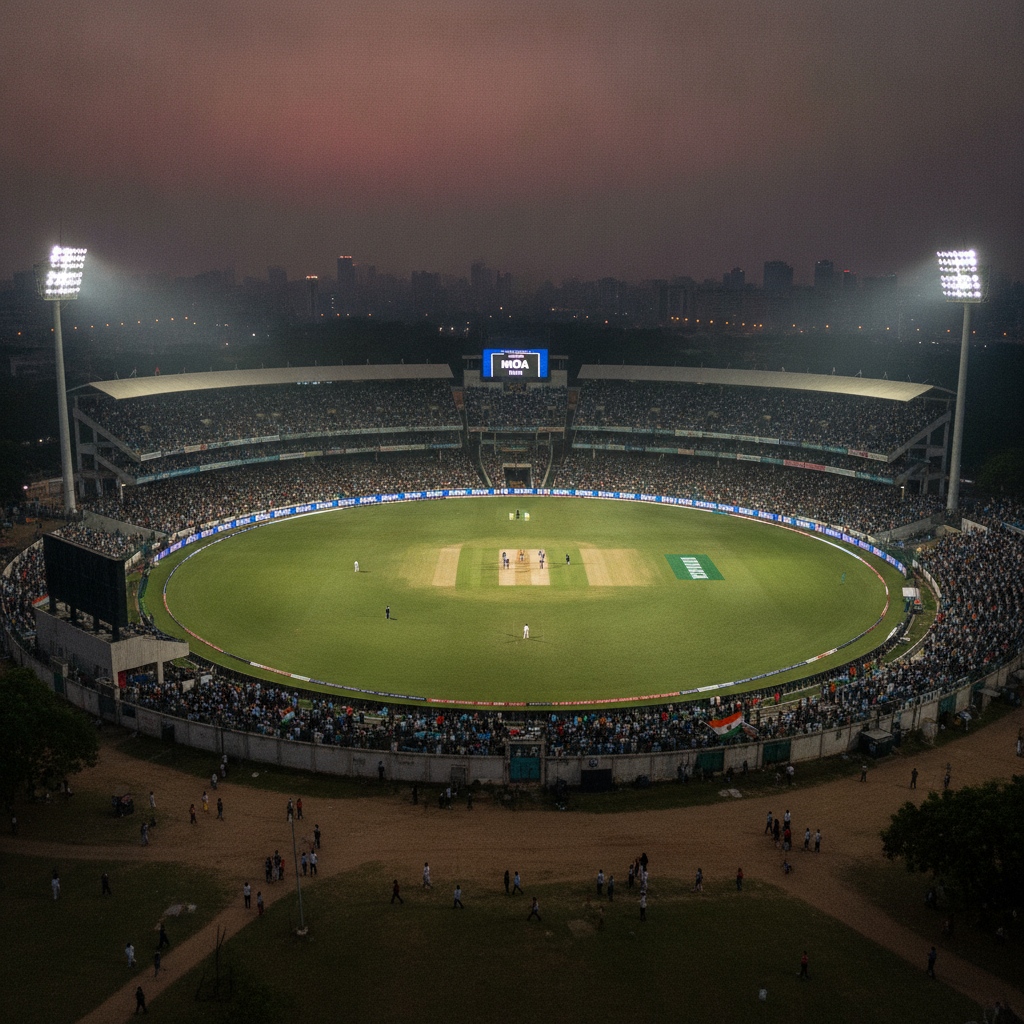
Kolkata's Weight: The 1943 Famine Churchill Didn't Stop, India's First Metro Under the Hooghly & the Most Passionate Football City
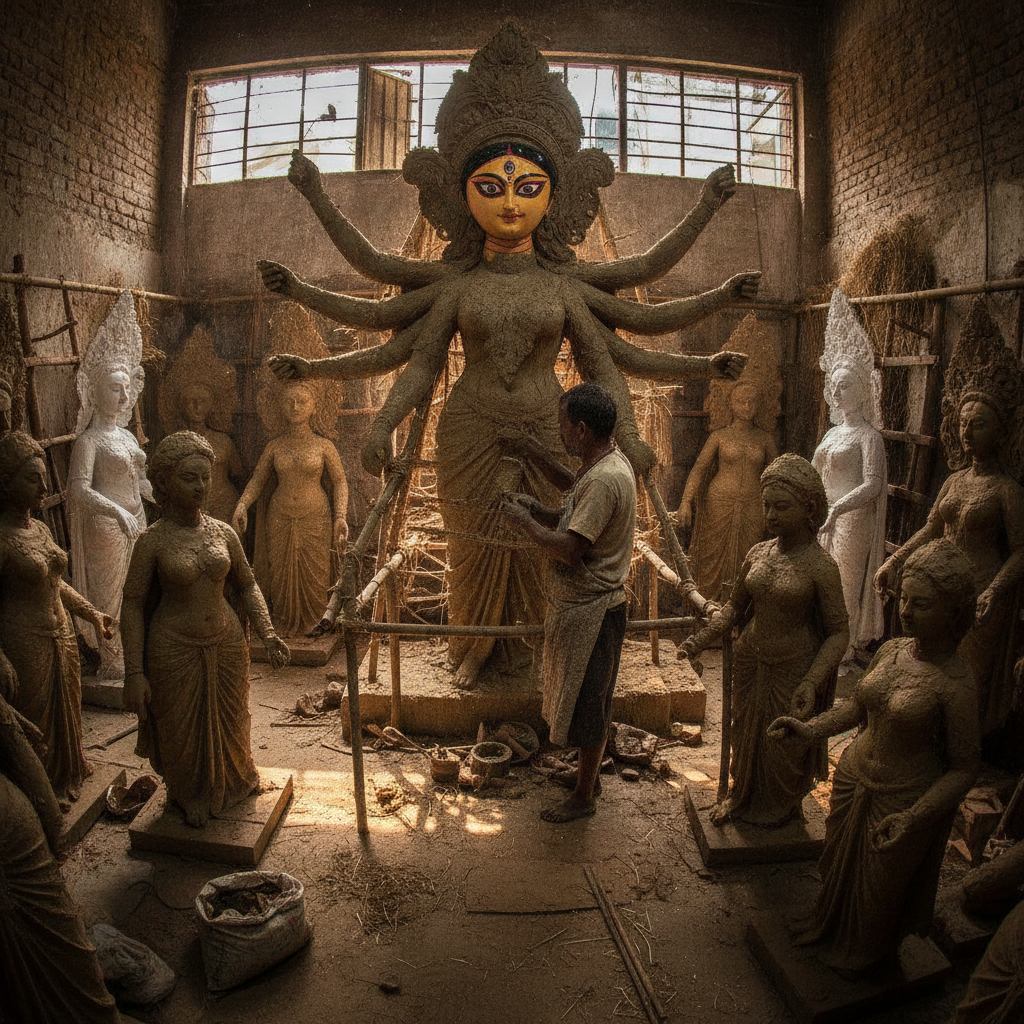
Kolkata's Hidden Communities: The Idol-Makers of Kumartuli, the Last 25 Jews in India & Kolkata's Chinese Dim Sum Morning