Kolkata's Genius: Tagore's Nobel Prize House, Satyajit Ray's Cannes Revolution & 34 Years of Democratic Communism
Trace the extraordinary intellectual current that runs through Kolkata—Rabindranath Tagore's rambling north Kolkata mansion where India's and Bangladesh's national anthems were written, Satyajit Ray's 1955 Pather Panchali shocking Cannes with black-and-white Bengal village life filmed on a shoestring, 2 million second-hand books on College Street pavements and Coffee House arguments that have been running since 1876, Bengal tigers swimming between Sundarbans mangrove islands in the world's largest tidal mangrove forest, the CPI(M)'s 34-year democratic communist government that lost power over a Singur land grab, and the kathi roll invented at Nizam's restaurant in 1932 as the world's first wrap.
- 1
Rabindranath Tagore & Jorasanko Thakur Bari
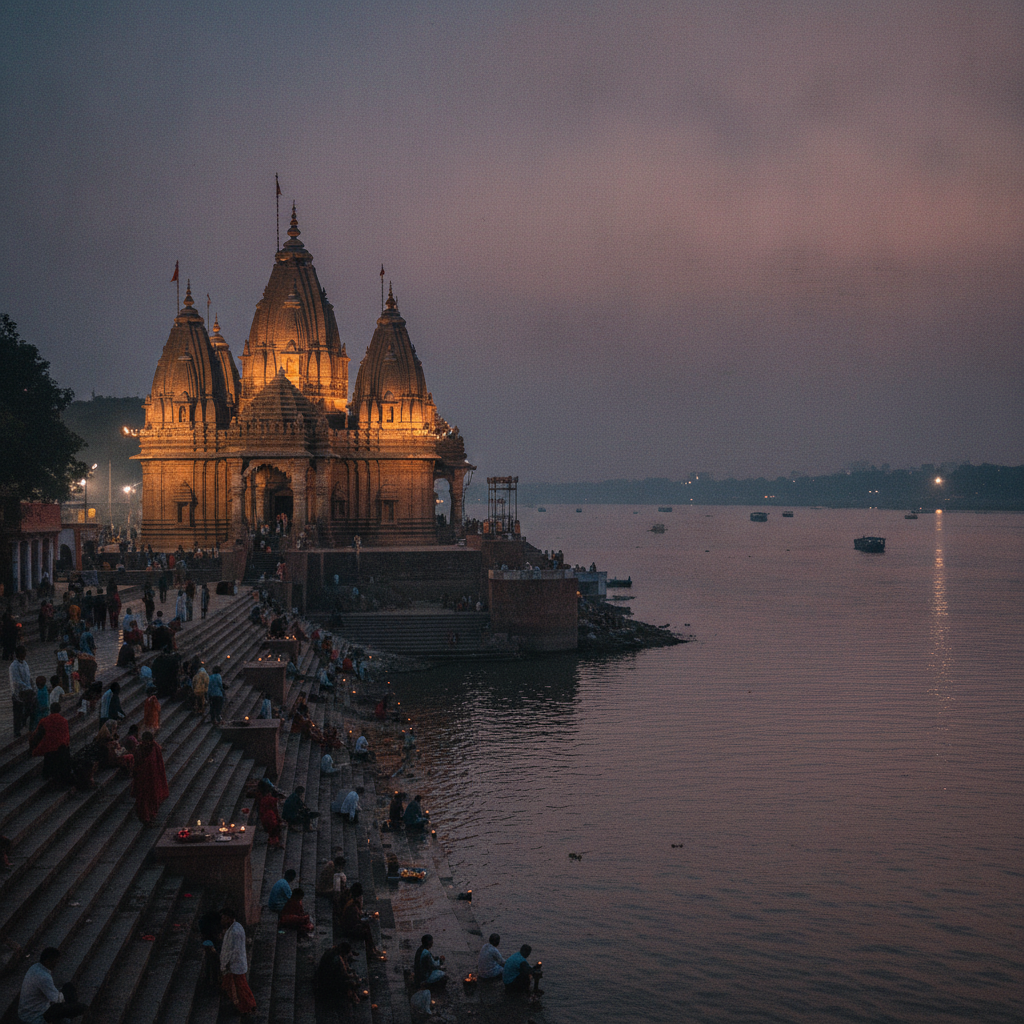
Rabindranath Tagore (1861–1941)—the Bengali polymath who wrote poems, novels, short stories, plays, songs, and paintings; who composed the national anthems of both India (Jana Gana Mana) and Bangladesh (Amar Sonar Bangla); who founded Visva-Bharati University at Shantiniketan; and who became the first non-European to win the Nobel Prize in Literature (1913, for the poetry collection Gitanjali—'Song Offerings')—was born at and spent much of his life in the Jorasanko Thakur Bari ('Jorasanko Tagore House') in north Kolkata. The house (now the Rabindra Bharati Museum and University) is a 19th-century mansion of extraordinary architectural beauty, containing Tagore's personal artifacts, paintings, manuscripts, and memorabilia. The atmosphere of the rambling house—carved wooden pillars, inner courtyards, the smell of old wood—is among the finest museum environments in India.
- 2
Satyajit Ray & Bengali Cinema
Satyajit Ray (1921–1992)—born in Kolkata, educated at Presidency College and Shantiniketan, working his entire career in Kolkata—is universally considered one of the greatest film directors in the history of cinema. His Apu Trilogy (Pather Panchali 1955, Aparajito 1956, Apur Sansar 1959)—filmed in black and white on a tiny budget with non-professional actors in rural Bengal—shocked the Cannes Film Festival and revealed a cinematic language of extraordinary emotional depth. His films span Bengali village life, Calcutta urban stories, historical dramas, and children's films (the Goopy Gyne Bagha Byne detective stories). He received an Honorary Academy Award in 1992, weeks before his death. The Nandan Film Centre (Kolkata) runs frequent retrospectives; the Satyajit Ray Film and Television Institute maintains his archive.
- 3
North Kolkata – The Black Hole, Marble Palace & College Street
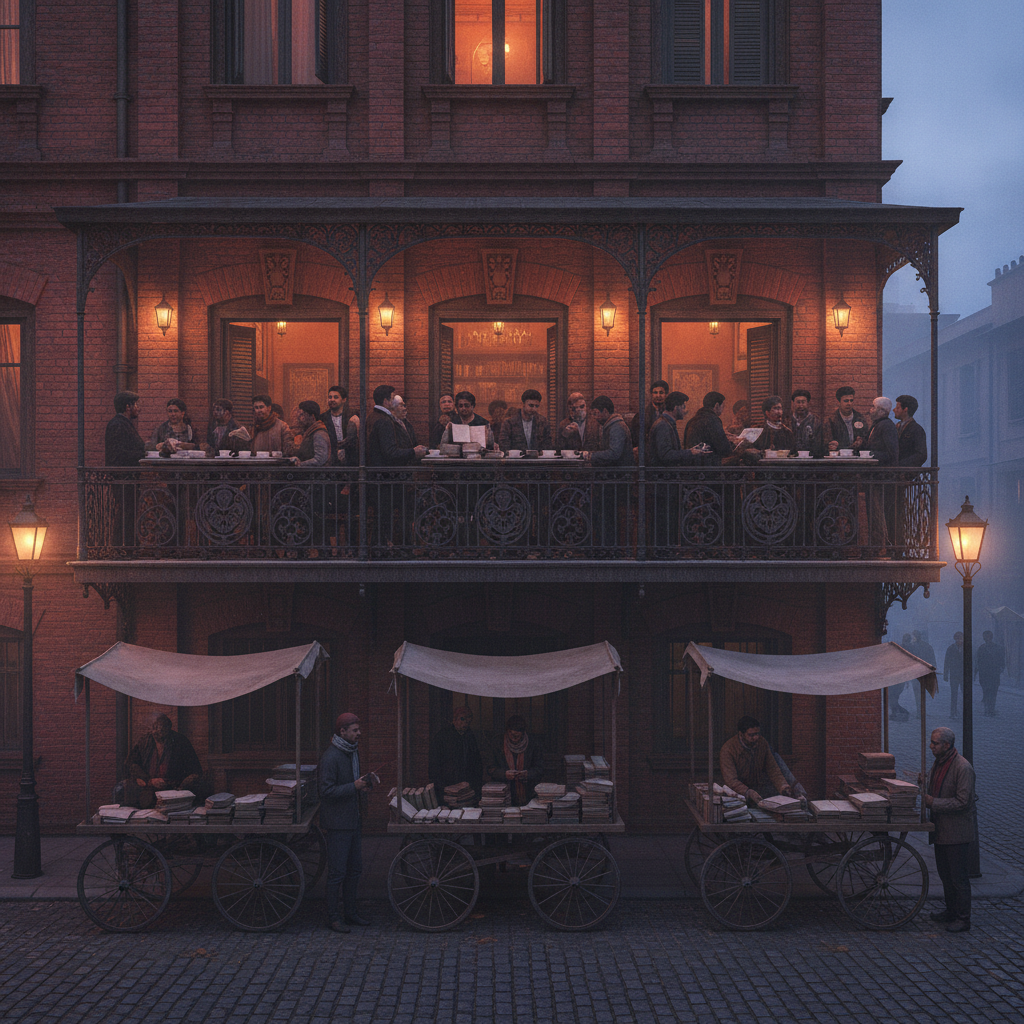
North Kolkata (the old city north of Dalhousie Square) contains the densest concentration of 19th-century Bengali culture. College Street (Boi Para—'Book Town')—a 2 km stretch of bookshops, second-hand book vendors, and the famous Coffee House—is the intellectual heart of Bengal: 2 million books available on the pavement, Coffee House (established 1876) where generations of Bengali artists, writers, politicians, and students have argued over tea for 150 years. The Marble Palace (1835, open Tuesday, Wednesday, Friday, Sunday by appointment)—a private mansion containing an extraordinary collection of European art (Rubens, Reynolds, Titian, Murillo) alongside neo-classical statues and marble floors—is one of the most surprising interiors in India. The Black Hole of Calcutta site (Holwell Monument, near Writers' Building) marks the controversial 1756 incident.
- 4
The Sundarbans – The World's Largest Mangrove Delta
The Sundarbans—the world's largest mangrove forest, shared between India (West Bengal) and Bangladesh, UNESCO World Heritage Site (1987 Indian side)—lies 100–150 km south of Kolkata and is the only place in the world where Bengal tigers live in tidal mangrove habitat. The Indian Sundarbans (4,263 km²) contains approximately 100 tigers who swim between islands, eat fish and crabs (as well as deer), and occasionally attack humans. The ecosystem is extraordinary: tidal channels, mangrove forest, mudflats, and open water creating a landscape unlike any other tiger habitat. Access is by boat from Canning or Sonakhali; tiger sightings are less guaranteed than at Ranthambore or Kanha but the forest experience—navigating narrow channels through mangroves, passing saltwater crocodiles—is unique.
- 5
Kolkata's Communist Legacy – The Left Front's 34 Years
West Bengal was governed by the Communist Party of India (Marxist)—CPI(M)—from 1977 to 2011, the longest-serving democratically elected communist government in world history (34 years). The Left Front government implemented land reform (Operation Barga—tenant farmers registered, given security of tenure, increasing agricultural productivity), expanded primary education, and maintained a distinctive political culture (political graffiti covering every wall, trade union organising at every level). The Left Front's legacy is complex: initial pro-poor reforms were followed by industrial stagnation (Kolkata lost its status as India's commercial capital to Mumbai during this period); the Singur (2006) and Nandigram (2007) controversies (land acquisition for industrial development opposed by farmers, with violent police response) ended the Left Front's political legitimacy. Mamata Banerjee's Trinamool Congress swept to power in 2011.
- 6
Kolkata's Food – Street Food Capital & Bengali Cuisine
Kolkata is considered India's street food capital by many food critics—a claim supported by the extraordinary variety and quality of street food available at virtually every corner. Key Kolkata street foods: kathi roll (invented at Nizam's restaurant in 1932—a paratha flatbread wrapped around egg and meat or paneer filling, the prototype of the modern wrap); puchka (Kolkata's term for the hollow fried dough balls filled with spiced potato mash and tamarind water, known as pani puri elsewhere; Kolkata's version uses tamarind-dominant water rather than mint); Kolkata biryani (the Nawab of Awadh-derived style, including potato in the biryani—a poverty-era substitution during British colonial times that became definitive); mishti doi (sweet yoghurt, fermented in clay pots, the essential Bengali dessert). Kalo Jamun, sandesh, and rosogolla complete the Bengali sweets repertoire.
Walk this route with audio
Stories play automatically as you reach each stop — no tapping needed.
More in Kolkata
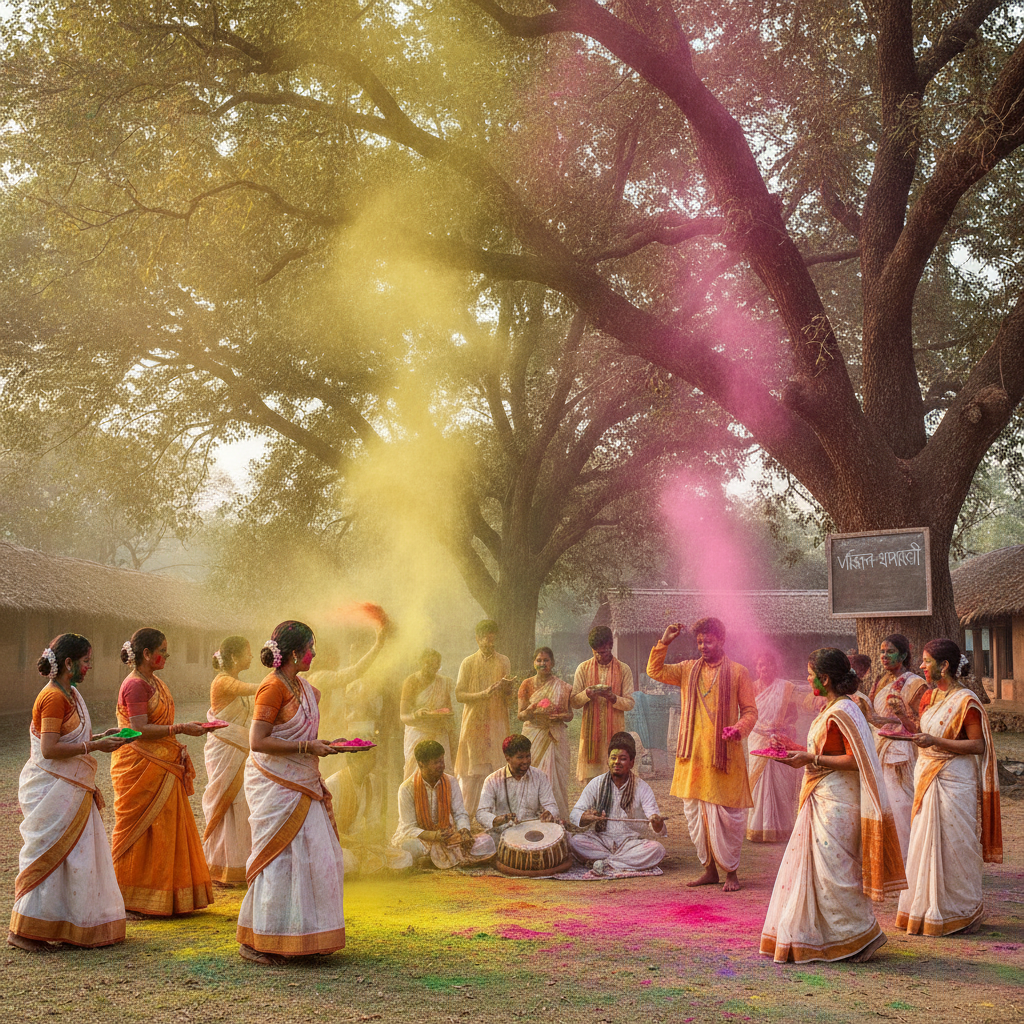
Kolkata's Other Dimensions: Tagore's Open-Air University, the East Kolkata Sewage Fish Farms & the Political Walls
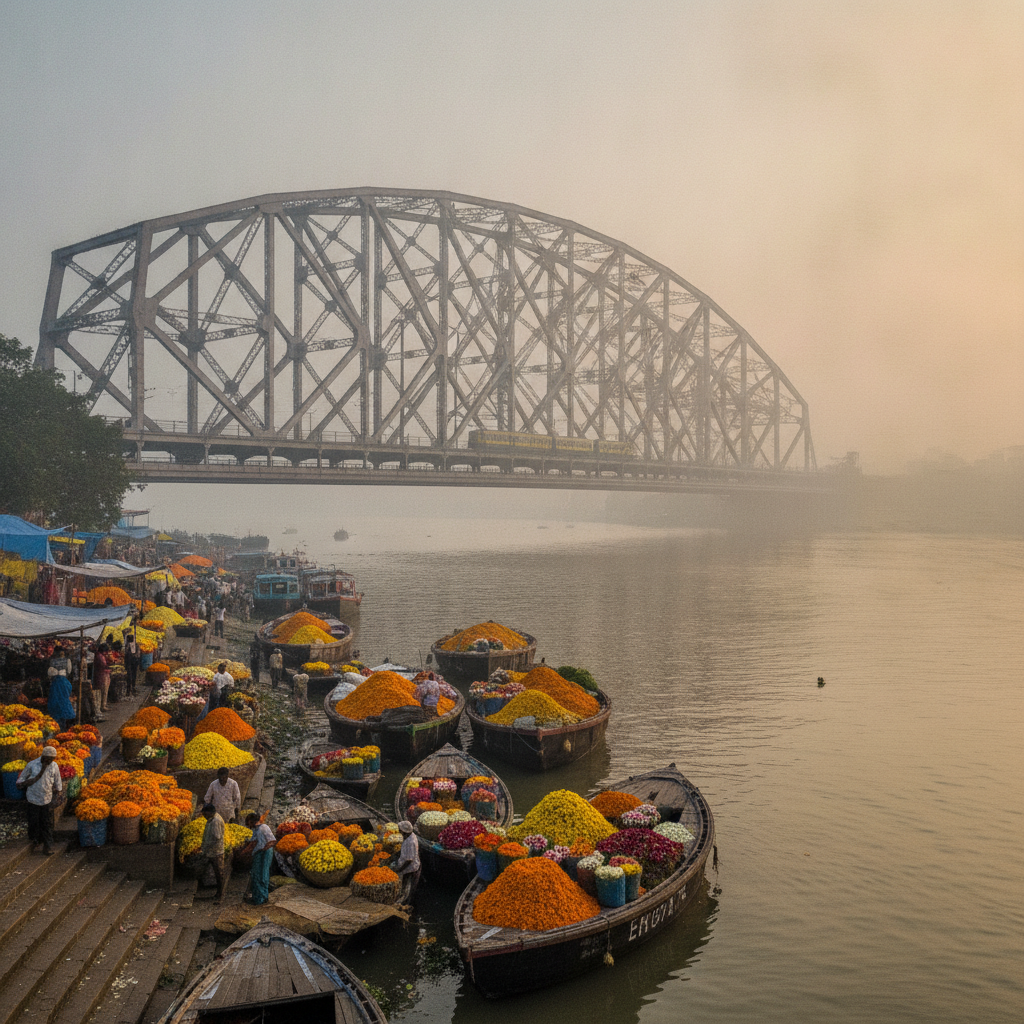
Kolkata Essentials: Howrah Bridge, the World's Largest Art Festival & the City That Produced Two Nobel Prizes
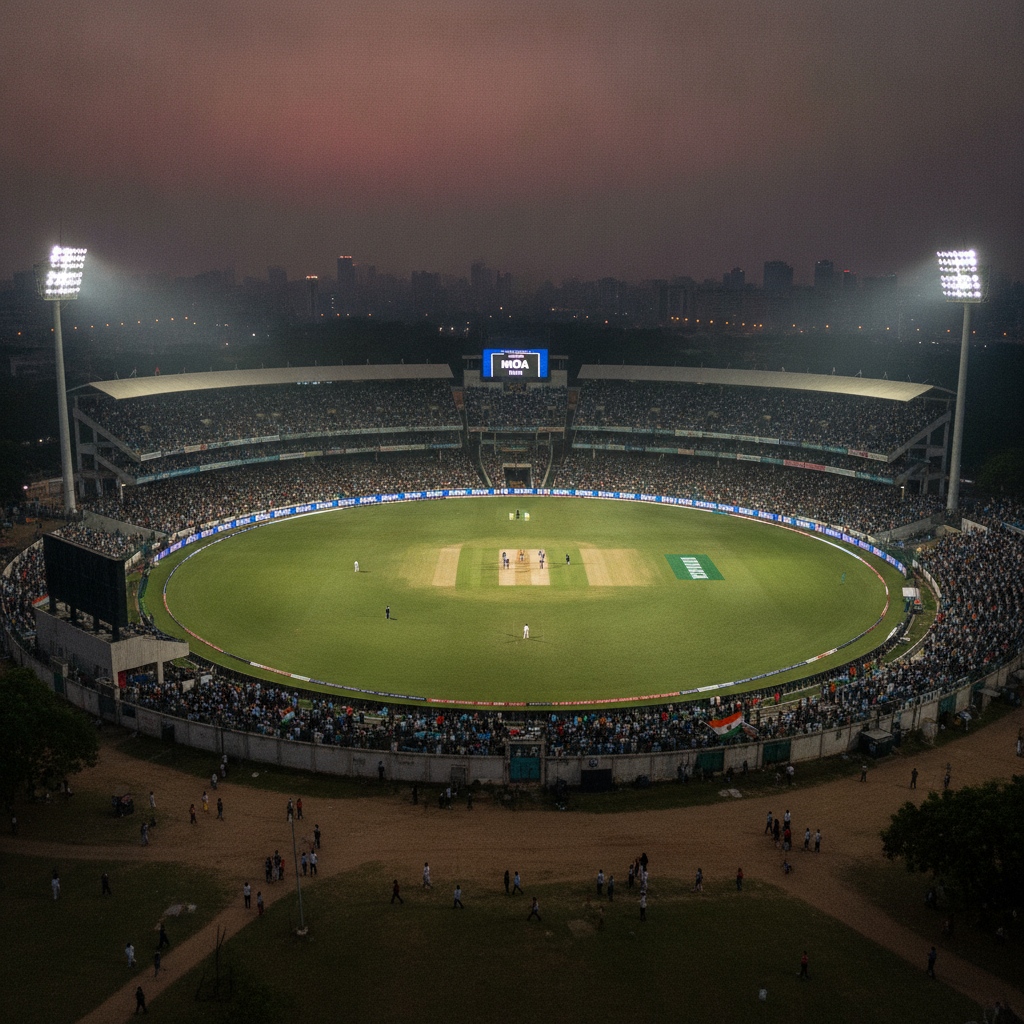
Kolkata's Weight: The 1943 Famine Churchill Didn't Stop, India's First Metro Under the Hooghly & the Most Passionate Football City
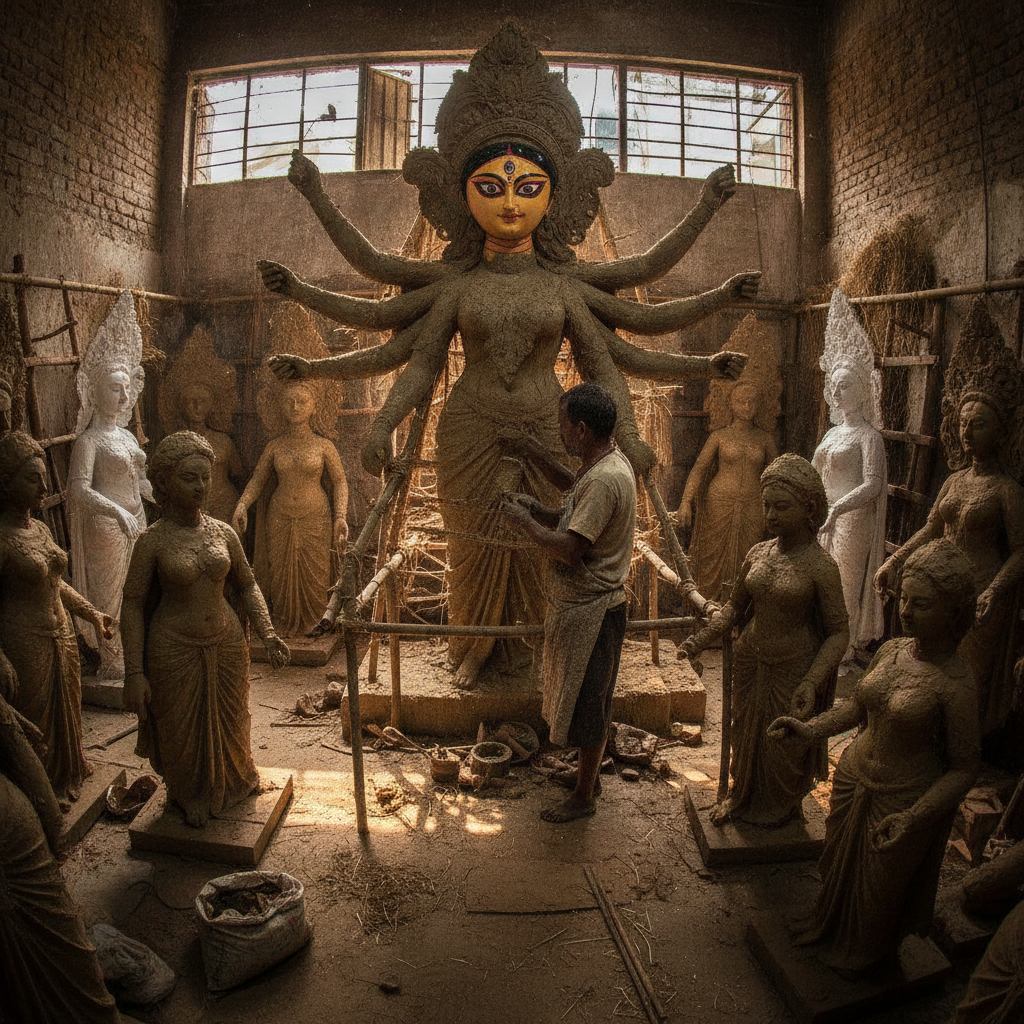
Kolkata's Hidden Communities: The Idol-Makers of Kumartuli, the Last 25 Jews in India & Kolkata's Chinese Dim Sum Morning