University of Kisangani: Education at the Congo's Heart
The University of Kisangani — one of the DRC's major institutions — represents the aspirations of Central Africa's most populous country for education and development in a city that has seen extraordinary violence and resilience
- 1
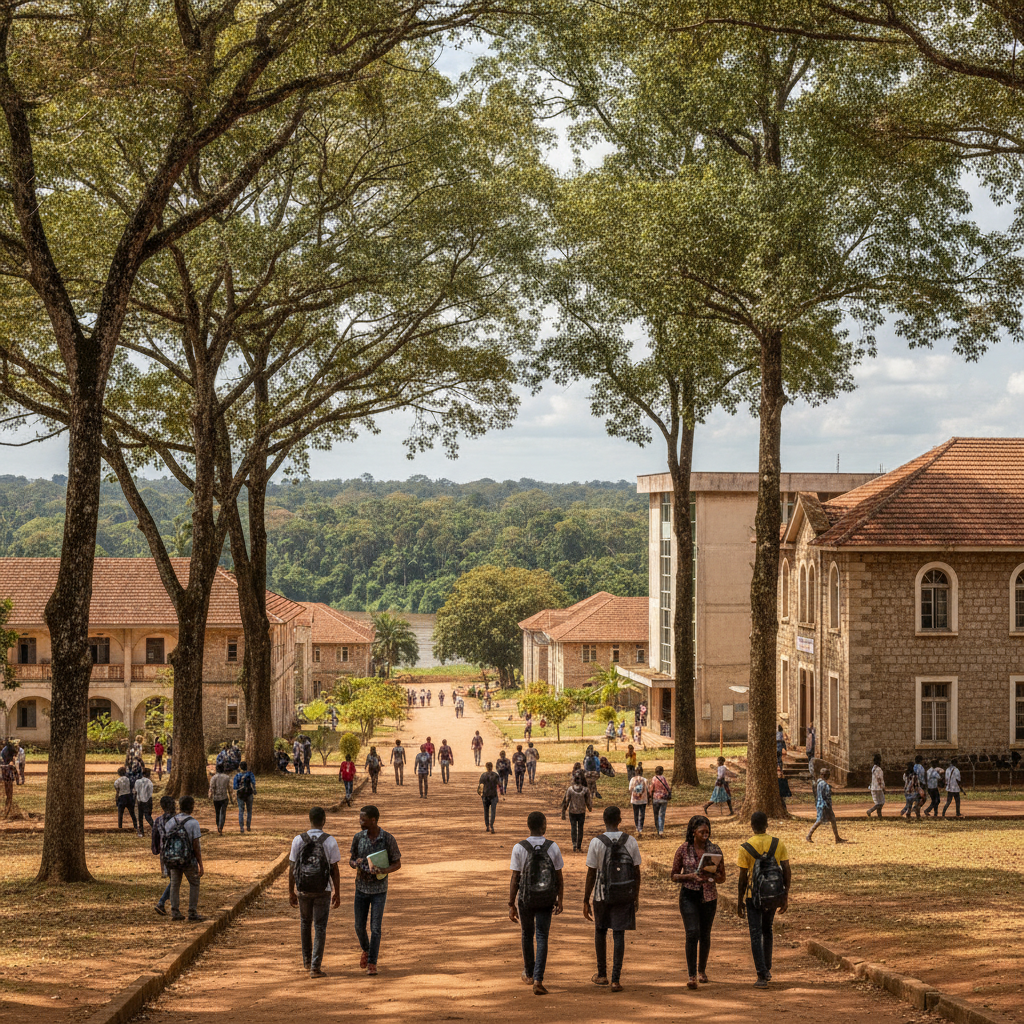
UNIKIS Campus and History
The University of Kisangani was founded in 1963, three years after independence – its history reflects the political turmoil of the Democratic Republic of the Congo, with closures during the Mobutu era and the Congolese Wars
- 2
Student life in Kisangani
The student culture around UNIKIS is the city's most dynamic — the cafes, libraries and sports fields on campus, and the student discussion culture debating the future of the Congo
- 3
Faculty of Medicine and Health
The medical faculty is training doctors for a country with one of the world's worst doctor-patient ratios — the graduates who stay in the Democratic Republic of Congo instead of emigrating are important to the health system
- 4
Mobutu Era Education Policy
Under Mobutu's Zairianization policies, universities were renamed, curricula Africanized, and foreign staff expelled — the consequences for academic quality were severe and lasting
- 5
Research on Congo's Biodiversity
UNIKIS scientists conduct surveys of biodiversity in the surrounding forests — scientific knowledge of the Congo Basin ecosystem is still being built, and local scientists are important
- 6
Congo Youth Demography
The Democratic Republic of Congo has one of the world's youngest populations — over 60% under the age of 25 — and Kisangani University represents the ambition of a generation that grew up in conflict and is building a different future
Walk this route with audio
Stories play automatically as you reach each stop — no tapping needed.
More in Kisangani
Wagenia People: Fishing Culture at the Congo's Great Falls
Wagenia Falls & the Congo River at Kisangani
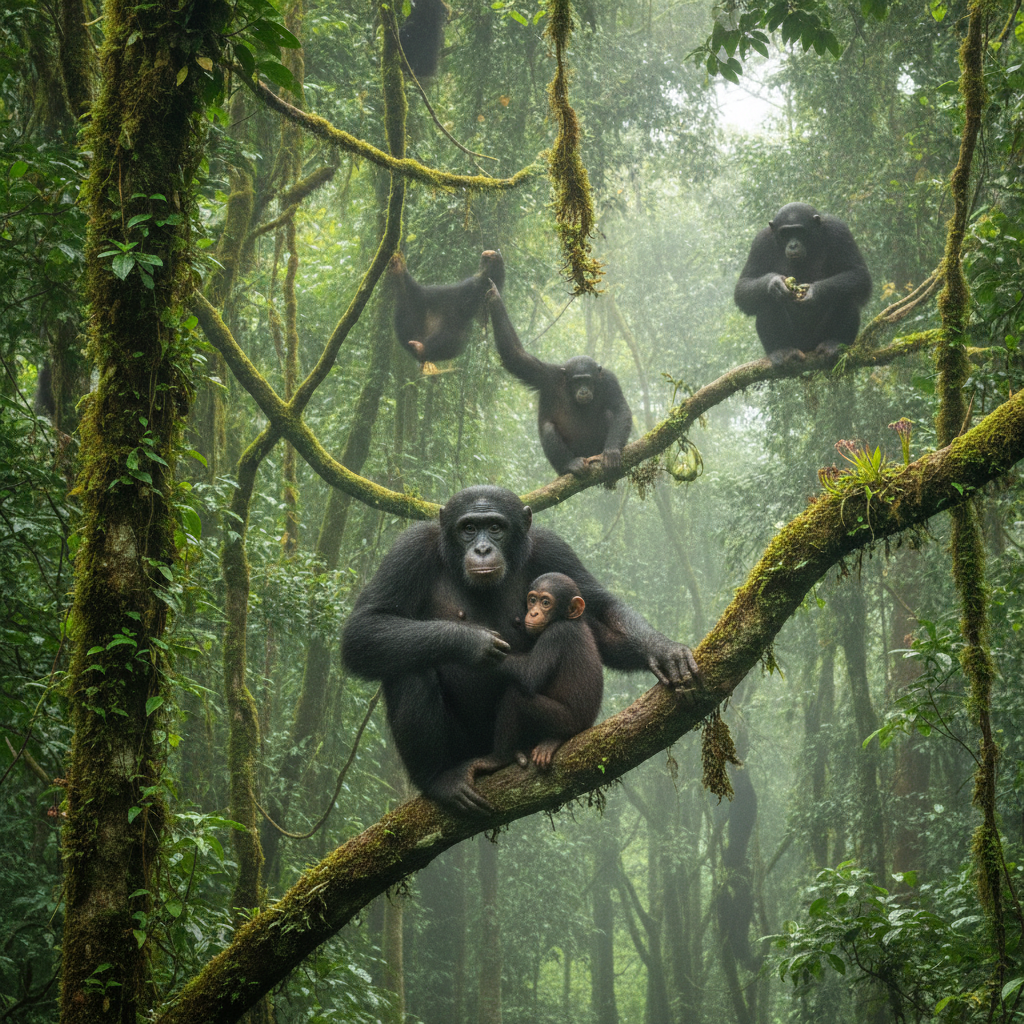
Chimpanzees & Bonobos: The Congo's Great Apes
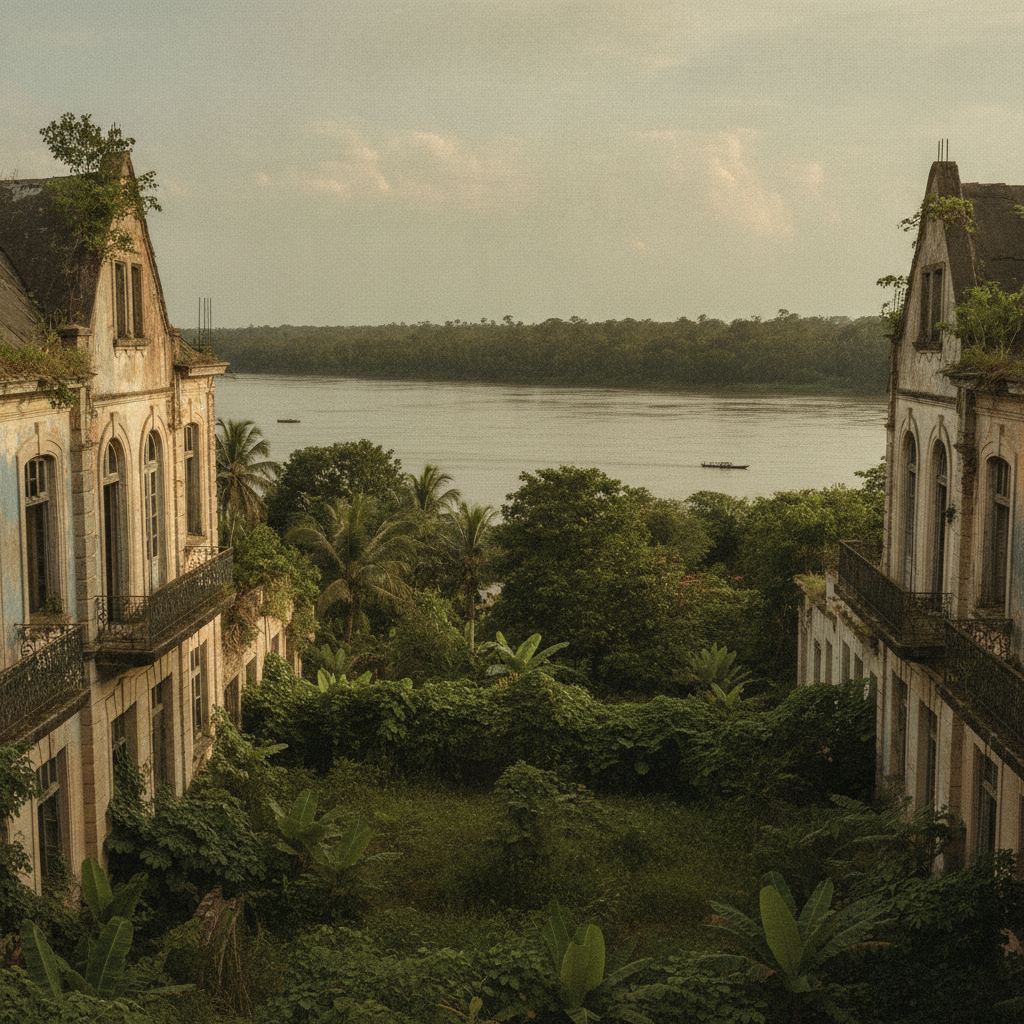
Stanleyville to Kisangani: Colonial History & Independence
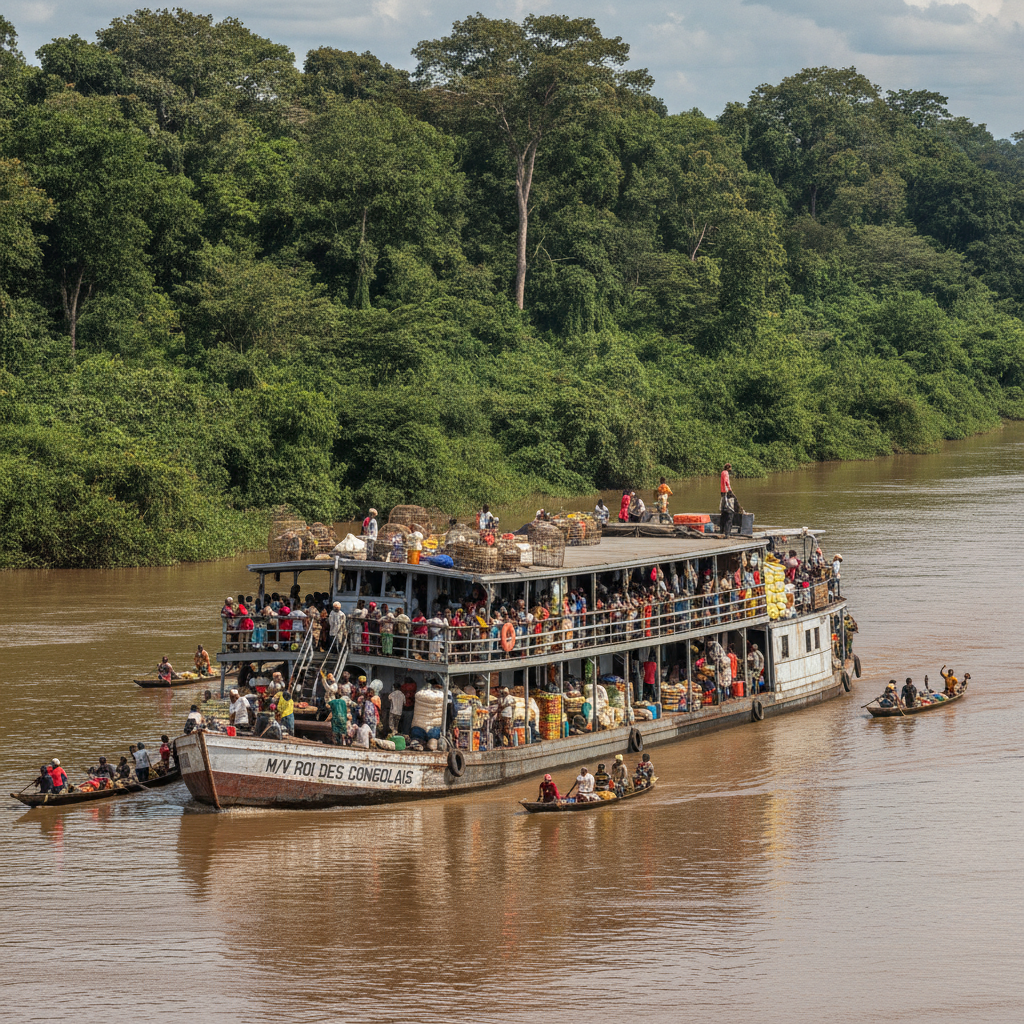
The Congo River Journey: Kisangani to Kinshasa by Barge