Kingston Music Heritage: Ska, Reggae, Studio One, Rastafari, and the Sound System Culture
The music heritage of Kingston encompasses the complete sequence of Jamaican popular music genres from ska to dancehall, the landmark Studio One recording facility, the Rastafari philosophical tradition that shaped reggae's message, and the sound system culture that influenced global popular music.
- 1
Ska, Rocksteady, Reggae: The Kingston Music Timeline
The Kingston music timeline from the 1950s to the present represents the most concentrated sequence of globally influential popular music genres to emerge from a single city: mento, the pre-independence Jamaican folk music; ska, the fast shuffling brass sound of the early 1960s; rocksteady, the slowed-down transition music of 1966 to 1967; reggae, the bass-heavy rhythmic music of the late 1960s and 1970s; dancehall, the digital deejay music of the 1980s and 1990s; and the contemporary dancehall and afrobeats fusion.
- 2
Studio One: The Jamaican Motown
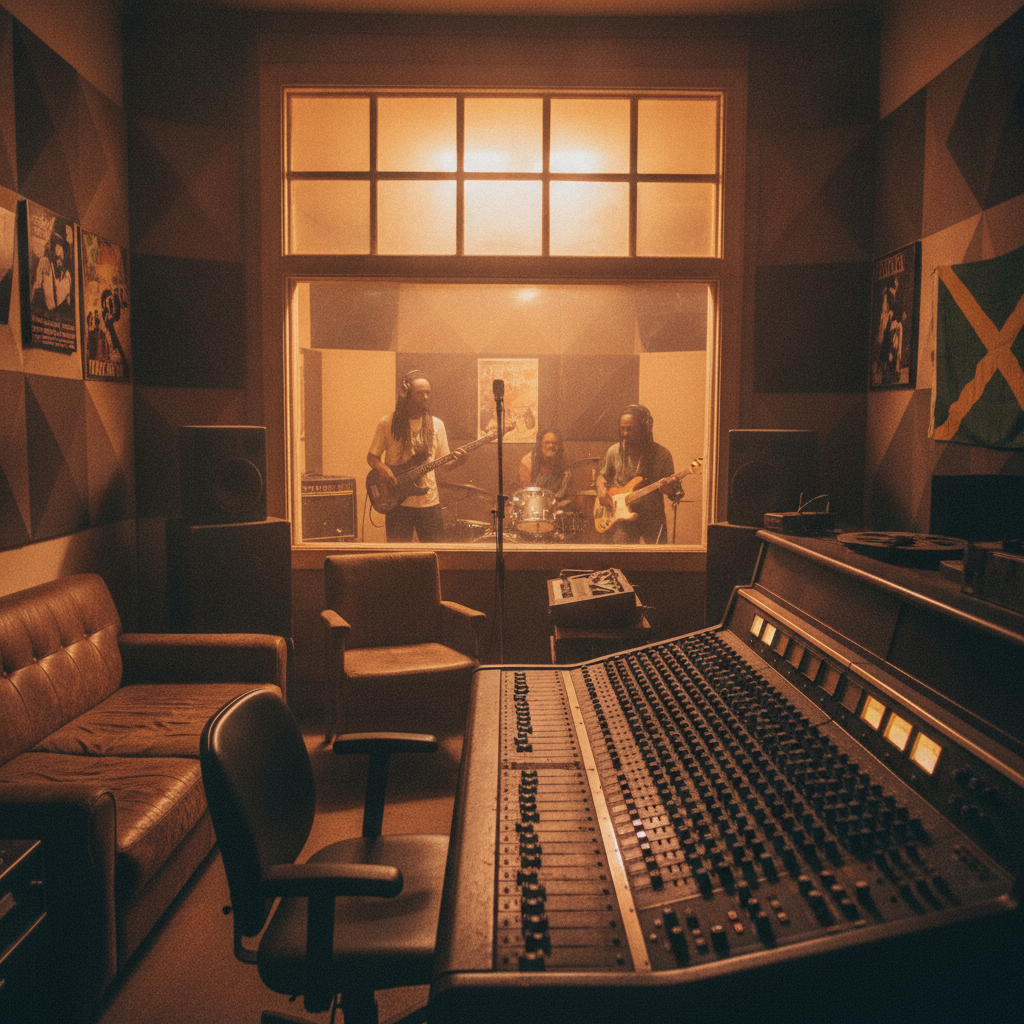
Studio One, the recording studio of Clement Dodd on Brentford Road in Kingston, was the most important recording facility in the history of Jamaican music, functioning from 1963 to the 1980s as the incubator for the ska, rocksteady, and early reggae traditions and the studio where Bob Marley, Toots and the Maytals, Burning Spear, and dozens of the most important Jamaican artists made their first recordings. The Studio One building is a pilgrimage site for music history enthusiasts.
- 3
Rastafari: The Religion of Resistance
Rastafari, the Afrocentric religious and social movement that emerged in Kingston in the 1930s in response to the teachings of Marcus Garvey and the coronation of Haile Selassie as Emperor of Ethiopia, is the most globally recognized Jamaican cultural export and the philosophical framework within which Bob Marley and the other reggae artists articulated their messages of resistance, spiritual liberation, and African identity. The Nyahbinghi communities of the Blue Mountains maintain the most orthodox Rastafari practice.
- 4
Kingston Dancehall: The Sound System Culture
The sound system culture of Kingston, in which competing sound system operators mount enormous speaker stacks in open-air venues and compete to play the finest and most exclusive recordings to the largest and most enthusiastic crowd, is the precursor to the DJ and club culture that has influenced popular music globally from hip hop to electronic dance music. The Kingston sound system parties in the community grounds of the west Kingston ghettoes are the most authentic surviving expression of the original culture.
- 5
Burning Spear and Roots Reggae
Burning Spear, the St. Ann reggae artist whose Marcus Garvey album of 1975 is considered the finest roots reggae album after Bob Marley, represents the serious political and spiritual tradition of Jamaican music that extends beyond the internationally popular Marley songs to the deeper roots reggae catalogue of artists including Culture, Israel Vibration, and the Abyssinians who created the complete roots reggae tradition of the Kingston studio system.
- 6
Notting Hill Carnival: The Kingston Export
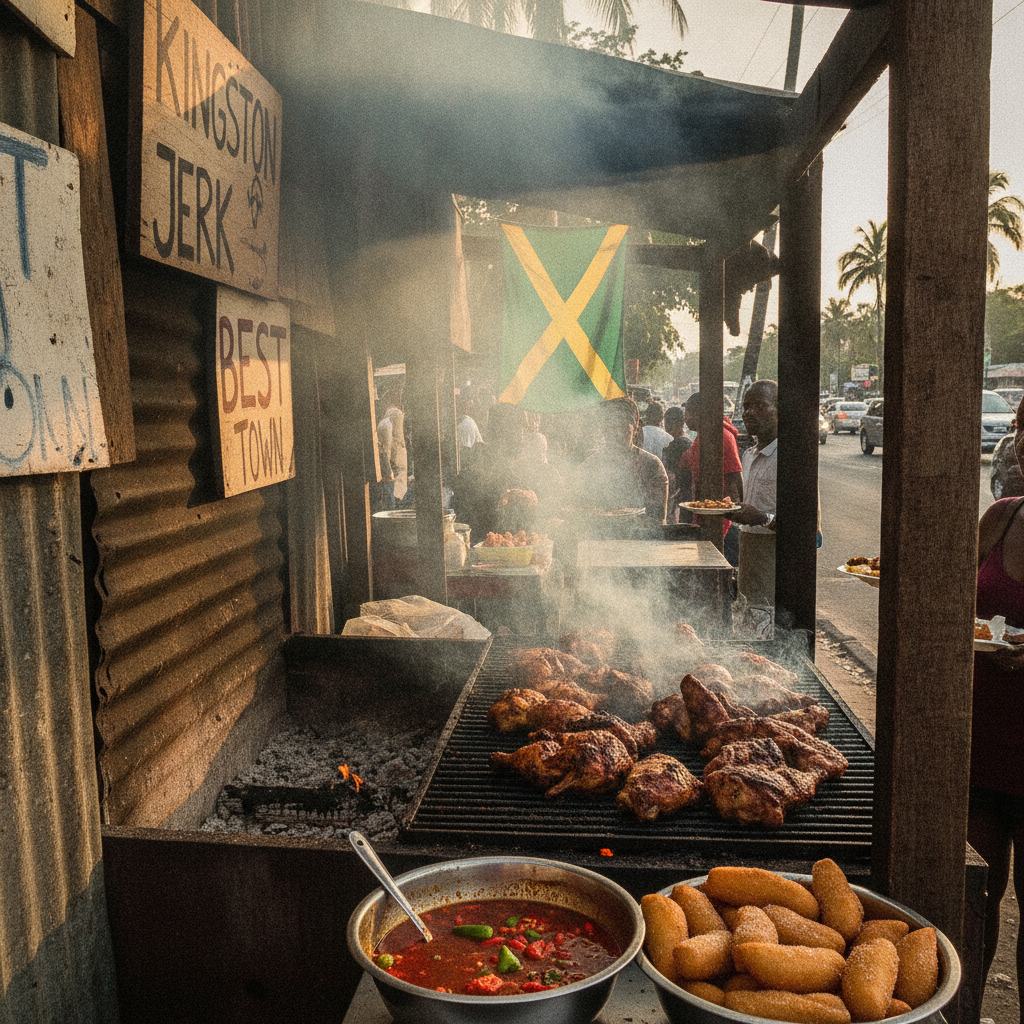
The Notting Hill Carnival in London, the largest street festival in Europe with two million participants annually, was founded by Jamaican and Trinidadian Caribbean immigrants in 1966 and remains the most visible expression of the Kingston cultural export to the global diaspora. The sound systems, the reggae and dancehall music, and the Jamaican jerk food stalls of Notting Hill Carnival carry the Kingston street culture to the world's largest city.
Walk this route with audio
Stories play automatically as you reach each stop — no tapping needed.
More in Kingston
Kingston: Bob Marley, Trench Town, Reggae History, Devon House, and Blue Mountain Coffee
Kingston Cultural Calendar: Reggae Month, Jamaica Carnival, the Caribbean Literary Heritage, and the Visual Arts Scene
Kingston Nature and History: Port Royal Ruins, Blue Mountain Peak, Maroon Country, and Hellshire Beach
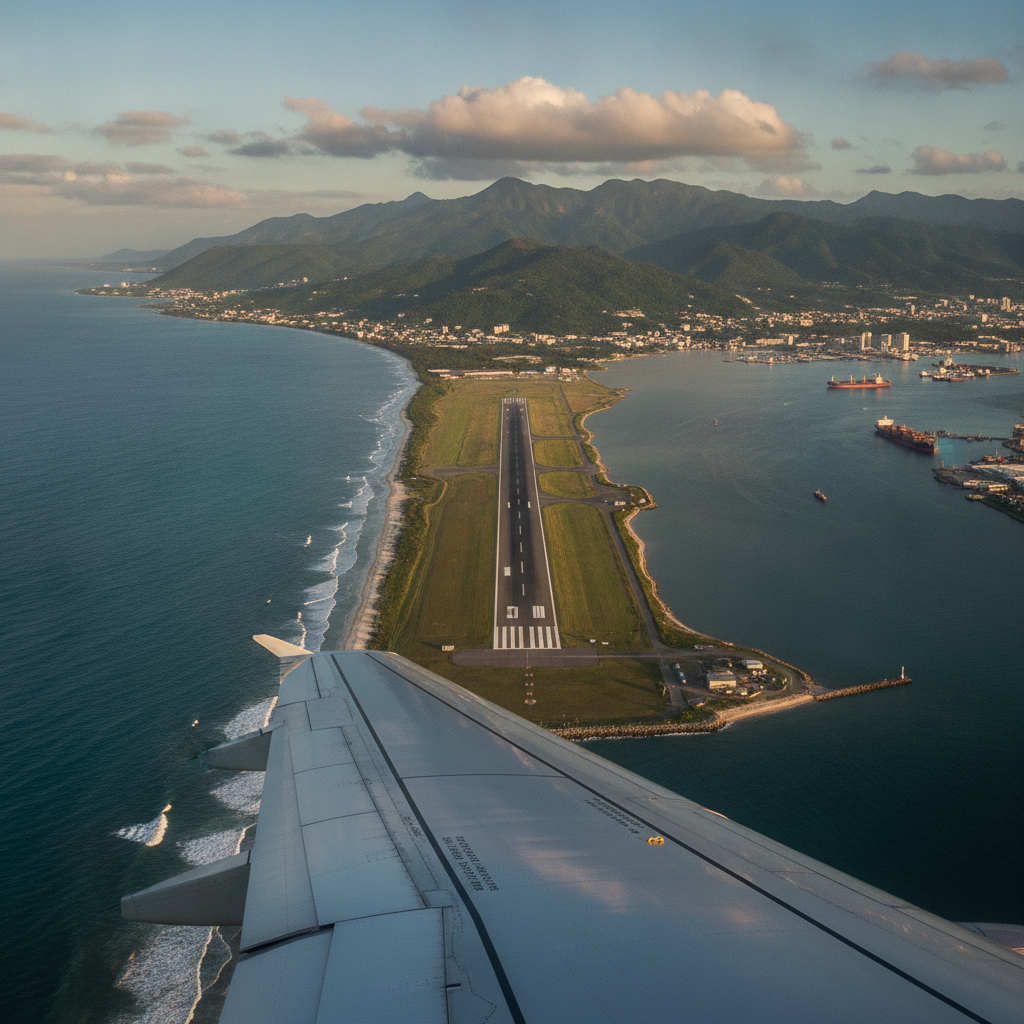
Kingston Practical Guide: Norman Manley Airport, Cultural Events, New Kingston vs Downtown, and Safety Awareness
Kingston Sport: The Sprint Island, Cricket at Sabina Park, the Champs Athletics Championship, and the Reggae Boyz