Ancient Khujand Silk Road City History
Explore one of Central Asia's oldest cities, founded by Alexander the Great as Alexandria Eschate, tracing 2,500 years of continuous history from Macedonian conquest through Silk Road prosperity to modern Tajikistan.
- 1
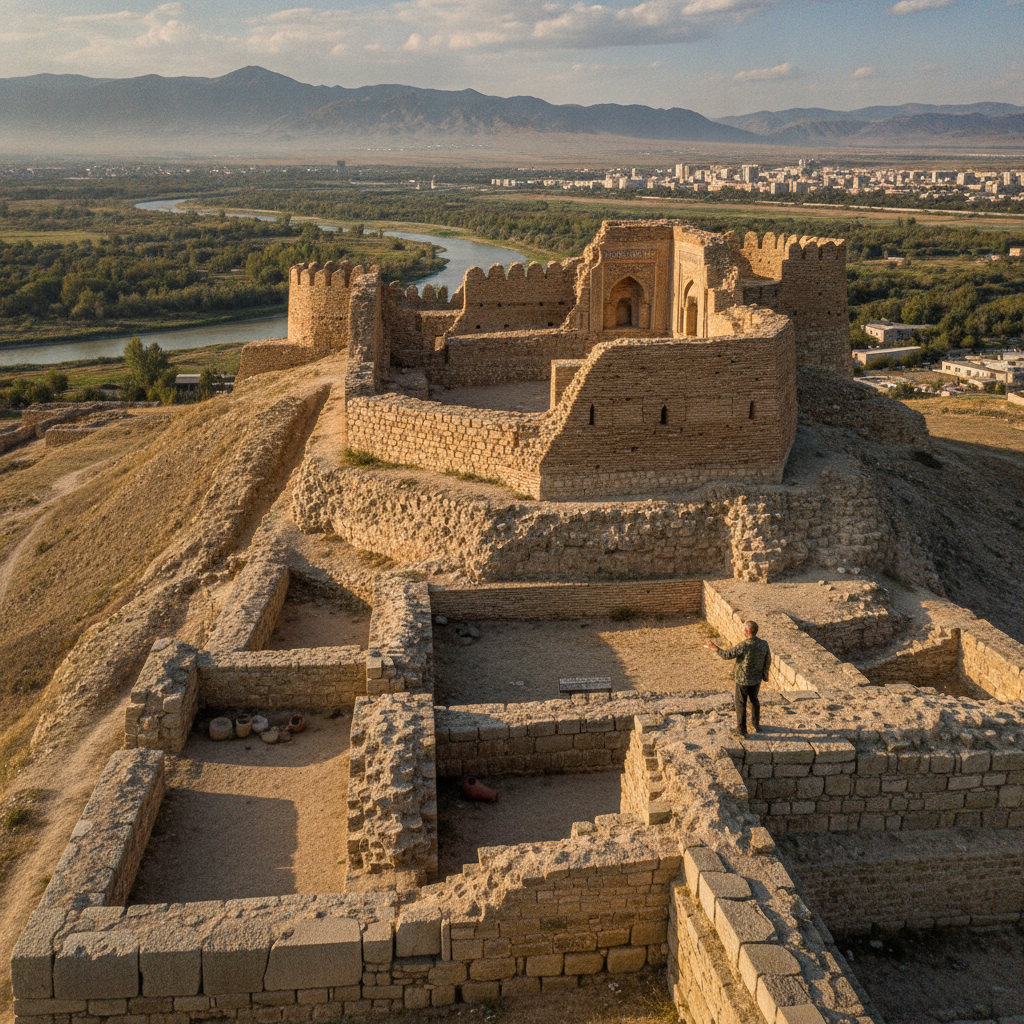
Khujand Fortress Ruins
Stand at the ancient citadel where Alexander the Great established his easternmost city in 329 BCE, the ruins spanning layer upon layer of Achaemenid, Greek, Kushan, Arab, and Mongol occupation across two millennia.
- 2
Archaeological Museum
Discover excavated artifacts from Khujand's extraordinary multilayered history: Greek coins, Zoroastrian fire altars, Buddhist sculptures, Islamic tilework, and Soviet-era memorabilia representing the city's succession of civilizations.
- 3
Silk Road Caravanserai Site
Visit the site of the medieval caravanserai complex that accommodated merchants traversing the Fergana Valley on the most heavily traveled branch of the Silk Road, carrying silk westward and silver eastward.
- 4
Shaikh Massal-ad-Din Mausoleum
Enter the 16th-century domed mausoleum of the city's patron saint, its glazed turquoise tilework and quiet courtyard garden representing the finest example of Timurid architectural heritage remaining in northern Tajikistan.
- 5
Historical Bazaar District
Walk through the ancient bazaar district where trade has been conducted continuously since the Silk Road era, the covered market passages still bustling with merchants trading textiles, spices, and local produce.
- 6
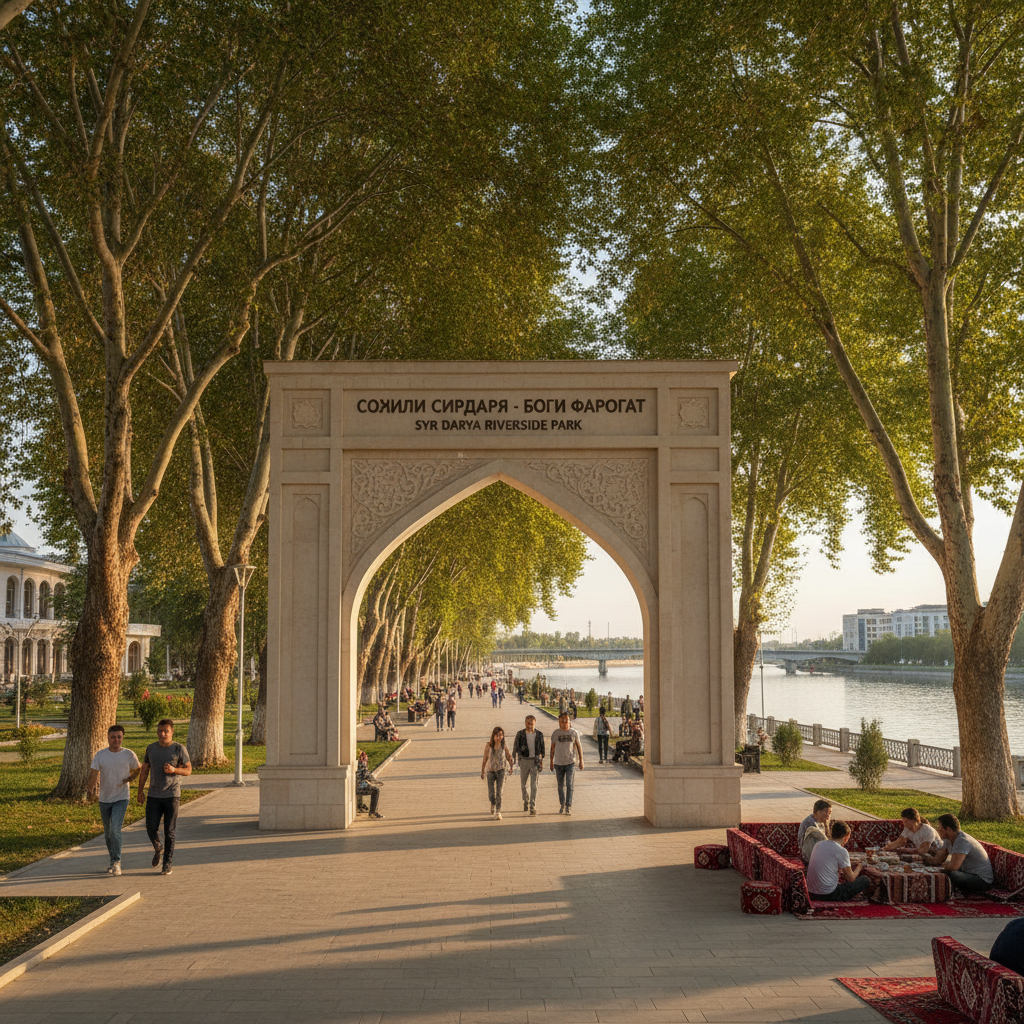
Syr Darya Riverfront
Follow the bank of the Syr Darya river that gave Khujand its strategic importance as a river crossing and trade junction, the same waters that ancient merchants forded to continue their journeys east or west.
Walk this route with audio
Stories play automatically as you reach each stop — no tapping needed.