Kauai: No Mongooses So the Birds Survived, Polihale Where Souls Depart and the Island That Resisted Kamehameha
Fly doors-off over Manawaiopuna Jurassic Falls and the Waialeale summit bog in a helicopter covering terrain with no road access, spot Nene Hawaiian geese and Pueo owls that survived because Kauai has no mongooses unlike all other main islands, tour the Grove Farm plantation homestead and Kauai Museum in Lihue, drive 5 miles of unpaved road to Polihale 17-mile dune beach where ancient Hawaiians believed souls departed for the afterlife, snorkel the underwater lava tunnels at Tunnels Beach with sea turtles visible from the surface, and understand how Kauai under King Kaumualii held out against Kamehameha longer than any other island.
- 1
Kauai Helicopter Tours
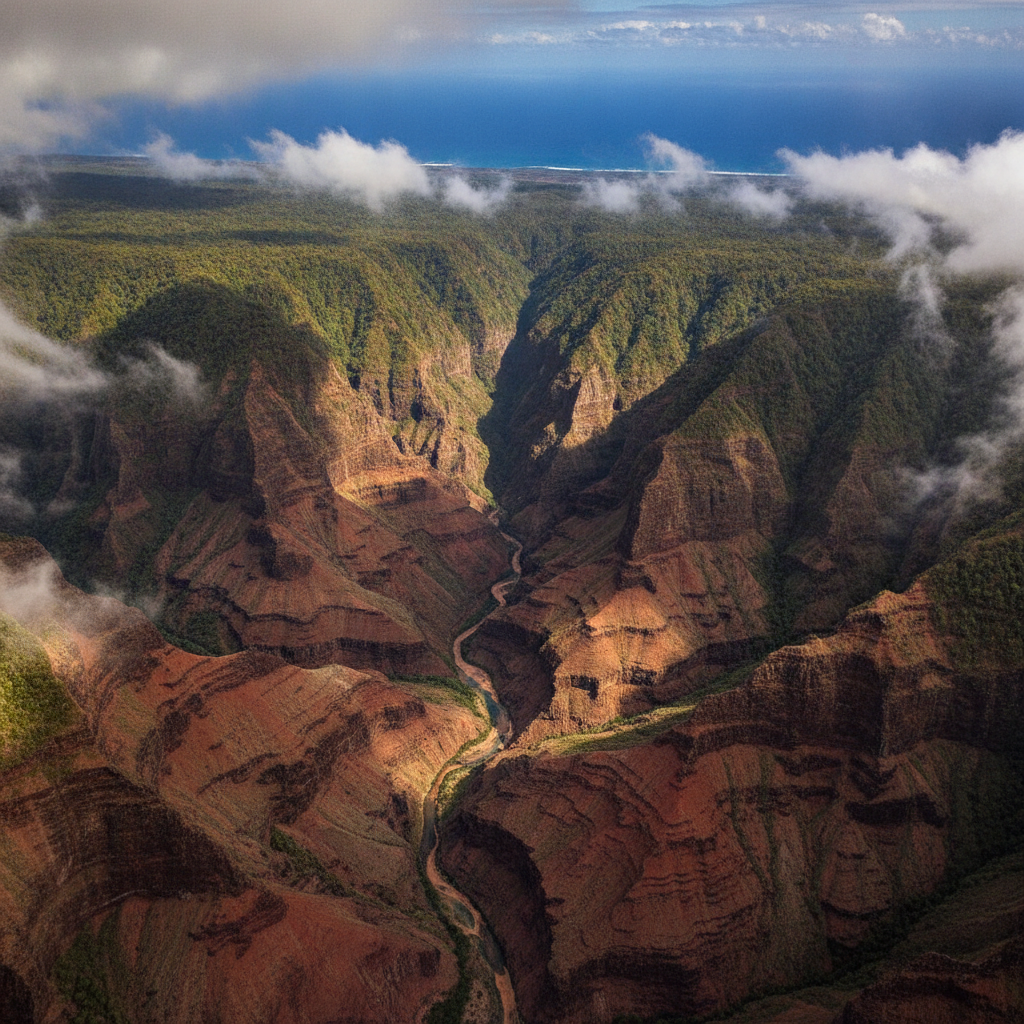
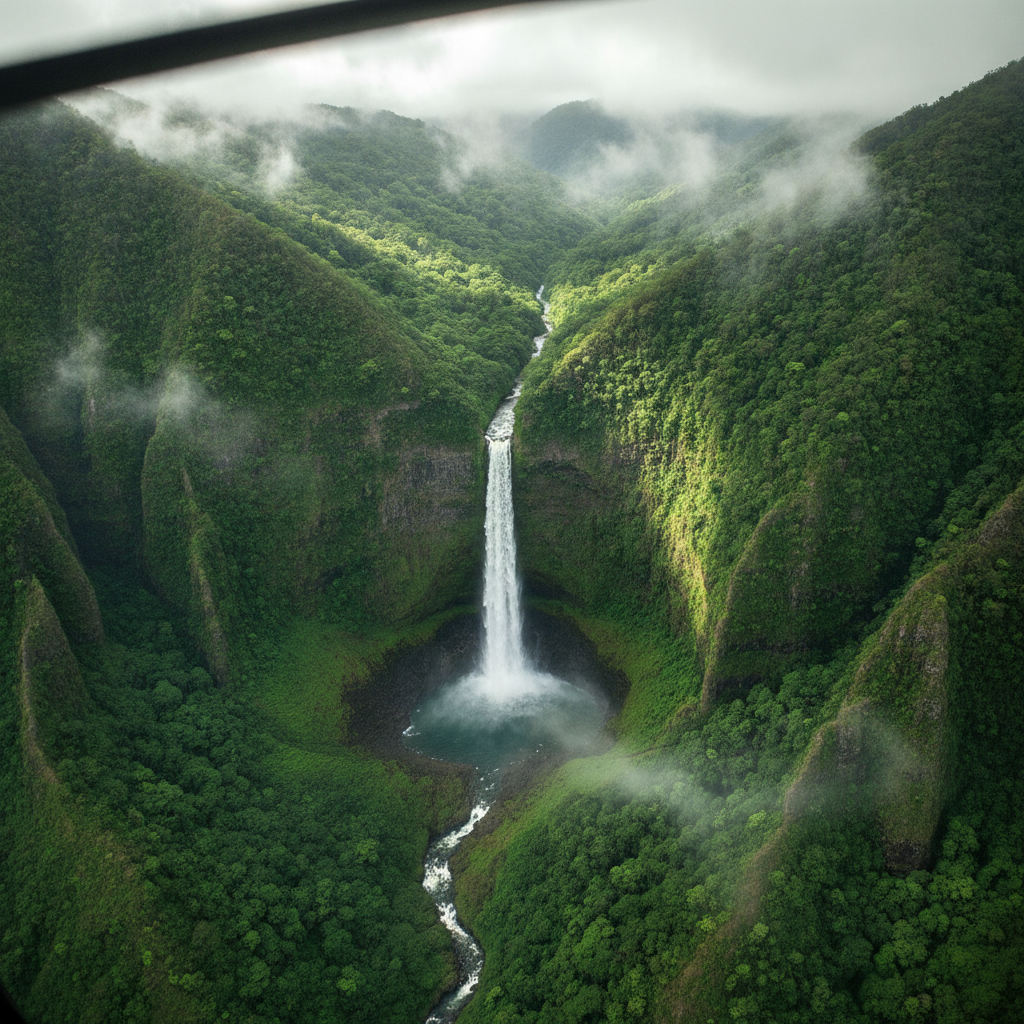
Helicopter tours over Kauai, particularly over the Na Pali Coast and the interior Waimea Canyon and Alaka i Swamp, provide access to landscapes completely inaccessible on foot or by road, including Manawaiopuna Falls nicknamed Jurassic Falls for its appearance in the Jurassic Park helicopter arrival sequence, and the summit basin of Mount Waialeale, the wettest spot on earth. Blue Hawaiian Helicopters, Papillon, and Jack Harter offer tours departing Lihue Airport in 45 to 65 minute circuits. Doors-off tours allow photography without glass interference. Weather on the north shore and interior frequently prevents flight, and tours are routinely cancelled or rerouted. The helicopter experience reveals the scale of the interior valleys and the inaccessibility of most of the island terrain in a way impossible to appreciate from ground level.
- 2
Kauai Bird Life and Conservation
Kauai has the most intact native bird fauna of any main Hawaiian island because it has no mongooses, the small Indian carnivore introduced to Oahu, Maui, and the Big Island in 1883 to control rats but which devastated ground-nesting birds across the islands it colonized. The Pueo, the native Hawaiian short-eared owl adapted to day hunting, and the Nene, the Hawaiian goose and state bird, are visible in Kauai lowlands. The Alaka i Wilderness Preserve in the summit bogs supports populations of the oo a a, Kauai thrush, Kauai creeper, and other species found nowhere else. The Kauai Forest Bird Recovery Project conducts annual surveys in the preserve. The Kilauea Point National Wildlife Refuge red-footed booby colony is the largest in the United States. Predator control programs attempt to reduce the impact of introduced rats and cats on nesting seabirds at the refuge.
- 3
Lihue and Kauai Historical Sites
Lihue, the county seat and commercial center of Kauai, contains the Kauai Museum at 4428 Rice Street documenting island natural history, cultural history, and the plantation era through collections of Hawaiian artifacts, missionary period objects, and plantation-era photographs. The museum building was constructed as the Wilcox Memorial Library in 1924 and the adjacent building was the former public library. Grove Farm Homestead, the 1864 plantation estate of George Wilcox preserved as a historic site in the hills above Lihue, offers guided tours of the working plantation household and grounds. The Kilohana Plantation historic estate on Kaumualii Highway has been converted to a commercial and events venue with train excursions through the former cane fields. Kalapaki Beach adjacent to the Marriott resort in Lihue is the most accessible beach near the airport and a safe swimming beach protected by the harbor breakwater.
- 4
Polihale State Park and Barking Sands
Polihale State Park at the far western end of Kauai, accessible on 5 miles of unpaved road through former sugar fields, is the westernmost and most remote of the accessible beaches on Kauai, with 17 miles of wide sand beach backed by dunes up to 100 feet high abutting the beginning of the Na Pali cliffs. The beach has powerful shorebreak unsuitable for swimming but spectacular for its scale and isolation. The Pacific Missile Range Facility at Barking Sands adjacent to Polihale is a US Navy installation used for missile and submarine testing in the waters off the west Kauai coast. The name Barking Sands refers to the sound made by dry sand grains sliding against each other underfoot. Polihale Heiau at the end of the beach is a significant ancient Hawaiian sacred site where souls were believed to depart for the afterlife. Sunset at Polihale with the Na Pali cliffs changing color is one of the most dramatic coastal sunset experiences in Hawaii.
- 5
Tunnels Beach and North Shore Snorkeling
Tunnels Beach on the north shore of Kauai near Haena, named for the underwater lava tube formations creating swim-through tunnels in the reef, is considered the premier snorkeling and summer diving site on Kauai, with a complex reef system supporting green sea turtles, reef fish, and occasional Hawaiian monk seals visible from the surface. Access is via a short unpaved road with extremely limited parking, requiring early arrival or bicycle approach. Anini Beach nearby has the longest fringing reef on Kauai and calm lagoon conditions suitable for beginner snorkeling and windsurfing. The north shore reefs are closed to boating within a reef conservation zone during the summer peak season to protect the ecosystem. Visibility in the tunnel formations can exceed 60 feet on calm days with light winds and no swell from the north.
- 6
Kauai Culture and Native Hawaiian Presence
Kauai was the last Hawaiian island to be peacefully subjugated by King Kamehameha I, finally ceding in 1810 to avoid military conflict after Kamehameha had unified all other islands by force. King Kaumualii of Kauai maintained autonomy longer than any other island chief. The Native Hawaiian population of Kauai relative to total population is higher than most other Hawaiian islands, and the cultural practices of hula, taro cultivation, fishing, and traditional navigation are actively maintained. The Kauai community rallied against resort development that conflicted with traditional access and cultural sites, resulting in legal precedents for Native Hawaiian rights. The coqui frog, a small tree frog from Puerto Rico that arrived in the 1990s and produces an extremely loud nighttime chorus, is an invasive species that has spread across lower elevations of Kauai and other islands and is the subject of active eradication efforts.
Walk this route with audio
Stories play automatically as you reach each stop — no tapping needed.
More in Kauai
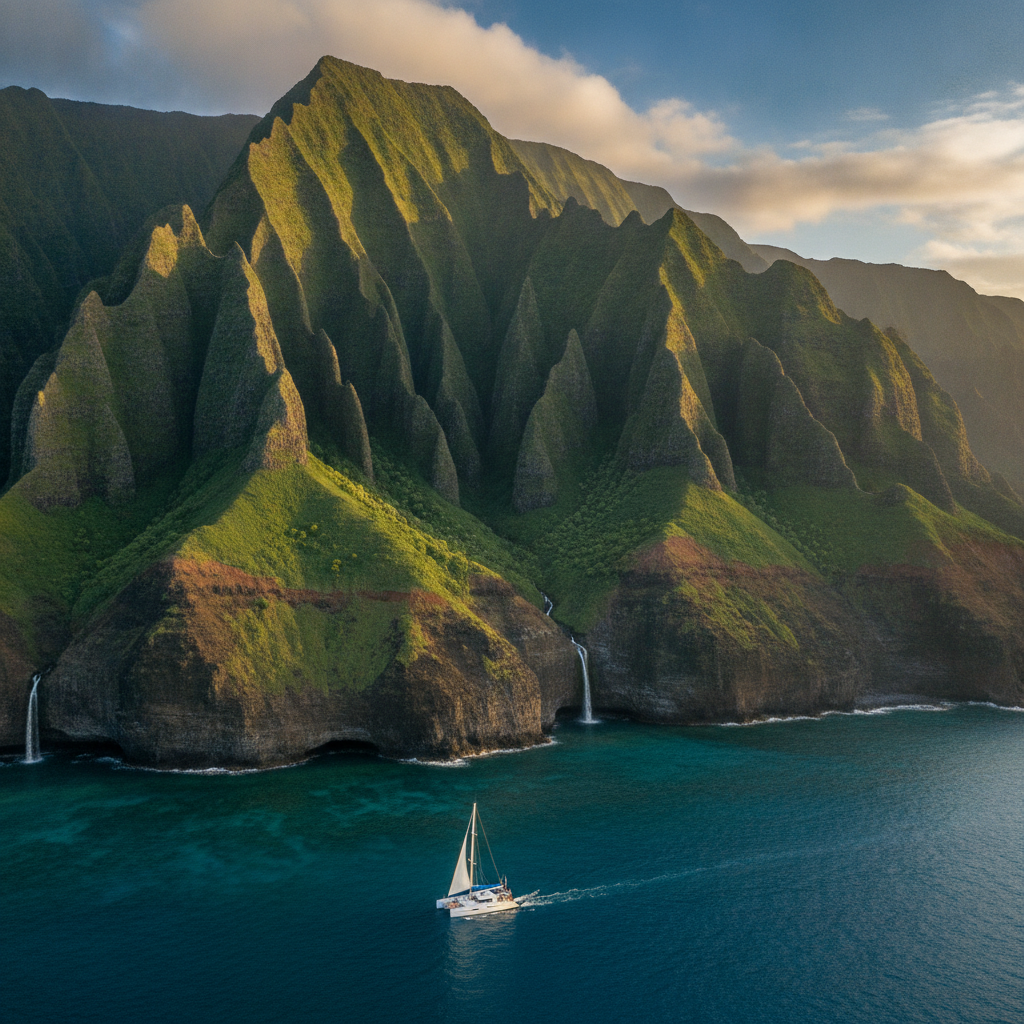
Kauai: Na Pali Coast Sea Cliffs and Kalalau Trail (18km hiking permit), Waimea Canyon (Grand Canyon of the Pacific, 1097m deep), Hanalei Bay and Taro Valley (Jurassic Park locations, Tunnels Beach snorkeling), Poipu South Shore (Hawaiian monk seals, bodysurfing, Koloa rum distillery), and Film History (Raiders of the Lost Ark, Pirates of Caribbean, Jurassic Park) with Practical Guide
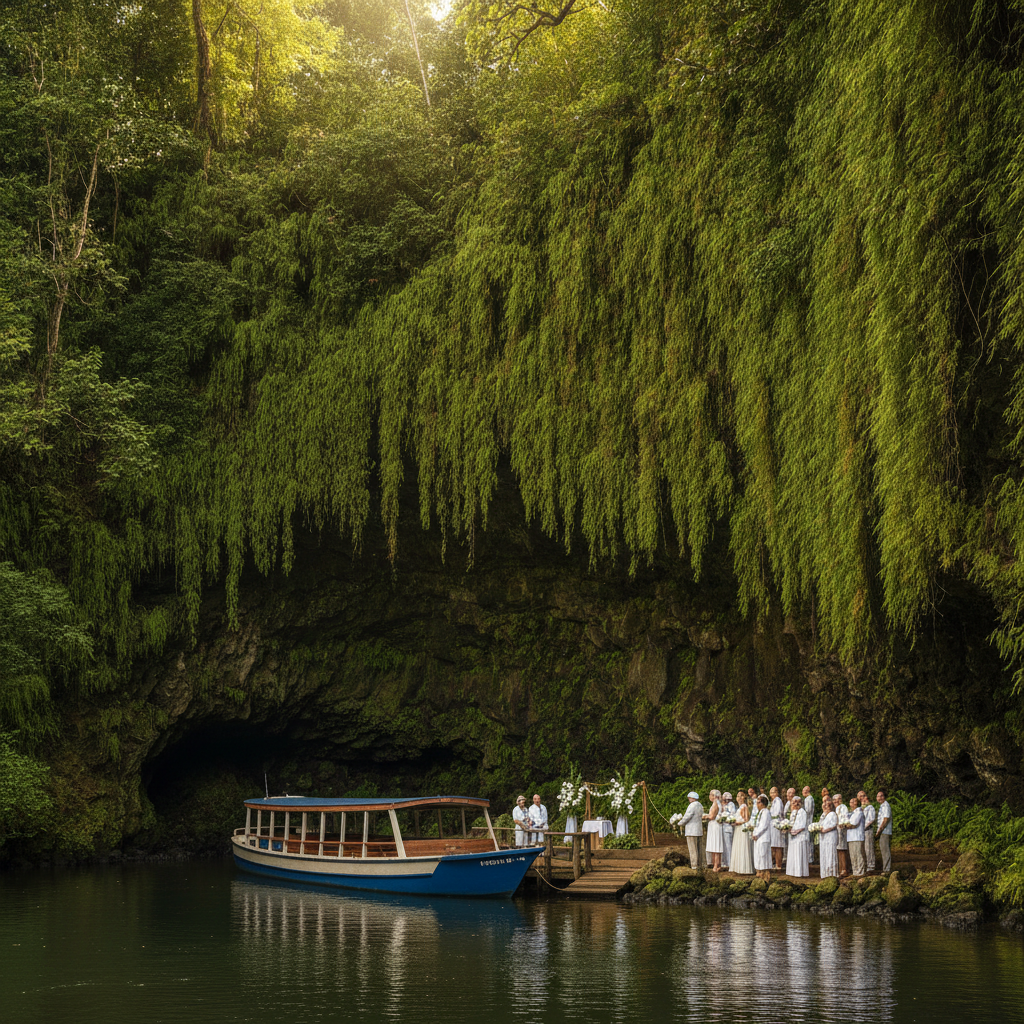
Kauai: Wailua River Sacred Heiau Complex and Fern Grotto, Kilauea Lighthouse Seabird Colony (red-footed boobies, Laysan albatross, frigatebirds), Kokee Trail System and Alakai Swamp (world highest altitude swamp, rare native birds), Allerton and McBryde National Tropical Botanical Gardens (Jurassic Park fig trees), Kauai Coffee Company (largest US estate), and Accommodation Guide Comparing Hawaiian Islands
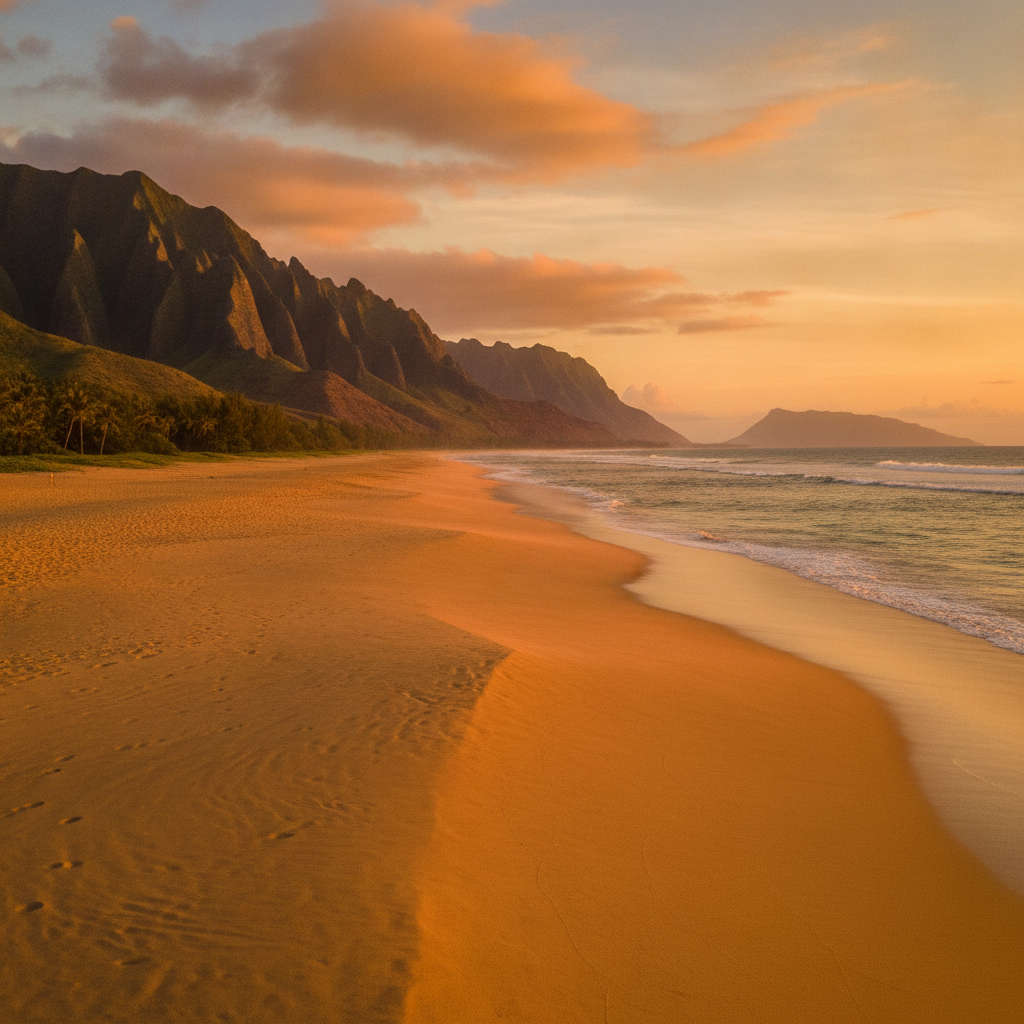
Kauai: Polihale Remote Beach (27km sand, Niihau Forbidden Island view), Russian Fort Elizabeth and Cook First Landing (Waimea 1778), Kauai Ocean Activities (Tunnels snorkeling, Uluwehi Secret Falls kayak, Na Pali summer kayak), Menehune Legend and Native Wildlife (Hawaiian waterbirds, Wailua fish pond), Kauai Waterfalls (Wailua Falls, Hanakapiai 120m, Jurassic Park Manawaiopuna), and Seasons Guide (Hurricane Iniki 1992, best times for north versus south shore)
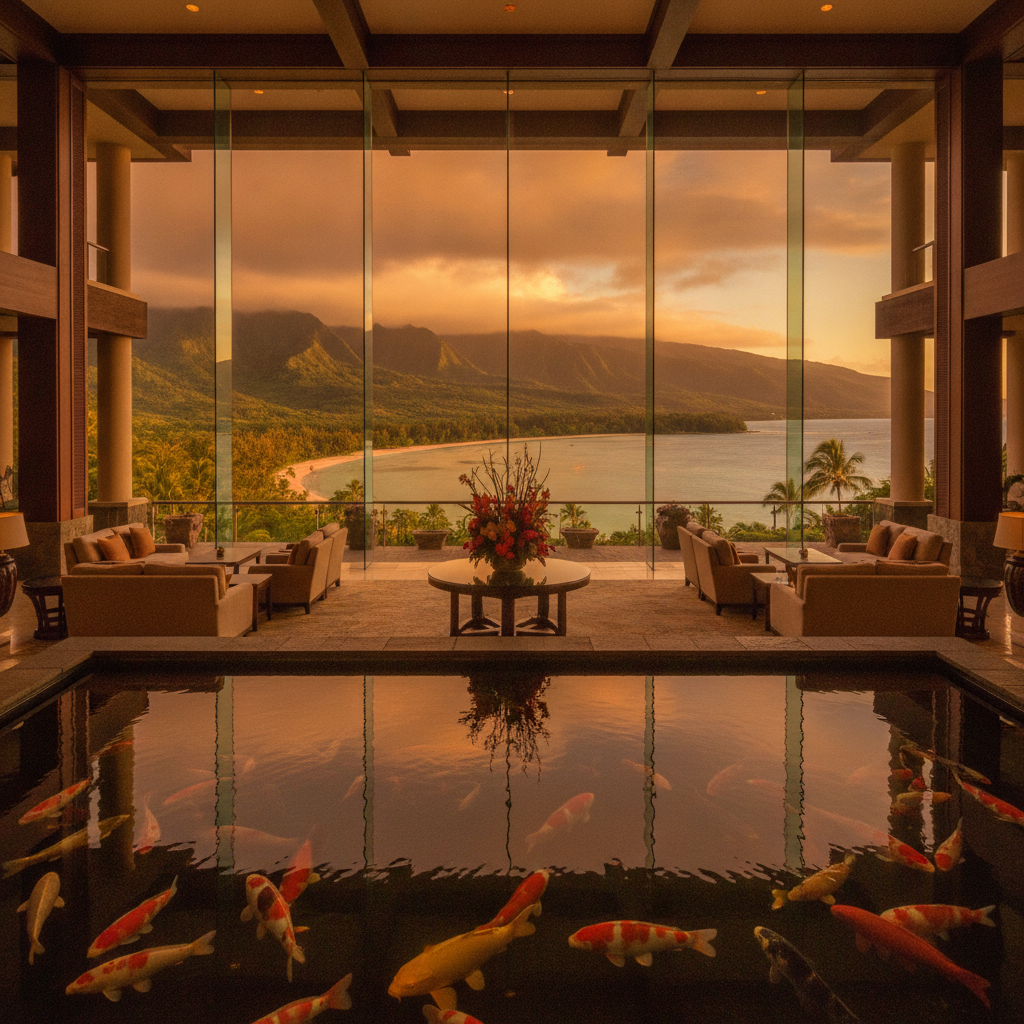
Kauai: Princeville St. Regis Resort (most dramatic lobby view in Hawaii), Niihau Forbidden Island and Rare Shell Lei Tradition, Kauai Plantation Era Ethnic Diversity (Portuguese, Japanese, Filipino, Korean immigrants), Hanapepe Friday Art Walk, Dark Sky Stargazing (Kalalau Lookout, Polihale, Polynesian star navigation), and Hawaiian Islands Visitor Decision Guide (Kauai vs Maui vs Oahu vs Big Island)