Kathmandu's Craft & Contemplation: Thangka Painting, Singing Bowls, Newari Pagodas & Ten Days of Meditation at Kopan
Encounter Kathmandu's creative and contemplative traditions—months-long thangka paintings following 1,500-year-old iconographic rules, singing bowls in seven-metal alloy producing overtones from the pre-Buddhist Bön tradition, the Newar pagoda form that spread from Nepal to China and Japan via Kublai Khan's court in 1260, ten days of Tibetan Buddhist meditation at Kopan Monastery on a hill above Boudhanath, and Nepal's first Everest-summiting woman whose face now appears on the national currency.
- 1
Langtang Valley Trek – The Valley of Glaciers
The Langtang Valley trek—7–10 days, starting from Syabrubesi (117 km north of Kathmandu)—is Nepal's most accessible high-altitude trek, reachable from Kathmandu by day bus. The valley was a Tamang community territory for centuries; the 2015 earthquake triggered an avalanche that buried Langtang village entirely, killing 243 people. The rebuilt Langtang village is again functioning; the trekking route passes Kyanjin Gompa (3,870 m, the valley's highest permanent settlement) with views of Langtang Lirung (7,227 m). Side trips to the Tserko Ri viewpoint (4,984 m) offer some of the most spectacular mountain panoramas in Nepal.
- 2
Thangka Painting – Sacred Buddhist Art
Thangka (also spelled tangka or tanka) are Tibetan Buddhist paintings on cotton or silk appliqué, depicting deities, mandalas, and scenes from the Buddha's life. Traditional thangka production follows precise iconographic rules codified in Buddhist texts—the proportions, colours, and mudras (hand gestures) of each deity are prescribed. Authentic thangka production in Kathmandu involves months of work; master thangka painters (mostly Newari or Tibetan) train for 5–7 years. Prices range from NPR5,000 (€33) for a basic tourist piece to $50,000+ for a large, museum-quality work with mineral pigments and gold. The Thanka (Jhochhen) tole in Bhaktapur is the traditional production centre.
- 3
Singing Bowls – Sound Healing & Meditation
Himalayan singing bowls—metal bowls (traditionally a seven-metal alloy including gold, silver, copper, iron, mercury, tin, and lead) that produce sustained tones when struck or rubbed with a mallet—originate in the pre-Buddhist Bön tradition of the Himalayas. In Kathmandu, singing bowl shops cluster around Thamel and Boudhanath; demonstrations of 'sound healing' (playing multiple bowls to create harmonic overtones) are offered widely. Antique singing bowls can be centuries old; the majority sold in Kathmandu today are machine-made in India and hand-finished. Prices: NPR1,000–50,000 (€7–330) for new bowls; antique museum-quality bowls command $500–5,000.
- 4
Newari Architecture – The Pagoda That Spread to Asia
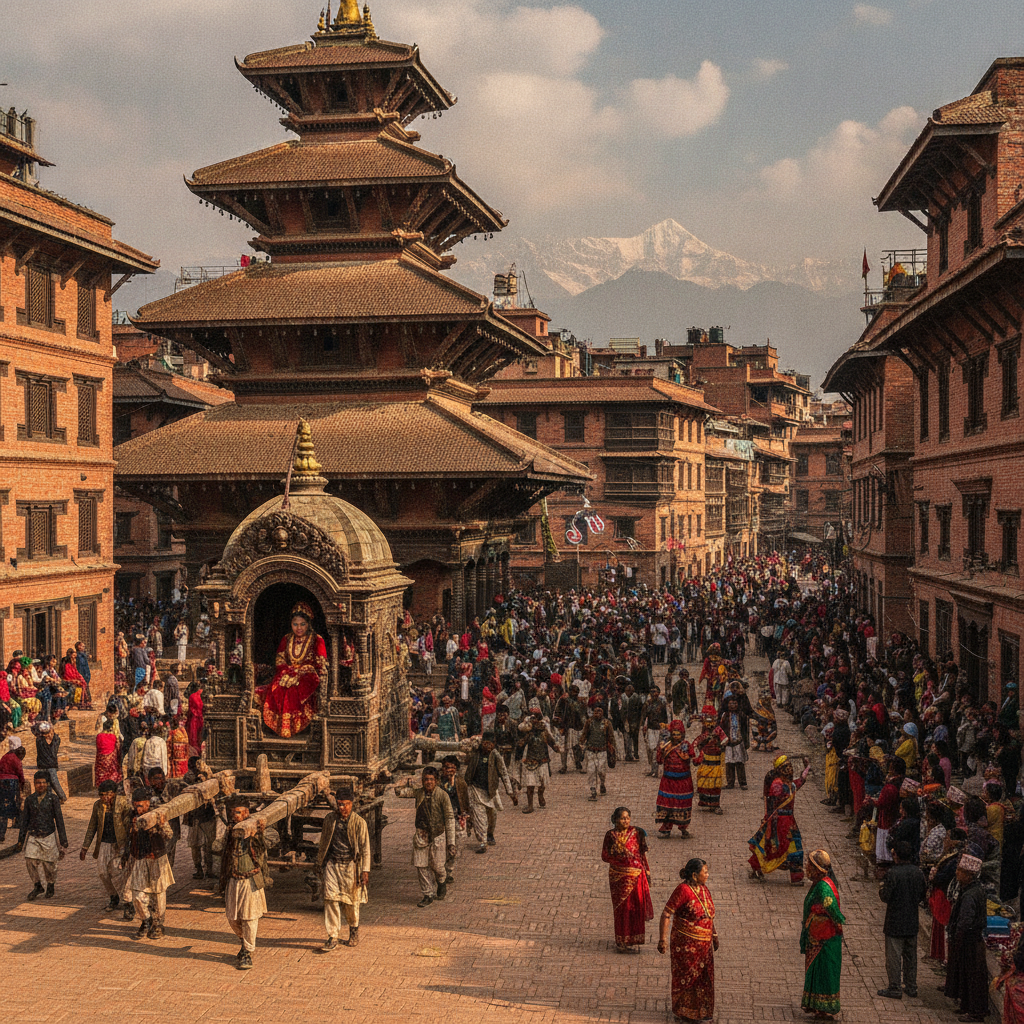
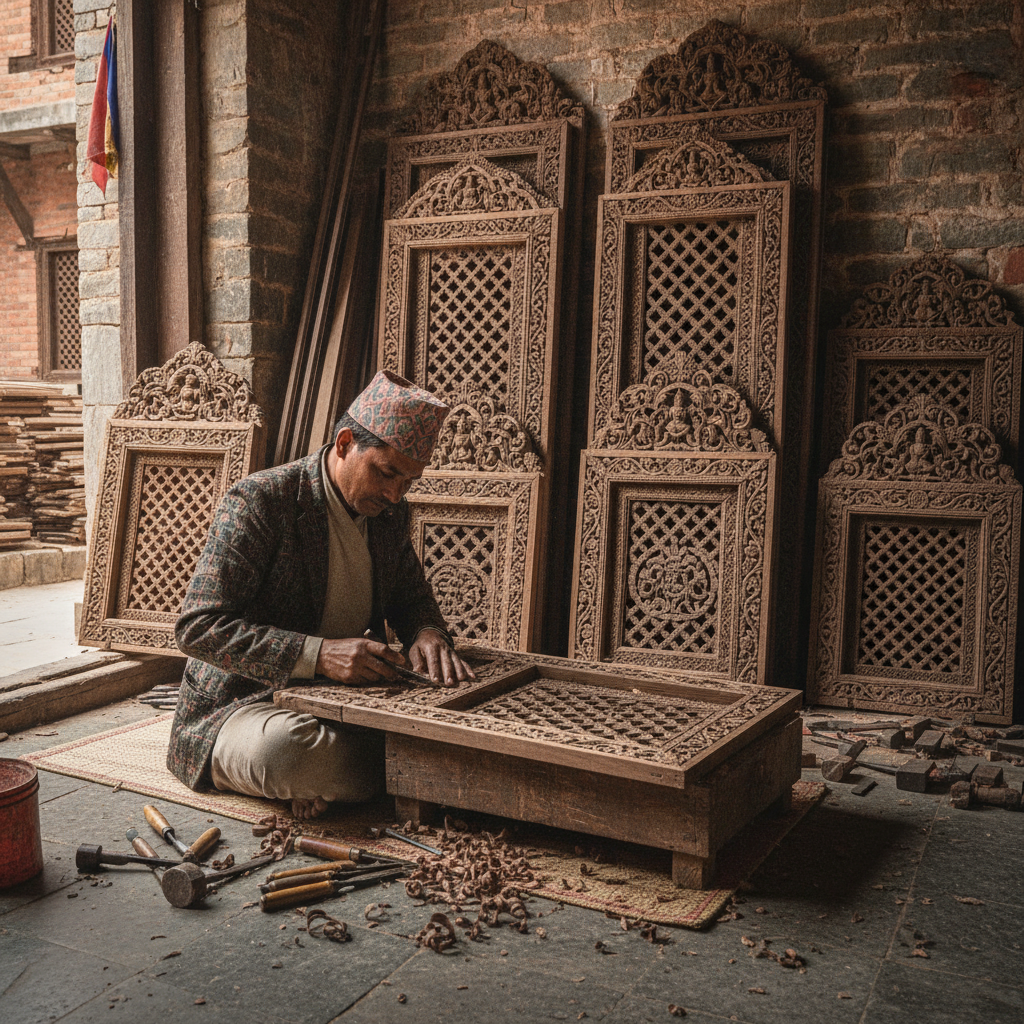
The Newar people of the Kathmandu Valley developed a distinctive architectural tradition—the multi-tiered pagoda temple with deeply overhanging carved wooden eaves—that spread through Tibet to China and Japan. The pagoda form originated in Nepal (the Nepal-origin theory is supported by the Chinese monk Araniko, who brought Newar craftsmen to Kublai Khan's court in 1260). Newar architecture uses sun-dried brick, carved wood (lattice windows, strut carvings of deities), and gilded copper roofs. The finest examples are the temples of Bhaktapur and Patan; the carved wooden peacock windows of Bhaktapur are considered Nepal's masterpiece of woodcarving.
- 5
Kopan Monastery – Ten Days of Meditation
Kopan Monastery—on a hill overlooking Boudhanath, 8 km from Kathmandu centre—is a Tibetan Buddhist monastery of the Gelug school (the school of the Dalai Lama), founded in 1969 by Lama Yeshe and Lama Zopa Rinpoche. The monastery runs month-long and 10-day Tibetan Buddhist philosophy and meditation courses that are internationally famous; the November month-long course attracts 400+ students from 50 countries. The 10-day course (approximately $500 including accommodation and vegetarian meals) introduces Tibetan Buddhist philosophy, meditation practice, and monastery life. Booking opens 6–12 months in advance—the courses fill quickly.
- 6
Pasang Lhamu Sherpa & Nepali Women Climbers
Pasang Lhamu Sherpa became the first Nepali woman to summit Everest on 22 April 1993, dying on the descent. She was declared a national hero; her face appears on Nepali currency. Her achievement opened the path for subsequent Nepali women climbers: Lhakpa Sherpa holds the women's record for Everest summits (10 times, as of 2023). Women's mountaineering in Nepal has evolved alongside the country's gender transformation—Nepal elected the world's first female head of state of a republic (Bidhya Devi Bhandari, President 2015–2023). The percentage of women in Nepal's parliament (33%) exceeds that of the United States (29%) and the United Kingdom (35%).
Walk this route with audio
Stories play automatically as you reach each stop — no tapping needed.
More in Kathmandu
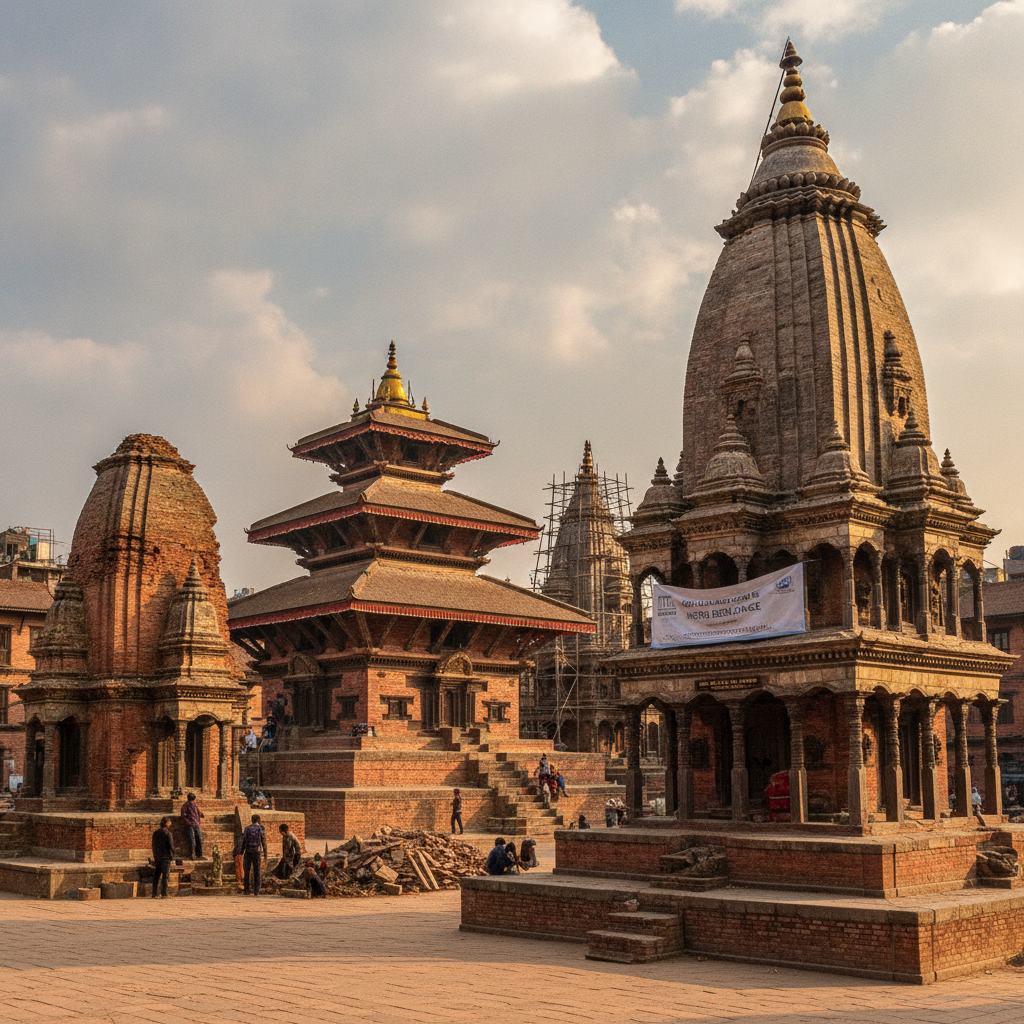
Kathmandu Resilience: The 2015 Gorkha Earthquake, the Heritage Reconstruction, the Nepal Recovery, and the Most Practically Inspiring Single Disaster-Recovery Heritage Story
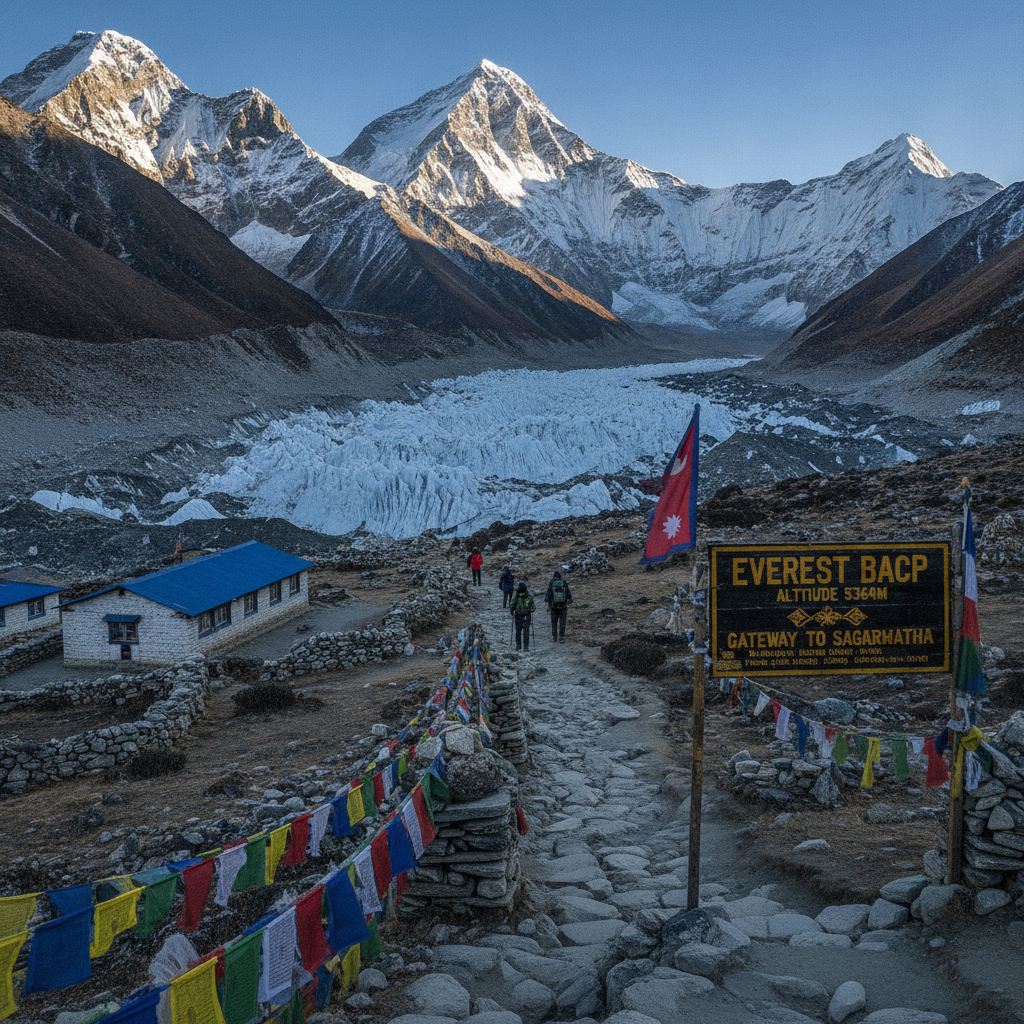
Kathmandu Trekking Hub: Everest Base Camp, the Annapurna Circuit, the Langtang Valley, and the Most Comprehensively Himalayan Single Trekking Gateway
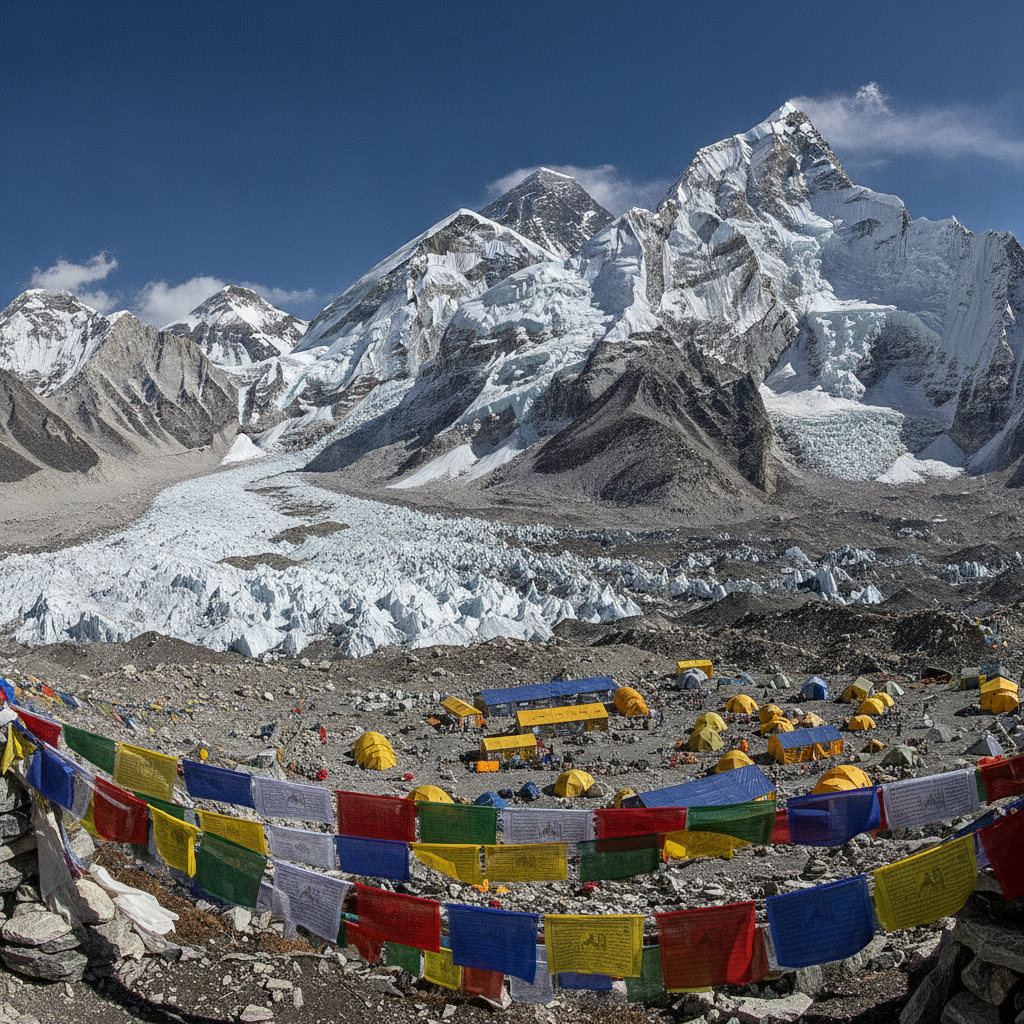
Nepal's Himalayan Adventures: Everest Base Camp, Annapurna Circuit & the Forbidden Kingdom of Mustang
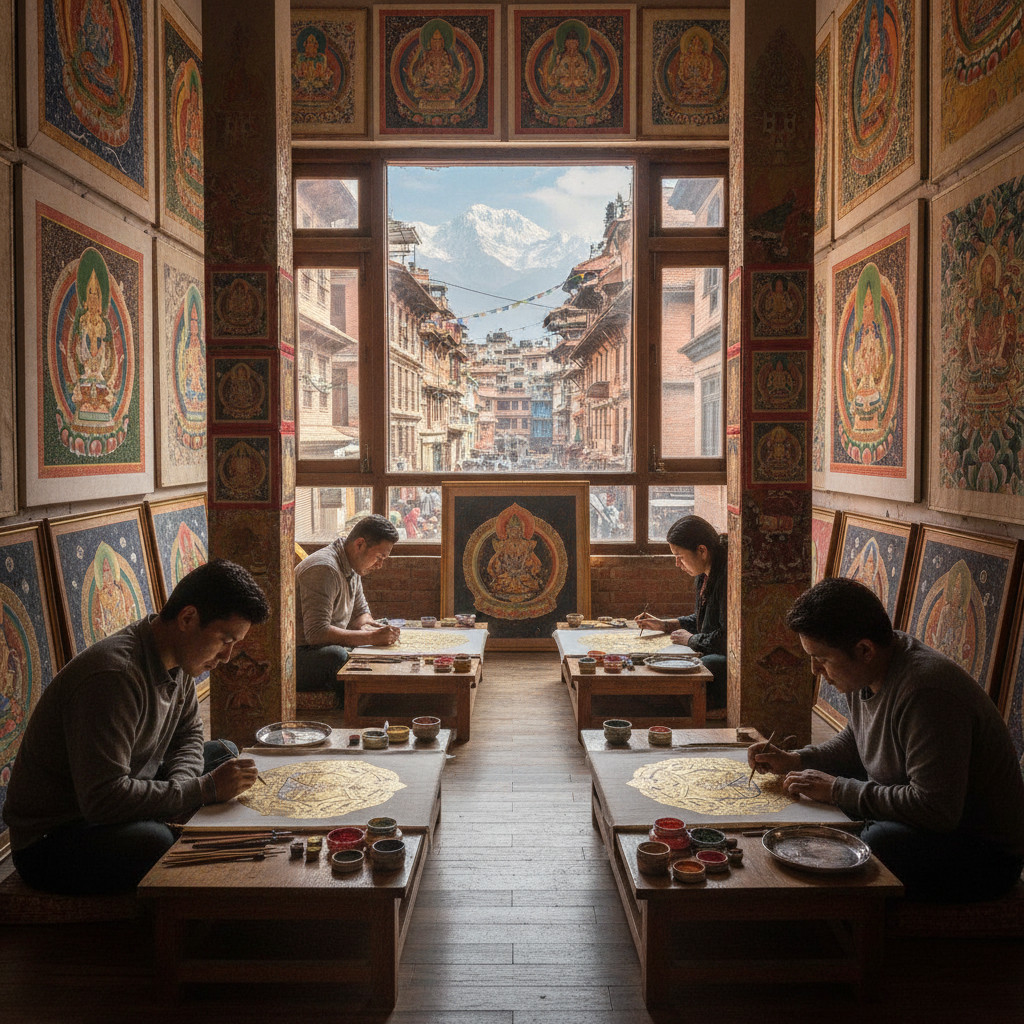
Kathmandu Arts: The Contemporary Nepali Art Scene, Music, Thanka Painting, the Craft Tradition, and the Most Creatively Vibrant Single Himalayan Capital
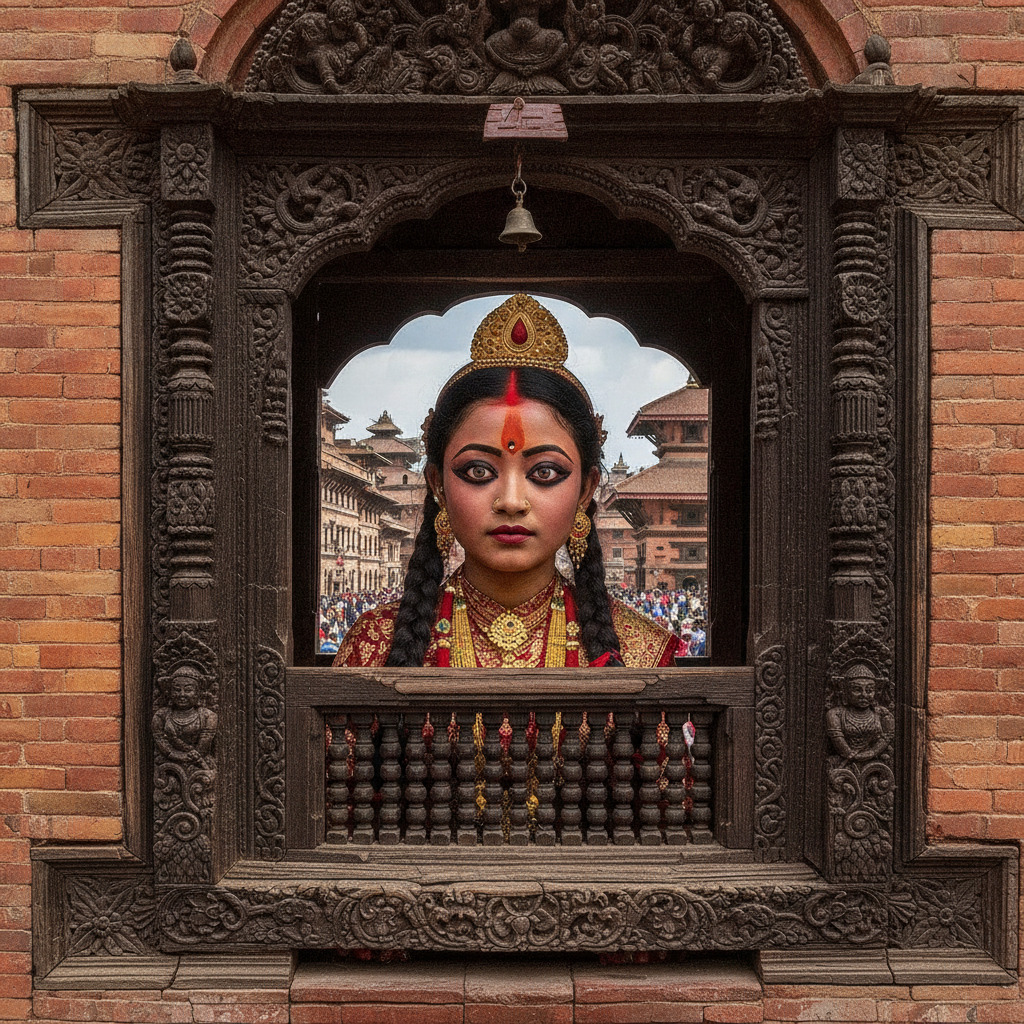
Kathmandu Depth: Everest's Death Zone, the Living Goddess Kumari & Nepal's Journey from Kingdom to Republic