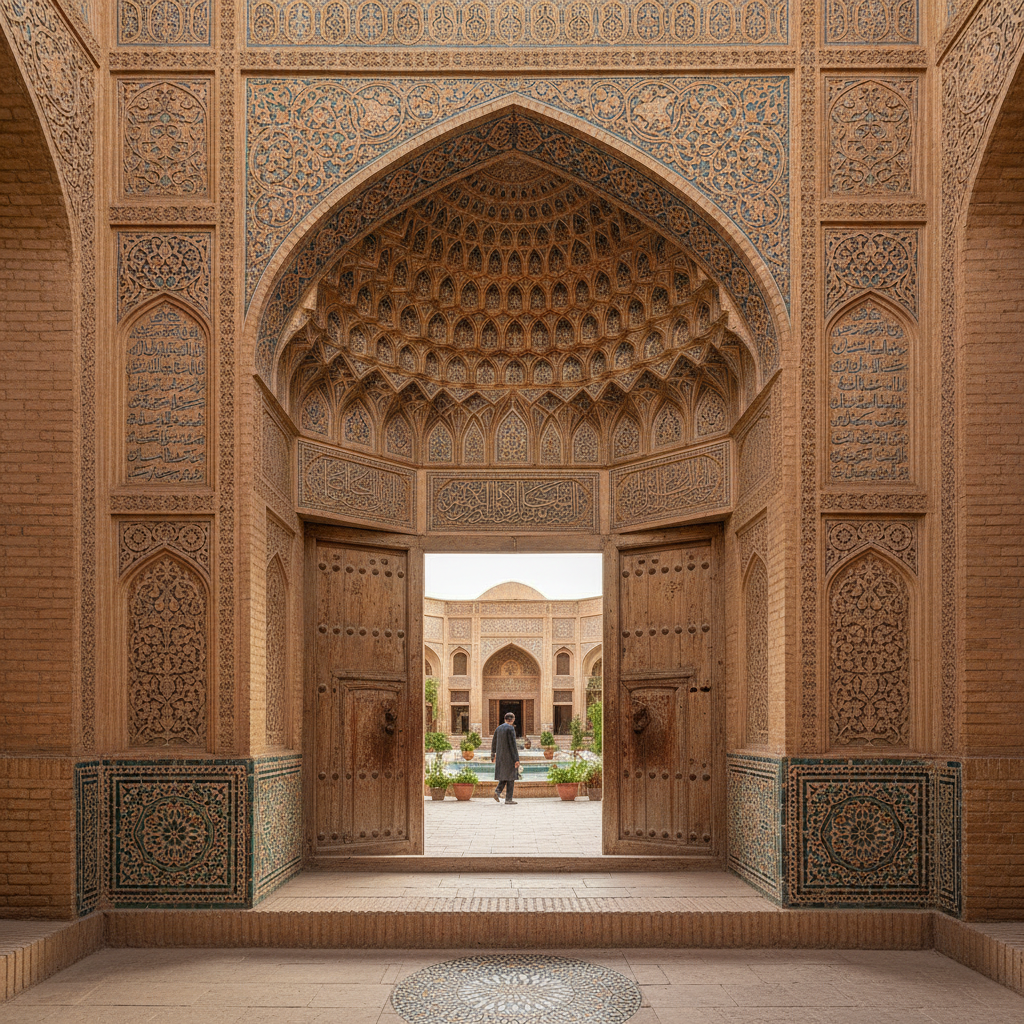
Sialk Archaeological Mound Ancient Civilization
Explore the Sialk archaeological site near Kashan where excavations revealed one of the earliest urban settlements in the world, with occupation layers dating from 5500 BCE to 1000 BCE showing the development of pottery, metallurgy, and early writing in the Iranian plateau.
- 1
Site Approach
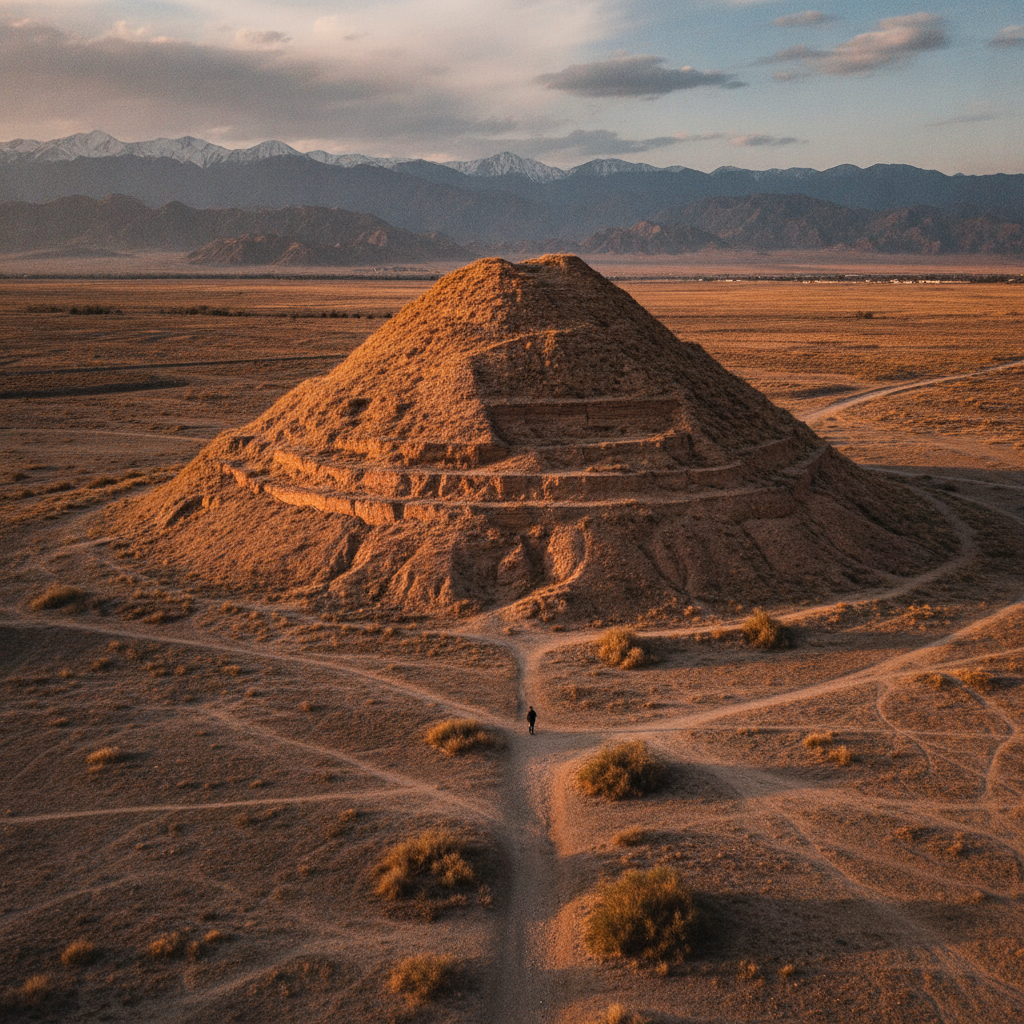
Approach the Sialk mound near Kashan where the archaeological site rises from the surrounding plain as a tell — the accumulated debris of thousands of years of human habitation — the unassuming earthen mound concealing one of the most important archaeological discoveries in Iranian prehistory.
- 2
Excavation Trenches
Examine the visible excavation trenches where French archaeologists working in the 1930s and subsequent Iranian teams revealed stratigraphic layers showing continuous occupation from the 6th millennium BCE, each layer preserving artifacts and structures from successive periods of the site's long history.
- 3
Early Pottery Evidence
See the evidence of early pottery production at Sialk where some of the first decorated ceramics in the world were produced, the painted geometric and animal designs on the Sialk pottery predating similar developments elsewhere and demonstrating the Iranian plateau's role in the emergence of ceramic art.
- 4
Metallurgy Remains
Learn about the metalworking evidence from Sialk where early copper and bronze production left slag and artifacts demonstrating that this site participated in the emergence of metallurgy that transformed human material culture in the 4th millennium BCE.
- 5
Proto-Writing Tablets
Understand the significance of the proto-writing tablets found at Sialk where symbols impressed on clay tablets represent early administrative recording systems that prefigure the development of writing, placing Sialk within the network of sites where literacy emerged in the ancient Near East.
- 6
Ziggurat Remains
View the remains of the Sialk ziggurat from the later occupation period, the stepped mud-brick platform that demonstrates the site's connection to the monumental architectural traditions of ancient Mesopotamia and its role as a regional center of religious and political power in the 2nd millennium BCE.
Walk this route with audio
Stories play automatically as you reach each stop — no tapping needed.
More in kashan
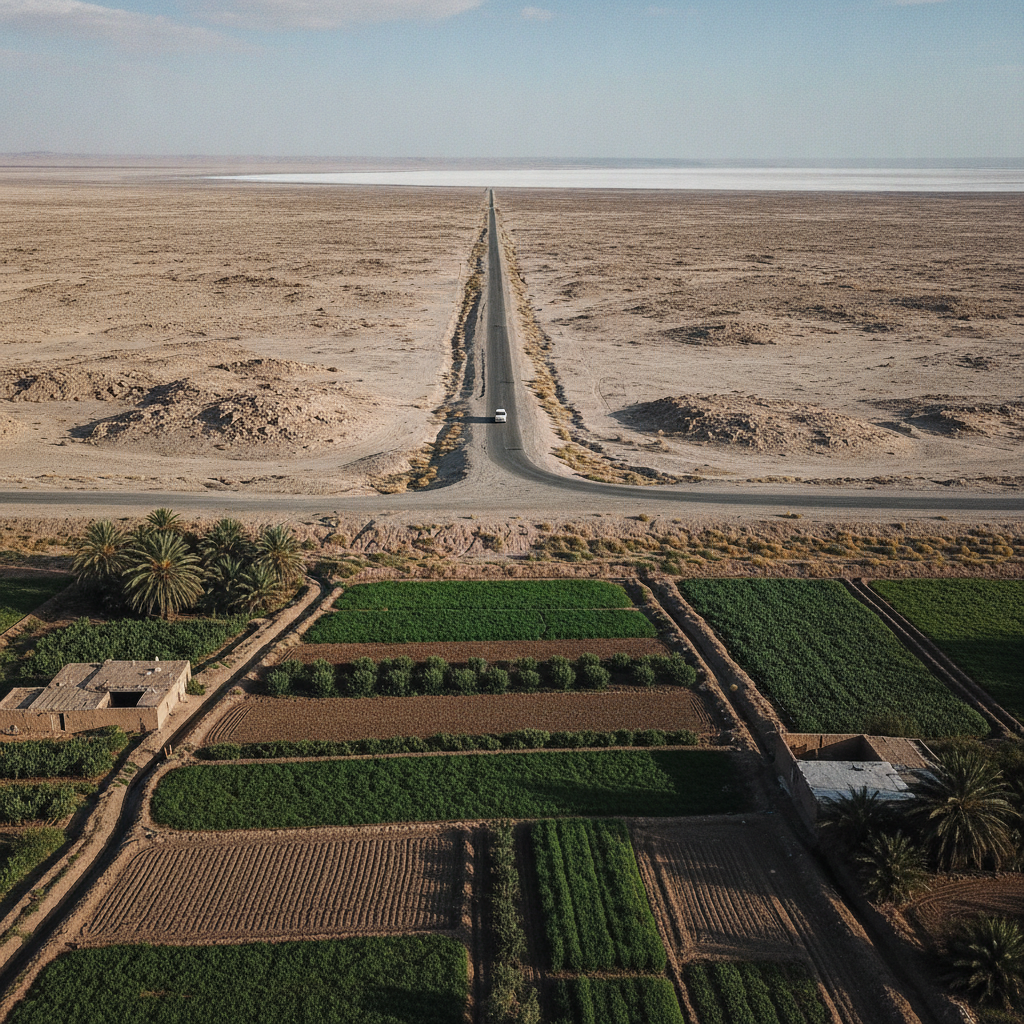
Desert Edge Maranjab Salt Lake Landscape
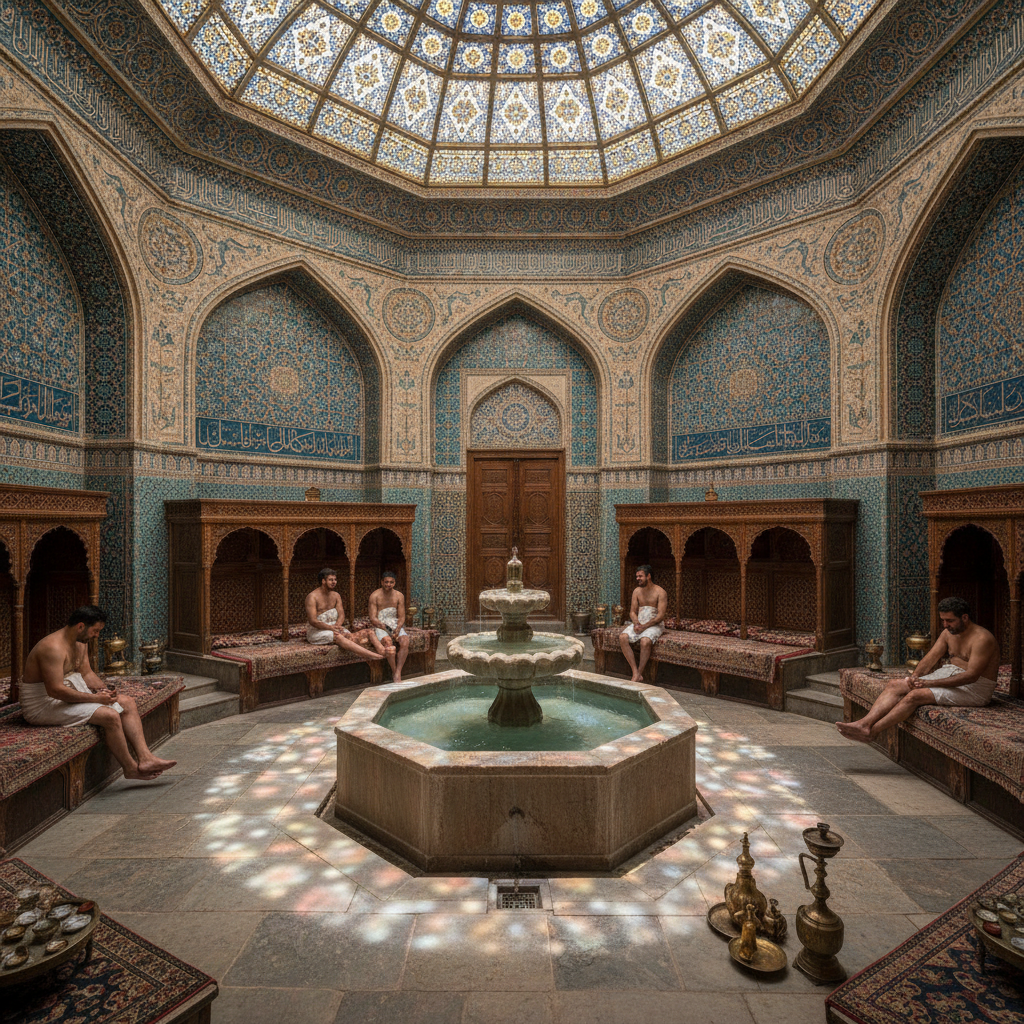
Sultan Amir Ahmad Bathhouse Persian Bathing Culture
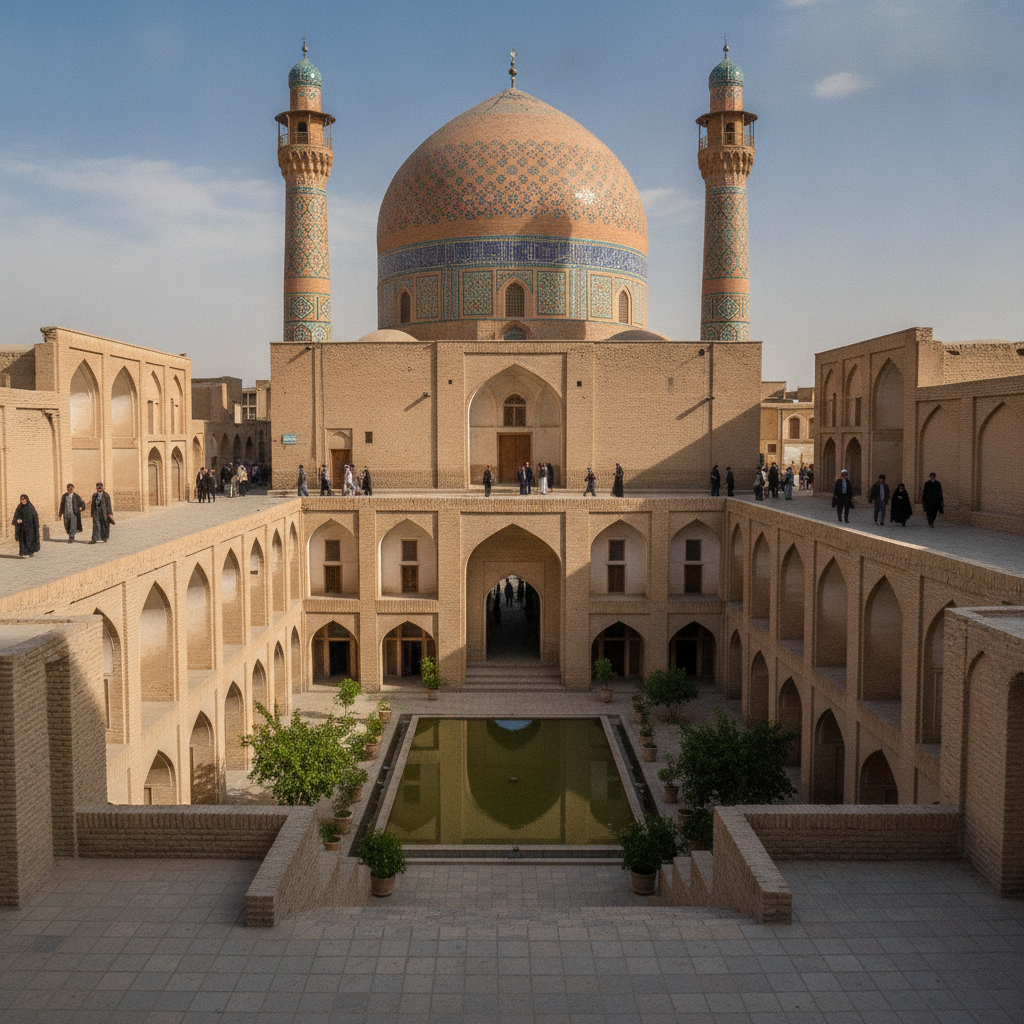
Agha Bozorg Mosque Seminary Sunken Courtyard
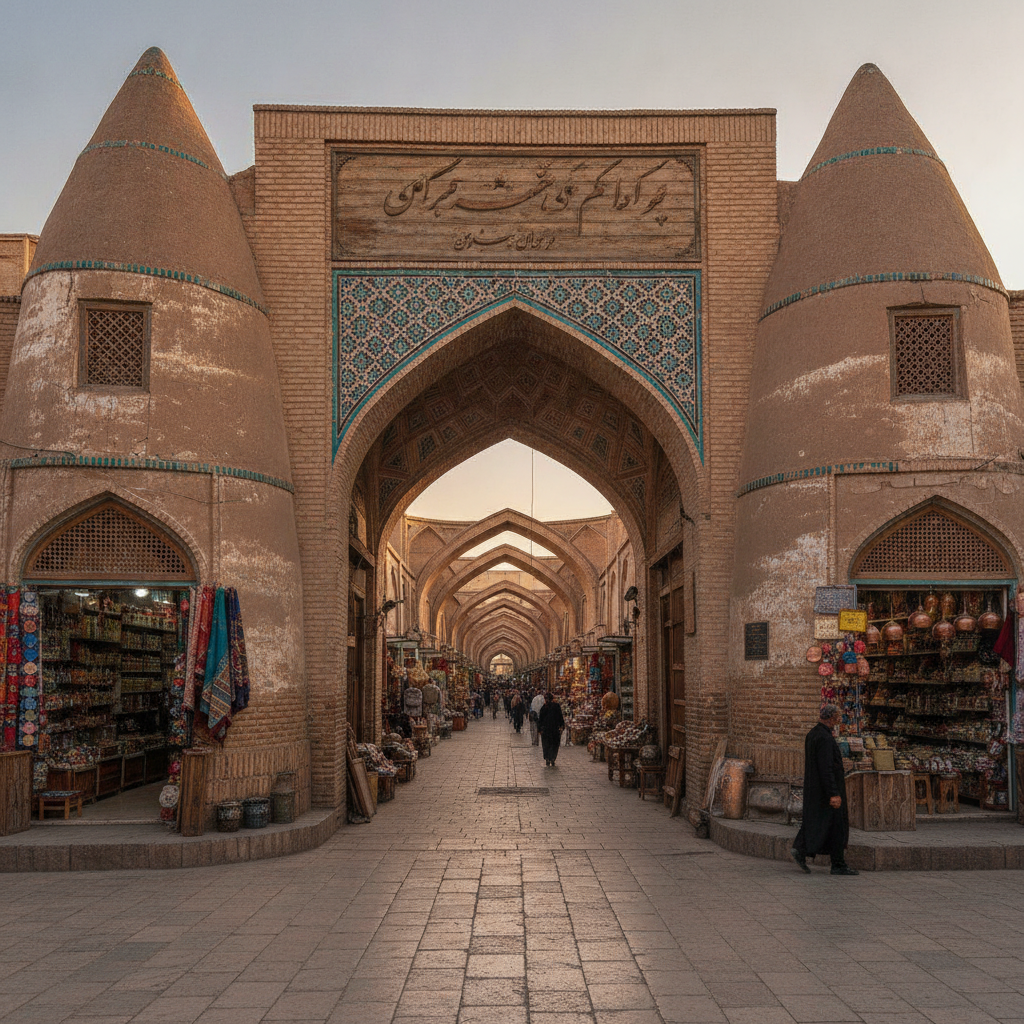
Kashan Bazaar and World Famous Carpet Weaving
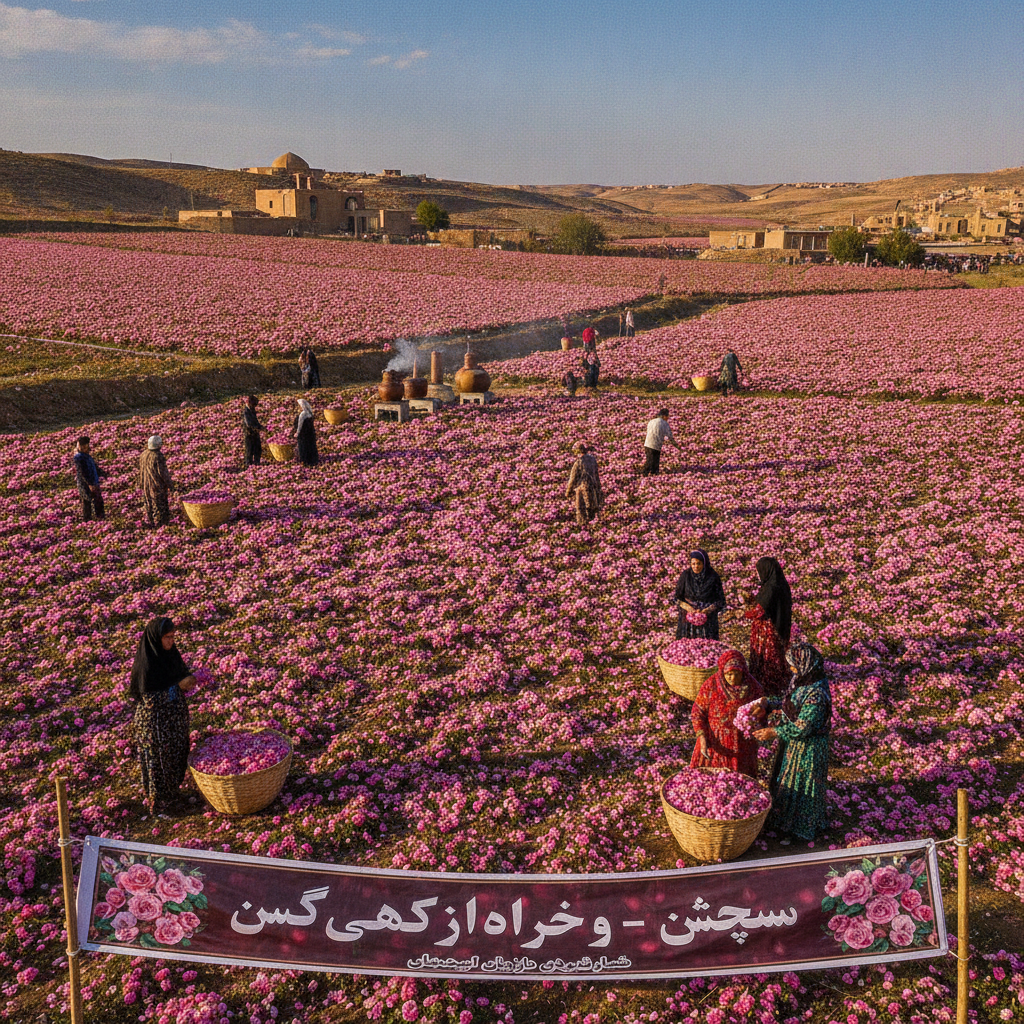
Rose Water Festival Damask Rose Harvest