Karachi Kirthar Hills and Gorakh Hill Day Trip
Escape Karachi into the Kirthar hills — the limestone range rising to the northwest of the city where the desert landscape of Sindh begins, the Kirthar National Park protects the last population of Sindh ibex, and the hill station of Gorakh at 1734 meters offers cool air and mountain views that feel impossibly remote from the Arabian Sea megalopolis an hour below.
- 1
Kirthar National Park Entry
Enter the Kirthar National Park on the limestone plateau northwest of Karachi — the scrub desert landscape that begins immediately once the city's edge is crossed, the flat-topped ridges and rocky valleys of the Kirthar range extending to the horizon.
- 2
Sindh Ibex Habitat
The rocky hillsides where the Sindh ibex — a wild mountain goat found only in this part of Pakistan — can be spotted on the precipitous limestone cliffs, their populations recovering in the national park from historical overhunting thanks to conservation efforts.
- 3
Kirthar Lake Viewpoint
The reservoir in the Kirthar hills that supplies water to Karachi — the scale of the lake visible from the viewpoint above, the engineering infrastructure that makes possible the existence of a 20-million person city in a desert environment receiving less than 200mm of rain annually.
- 4
Gorakh Hill Station
The hill station at 1734 meters elevation — Sindh's only hill station, virtually unknown outside the province, where temperatures are 15-20 degrees cooler than coastal Karachi, the views extend across the Sindh desert, and in winter frost sometimes coats the ground.
- 5
Desert Landscape Panorama
The view from the Kirthar ridge across the Indus plain to the east — the flat alluvial landscape of Sindh stretching to the horizon, the Indus river invisible but its presence implied by the green agricultural corridor threading through the beige desert.
- 6
Rock Inscription Site
The ancient rock inscriptions in the Kirthar hills recording the passage of armies, traders, and pilgrims through this pass between the coast and the Indus heartland for thousands of years — the geological record layered beneath the historical record of human transit through this strategic gap in the hills.
Walk this route with audio
Stories play automatically as you reach each stop — no tapping needed.
More in karachi
Karachi Quaid-e-Azam Mausoleum and National Identity
Karachi Defence Colony and Modern Urban Landscape
Karachi Burns Road Food Street and Culinary Heritage

Karachi Port, Fishing Harbour and Manora Island
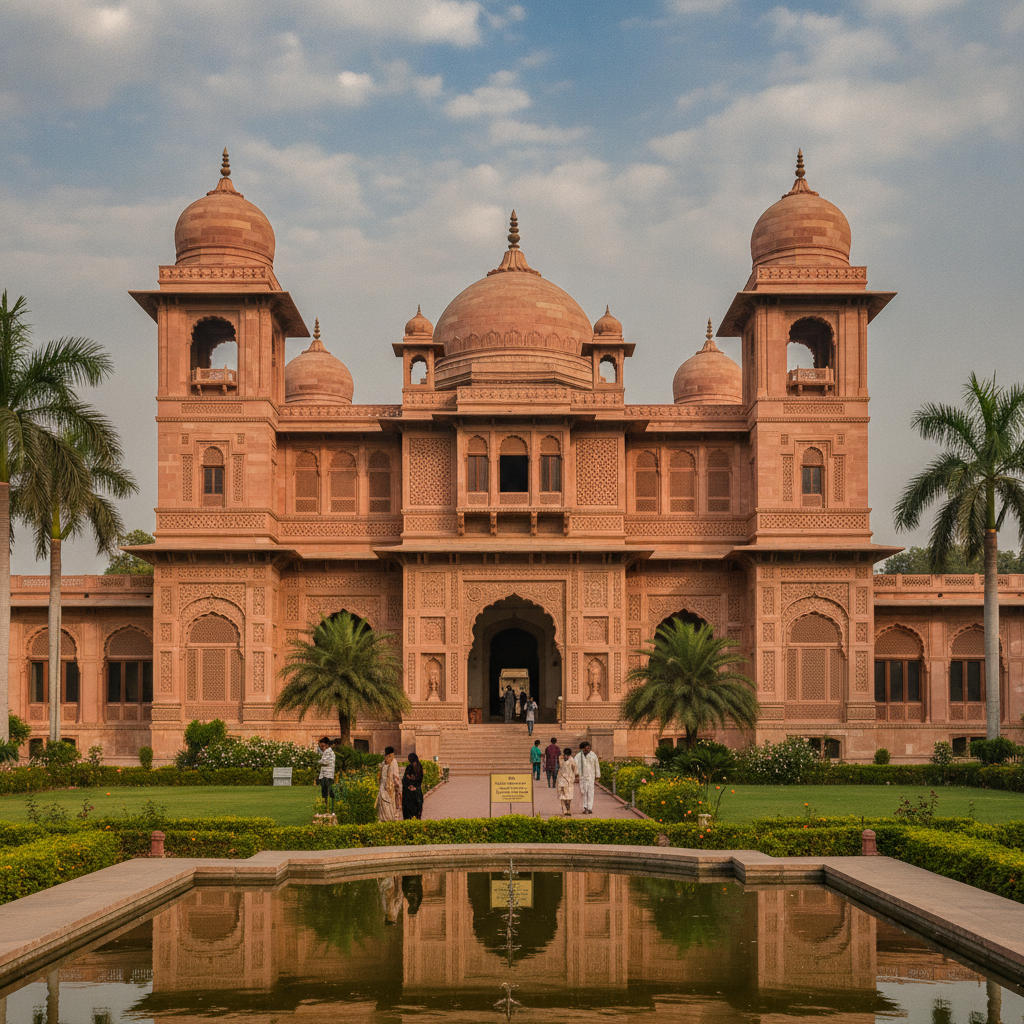
Karachi Mohatta Palace and Cultural Museums