Kandahar Chehel Zina Forty Steps Monument
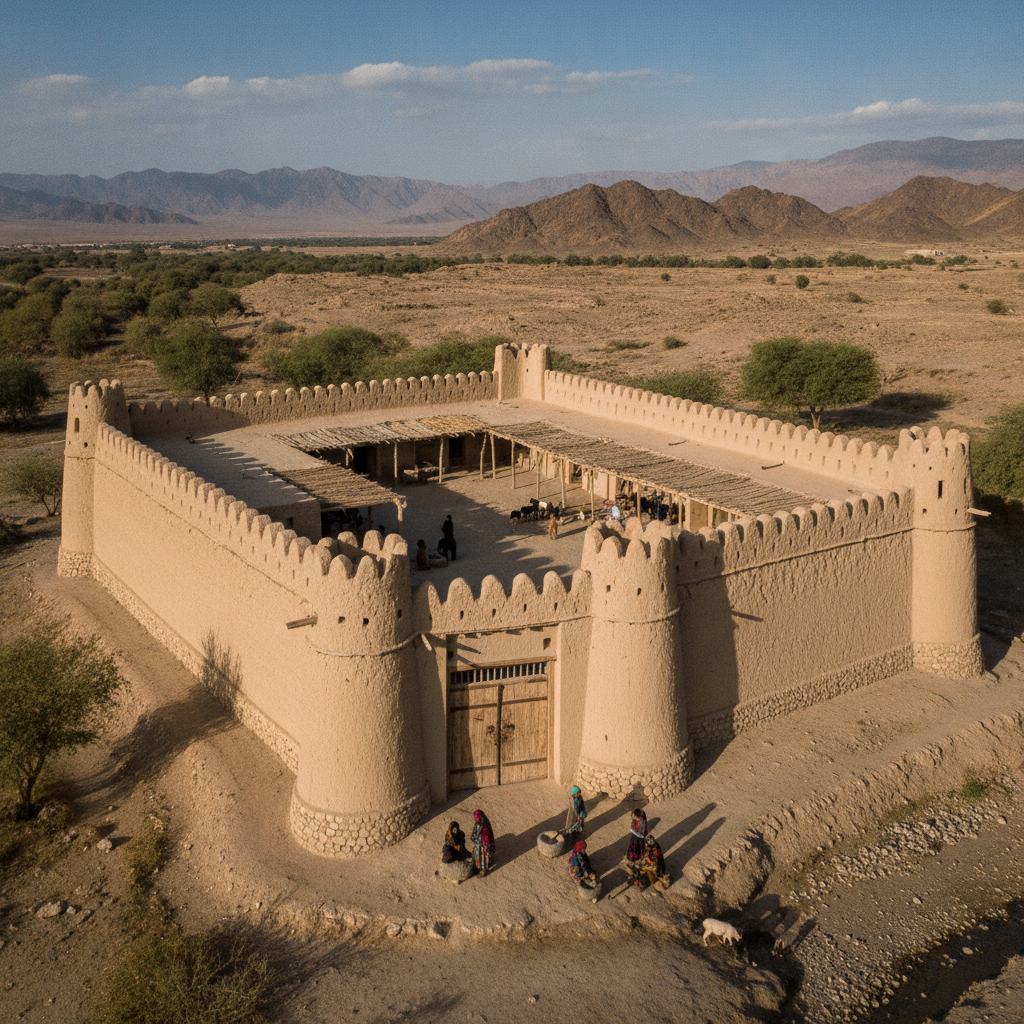
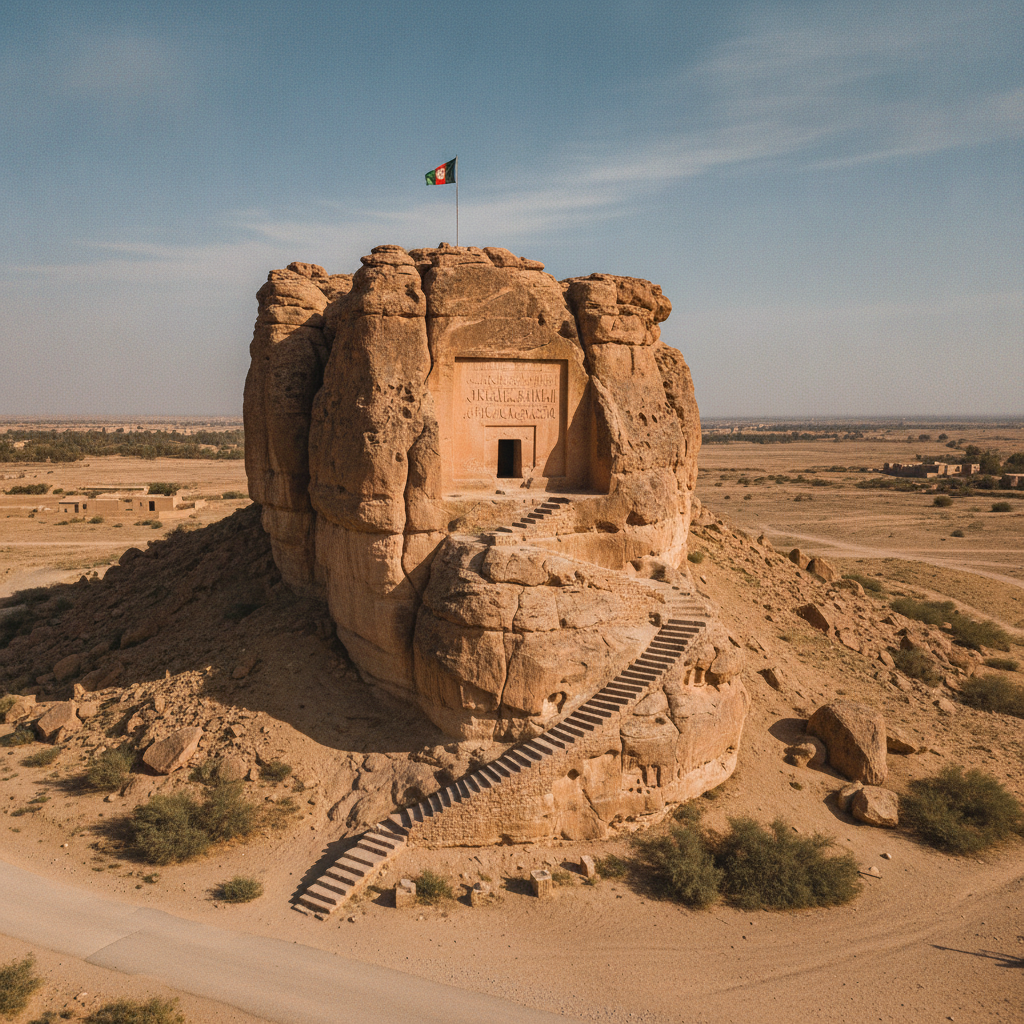
Visit Chehel Zina — the Forty Steps monument cut into a rocky hilltop east of Kandahar by the Mughal Emperor Babur in the 16th century, the inscription and staircase carved from living rock serving as both a royal memorial and a vantage point over the Kandahar valley, one of the few surviving Mughal monuments in Afghanistan.
- 1
Chehel Zina Rocky Outcrop
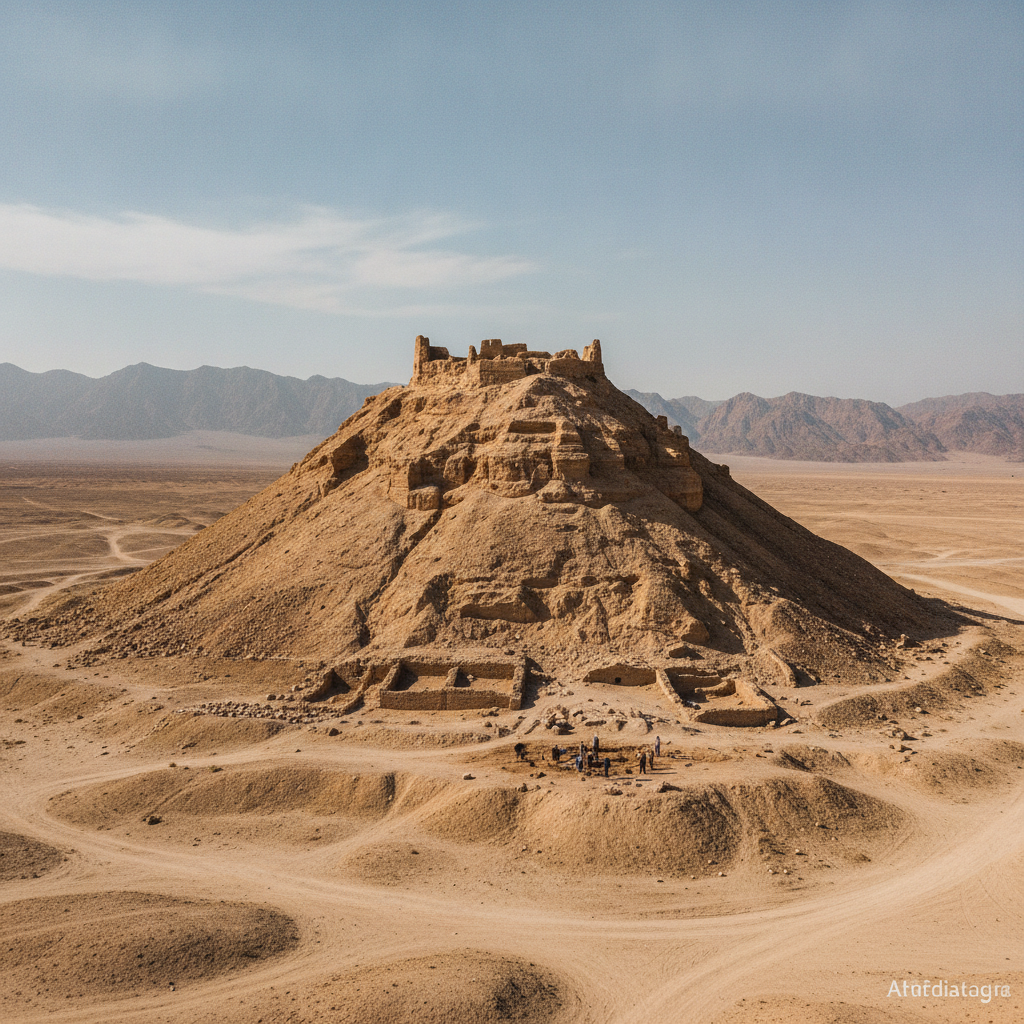
The rocky hill at Chehel Zina — the natural sandstone outcrop that Babur chose for his monument east of Kandahar, the distinctive rock formation rising above the flat plain, the site chosen for its visibility and its commanding position over the approach to the city from the east.
- 2
Forty Steps Carved Staircase
The forty steps carved directly into the rock — the monumental staircase ascending to the inscription terrace above, the steps wide and formal, cut from the living sandstone of the hill, the engineering reflecting the Mughal imperial tradition of creating permanent monuments in the landscape of conquered territories.
- 3
Babur Mughal Inscription
The Mughal inscription at the summit terrace — the Persian text recording Babur's presence at this site during his campaigns in Afghanistan, the carved inscription a piece of imperial self-commemoration typical of the Timurid-Mughal tradition of marking significant locations with royal calligraphy.
- 4
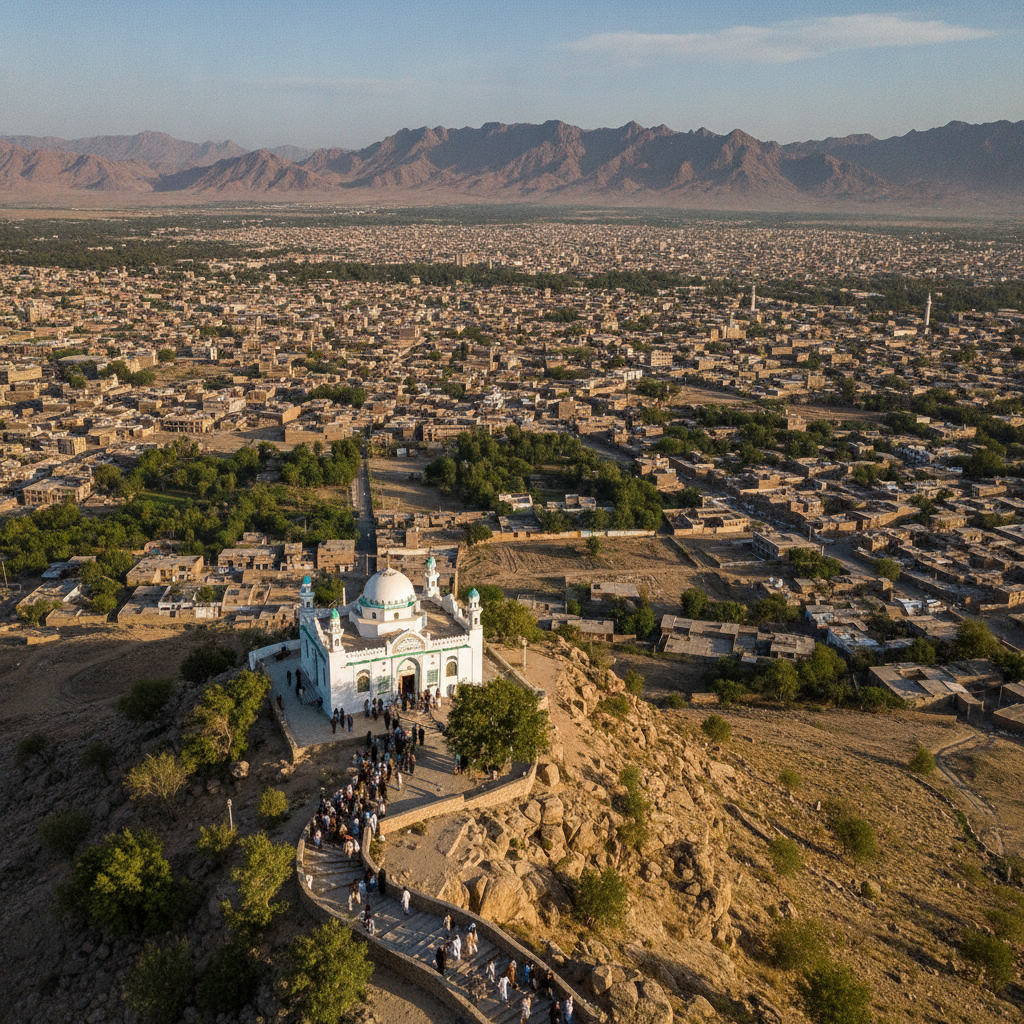
Panorama of Kandahar Plain
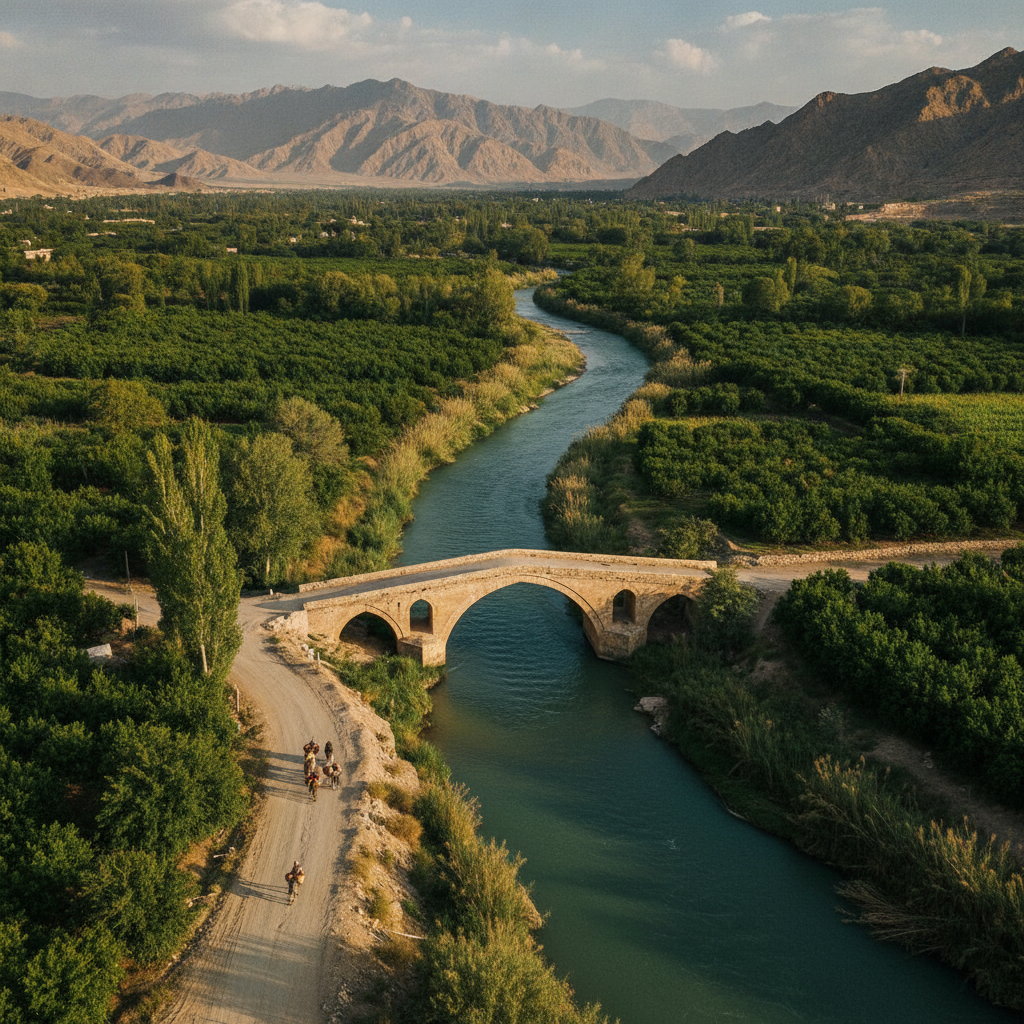
The panoramic view of the Kandahar plain from the terrace — the flat agricultural and desert landscape spreading in every direction from the hilltop, the city visible to the west, the Arghandab valley to the north, and the desert mountains on every horizon defining the geographic character of Kandahar province.
- 5
Rock Carved Pool Terrace
The rock-cut pool and terrace at Chehel Zina — the small water feature cut into the rock beside the inscription that would have collected rainwater, the terrace designed for resting and contemplation in the Mughal tradition of creating garden retreats, the modest water feature typical of the Baburi love of gardens expressed even in stone.
- 6
Ancient Trade Route View
The view toward the ancient trade route passing Kandahar — the landscape through which merchants and armies have traveled for 2,500 years, the terrain that made Kandahar the keystone of southern Asian geography, the view from Chehel Zina looking across the same landscape that Babur, Timur, and Alexander surveyed before him.
Walk this route with audio
Stories play automatically as you reach each stop — no tapping needed.