Jerusalem Practical Guide: 22-Minute Airport Train, the Austrian Hospice & Safety Tips
Navigate Jerusalem practically—the 22-minute high-speed train from Ben Gurion Airport tunnelling through the Judean Hills, the Austrian Hospice's rooftop terrace above the Via Dolorosa (the most atmospheric hotel in the Old City), dress code for religious sites, when to visit during Jewish and Muslim holidays, and the legal complexity of a city where no country agrees on the capital status.
- 1
Getting to Jerusalem – Ben Gurion Airport & the Train
Ben Gurion International Airport (TLV), 50 km northwest of Jerusalem, is Israel's main airport—served by major carriers including El Al, British Airways, Lufthansa, Air France, and Delta. The high-speed rail link (opened 2018) connects Ben Gurion to Jerusalem's Yitzhak Navon station in 22 minutes (₪20/€5)—one of the world's most impressive airport rail connections, tunnelling through the Judean Hills. Shared taxis (sherut) also run between the airport and Jerusalem at fixed prices.
- 2
Getting Around Jerusalem – Light Rail & Walking
Jerusalem's light rail (Red Line) runs from the northern suburbs through the city centre (Jaffa Road) to Yad Vashem—the most useful section for visitors connects the Central Bus Station, Mahane Yehuda, the Old City (Jaffa Gate stop), and the Hebrew University. The Old City itself is navigable only on foot; the Muslim Quarter's lanes are too narrow for vehicles. Taxis are abundant; Gett app is the standard ride-hail service. The hills of Jerusalem make cycling challenging but electric bikes are increasingly practical.
- 3
Accommodation – From Hostels to Historic Hotels
Jerusalem's accommodation ranges from the legendary King David Hotel (1931, hosted Churchill, de Gaulle, and every Israeli prime minister) to hostels at ₪80–120/night (€20–30). The Austrian Hospice in the Old City's Christian Quarter (founded 1857, operated by the Austrian Catholic Church) is the most atmospheric and best-value accommodation in Jerusalem—a Viennese neoclassical building with a café terrace above the Via Dolorosa. Old City accommodation requires carrying luggage through the narrow lanes.
- 4
Safety & Practical Considerations
Jerusalem is generally safe for tourists but requires situational awareness. The Old City's Muslim Quarter can feel tense during periods of Israeli-Palestinian escalation; the Damascus Gate area has been the site of knife attacks during high-tension periods. Checking Israeli government and foreign ministry travel advisories before visiting is recommended. Dress code for religious sites is strict (covered shoulders and knees for both men and women in all religious sites). Photography restrictions vary—no photos at the Western Wall on Shabbat.
- 5
Best Time to Visit Jerusalem
Jerusalem's climate is Mediterranean-continental: hot, dry summers (June–August, 30–35°C); mild, rainy winters (December–February, 5–15°C with occasional snow); and the best visiting seasons of spring (March–May) and autumn (September–November). Visiting during major Jewish holidays (Passover, Rosh Hashanah/Yom Kippur, Sukkot) means elevated accommodation prices and high crowds at religious sites but extraordinary cultural richness. Ramadan in East Jerusalem and the Muslim Quarter creates a different, more intense atmosphere at the mosques and souk.
- 6
Jerusalem's Unique Status – International Law & Contested Capital
Jerusalem's political status is the most contested of any city on earth. Israel declared Jerusalem its capital in 1950 (West Jerusalem) and annexed East Jerusalem in 1980 (not internationally recognised). Most countries maintain their embassies in Tel Aviv (the US moved to Jerusalem in 2018; several others followed). The Old City's Muslim and Christian sites are administered under the Jordanian Waqf (Islamic religious trust) and various Christian church authorities; the Western Wall is under Israeli government authority. No final status agreement has resolved these arrangements.
Walk this route with audio
Stories play automatically as you reach each stop — no tapping needed.
More in Jerusalem
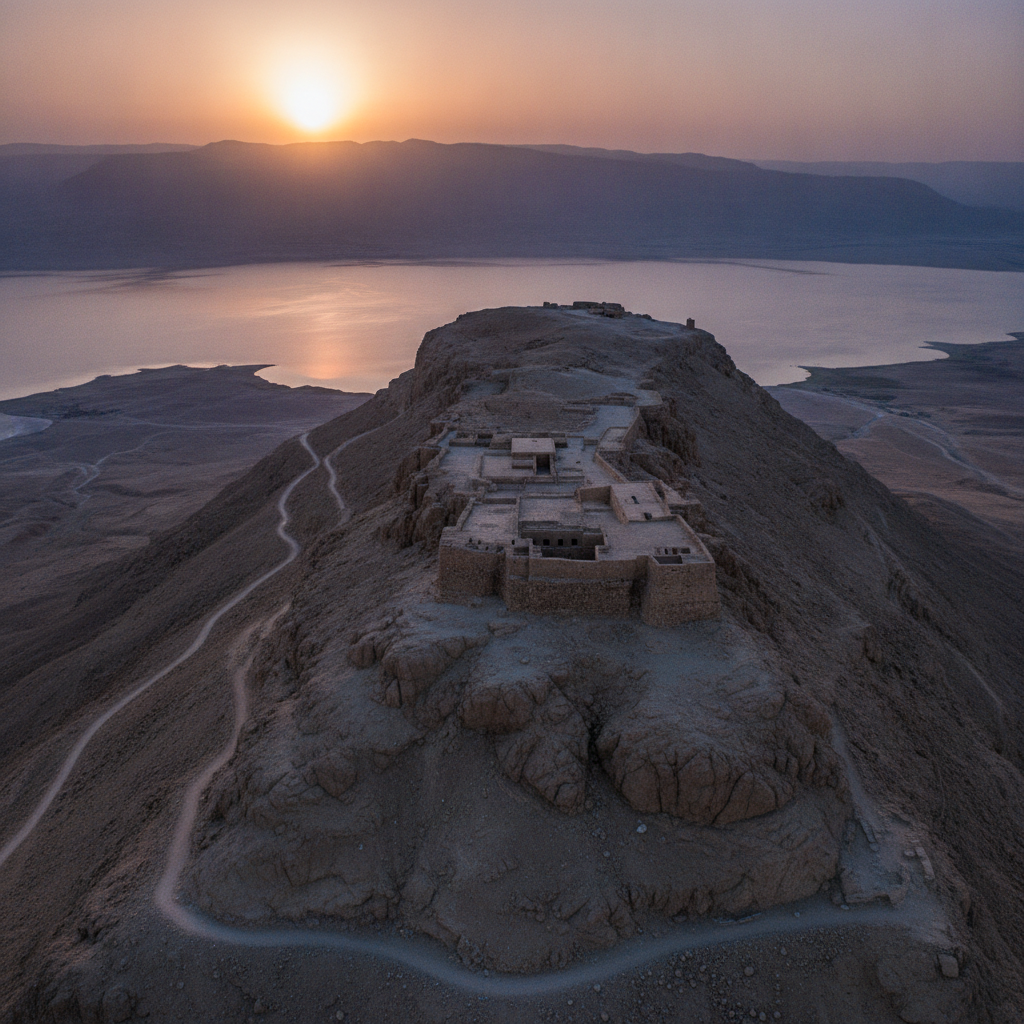
Jerusalem Day Trips: Masada's Siege, the Dead Sea's Salt Flats & Bethlehem's Nativity
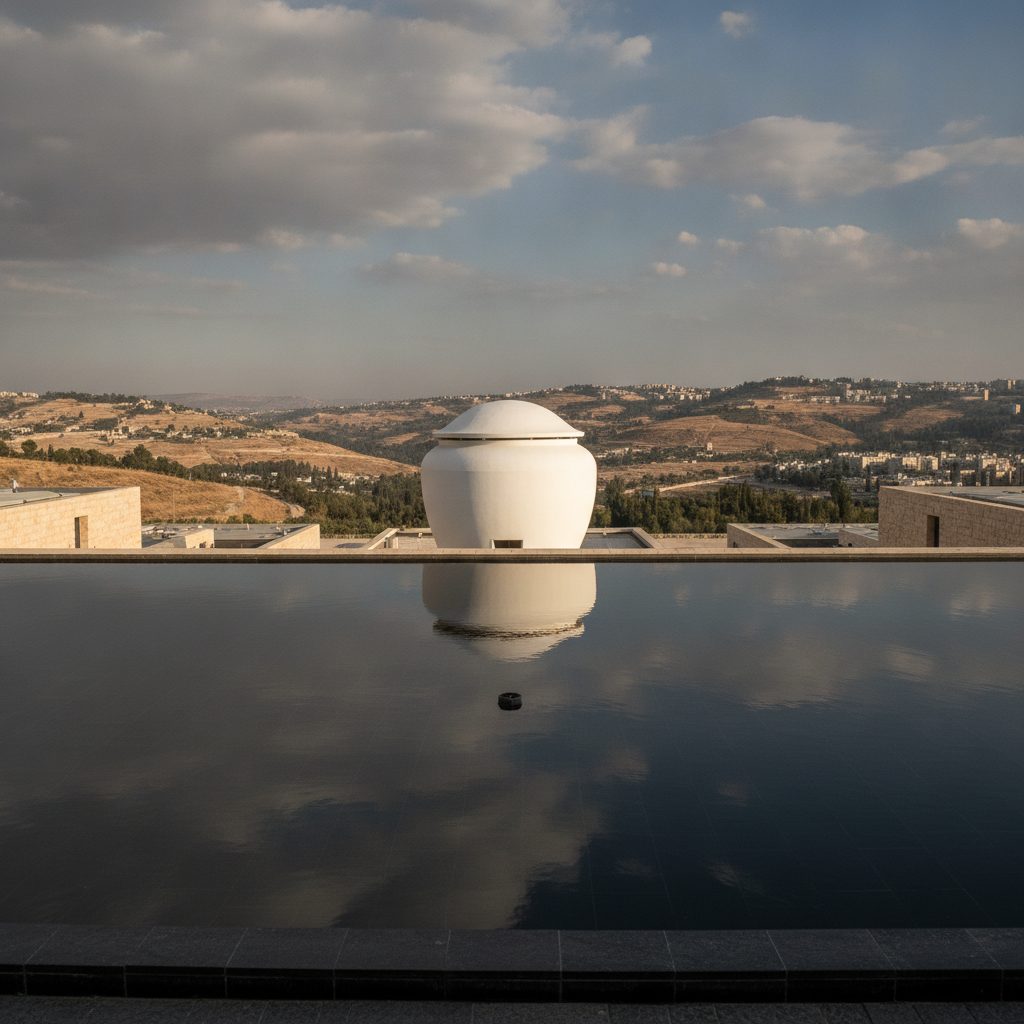
Jerusalem Beyond the Old City: Yad Vashem, Dead Sea Scrolls & the Living Shuk
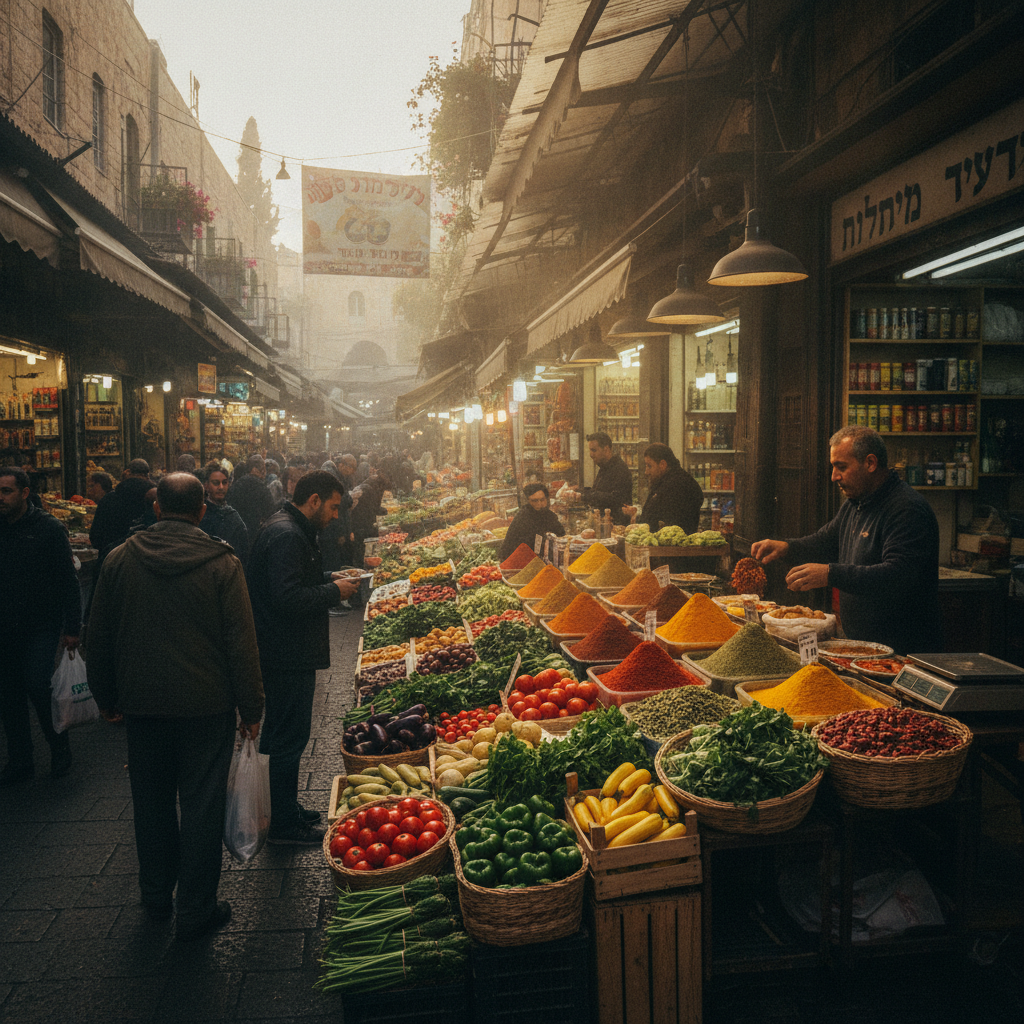
Jerusalem Food: The Mahane Yehuda Market, the Israeli Street Food, the Hummus Tradition, and the Most Culinarily Dynamic Single Israeli City
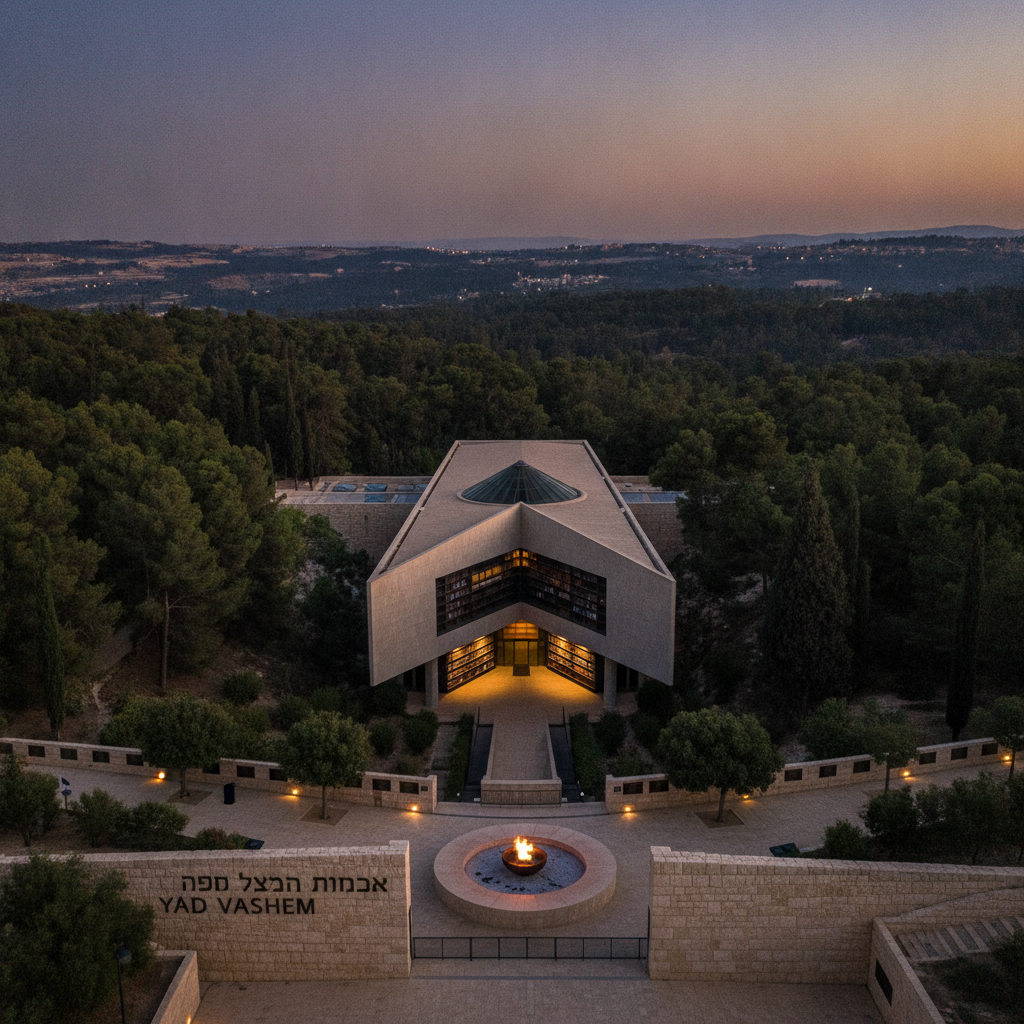
Jerusalem Memory: Yad Vashem Holocaust Museum, the Israel Museum Dead Sea Scrolls, Mount Herzl, and the Most Historically Layered Single City Memory
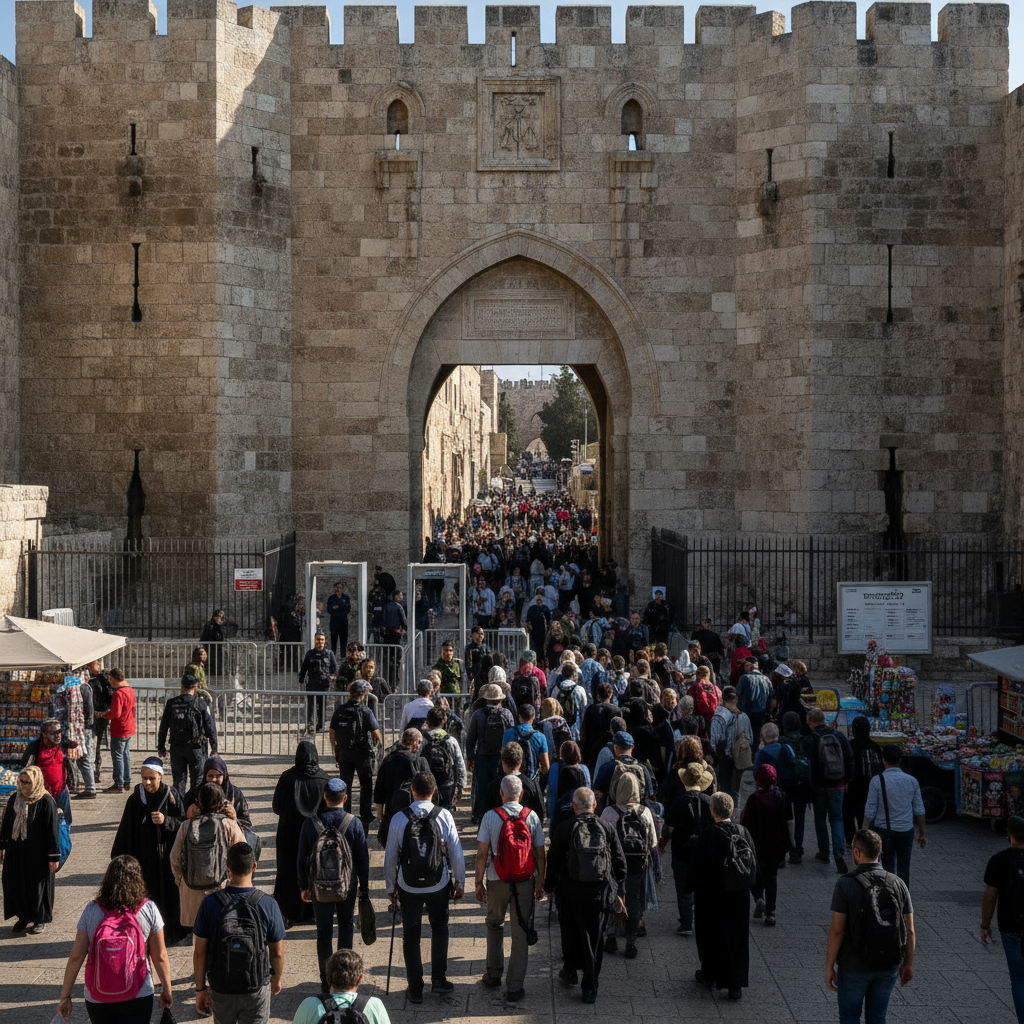
Jerusalem Practical: The Security Considerations, the Old City Accommodation, the Crossing Options, the Optimal Timing, and the Jerusalem Visitor Framework