Izmir History: Ancient Smyrna Birthplace of Homer, Heraclitus the Philosopher, Alexander the Great Refoundation, the Byzantine and Ottoman Smyrna, and the Great Fire of 1922 that Ended the Cosmopolitan City
The Izmir history route covers ancient Smyrna as one of the claimants for Homer birthplace, the Heraclitus pre-Socratic philosophy from the Ionian tradition, Alexander the Great refounding the city on Mount Pagos, the Byzantine and Ottoman Smyrna as the most cosmopolitan Levantine port city, and the Great Fire of 1922 that destroyed the Greek and Armenian quarters.
- 1
Ancient Smyrna: The Homer Birthplace Claim
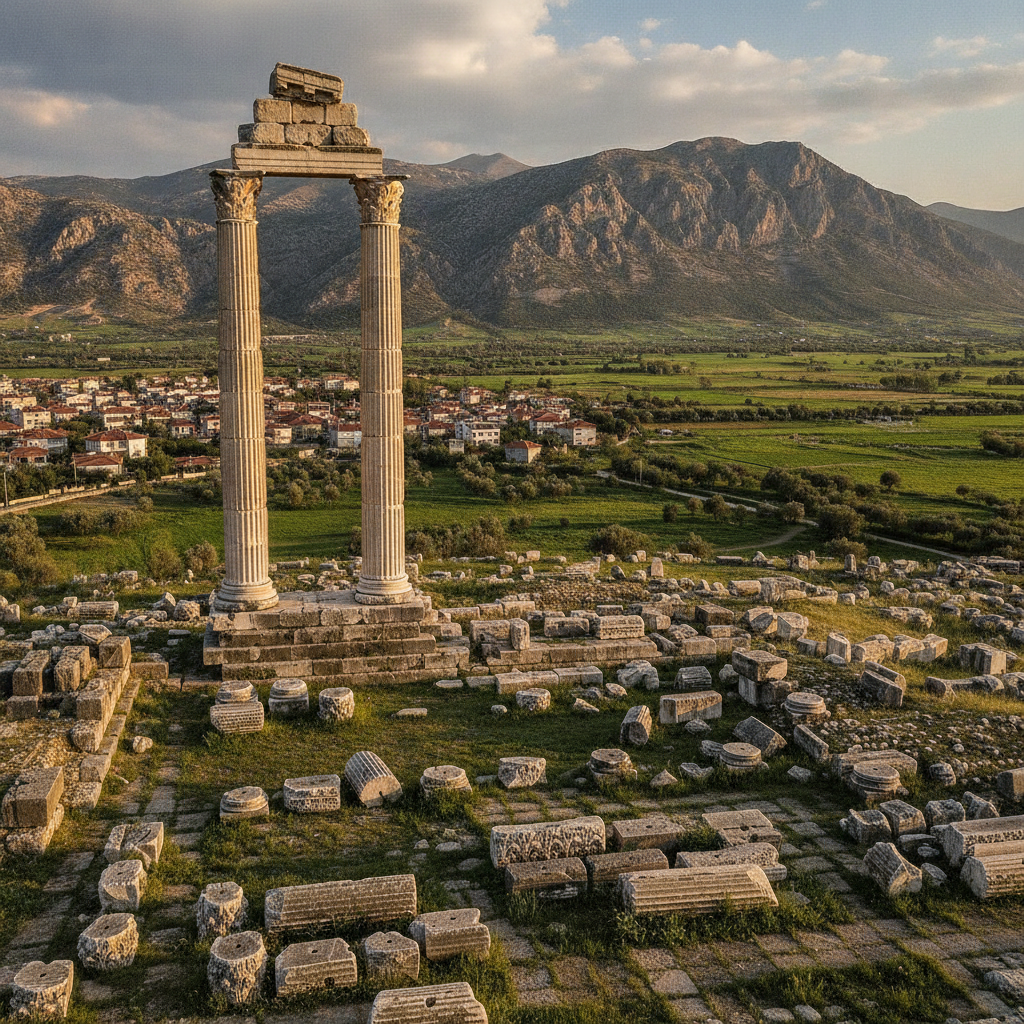
Smyrna, one of the 7 Greek cities that claimed the birthplace of Homer in the ancient tradition, was the most persistent of the claimants with the specific identification of the Meles River (now the Bornova Stream) as the site of Homer birth and the bronze coins of Smyrna showing the portrait of Homer as the city hero. The ancient Smyrna, founded as a Greek Aeolian colony in the 10th century BC on the gulf coast, was destroyed by the Lydian king Alyattes in 600 BC and abandoned until the refoundation by Alexander the Great on the Mount Pagos site in 334 BC.
- 2
Heraclitus: The Ionian Philosopher
Heraclitus of Ephesus, born in the neighboring city of Ephesus in the late 6th century BC, is the most important pre-Socratic philosopher associated with the Ionian tradition and the philosopher whose work most directly influenced the subsequent development of Western philosophy with the doctrine of the unity of opposites, the Logos as the rational principle governing change, and the enigmatic fragments that Plato and Aristotle discussed in the most extensive ancient secondary literature devoted to any pre-Socratic thinker. The Ionian philosophical tradition of which Heraclitus was the most complex representative was the intellectual context within which the ancient Smyrna participated.
- 3
Alexander and the Dream: The Mount Pagos Refoundation
The Alexander the Great refoundation of Smyrna on Mount Pagos, based on the tradition that Alexander dreamed while sleeping under a plane tree that the goddess Nemesis instructed him to found a new city on the mountain above the original site, is the mythological foundation narrative that established the Hellenistic Smyrna as the most deliberately planned Greek city in the Aegean world. The Kadifekale citadel on Mount Pagos, the Ottoman-period fortification built on the Alexander period hilltop, is the most panoramic viewpoint above the modern Izmir.
- 4
Byzantine Smyrna: The Medieval Port
Byzantine Smyrna, one of the most important Aegean ports in the Byzantine commercial network, was held alternately by the Byzantine empire and the Seljuk Turks through the 11th and 12th centuries before the Crusader period created the Izmir Sancak, and was the base for the Knights of Saint John before their move to Bodrum in 1402. The Byzantine period Smyrna is the least documented phase of the city history because the 1922 fire destroyed most of the documentation of the pre-Ottoman and the Ottoman commercial record.
- 5
Ottoman Smyrna: The Cosmopolitan Levantine Port
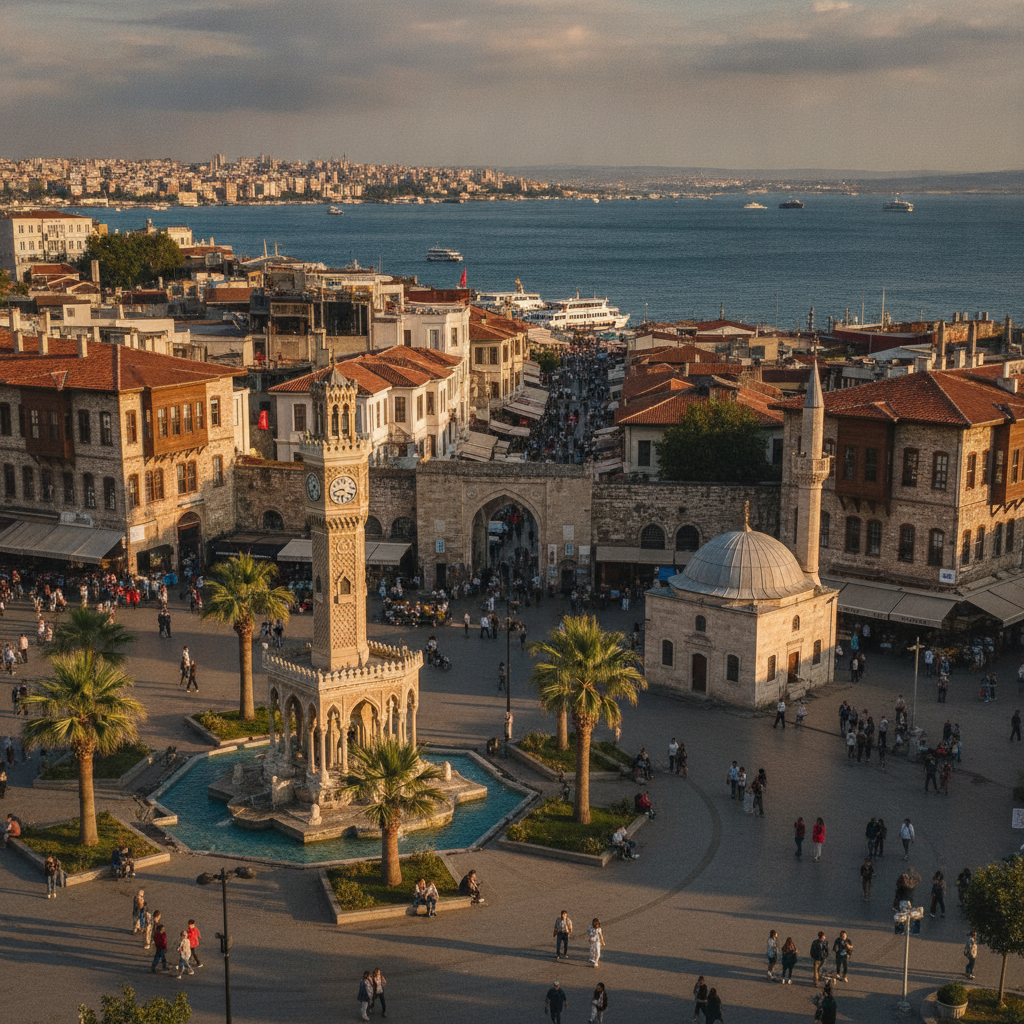
Ottoman Smyrna from the 15th to the early 20th century was the most ethnically diverse and commercially active single port in the eastern Mediterranean, with the Greek, the Armenian, the Jewish, the Levantine, the French, the British, and the Turkish quarters arranged along the waterfront in the most completely cosmopolitan urban geography in the Ottoman empire. The Frank Street (now Birinci Kordon), where the European merchant houses and the consulates created the most architecturally European street in the Ottoman Aegean, was the commercial center of the most internationally connected city in the Ottoman world.
- 6
Great Fire of 1922: The End of Cosmopolitan Smyrna
The Great Fire of Smyrna in September 1922, which burned the Greek and Armenian quarters of the city during the final days of the Greco-Turkish War and the arrival of the Turkish Nationalist forces under Ataturk, destroyed the most cosmopolitan and architecturally distinctive parts of the city and killed or displaced the majority of the Greek and Armenian population of approximately 200,000 people. The fire remains the most contested single historical event in the modern history of Izmir, with the Greek, the Armenian, and the Turkish accounts differing fundamentally on the causes and the responsibility, and the ruins of the Greek Orthodox churches and the Levantine mansions in the Basmane quarter are the most direct physical evidence of the city that the fire destroyed.
Walk this route with audio
Stories play automatically as you reach each stop — no tapping needed.
More in Izmir
Izmir as Day Trip Base: Ephesus and Selcuk Day Circuit, Sardis Lydian Capital, the Cesme and Alacati Peninsula, Agamemnon Hot Springs Spa, and the Complete One-Week Izmir-Based Aegean Circuit
Izmir Essential: Kordon Waterfront Promenade, the Bazaar Quarter and Kemeralti, the Ancient Roman Agora, the Asansor Elevator, Pergamon Day Trip, and the Aegean Gateway City Character
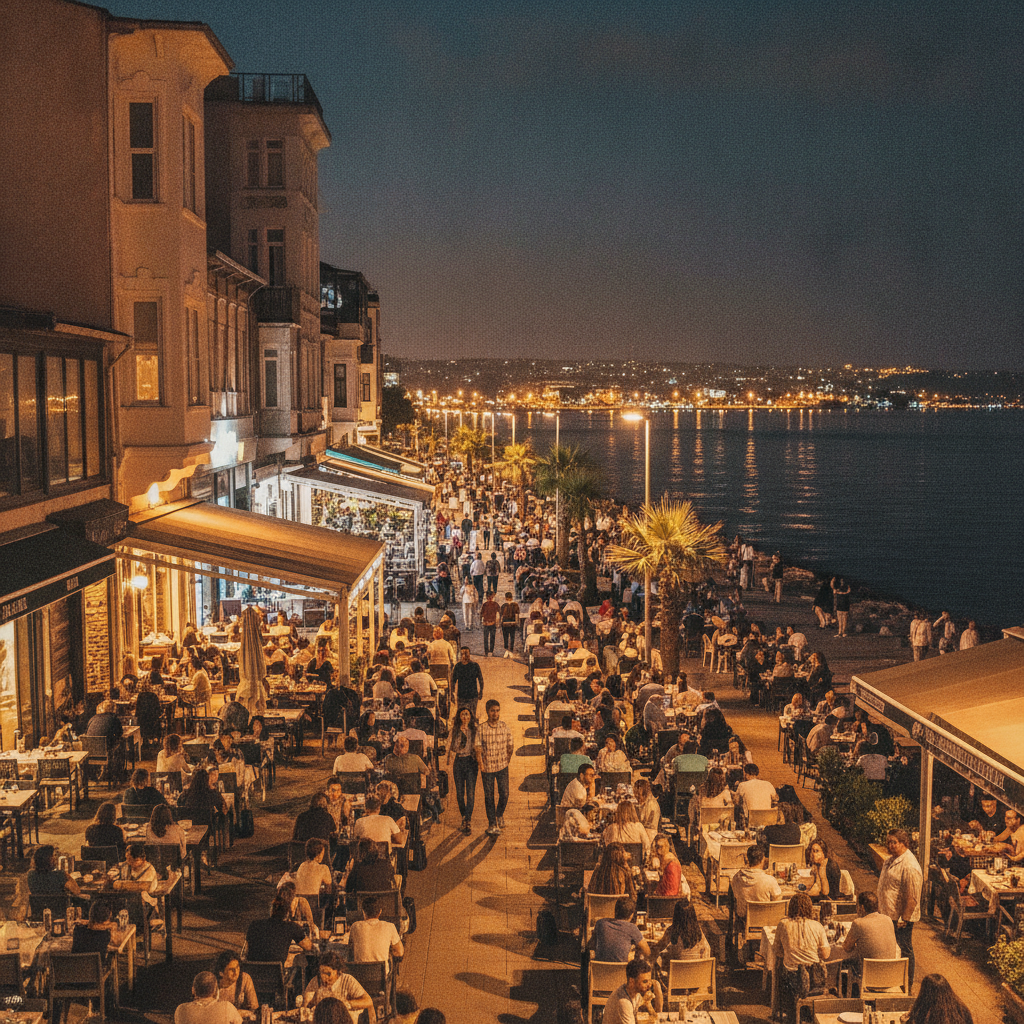
Izmir Modern Life: Konak Square and the Clock Tower, Ataturk Museum at the Birthplace, Cultural Scene and Film Festivals, the Alsancak Bar and Restaurant District, Bornova University City, and Izmir Contemporary Identity
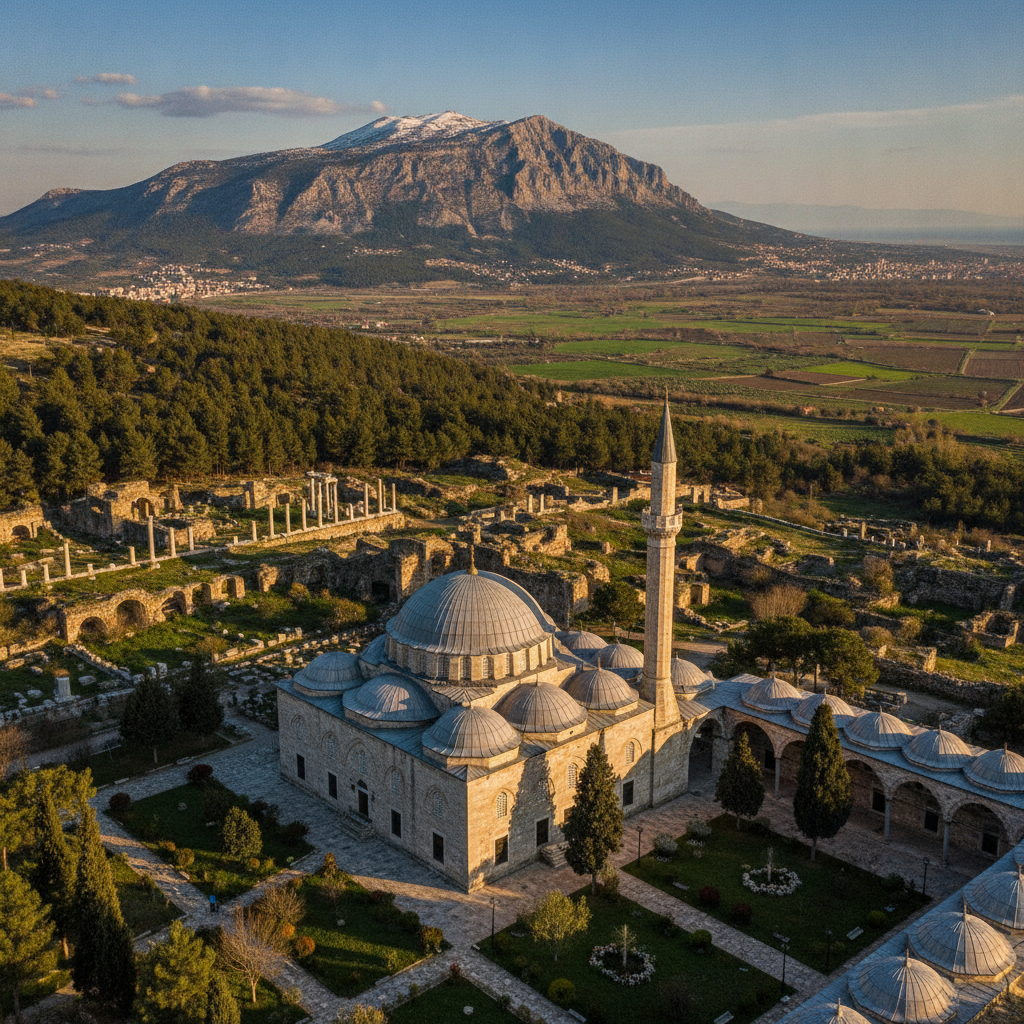
Izmir Inland Excursions: Manisa and the Sultan Murad II Mosque, Magnesia at Sipylus Royal Court, Turgutlu Grape Harvest, Thyatira and the Seven Churches Circuit, and the Hermus Valley Agricultural Landscape
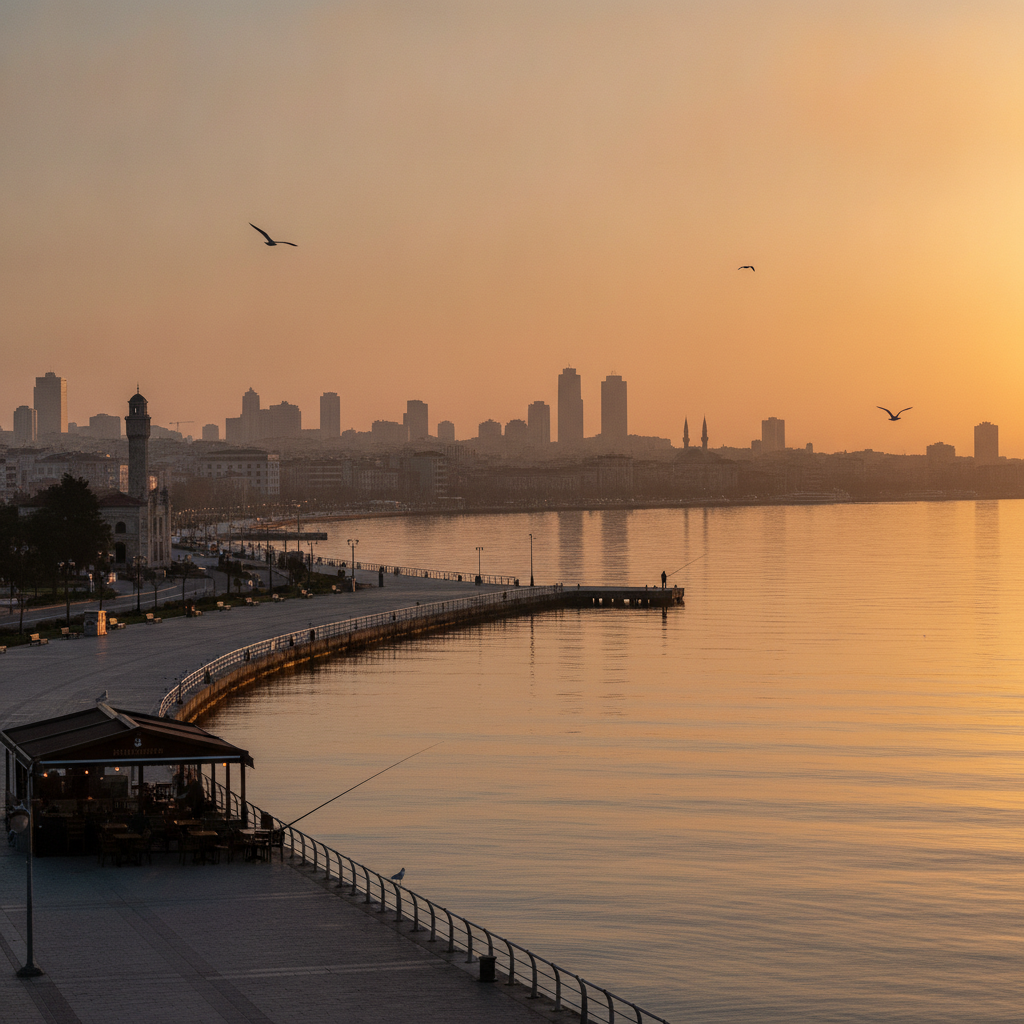
Izmir Departure: The Aegean Turkey City Comparison, Izmir versus Istanbul, Why Izmir Is Turkey Best-Kept Secret, the Cultural Legacy of Smyrna, and the Farewell from the Aegean Gateway