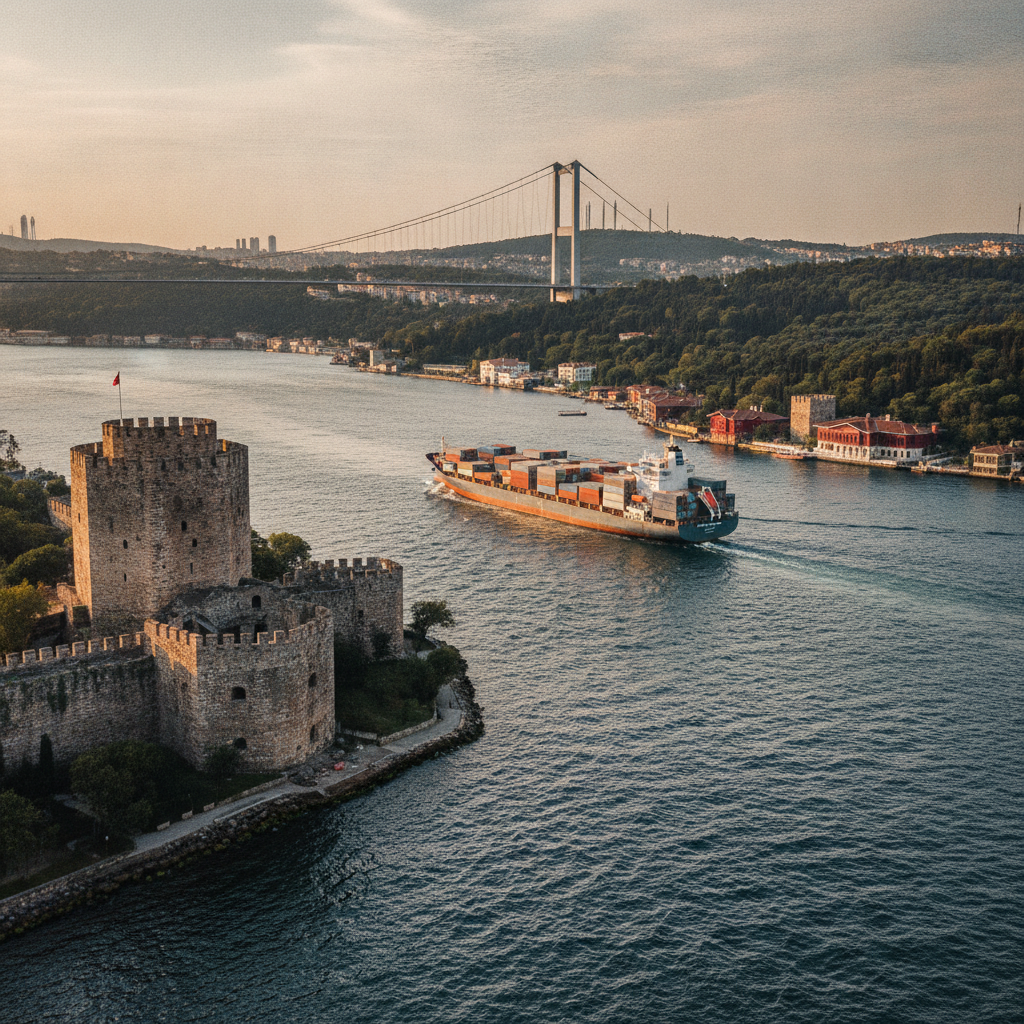
Princes' Islands: Istanbul's Car-Free Archipelago
The Princes' Islands (Adalar), a group of nine islands in the Sea of Marmara approximately 15–20 kilometers southeast of Istanbul's historic peninsula, are accessible by public ferry (50 minutes from Kabataş, operated by İstanbul Şehir Hatları) and are the only urban islands in the world that are simultaneously car-free (motor vehicles banned since the 19th century — only horse-drawn carriages and bicycles), within a major metropolitan area (Istanbul), and visually dominated by 19th-century wooden Victorian architecture (the villas and mansions built by Istanbul's Greek, Armenian, and Jewish merchant classes during the Belle Époque). The four largest islands — Büyükada (Big Island), Heybeliada, Burgazada, and Kınalıada — each have distinct characters and served historically as exile destinations for Byzantine princes (giving the archipelago its name), Ottoman officials, and — in the early Soviet period — Leon Trotsky, who lived in exile on Büyükada from 1929 to 1933.
- 1
Kabataş Ferry Terminal — Leaving Istanbul Behind
Kabataş Ferry Terminal, the modern ferry terminal on the European Bosphorus shore at Kabataş (accessible from Taksim by funicular and tram), is the primary departure point for public ferries to the Princes' Islands. The İstanbul Şehir Hatları ferry service to the islands operates year-round (approximately hourly in summer, less frequently in winter), taking 50–75 minutes depending on the number of islands visited. The ferry journey itself is part of the experience: the boat crosses the Sea of Marmara from the Bosphorus exit, passing container ships and tankers at anchor, with the European skyline receding behind (the domes and minarets visible for much of the crossing) and the green pine-forested islands appearing ahead. Istanbul residents pack the ferries on summer weekends for day trips; winter weekday crossings are nearly empty.
- 2
Büyükada Main Pier — Arrival at the Car-Free Island
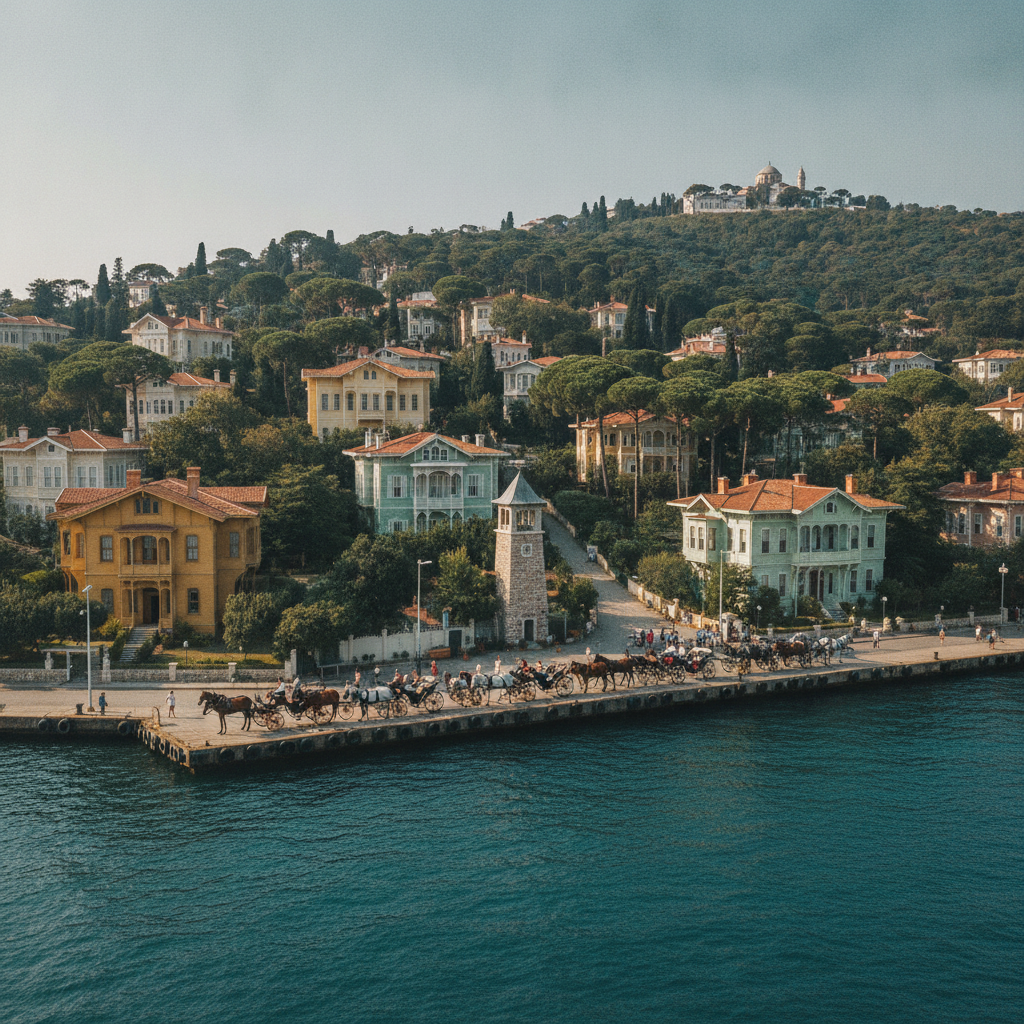
Büyükada (Big Island, also known by its Greek name Prinkipo — 'Prince' — from which the archipelago takes its name), the largest of the Princes' Islands at 5.4 square kilometers and the most visited, is the island where the car-free experience is most concentrated: the main pier at the bottom of the town is surrounded by horse-drawn phaetons (at-arabası) — open carriages pulled by one or two horses — that are the island's primary public transport and a significant part of its sensory experience. The absence of motor vehicles, the sound of hooves on cobblestones and carriage bells, the smell of horses and sea air and umbrella pine resin, and the visual spectacle of the Victorian wooden mansions behind the pier create a complete sensory displacement from Istanbul: arriving at Büyükada, you step off the ferry into a landscape that feels like the late 19th century.
- 3
Büyükada Town — Victorian Mansions and Greek Community Architecture
The town of Büyükada, spread across the hillside behind the main pier, is the most intact example of 19th-century cosmopolitan Istanbul architecture surviving anywhere: wooden Victorian villas and mansions built primarily between 1880 and 1920 by Istanbul's Greek, Armenian, and Jewish merchant and professional class (who maintained summer residences on the islands while working in Istanbul), their latticed wooden balconies, peaked roofs, and elaborate carved façades intact and many still in family use. The town also contains several institutional buildings: the Greek Orthodox Monastery of St. George (Aya Yorgi Manastırı), located at the top of the island's highest hill (202 meters) and accessible by foot or donkey on a 3-kilometer path; the Splendid Palace Hotel (built 1908, still operating, its wooden structure and late-Ottoman interior essentially unchanged); and the former Prinkipo Orphanage (a massive Art Nouveau wooden structure built in 1898 that was the largest wooden building in Europe and is currently being restored).
- 4
Büyükada Cycling — Circumnavigating the Island by Bicycle
Bicycle rental (kiralık bisiklet) is available from multiple shops within 100 meters of the Büyükada main pier for approximately 50–100 Turkish Lira per day (simple single-speed bikes). The circumference of Büyükada is approximately 12 kilometers, with a single road circuit around the perimeter of the island that passes through the town, along the southern pine-forested shore (where the sea is visible between the trees on the left and the mansions on the right), past the small beach settlements of Dilburnu and Yörük Ali Plaj (the island's main swimming beaches, predominantly pebbly rather than sandy), through the scattered residential areas of the quieter western side of the island, and back to the main pier. The circuit takes approximately 90 minutes by bicycle at a leisurely pace.
- 5
Heybeliada — The Naval Academy Island
Heybeliada (Halki), the second-largest Princes' Island at 2.4 square kilometers, is accessible by the same Şehir Hatları ferry service (which stops at Heybeliada before or after Büyükada depending on the direction) and is less visited and more residential than Büyükada. The island is dominated by two hills connected by a central valley — the Theological School of Halki (Heybeliada Ruhban Okulu), the Greek Orthodox seminary that operated on the island from 1844 until 1971 (when it was closed by the Turkish government following the nationalization of all private higher education institutions), and which has been the subject of international diplomatic advocacy for its reopening ever since. The island is also home to the Turkish Naval Academy (founded 1773), whose cadets in white uniforms are a common sight in the island's town.
- 6
Burgazada — The Island of the Writer
Burgazada, the third-largest Princes' Island at 1.5 square kilometers, is the quietest and most literary of the four main islands: it was the permanent home of Sait Faik Abasıyanık (1906–1954), Turkey's most beloved short-story writer, who lived on Burgazada year-round (unusual in a period when the islands were primarily summer destinations) and set most of his stories in the island's fishing community. The Sait Faik Museum, in the house where he lived for the last years of his life, is one of the most visited literary museums in Turkey. The island's small town, fishing harbor, and single hilltop monastery create a quieter and more intimate experience than Büyükada, and the island's permanent year-round population (approximately 600 people) gives it a working community atmosphere that the larger island lacks.
Walk this route with audio
Stories play automatically as you reach each stop — no tapping needed.
More in istanbul
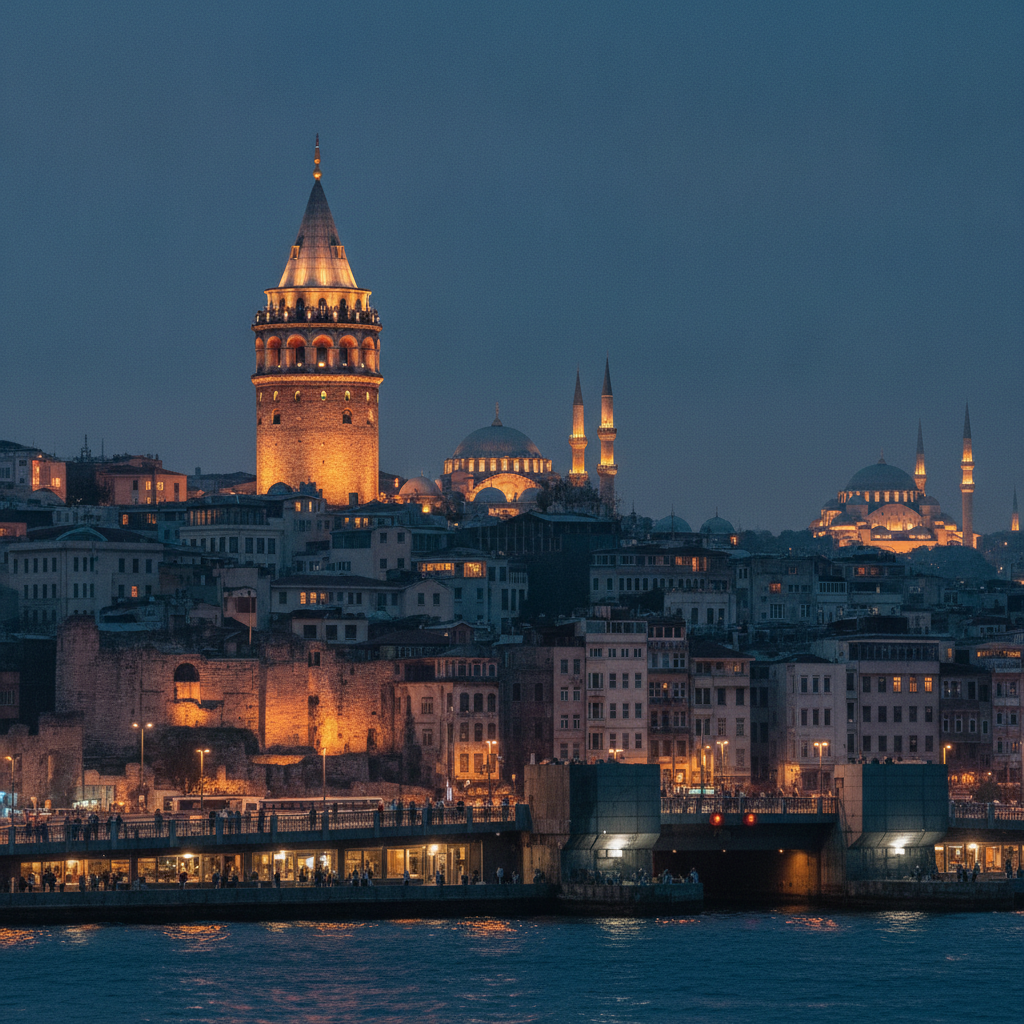
Galata, Beyoğlu & İstiklal: Istanbul's European Soul
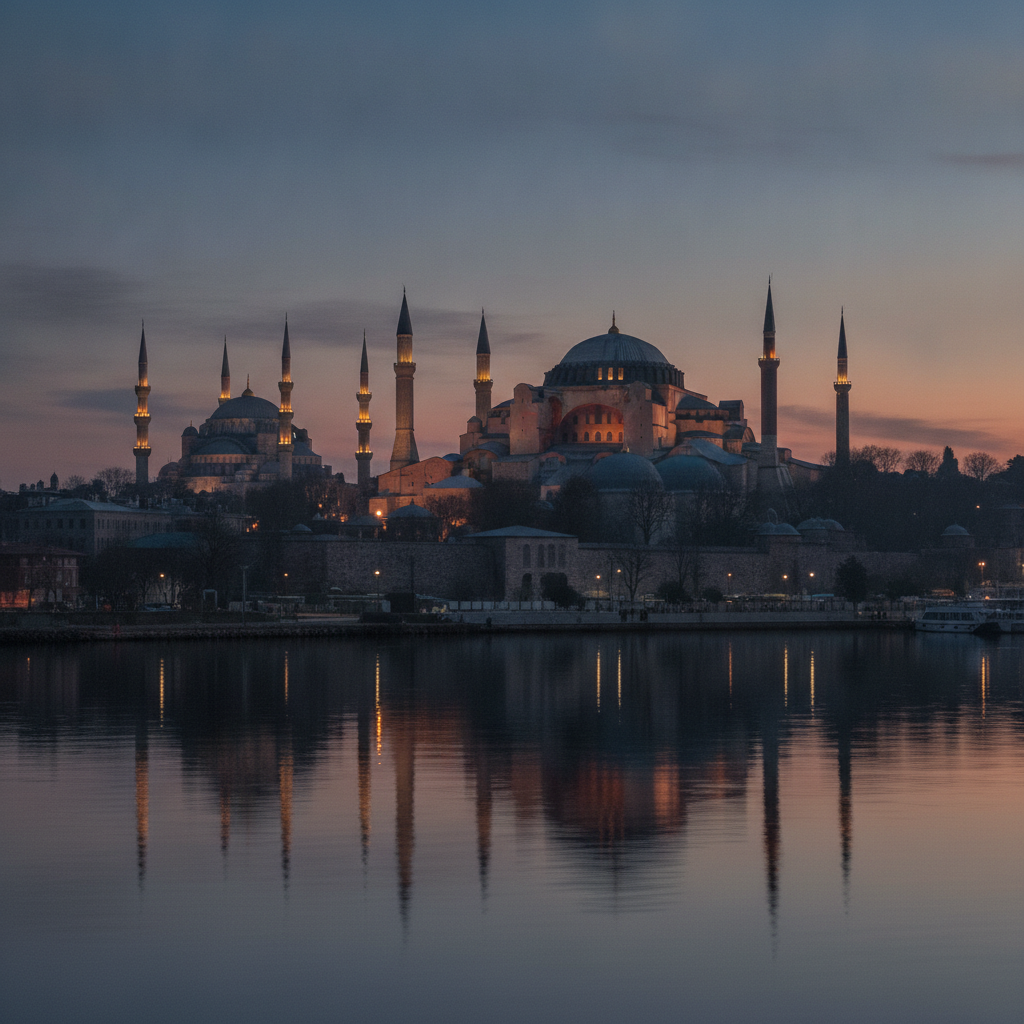
Sultanahmet: The Historic Heart of Istanbul
Beşiktaş, Nişantaşı and Yıldız: Istanbul's Affluent European Quarter
Balat, Fener and the Golden Horn
Fatih and the Faith Mosque: Conservative Istanbul