Bosphorus Villages: Palaces, Fortresses, and the Strait
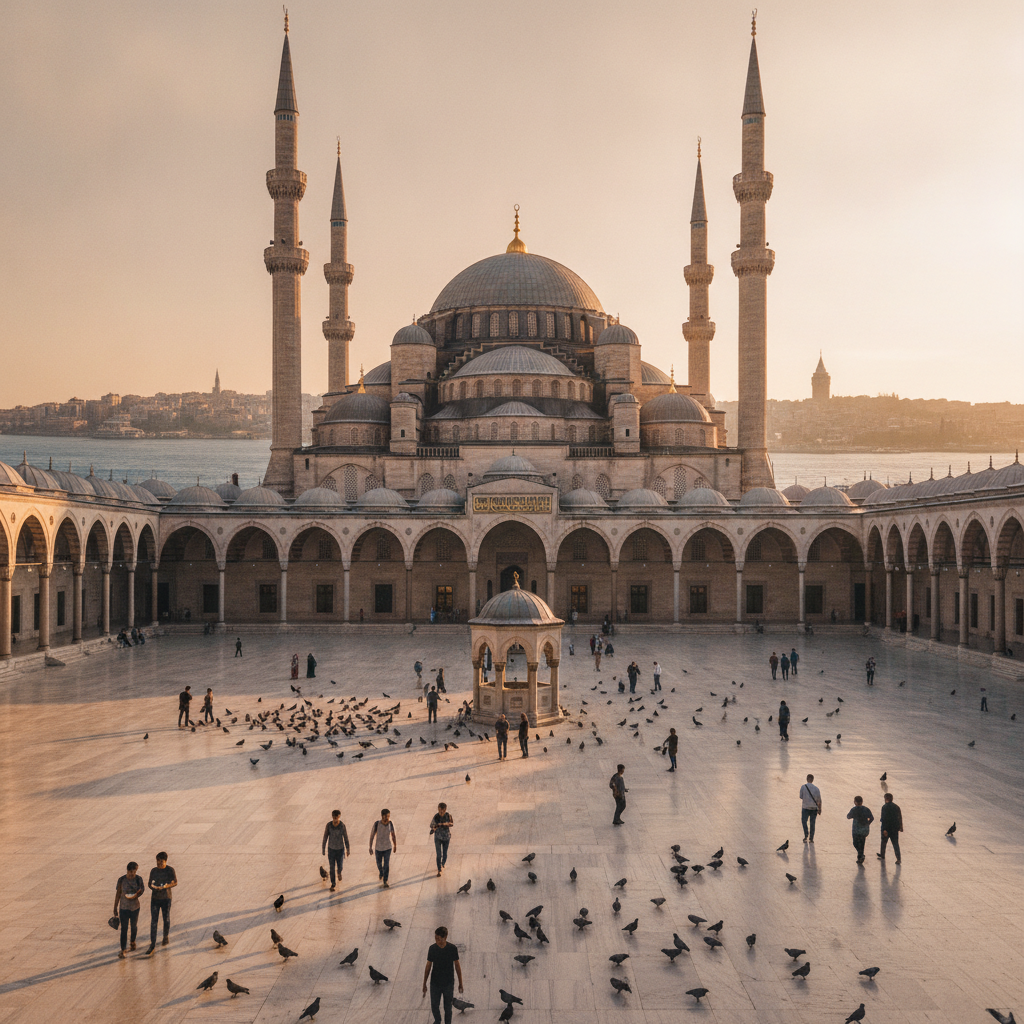
The European shore of the Bosphorus strait north of Beşiktaş, a 15-kilometer stretch of waterfront running from Dolmabahçe Palace to Sarıyer, is Istanbul's most aristocratic landscape: a continuous sequence of Ottoman palaces, 19th-century European-style villas (yalı), mosques, fishing villages, and forested hillsides that has attracted Istanbul's wealthy and powerful since the 15th century. The Bosphorus itself — 31 kilometers long, 700 meters to 3.5 kilometers wide, connecting the Black Sea to the Sea of Marmara — is one of the world's most strategically significant waterways, carrying approximately 50,000 ships per year including supertankers carrying Russian and Caspian oil to European markets. Walking, cycling, or taking the public bus along the Bosphorus shore road (the D100) between Beşiktaş and Sarıyer is the most atmospheric way to experience Istanbul's waterfront.
1. Dolmabahçe Palace — The Ottoman Empire's European Fantasy
- 1
Dolmabahçe Palace — The Ottoman Empire's European Fantasy
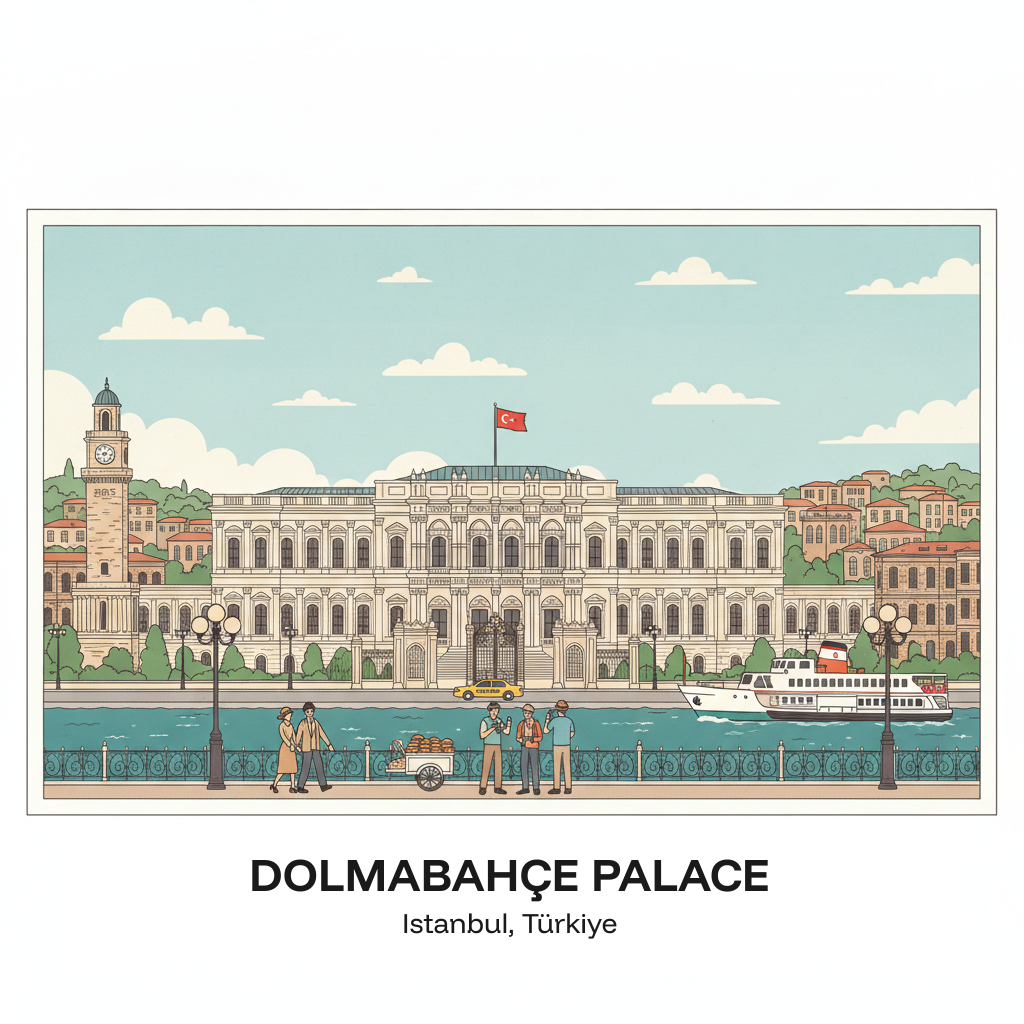
Dolmabahçe Palace (Dolmabahçe Sarayı), the massive baroque, neoclassical, and rococo palace built on a landfill promontory on the Bosphorus shore between 1843 and 1856 for Sultan Abdulmecid I by the Armenian-Ottoman architects Nikoğos and Garabet Balyan, replaced Topkapi Palace as the primary residence of the Ottoman sultans for the final century of the empire and is the largest palace in Turkey (45,000 square meters, 285 rooms, 43 halls, 6 hammams, 68 toilets). The palace was funded in part by loans from European banks that contributed to the Ottoman Empire's later financial collapse, and its construction consumed 14 tons of gold for the gilded ceilings alone. The throne room (Muayede Salonu) — with a ceiling height of 36 meters and the world's largest Bohemian crystal chandelier (4.5 tons) — was used for state receptions and is the most extravagant interior in Istanbul. Mustafa Kemal Atatürk, the founder of the Turkish Republic, died in the palace on November 10, 1938, and the clocks in his bedroom are stopped at 9:05am, the time of his death.
- 2
Ortaköy Mosque — The Bosphorus Bridge Backdrop
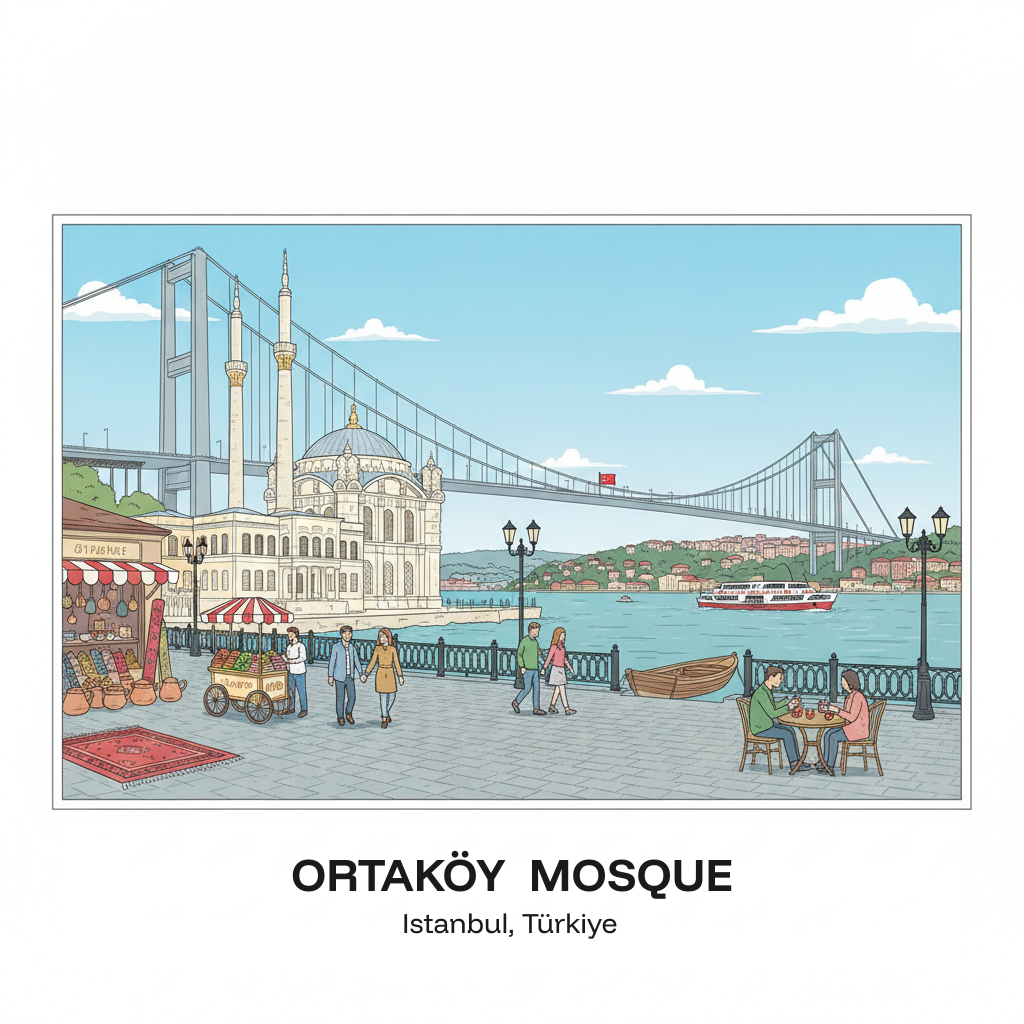
Ortaköy Mosque (Büyük Mecidiye Camii), the small baroque mosque built in 1853 by the same Balyan architects as Dolmabahçe Palace, sits directly on the Bosphorus waterfront at the foot of the Ortaköy neighborhood's fishing quay, positioned so that the First Bosphorus Bridge (Boğaziçi Köprüsü, built 1973, 1,560 meters long) frames it from behind in every photograph — creating one of Istanbul's most reproduced images: the 19th-century marble mosque in the foreground, the 20th-century suspension bridge spanning the strait behind it, and the Asian shore in the distance. The Ortaköy neighborhood surrounding the mosque is a weekend destination for Istanbul's residents, known for its street food (the kumpir — a large baked potato stuffed with toppings, and the waffle vendors), antique dealers, and waterfront cafés.
- 3
Çırağan Palace — The Burned Palace on the Water
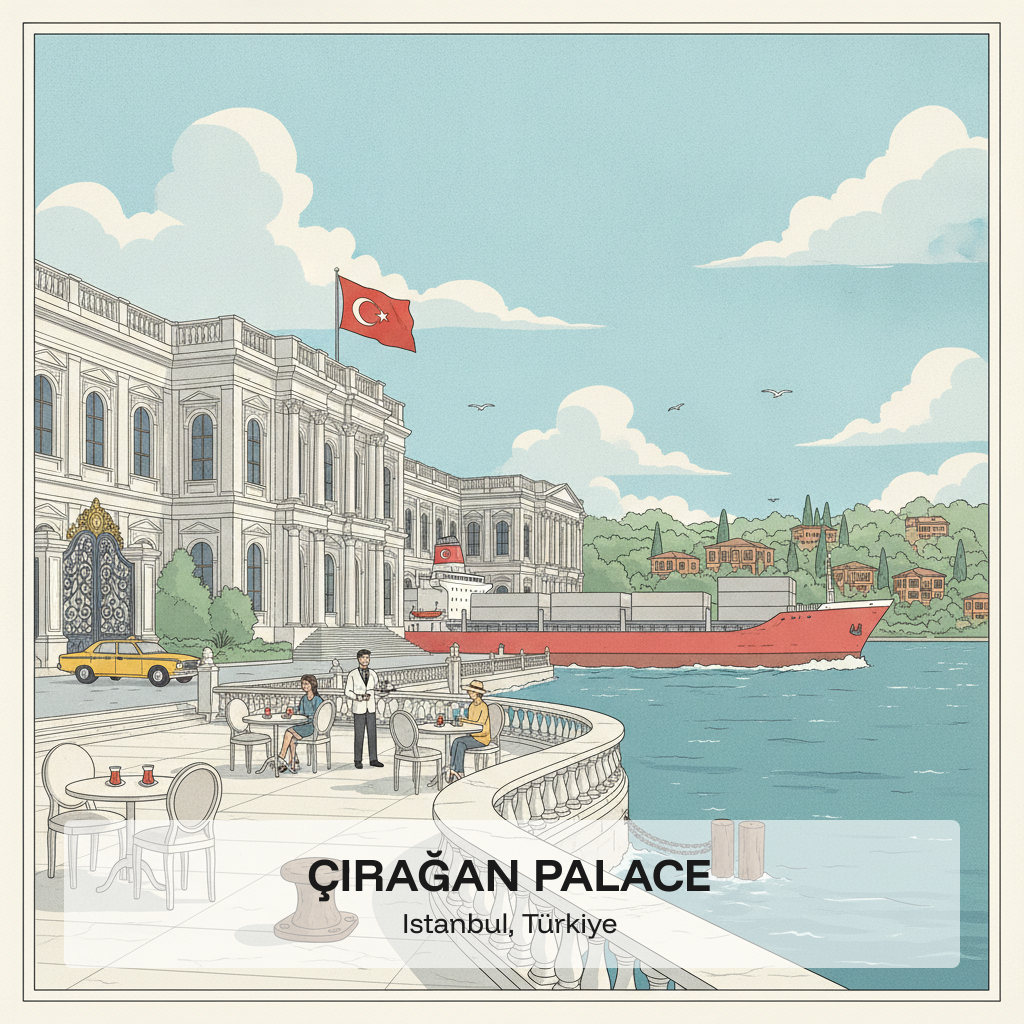
Çırağan Palace (Çırağan Sarayı), the long, low neoclassical palace immediately north of Beşiktaş on the Bosphorus waterfront (now operated as the Kempinski Hotel Çırağan Palace), was built between 1863 and 1867 for Sultan Abdülaziz by the Balyan architects and burned to a shell in 1910 when a fire started by a servant's candle destroyed the interior, leaving only the marble exterior walls standing. The walls stood hollow for decades before restoration work converted the shell into the current hotel. The palace's waterfront terrace restaurant (accessed by the public regardless of hotel status) is one of the only places in Istanbul where visitors can sit at tables literally on the Bosphorus water, with container ships and tankers passing a few meters away.
- 4
Rumeli Fortress (Rumelihisarı) — The Conquest in Stone
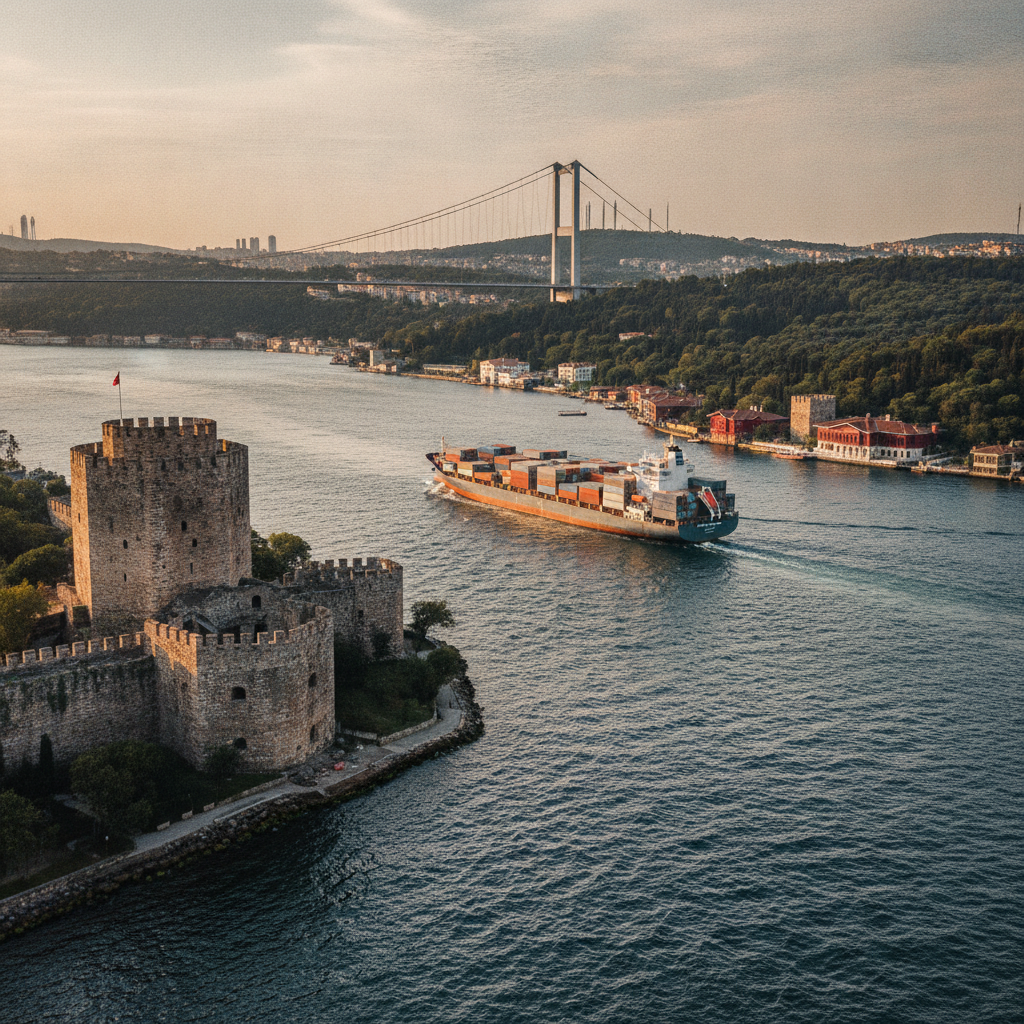
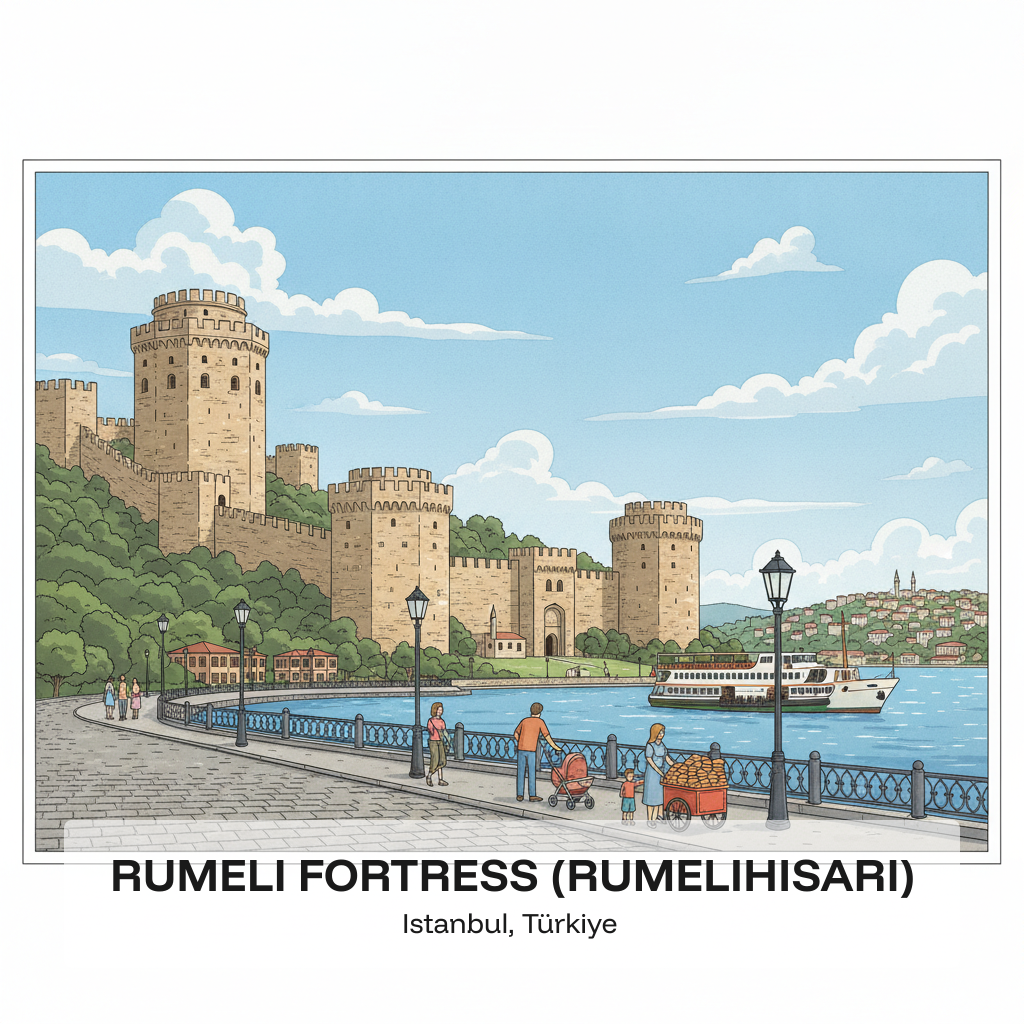
Rumeli Fortress (Rumelihisarı — Fortress of Europe), the massive Ottoman military fortification built at the narrowest point of the Bosphorus strait (698 meters) in just four months in 1452 by Sultan Mehmed II in preparation for the final siege and conquest of Constantinople (completed May 1453), is one of the best-preserved examples of 15th-century military architecture in the world. The fortress was built to control Bosphorus ship traffic and prevent Byzantine Constantinople from receiving reinforcements and supplies from the Black Sea and from its allies in Genoa and Venice. The three main towers of the fortress (Saruca Paşa Tower, Zağanos Paşa Tower, and Halil Paşa Tower) are named for the three Ottoman viziers who oversaw each tower's construction in the competitive race Mehmed II organized between them. The fortress walls, circuit towers, and interior courtyard (now used as an open-air theater in summer) are open for exploration without guided tour.
- 5
Bebek — The Bosphorus Village of the Istanbul Elite
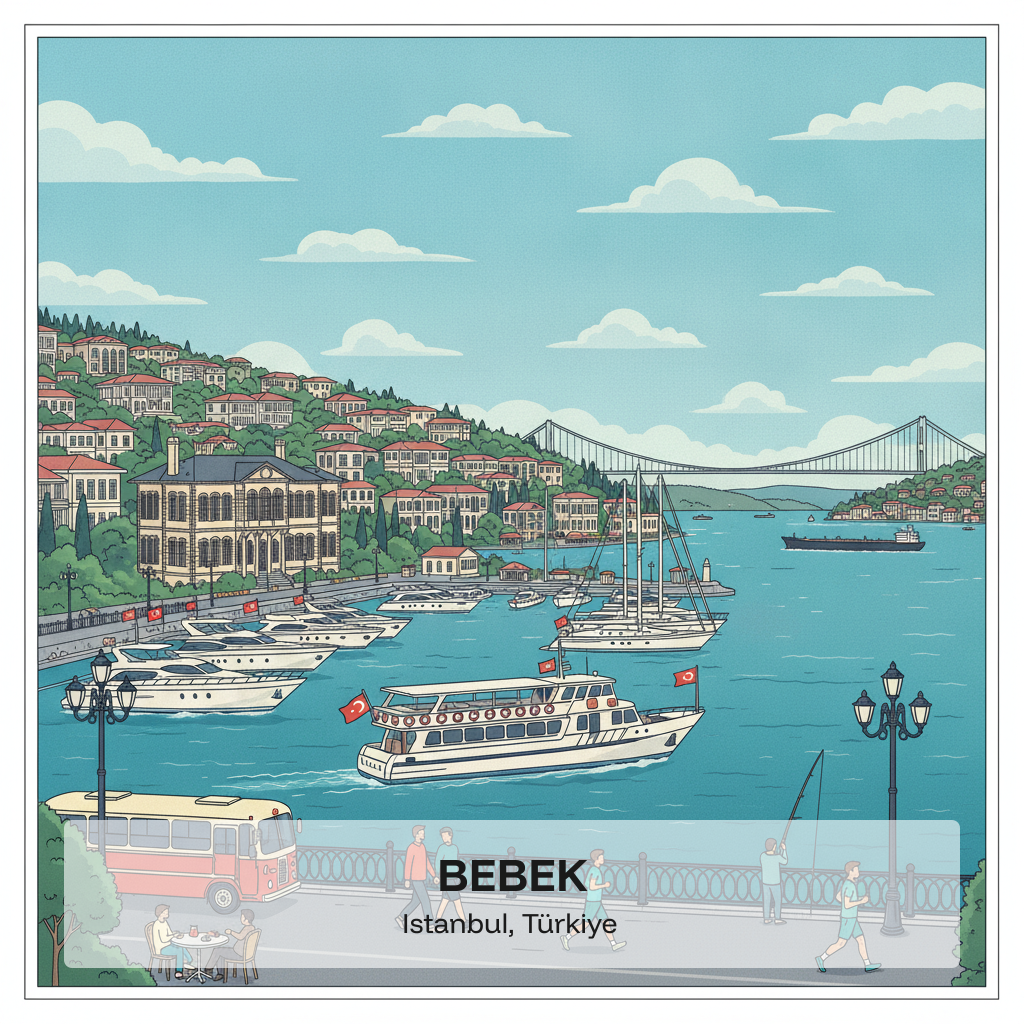
Bebek, the affluent waterfront neighborhood approximately 8 kilometers north of Beşiktaş on the Bosphorus European shore, is Istanbul's wealthiest and most desirable residential neighborhood: a small bay where expensive cafés, yacht-filled marinas, and high-end restaurants line a waterfront promenade that is the Sunday-morning walking destination of Istanbul's professional and business class. The neighborhood is defined by its setting — the hills rising steeply behind the waterfront are covered with 19th-century Ottoman mansions and 20th-century modernist villas, and the bay itself frames perfect views of the Bosphorus strait and the Asian shore. Bebek is the best place in Istanbul to drink coffee at a waterfront table and watch the extraordinary maritime traffic of the Bosphorus: an average of 137 ships per day (one every 10 minutes) including Black Sea tankers, cruise ships, cargo vessels, and the Istanbul public ferries that cross the strait throughout the day.
- 6
Emirgan Park and the Tulip Festival
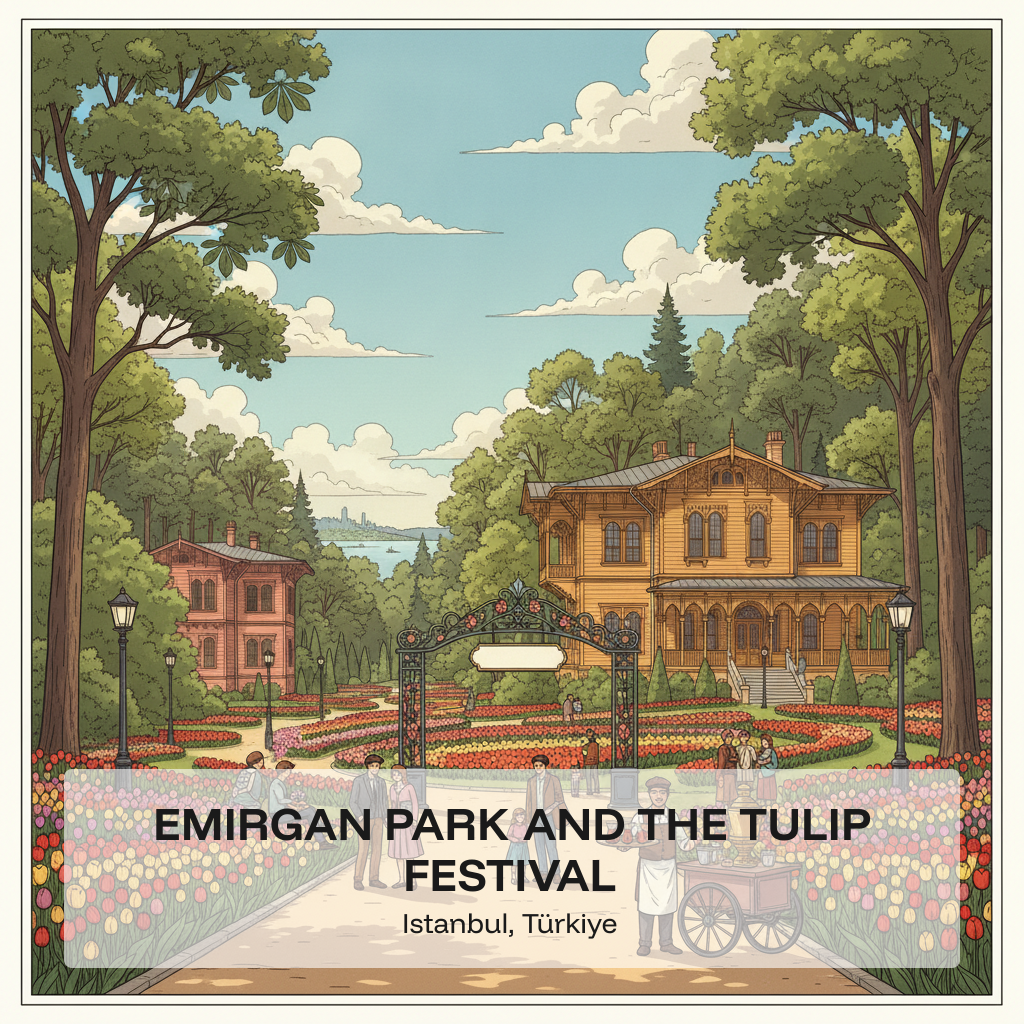
Emirgan Park (Emirgan Korusu), the large forested park on the hillside above the Bosphorus at Emirgan (approximately 11 kilometers north of Beşiktaş), is Istanbul's most famous parkland: a landscape of dense deciduous and conifer forest on the slopes above the Bosphorus, containing three preserved 19th-century wooden Ottoman villas (now tea houses and restaurants) and the largest collection of tulip varieties in Turkey. The park is the centerpiece of Istanbul's annual Tulip Festival (Lale Festivali, held every April since 2006), when approximately 3 million tulip bulbs are planted across Istanbul's public parks and Emirgan's hillsides are covered in a continuous field of red, yellow, pink, and purple tulips — a reference to the historical significance of the tulip in Ottoman culture (the 18th-century 'Tulip Era' of Sultan Ahmed III, when the Ottoman court's obsession with tulip cultivation temporarily suspended military campaigns, is considered one of the high points of Ottoman cultural life).
Walk this route with audio
Stories play automatically as you reach each stop — no tapping needed.
More in istanbul
Galata, Beyoğlu & İstiklal: Istanbul's European Soul
Sultanahmet: The Historic Heart of Istanbul
Beşiktaş, Nişantaşı and Yıldız: Istanbul's Affluent European Quarter
Princes' Islands: Istanbul's Car-Free Archipelago
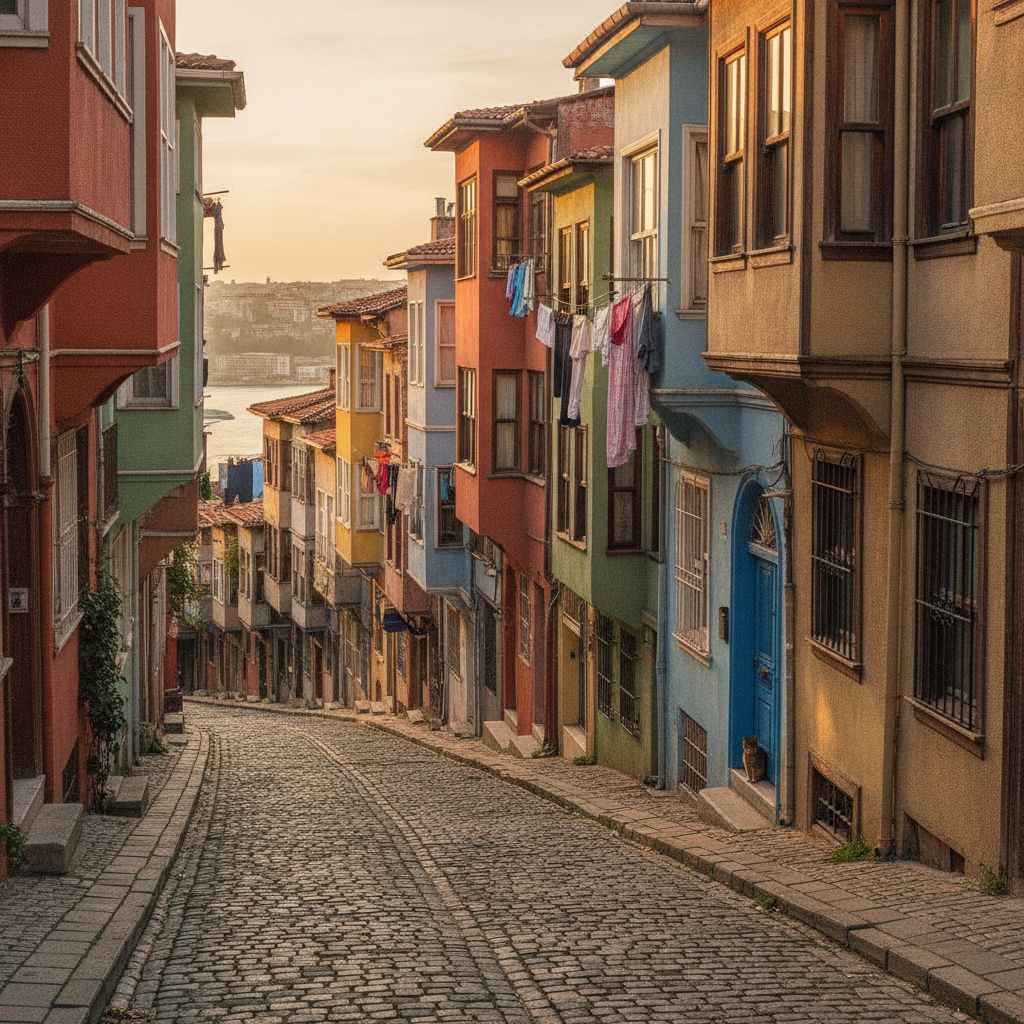
Balat, Fener and the Golden Horn