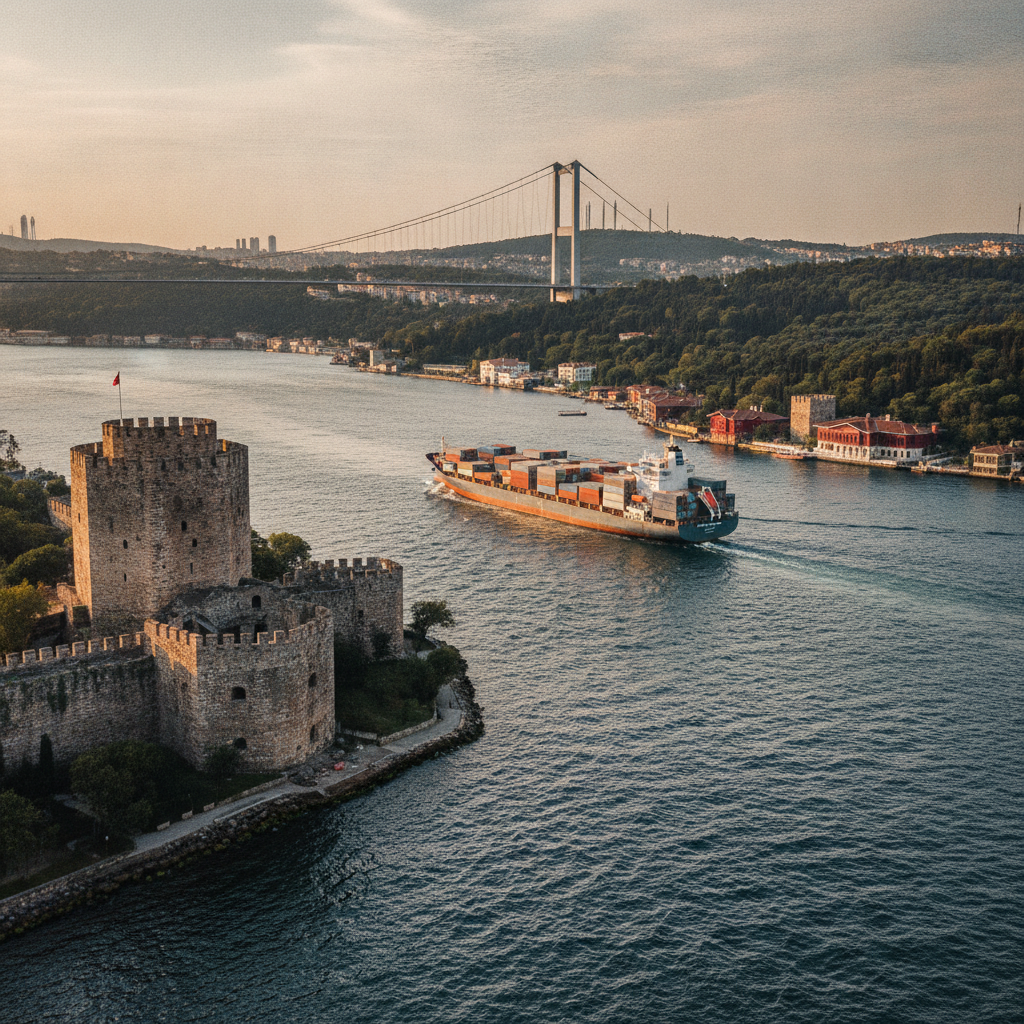
Balat, Fener and the Golden Horn
Balat and Fener, two adjacent neighborhoods on the southern shore of the Golden Horn on the western edge of the historic peninsula, are the most ethnically layered neighborhoods in Istanbul: Balat was the primary Jewish quarter of Istanbul from the 15th century (when Sephardic Jews expelled from Spain in 1492 were invited to settle by Sultan Mehmed II) until the mid-20th century; Fener was the headquarters of the Greek Orthodox Patriarchate (the Ecumenical Patriarchate of Constantinople, still the spiritual center of 300 million Orthodox Christians worldwide) and the primary residential area of Istanbul's Greek community for 500 years. Together they contain the most intact Ottoman-era residential streetscapes in Istanbul — a dense hillside of wooden Ottoman houses, Byzantine churches (several converted to mosques), the Chora Church (Kariye Mosque, containing the finest surviving Byzantine mosaics and frescoes outside Hagia Sophia), and the land walls of Theodosius II.
- 1
Balat — The Sephardic Jewish Quarter of Istanbul
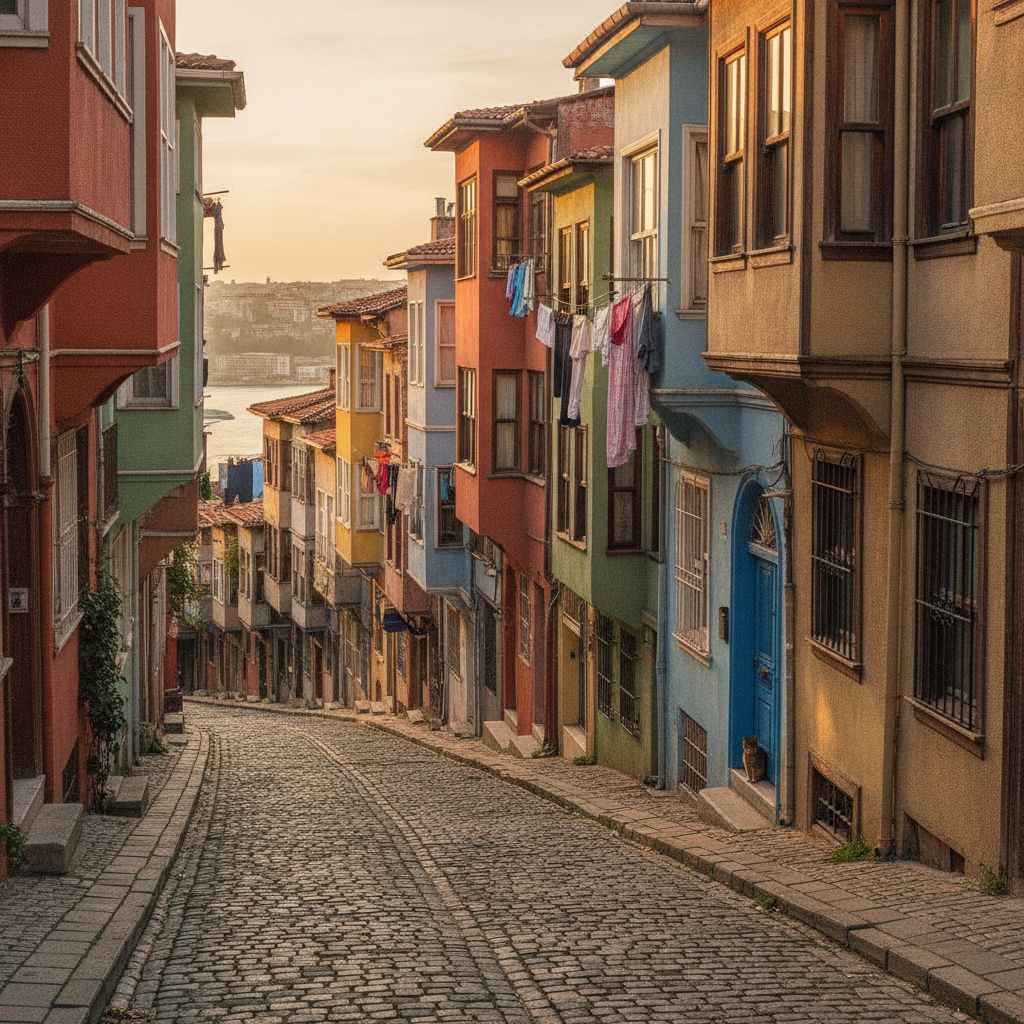
Balat, the steep hillside neighborhood on the Golden Horn shore between the Atatürk Bridge and the Fener neighborhood, was the center of Sephardic Jewish life in Istanbul from 1492 — when Sultan Beyazıt II invited the Jewish communities expelled from Spain and Portugal by Ferdinand and Isabella to settle in the Ottoman Empire, with an estimated 150,000–200,000 Jews arriving in the first generation — until the 1950s–1960s, when most of Istanbul's Jewish community emigrated to Israel following the 1934 Thrace pogroms and the 1955 Istanbul pogrom (a three-day anti-minority riot in which 37 people were killed and 4,000 properties belonging to Greeks, Armenians, and Jews were destroyed). The neighborhood today retains its pre-modern physical character almost intact: narrow cobbled streets, wooden Ottoman houses (many in various states of disrepair but some recently restored), a surviving 19th-century synagogue (Ahrida Synagogue, built in the 15th century, the oldest active synagogue in Istanbul), and a specific neighborhood character of poverty and authenticity that has made Balat a popular subject for Turkish documentary photography.
- 2
Fener — The Greek Orthodox Patriarchate District
Fener (Greek: Phanar — 'lighthouse'), the neighborhood immediately north of Balat on the Golden Horn shore, takes its name from the lighthouse that marked the entrance to the Golden Horn in the Byzantine period and gives its name to the Phanariot Greeks — the class of wealthy and influential Greek families who served the Ottoman Empire as translators, administrators, and diplomats from the 17th to 19th centuries and who lived in the elaborate mansions that once lined the steep streets of Fener. The Ecumenical Patriarchate of Constantinople, the institution that serves as the spiritual center and first among equals of the 15 autocephalous Orthodox churches worldwide, has been headquartered in the Fener neighborhood since 1601, in a complex of buildings that includes the Cathedral of St. George (the primary ceremonial church of the Patriarchate, built 1836 in a Baroque style), the Patriarchal residence, and administrative buildings.
- 3
Chora Church (Kariye Mosque) — The Greatest Byzantine Mosaics
The Church of the Holy Savior in Chora (Kariye Camii — Kariye Mosque), located in the Edirnekapı neighborhood at the base of the Theodosian land walls (approximately 2 kilometers northwest of Fener), contains the finest surviving Byzantine mosaic and fresco decoration outside Hagia Sophia: a complete program of theological narrative mosaics in the inner and outer narthex (the covered entrance porches) and frescoes in the parekklesion (the funerary chapel) commissioned by the Byzantine statesman Theodore Metochites in 1315–1321, just 130 years before the fall of Constantinople. The mosaics depict the life of the Virgin Mary and the life of Christ in a narrative style that prefigures the Italian Renaissance fresco tradition (Metochites's Chora mosaics and Giotto's Arena Chapel frescoes in Padua were created within a few years of each other) and are considered the highest achievement of Byzantine visual art in its final phase. The building has been used as a mosque since 1511 and was converted from museum status back to mosque in 2020.
- 4
Theodosian Land Walls — The Walls That Held for 1,000 Years
The Theodosian Land Walls (Kara Surları — Land Walls), the massive triple defensive wall system stretching 6.5 kilometers from the Golden Horn to the Sea of Marmara across the base of the historic peninsula, were built in 413 AD under the Byzantine Emperor Theodosius II to replace the original walls of Constantine I (which had become too small as the city expanded). The walls — consisting of an inner wall (5.7 meters thick, 12 meters high), a middle wall (2 meters thick, 8.5 meters high), a wide moat between them, and an outer moat — successfully defended Constantinople against 23 sieges from the 5th century until the Ottoman conquest in 1453 (when Mehmed II's siege cannons, including the Ottoman Supercannon cast by the Hungarian engineer Urban, finally breached them at the Edirnekapı section). The walls are UNESCO-listed and survive in varying states of repair along their full length, with towers, curtain walls, and gates still standing.
- 5
Balat Street Photography Walk — The Authentic Istanbul
The neighborhood streets of Balat, particularly the streets radiating uphill from the Golden Horn waterfront (Vodina Caddesi, Kiremit Caddesi, Leblebiciler Sokak, and the unnamed lanes connecting them), offer the most atmospheric urban walking in Istanbul outside of Sultanahmet: a neighborhood of wooden Ottoman houses in various states of preservation, steep cobbled lanes with street cats, neighborhood tea houses (çay bahçeleri) where old men play backgammon, small Greek Orthodox churches (some still active, some abandoned), surviving synagogue buildings, and the specific quality of a neighborhood that tourism has not yet fully transformed. The Balat waterfront (Balat İskele), the quayside where Golden Horn ferries still occasionally stop, provides views across the Horn to the Ayvansaray neighborhood on the opposite shore and the Ottoman land walls rising above it.
- 6
Ayvansaray and the Blachernae Palace
Ayvansaray, the neighborhood at the northern end of the Theodosian Walls where the land walls meet the Golden Horn (and historically where they joined the Byzantine sea walls running along the Horn's shore), was the site of the Blachernae Palace complex — the primary Byzantine imperial residence from the 11th century until the Ottoman conquest in 1453, preferred over the Great Palace in Sultanahmet by the Komnenos and Palaiologos dynasties. Almost nothing survives of the palace above ground (a portion of the palace walls, the 'Tekfur Sarayı' — Palace of the Sovereign — built approximately 1200–1250 and the only Byzantine secular palace to survive in Istanbul, is visible as a roofless masonry shell), but the area between the land walls, the Golden Horn shore, and the Blachernae site retains a quality of extraordinary historical layering unique even within Istanbul.
Walk this route with audio
Stories play automatically as you reach each stop — no tapping needed.
More in istanbul
Galata, Beyoğlu & İstiklal: Istanbul's European Soul
Sultanahmet: The Historic Heart of Istanbul
Beşiktaş, Nişantaşı and Yıldız: Istanbul's Affluent European Quarter
Princes' Islands: Istanbul's Car-Free Archipelago
Fatih and the Faith Mosque: Conservative Istanbul