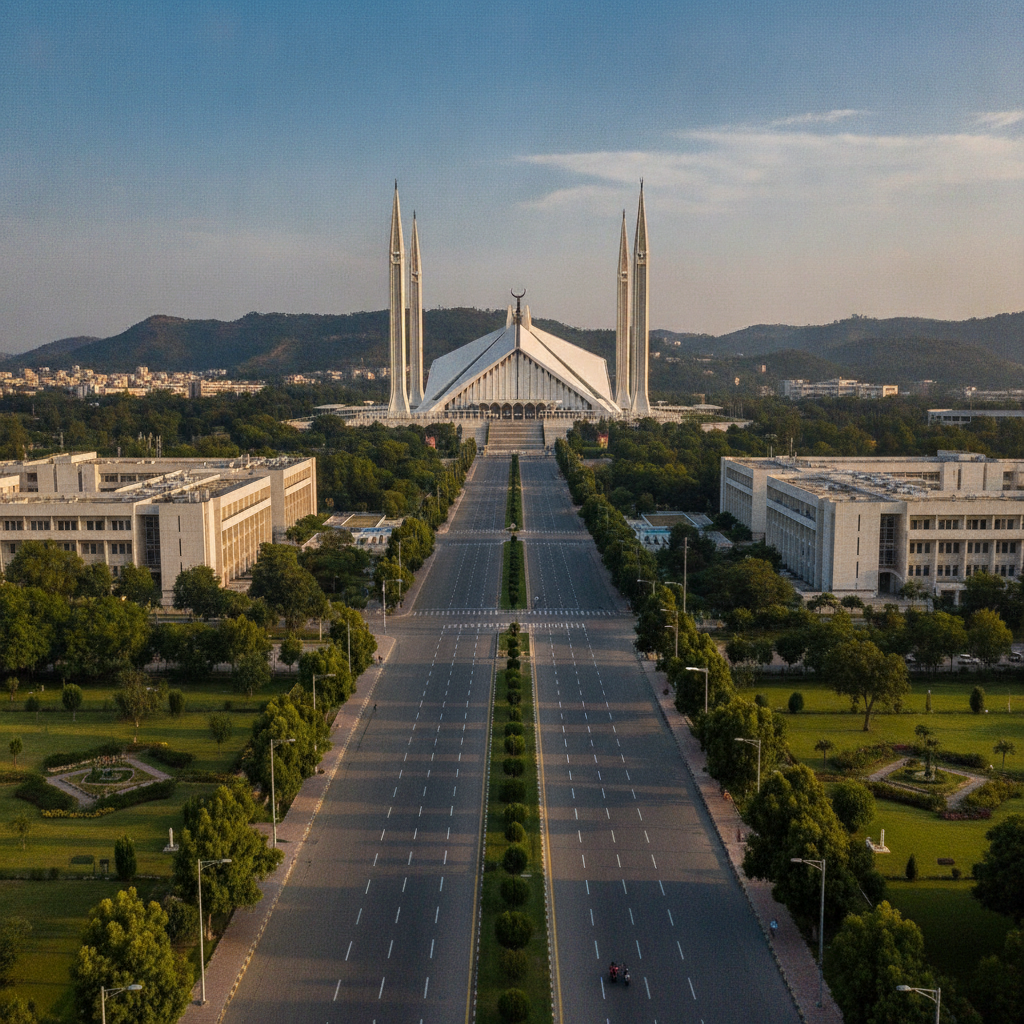
Islamabad to Abbottabad and Nathiagali Mountain Valley
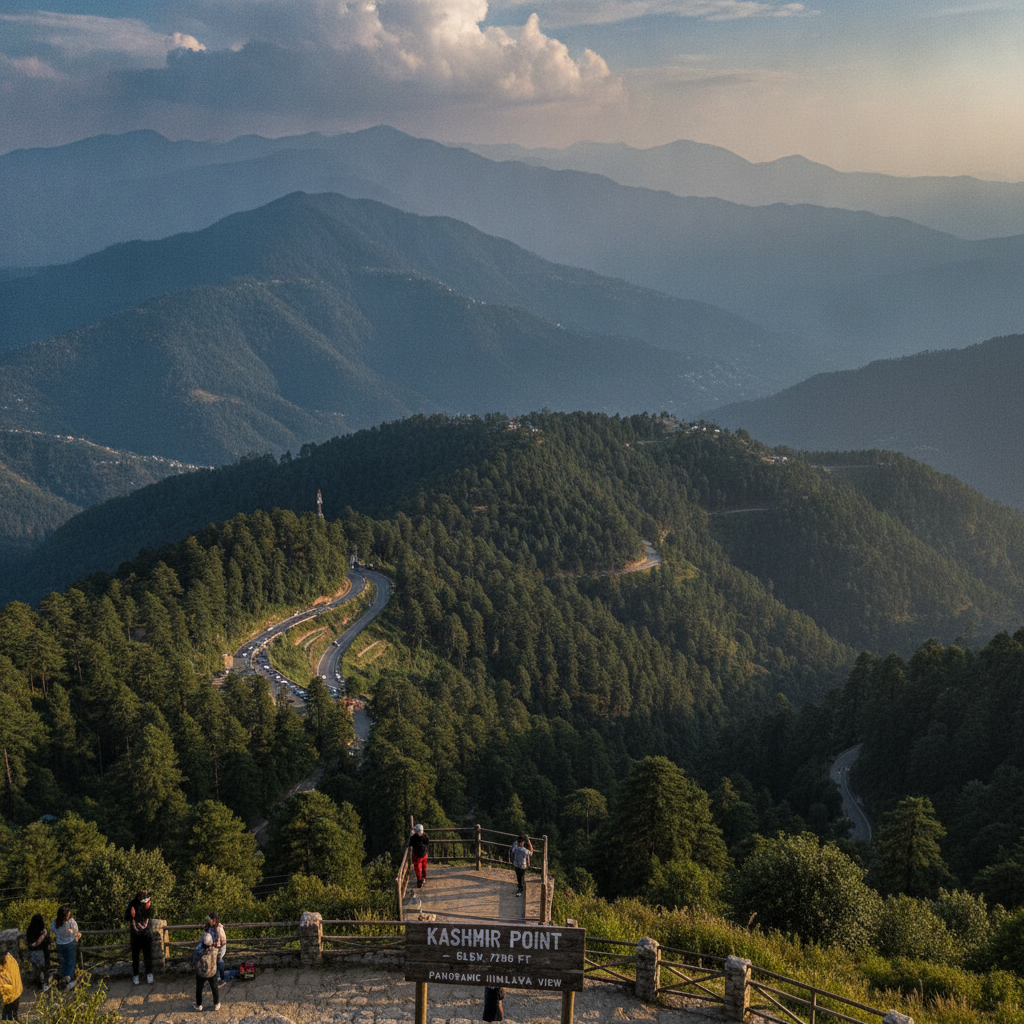
Drive north from Islamabad into the pine-covered Galyat range to Nathiagali — the colonial hill station at 2,500 meters where walking trails through deodar cedar forest lead to viewpoints with Himalayan panoramas, continuing to Abbottabad in the Orash valley, the pleasant garrison town famous in unlikely ways as the last hiding place of Osama bin Laden.
- 1
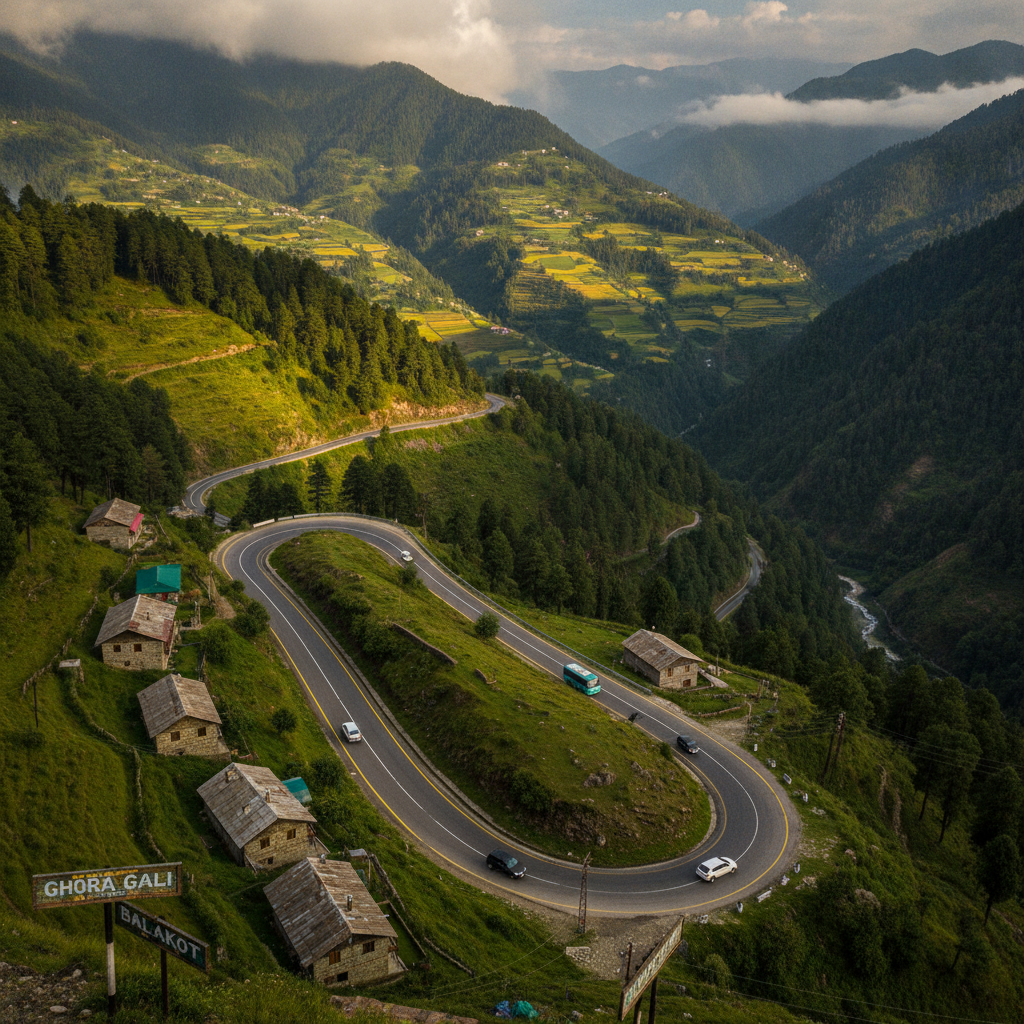
Murree to Nathiagali Road
The winding road from Murree through the Galyat hill stations — passing Ghora Gali, Changla Gali, and the succession of small hill resorts on the ridge, the road running along the watershed between rivers flowing west to the Indus and east toward the Kashmir valleys.
- 2
Nathiagali Forest Walk
The forest walks from Nathiagali through the old-growth deodar cedar stands — the trees centuries old, the forest floor carpeted with needles, the bird life including the Himalayan monal pheasant whose iridescent plumage flashes through the undergrowth, the walks ranging from easy ridge trails to longer forest descents.
- 3
Mukshpuri Summit Trail
The trail from Nathiagali to the Mukshpuri summit at 2,787 meters — a half-day hike through forest giving way to alpine meadow, the summit providing one of the finest accessible views in the Pakistani Himalayan foothills, the Nanga Parbat massif visible on clear days to the north.
- 4
Ayubia National Park
The small national park around Nathiagali protecting the Galyat forests — the habitat of the elusive leopard, the Kashmir musk deer, and the rich bird life of the Himalayan foothill forest zone, the park a conservation success in a landscape heavily pressured by hill station development.
- 5
Abbottabad City
Descend to Abbottabad in the broad Orash valley — the pleasant garrison town established by Major James Abbott in 1853, the tree-lined cantonment streets and the Kakul Military Academy giving the town its unhurried character before it became suddenly world-famous in May 2011.
- 6
Irem Chowk and Havelian Road
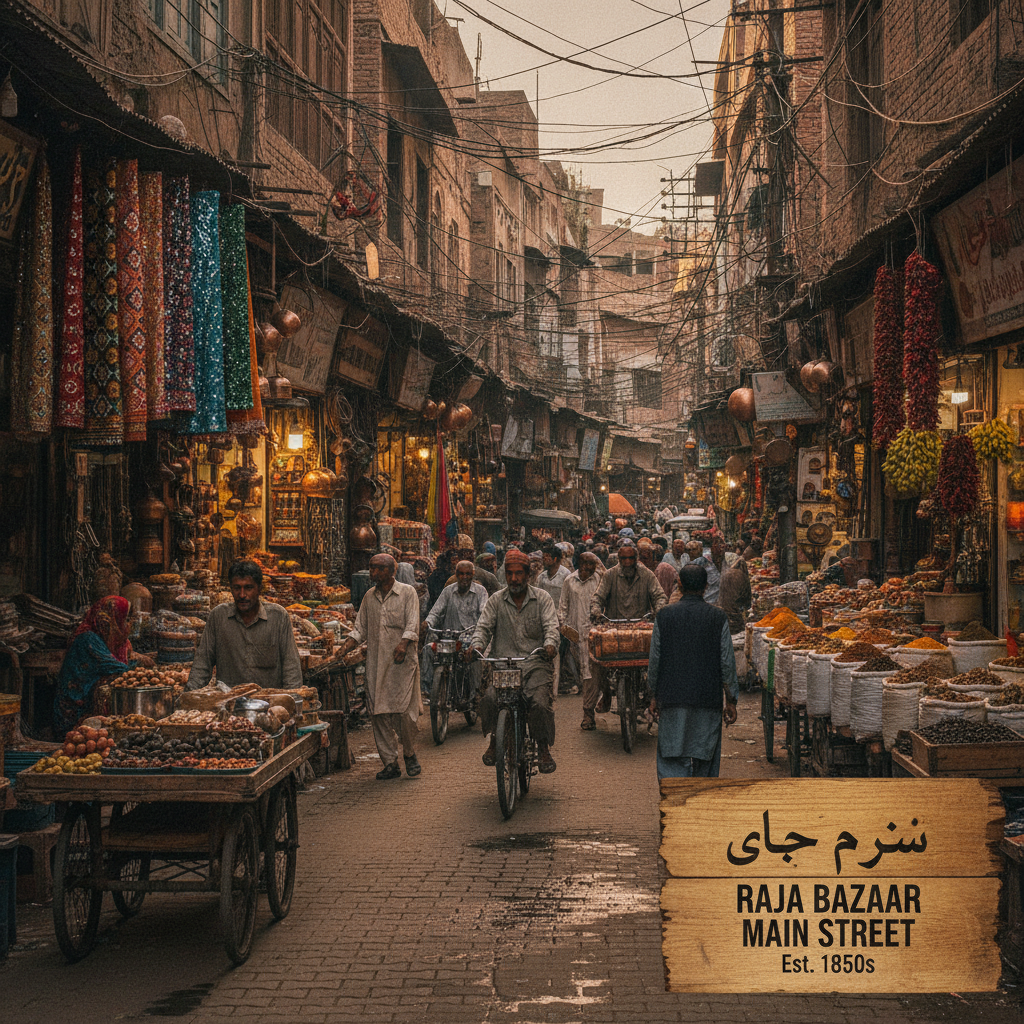
The main commercial area of Abbottabad where the town's local character is most evident — the Hazara region's culinary traditions in the food stalls, the mixed Pashtun and Hazara ethnic composition of the surrounding valleys, and the sense of a comfortable provincial town between the mountains and the plains.
Walk this route with audio
Stories play automatically as you reach each stop — no tapping needed.