Norte Grande Archaeology: The Gigante de Atacama Geoglyph, Pisagua Historical Port, the Atacama Salt Flat, and the Pre-Hispanic Cultural Landscape
The Norte Grande archaeology route covers the Gigante de Atacama as the largest single pre-Hispanic anthropomorphic geoglyph in the world at 86 meters height, Pisagua as the most historically layered single small port in northern Chile combining pre-Hispanic, colonial, nitrate-era, and political imprisonment history, and the Atacama interior as the most archaeologically rich single desert landscape in South America.
- 1
Gigante de Atacama: The World's Largest Geoglyph
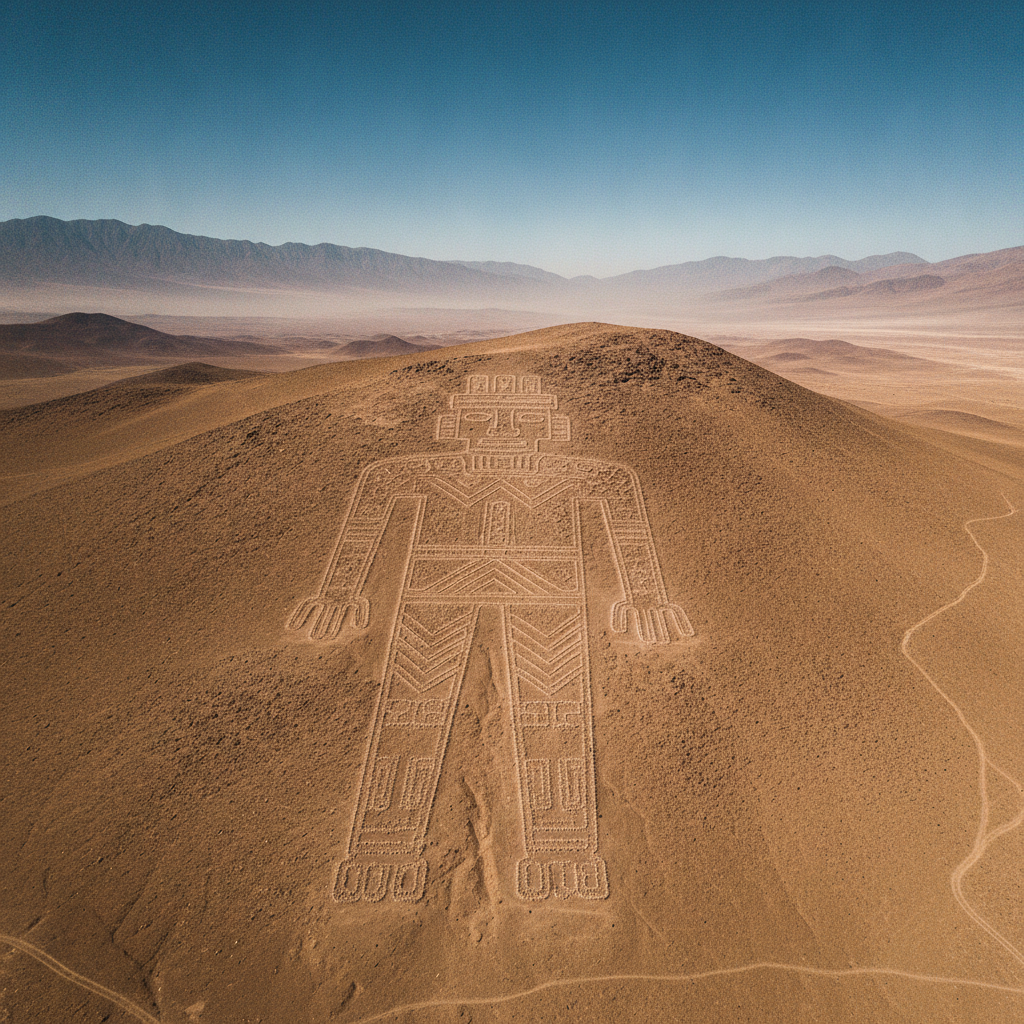
The Gigante de Atacama on the Cerro Unita hillside 84 kilometers northeast of Iquique is the largest single pre-Hispanic anthropomorphic geoglyph in the world at 86 meters height, depicting a human figure with a square head, outstretched arms, and elaborate headdress that researchers interpret as the most significant single Tiwanaku-influenced astronomical calendar marker in the Atacama Desert, with the figure's alignment to lunar cycles making it the most precisely oriented single pre-Hispanic ritual landscape in northern Chile. The remote desert setting, the scale visible from the highway below, and the interpretive center create the most archaeologically significant single day-excursion from Iquique.
- 2
Pisagua: The Historic Northern Port
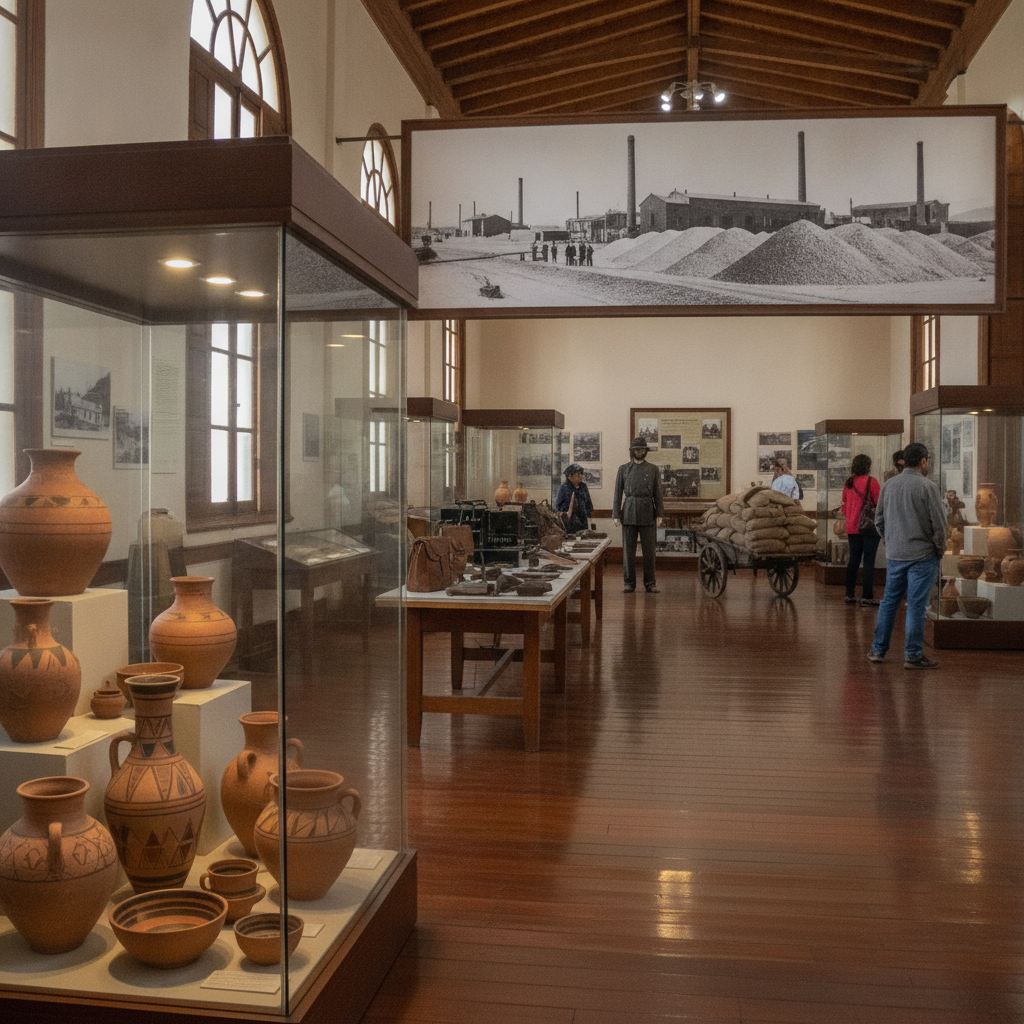
Pisagua, the remote small port town 100 kilometers north of Iquique accessible by a dramatic cliff road descending to the Pacific, is the most historically layered single settlement in northern Chile, serving as a major nitrate-era port, the site of a decisive 1879 War of the Pacific naval battle, a 1907 labor strike prison, and most notoriously as a political detention and execution site during the 1973-1990 military dictatorship where the most documented single mass grave in northern Chile was discovered in 1990. The Victorian theater, the clocktower, the cemetery with mass graves, and the perfectly preserved nitrate-era townscape create the most emotionally complex single heritage experience in the Norte Grande.
- 3
Quebrada de Tarapacá: The Oasis Valley
Quebrada de Tarapacá, the oasis canyon 50 kilometers east of Iquique with the colonial town of Tarapacá at its center, is the most historically significant single oasis settlement in the Chilean Norte Grande as the location of the 1880 Battle of Tarapacá where Chilean forces defeated a Peruvian-Bolivian counterattack during the War of the Pacific, and as the most continuously inhabited single pre-Hispanic oasis village in the Atacama Desert with occupation documented from 600 CE to the present. The colonial church of San Lorenzo de Tarapacá (1717), the village market, and the pre-Hispanic agricultural terraces on the canyon walls create the most historically layered single oasis experience accessible from Iquique.
- 4
Mamiña Hot Springs: The Andean Thermal Resort
Mamiña, the Atacameño village at 2,730 meters elevation 74 kilometers northeast of Iquique, is the most historically significant single hot spring resort in northern Chile, with thermal waters used by pre-Hispanic Atacameño communities for the most extended single therapeutic tradition in the Norte Grande and currently operating the most rustic and atmospherically authentic single thermal bathing experience accessible from Iquique. The village's colonial church of San Marcos, the Atacameño-style adobe architecture, the pre-Hispanic cemetery, and the landscape of irrigated terraces in the most extreme single desert oasis in the Chilean highland create the most culturally and therapeutically complete single highland excursion from Iquique.
- 5
Salar de Huasco: The Highland Salt Flat
Salar de Huasco, the 6,000-hectare Ramsar-protected salt flat at 3,790 meters elevation 200 kilometers east of Iquique on the Chilean altiplano, is the most biologically diverse single high-altitude wetland in the Norte Grande region, hosting the most concentrated single population of all three flamingo species (Chilean, Andean, and James's flamingo) found in Chile in the most dramatically high-altitude single salt lake landscape accessible by road from Iquique. The surrounding altiplano bofedales (high-altitude peat bogs), the vicuña herds, and the Andean condors create the most complete single altiplano wildlife experience in the Tarapacá Region.
- 6
Colchane: The Bolivian Border Crossing
Colchane, the remote altiplano village at 3,700 meters on the Chilean-Bolivian border 240 kilometers east of Iquique, is the most culturally distinctive single border community in northern Chile as the principal land crossing point for the most significant single migration corridor between Bolivia and Chile and the market town serving the most isolated single Aymara agricultural communities in the Chilean altiplano. The Colchane-Chungará border crossing, the Salar de Coipasa visible across the border into Bolivia, and the altiplano landscape of the most remote single populated area in the Tarapacá Region create the most frontier-atmospheric single experience accessible by road from Iquique.
Walk this route with audio
Stories play automatically as you reach each stop — no tapping needed.
More in Iquique
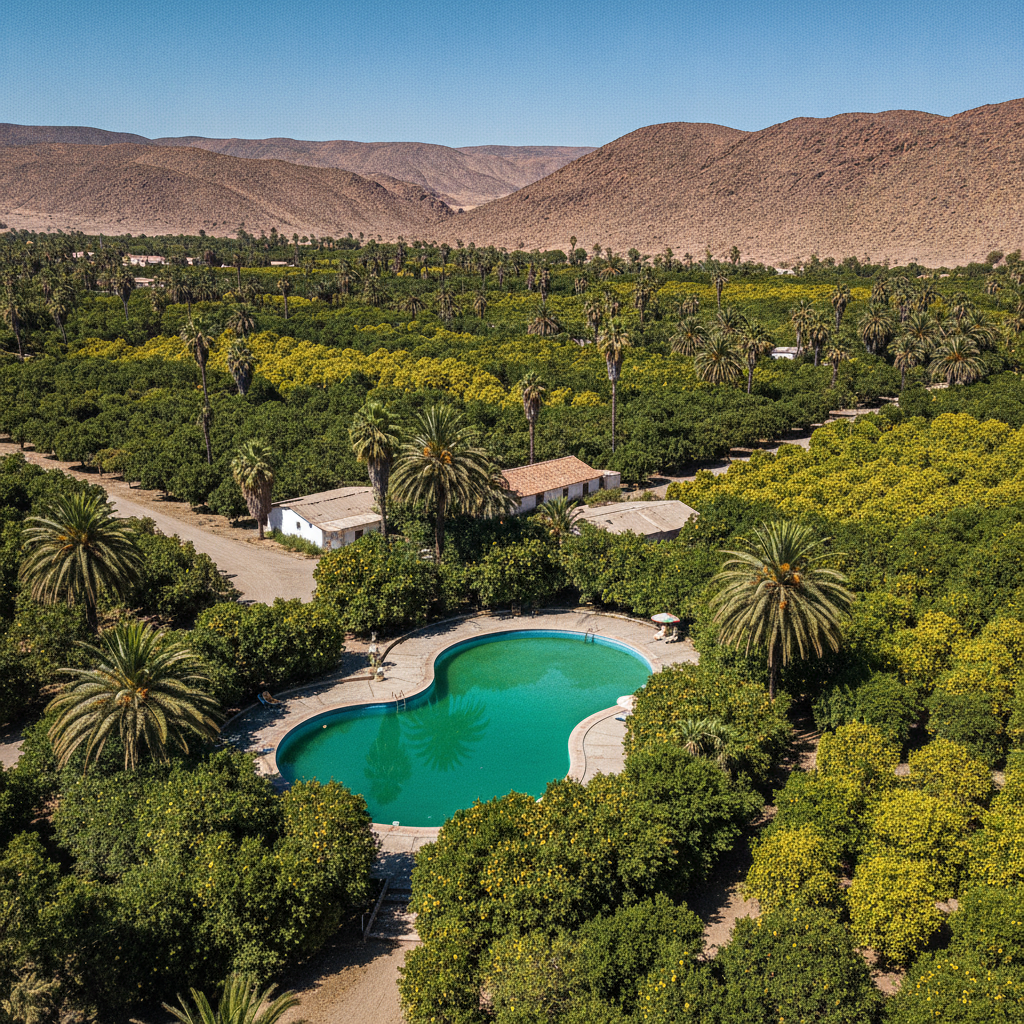
Pica Oasis Day Trip: The Desert Spring Pool, Matilla Colonial Village, the Citrus Orchards, and the Norte Grande Highland Circuit
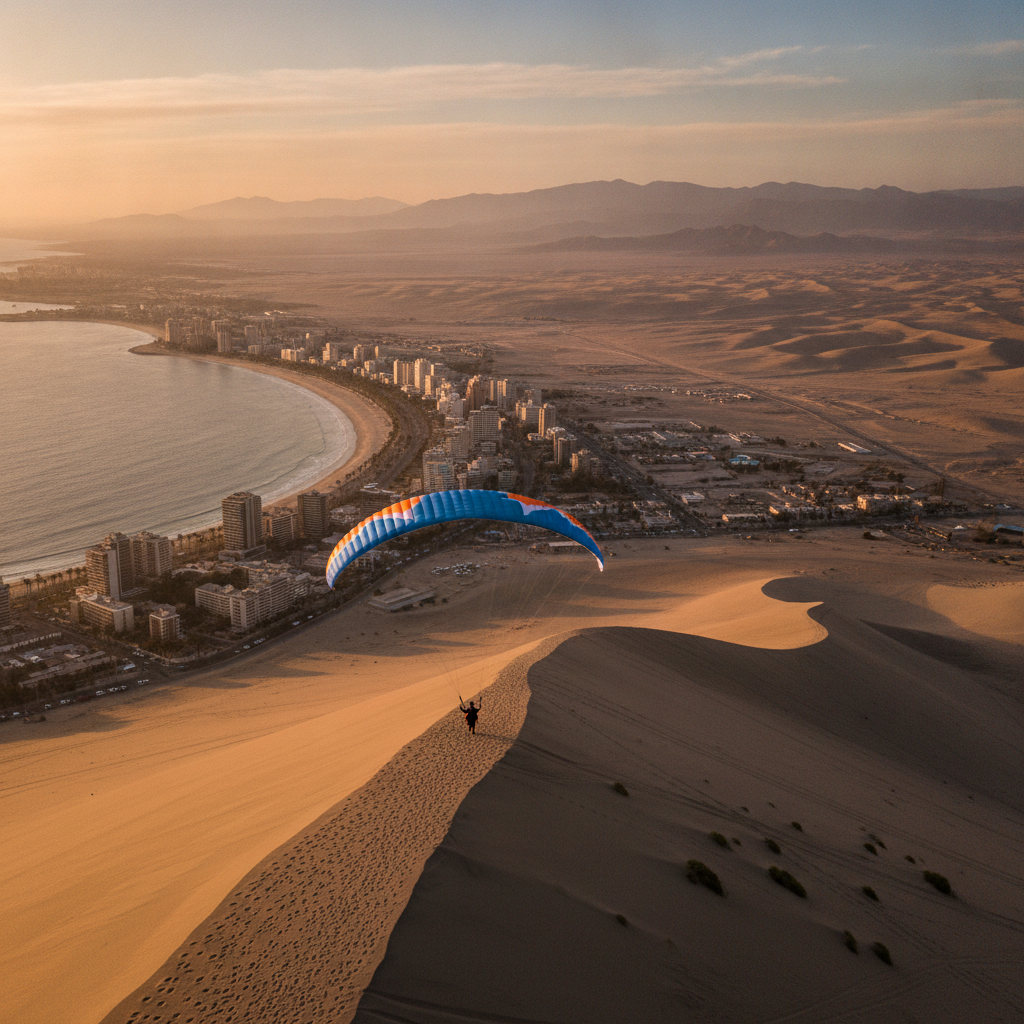
Iquique Adventure Sports: Sandboarding, Paragliding, Desert Trekking, Surfing, and the Atacama Outdoor Circuit
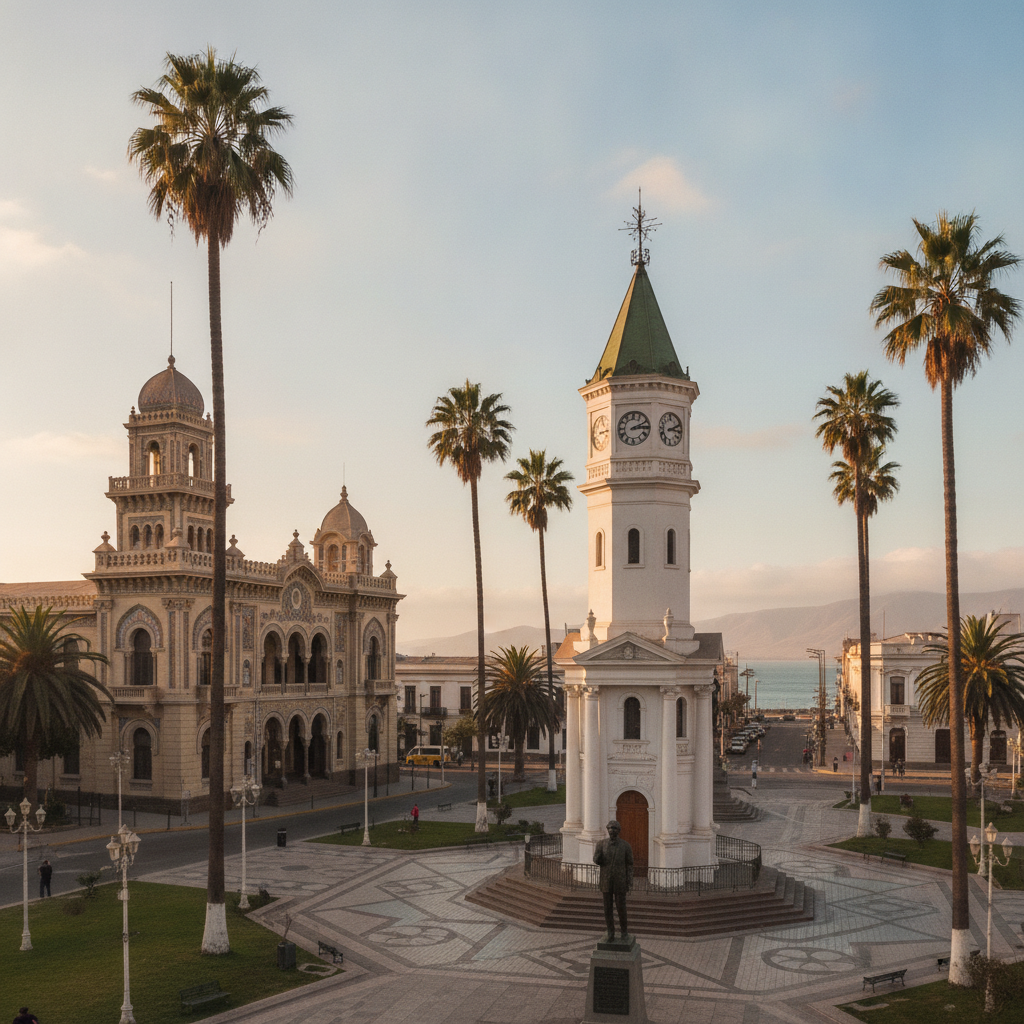
Iquique Historic Center: Plaza Prat, the Clocktower, the Casino Español, and the Georgian-Era Nitrate Boom Architecture
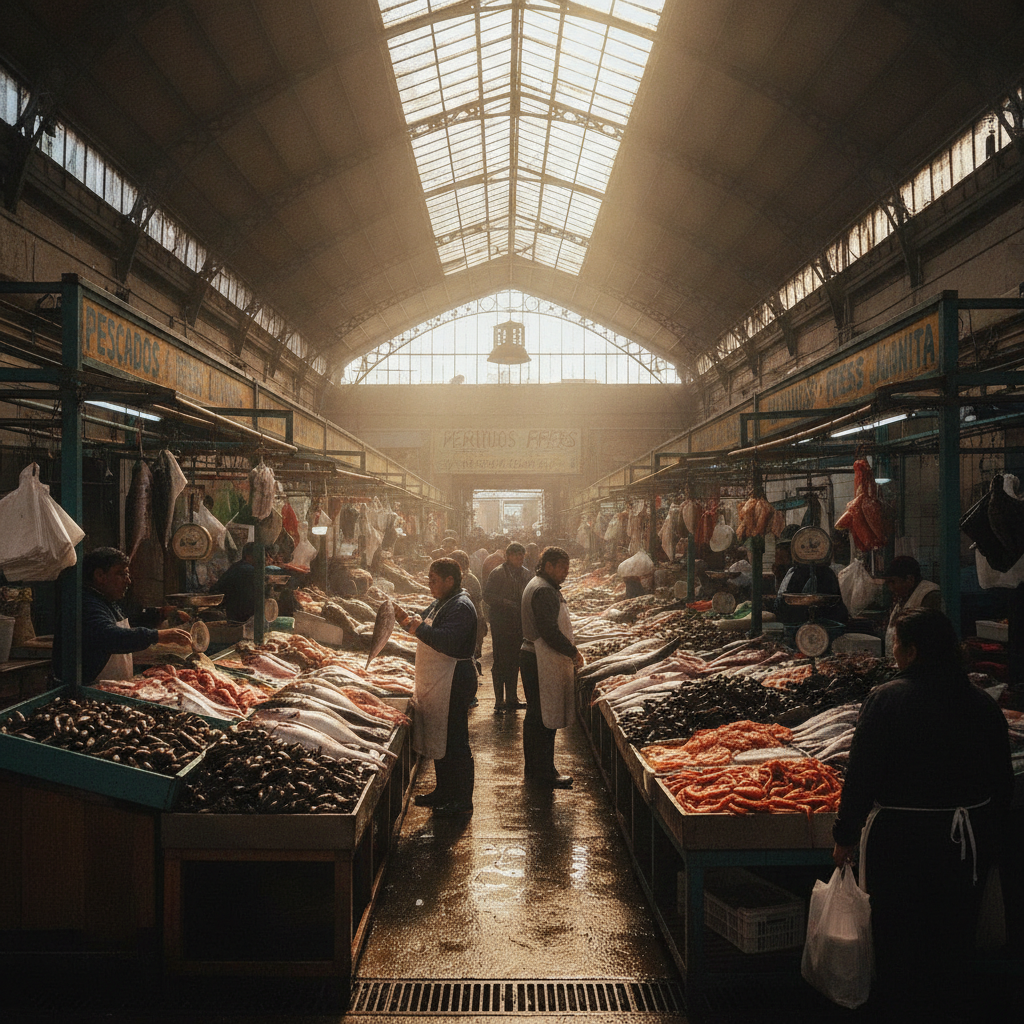
Iquique Food Culture: The Mercado Centenario, Pacific Seafood, Peruvian-Chilean Fusion Cuisine, and the Norte Grande Food Identity
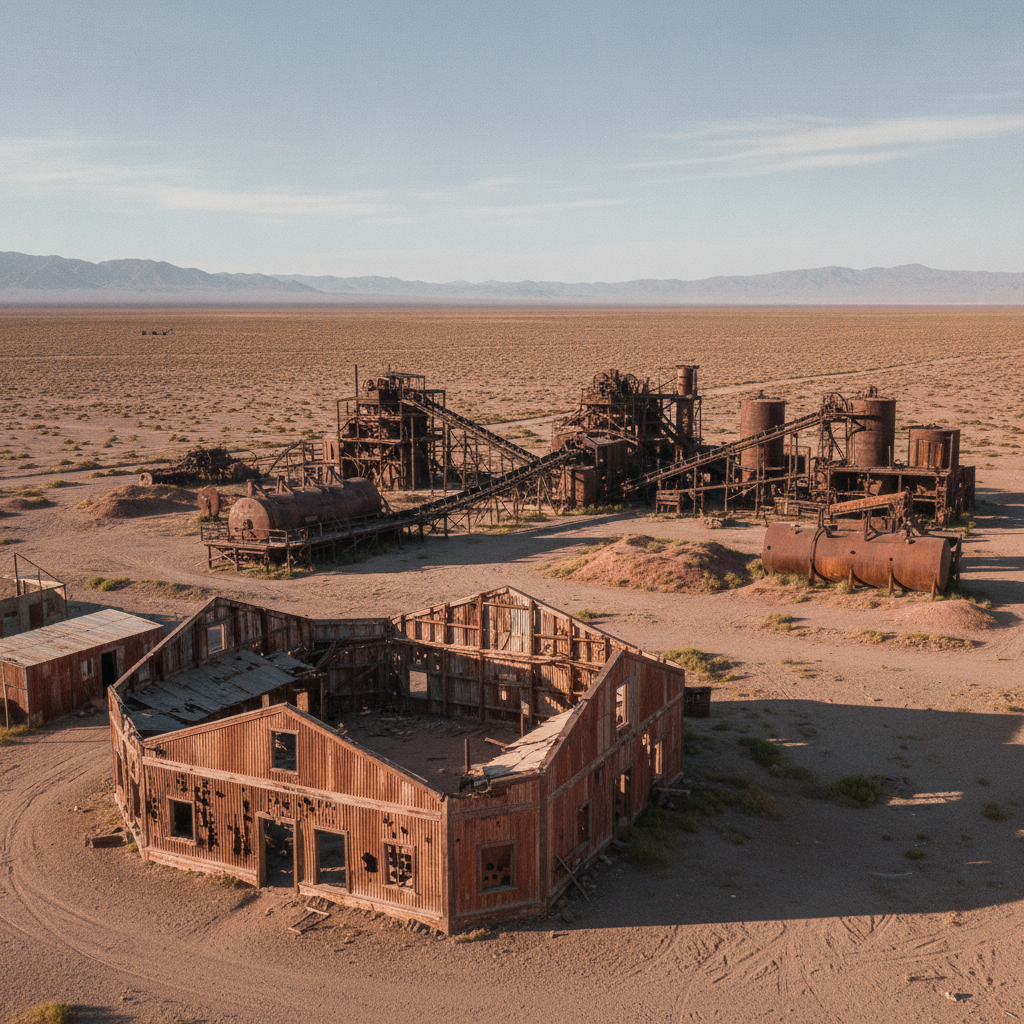
Humberstone and Santa Laura: The UNESCO Nitrate Ghost Towns, the Pampa del Tamarugal, and the Atacama Saltpeter Desert