Interlaken Practical — the Ballenberg Museum, Bernese Food & Swiss Alpine Seasons
Beyond the mountain railways, Interlaken's practical visitor experience includes the Ballenberg folk museum, the Bernese culinary traditions, the adventure sports, and the most concentrated access to the Swiss Alps of any single town.
- 1
Ballenberg Open Air Museum — 100+ Swiss Buildings
Freilichtmuseum Ballenberg (15km east of Interlaken at Hofstetten bei Brienz, accessible by SBB to Brienz then bus, CHF 32 adults April-October 10am-5pm, the most comprehensive Swiss folk museum in the country): the buildings (100+ authentic Swiss rural buildings relocated from all 26 cantons — the Bernese timber farmhouses, the Valais stone houses, the Appenzell shingled roofs, the Basel tiled town houses, each furnished with period objects and staffed by costumed craft demonstrators), the craft demonstrations (the cheese-making, the linen weaving on 18th-century looms, the wood-carving, the Appenzell embroidery, the blacksmith forge, and the 19th-century bakery — the most educationally complete Swiss folk craft programme), the animals (the Eringer fighting cattle, the Appenzell Spitzhauben chickens, the Saanen dairy goats, and the Freiberger horses on the historic paddocks), the farm restaurant (the Bernese Rösti, the cheese soup, and the Bernese Platte cold meat platter at CHF 18-28), and the Brienz village (the wood-carving village adjacent to Ballenberg — the Brienz school of wood-carving the most historically significant craft school in the German-speaking Alps, the carved figures sold in the village at CHF 20-500).
- 2
Bernese Food Culture — Rösti, the Platte and Alpine Dairy
Bernese cuisine (the most robustly Alpine of the Swiss cantonal food traditions): the Bernese Platte (the cold meat platter — the Bündnerfleisch air-dried beef, the Bernese Speck smoked pork belly, the dried Hauswurst farmhouse sausage, and the Siedwurst boiled sausage with the bread, pickled onions, and Bernese mustard at CHF 22-30 per person), the Rösti (the Bernese version with the fried egg and the Speck pieces, the most calorie-dense Swiss dish, the correct post-hiking lunch at CHF 14-18 at the mountain restaurants), the Bernese Haselnusskuchen (the hazelnut tart with the marzipan filling, the most specifically Bernese baked product and the most recommended edible souvenir at CHF 5-10), the Emmental cheese (the Emmental valley 40km north of Interlaken the origin of the Swiss cheese with the holes — the Emmentaler AOP the most internationally recognized Swiss cheese at CHF 3-5 per 100g at the Interlaken market — the Emmental Open Farm at Affoltern the most visited Swiss cheese-making destination for the tourist, accessible by PostBus from Burgdorf station) and the Schuh restaurant (the most historically established Interlaken restaurant since 1818, the Swiss cuisine menu at CHF 35-55 per main, the most architecturally impressive restaurant in the Höheweg district).
- 3
The Niesen — the Swiss Pyramid
Niesen (the 2,362m perfectly triangular mountain above Lake Thun's southwest shore, accessible from Interlaken by SBB to Mülenen then the Niesenbahn funicular at CHF 55 adults return): the funicular (the 3.7km funicular — the longest continuous stairway funicular in the world — ascending 1,669m in 30 minutes, the most vertically dramatic funicular ascent in Switzerland), the summit (the 360-degree panorama: Lake Thun and Lake Brienz visible simultaneously, the Jungfrau massif to the east, the Swiss Mittelland to the north, the Rhône valley direction to the south), the Niesenlauf (the annual footrace up the 11,674 maintenance steps from base to summit in June, the most steps of any Swiss mountain staircase race), the Spiez Castle (the Schloss Spiez at the lake shore below the Niesen, the 3-stage medieval castle at 1190 CE on the Lake Thun promontory, accessible by lake steamer from Interlaken West in 45 minutes, CHF 10 adults for the castle interior May-October) and the Spiez wine (the Spiez AOC Riesling-Sylvaner from the Lake Thun hillside vineyards below the Niesen, the most distinctive Bernese Oberland white wine, available at the Schlossgut Spiez winery at CHF 15-22 per bottle).
- 4
The Bernese Oberland in Winter — the Big 3 Ski Resorts
Bernese Oberland skiing (the most historically significant ski terrain in the Alps): Grindelwald/First (110km of ski runs from the Jungfraujoch 3,454m to the Grindelwald valley 1,034m, the ski pass CHF 82 adults per day), Mürren/Schilthorn (53km of specialist runs in the car-free village, the Inferno race the most vertical ski race in the world at 2,170m descent, held January, the ski pass CHF 72 adults per day), Wengen/Lauberhorn (the Lauberhorn downhill race — the most watched single alpine ski race in the world since 1930, 44km of runs, the ski pass CHF 68 adults per day), the joint Bergbahnen Oberland pass (CHF 72 adults per day or CHF 325 for 5 days covering all 3 areas — the most cost-effective skiing in the Bernese Oberland) and the winter non-ski activities (the 50km Winterwanderwege packed snow hiking paths in the Grindelwald area, the snowshoeing from Kleine Scheidegg, the First toboggan run 1.5km, and the Grindelwald-First ski area terrain park — the most complete winter non-ski programme in the Bernese Oberland).
- 5
Paragliding and Adventure Sports from Interlaken
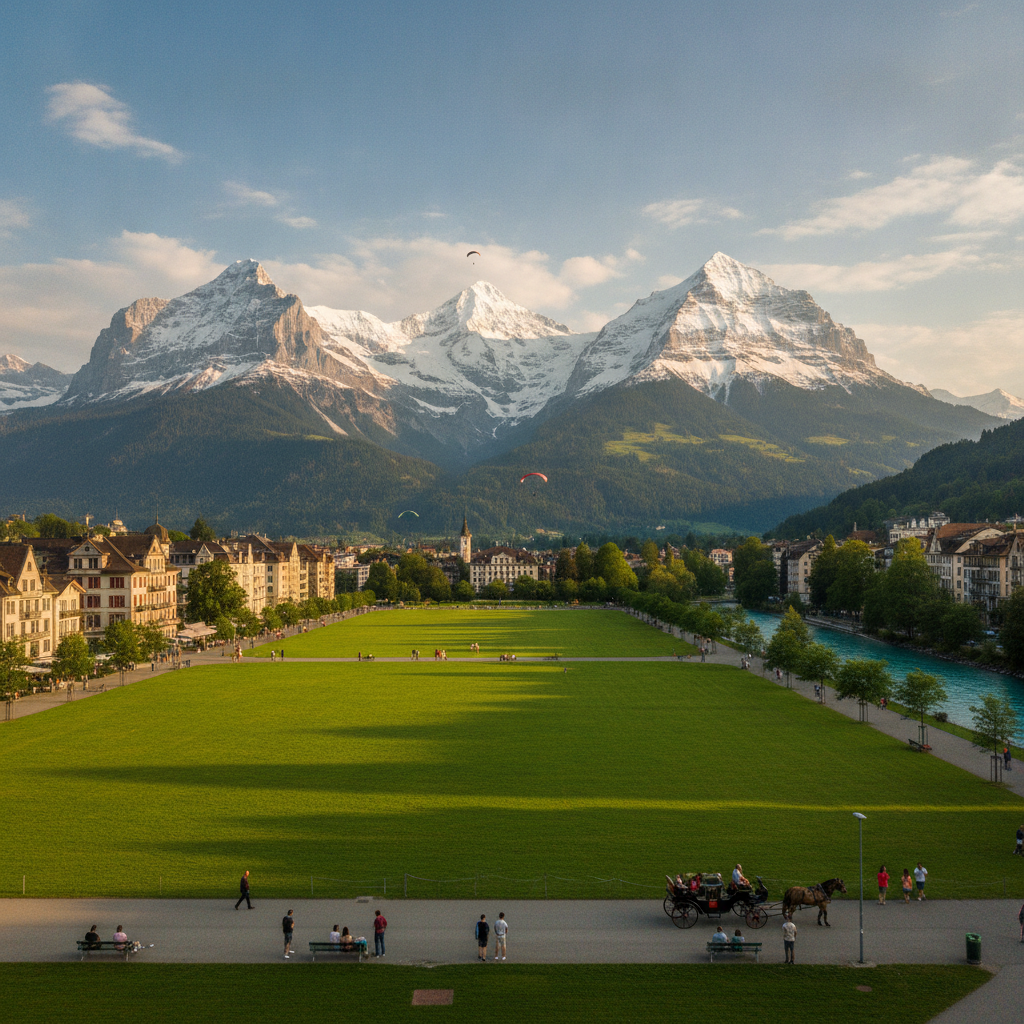
Interlaken adventure sports (the most concentrated adventure capital in the Alps — every major outdoor adrenaline activity available from the town centre): tandem paragliding (the 20-30 minute flight from the Beatenberg or Saxeten launch sites at 1,300m, returning to the Interlaken landing field, the Jungfrau massif aerial view the most spectacular alpine flight perspective in Switzerland, CHF 170-220 per person at paragliding-interlaken.ch — booking 24 hours in advance essential in July-August), the canyon swing (the world's largest at the Glacier Canyon above Grindelwald — 90m free-fall pendulum swing at CHF 145-195 per person at canyonadventures.ch), canyoning (the Saxetbach or Chli Schliere canyon descent, 3-4 hours, CHF 109-149 at outdoor-interlaken.ch including the wetsuit and the guide), the bungee jump (the 134m jump from the Stockhorn cable car station at CHF 195 at grindelwald-bungee.com) and white-water rafting (the Lütschine River rafting from the Grindelwald confluence to the Interlaken town, the 3-hour class 3-4 rafting through the Bernese Oberland valley at CHF 99-129 per person — the most scenically specific river rafting in the Alps with the Jungfrau massif as the background to every downstream view).
- 6
Interlaken Practical — Seasons, Budget and Getting There
Interlaken practical guide: seasons (Summer June-September the primary season for hiking, paragliding, and lake swimming; Winter December-March for skiing at the Big 3 resorts; Spring April-May for the wildflower meadows on the Schynige Platte at the lowest visitor density; Autumn October for the most affordable accommodation at CHF 80-150 per night versus the CHF 150-250 summer peak), budget strategy (the Jungfraujoch Early Bird ticket at CHF 155 versus the standard CHF 215 — book the first morning train from Grindelwald; the Bernese Oberland Regional Pass at CHF 195 for 3 days the most cost-effective for 2+ mountain excursions; the Interlaken youth hostel at Untere Bönigstrasse 3 at CHF 40-70 per night the most affordable base; the self-catering option — the Migros supermarket at Marktgasse 57 the most affordable Interlaken food source at CHF 5-15 per prepared meal), getting there (the SBB train from Bern to Interlaken Ost in 55 minutes at CHF 18, from Zurich 2 hours at CHF 50, from Geneva 2.5 hours at CHF 68 — all connections via the Bern hub; the Interlaken West station for the Lake Thun steamer and the Thun connections, the Interlaken Ost station for the Bernese Oberland mountain railways and the Lake Brienz steamer), the weather (the Jungfraujoch cloud cover checker at jungfrau.ch/webcam the most important planning tool — the summit in cloud 40-50% of summer days, the forecast 48 hours ahead the most reliable planning window) and the Swiss Travel Pass (the 3-day pass at CHF 244 covering the SBB train to Interlaken, the lake steamers, the BOB and BLS connections, and the 50% discount on the Jungfraujoch and the Schilthorn — the most cost-effective entry document for the visitor starting from Zurich or Geneva).
Walk this route with audio
Stories play automatically as you reach each stop — no tapping needed.
More in interlaken
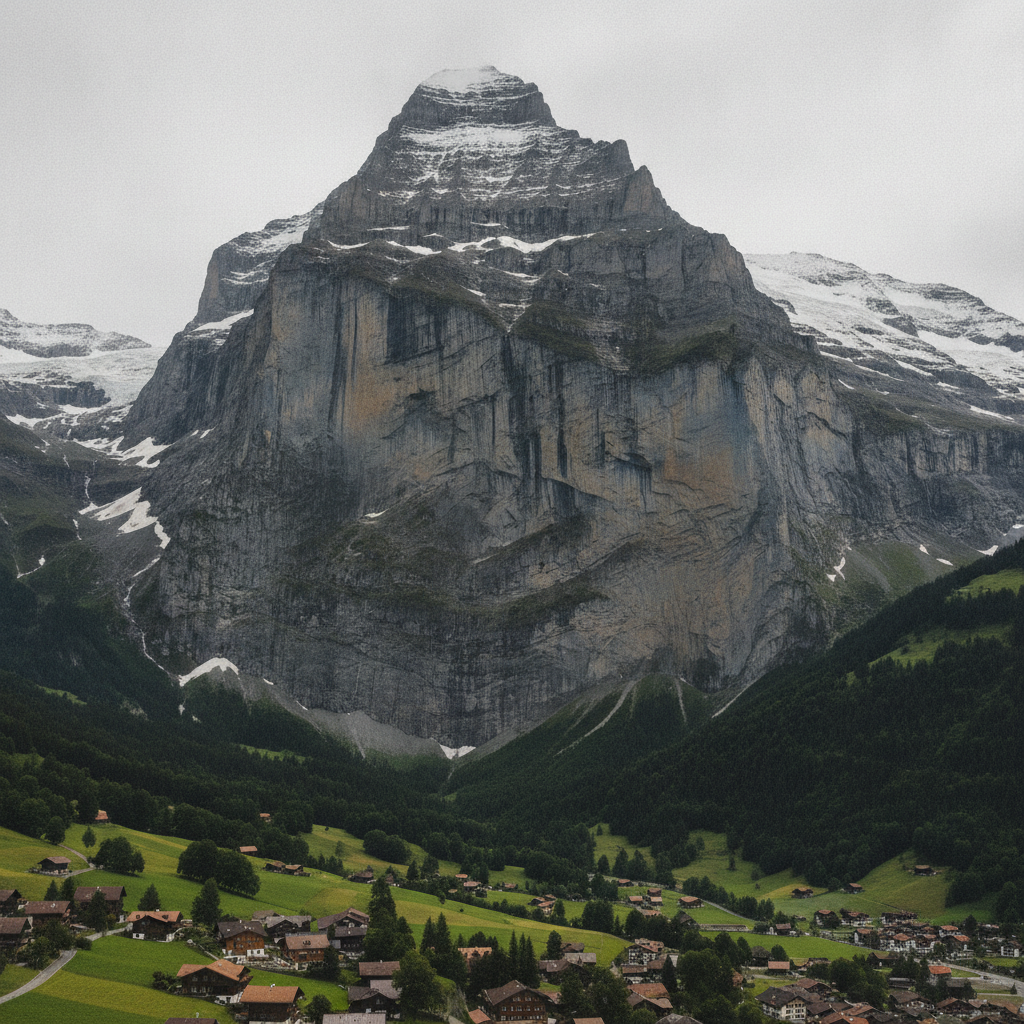
Grindelwald — the Eiger North Face, the Lauberhorn Race & the Alpine Village Culture
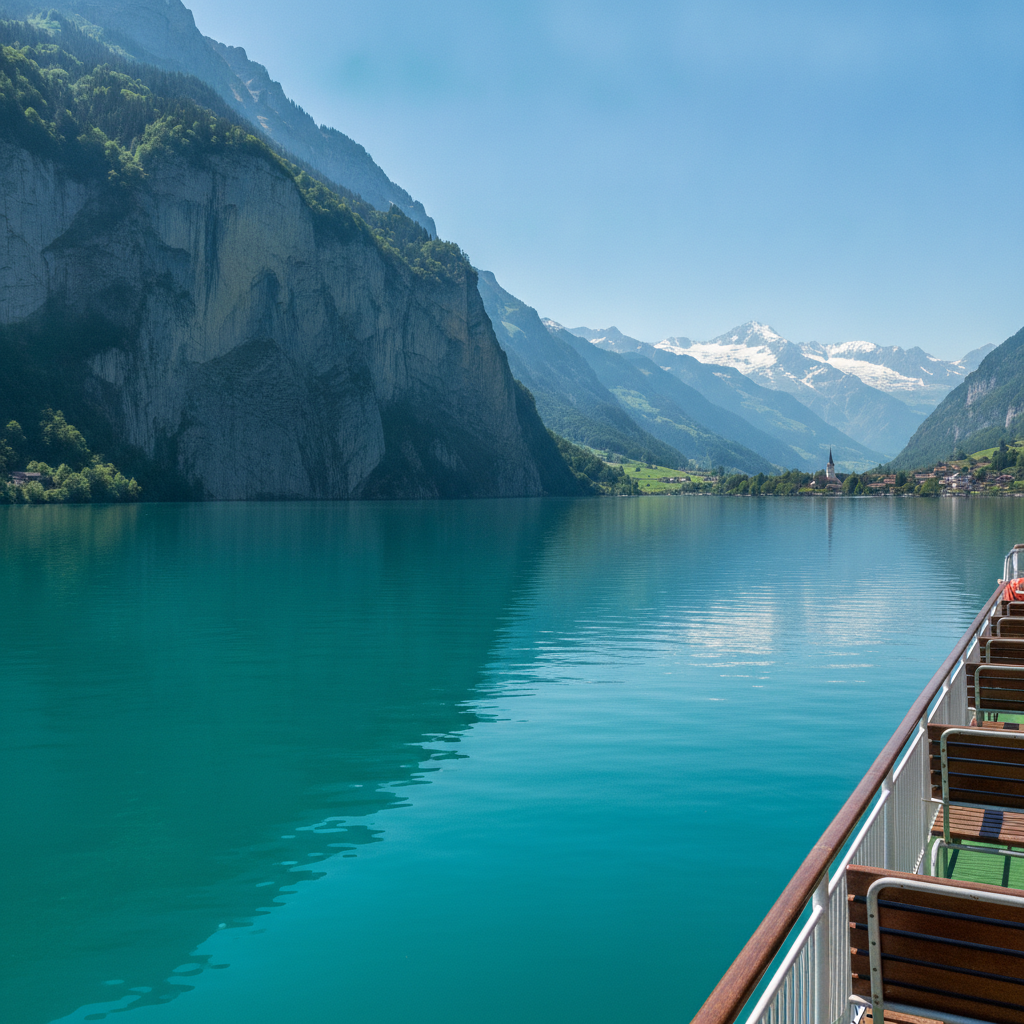
Interlaken's Two Lakes — Lake Thun, Lake Brienz & the BLS Steamer Circuit
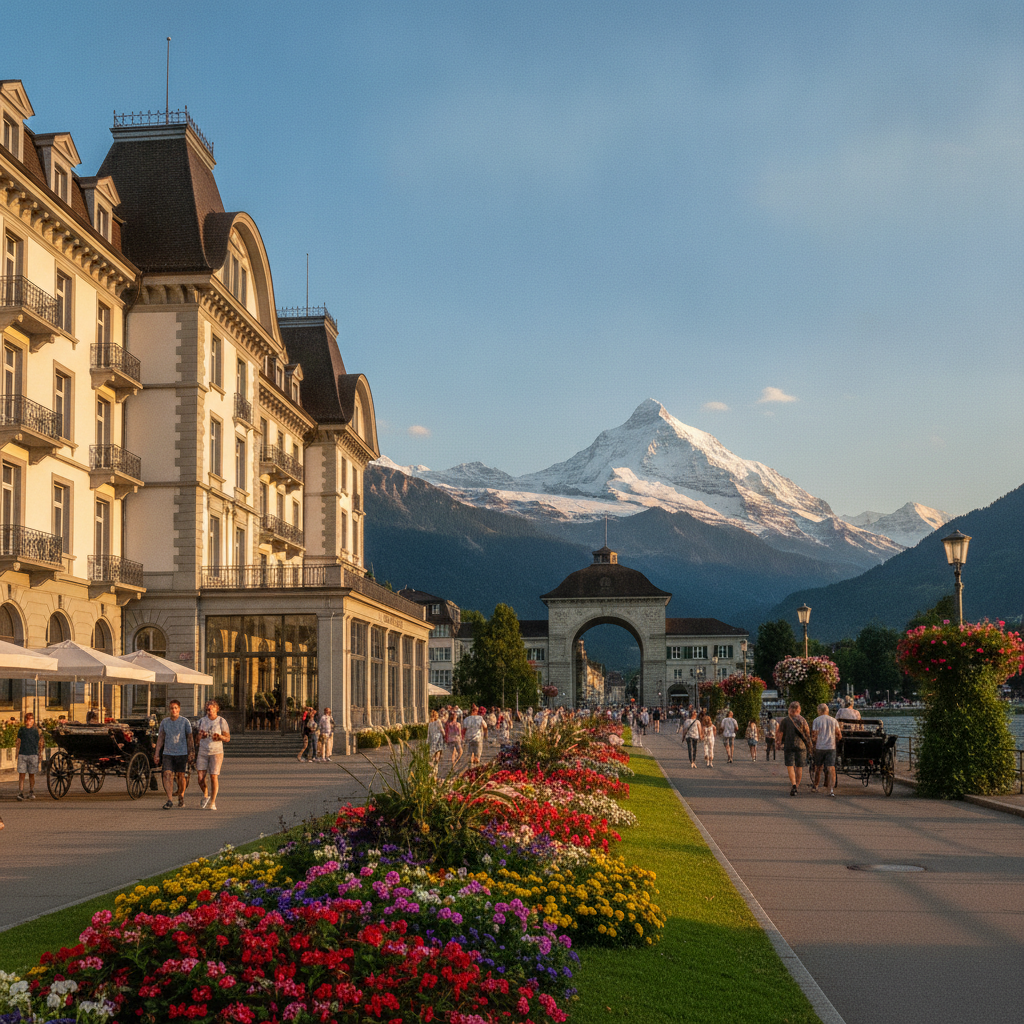
Interlaken's Harder Kulm, Grand Hotels, Paragliding & the Seasons Guide
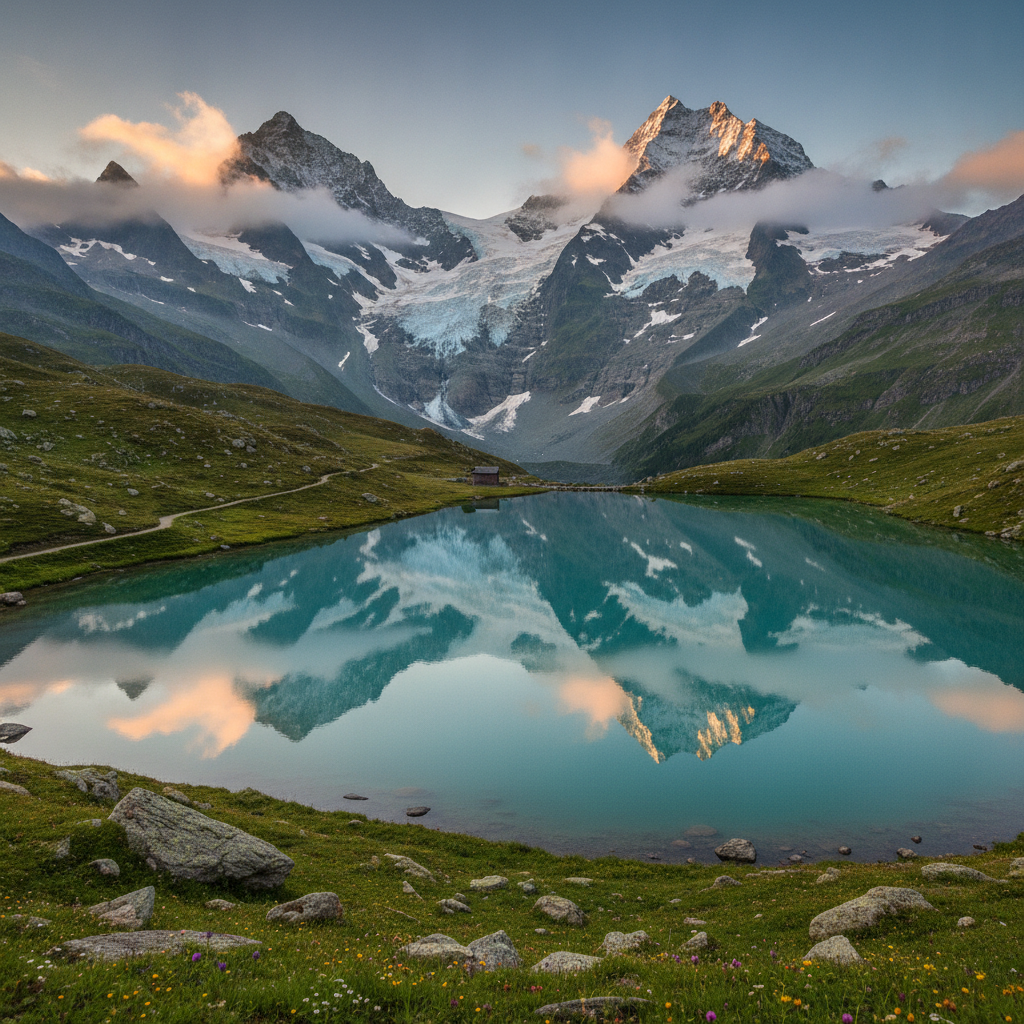
Interlaken Hiking — Schynige Platte, the Männlichen, Harder Kulm & the Bernese Trails