Innsbruck — the Golden Roof, the Nordkette Alps & the Tyrol's Imperial and Alpine Capital
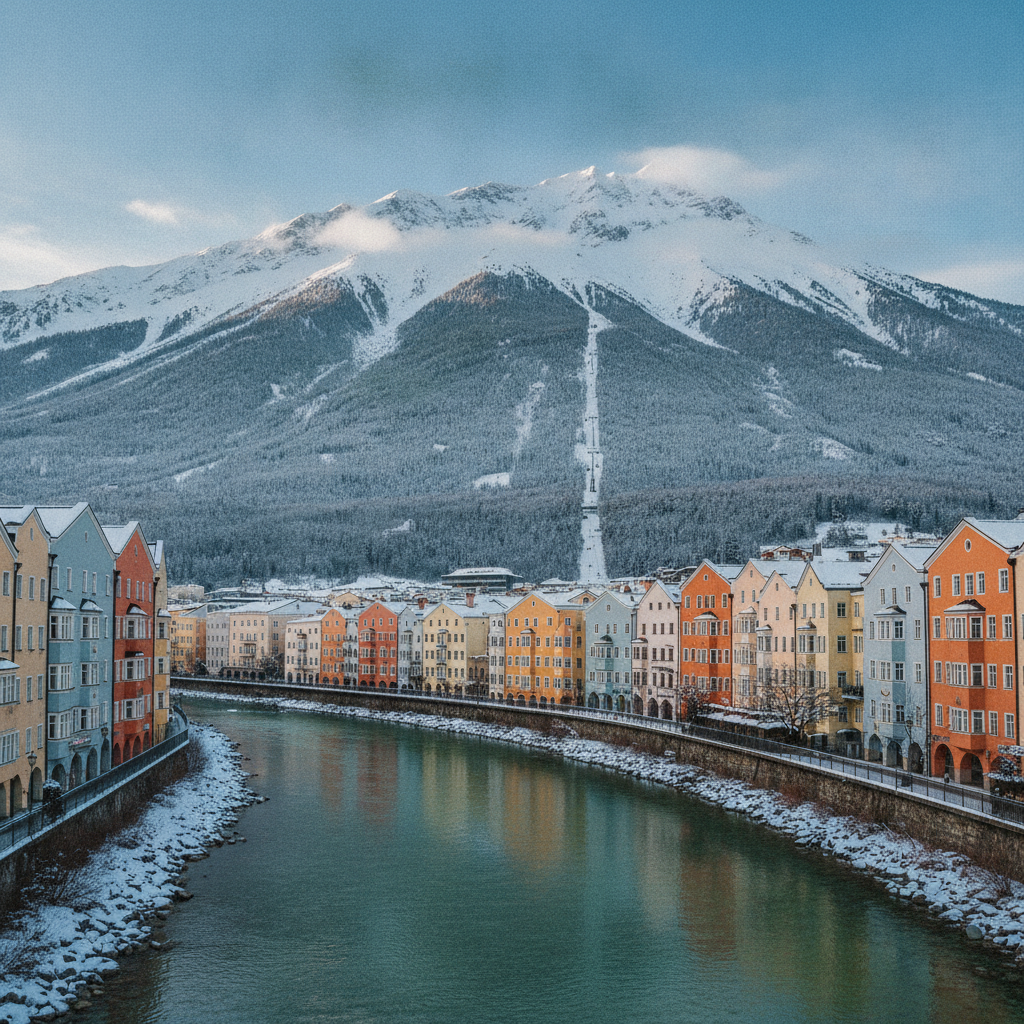
Innsbruck (the capital of the Austrian Tyrol, population 130,000, the city at the crossroads of the major Alpine passes — the Brenner Pass to Italy 35km south, the Arlberg Pass to Switzerland to the west — the city that twice hosted the Winter Olympics — 1964 and 1976 — the city where the Alps literally rise from the city centre to 2,334m in a single vertical wall, the most dramatically situated capital city in the Alps)
- 1
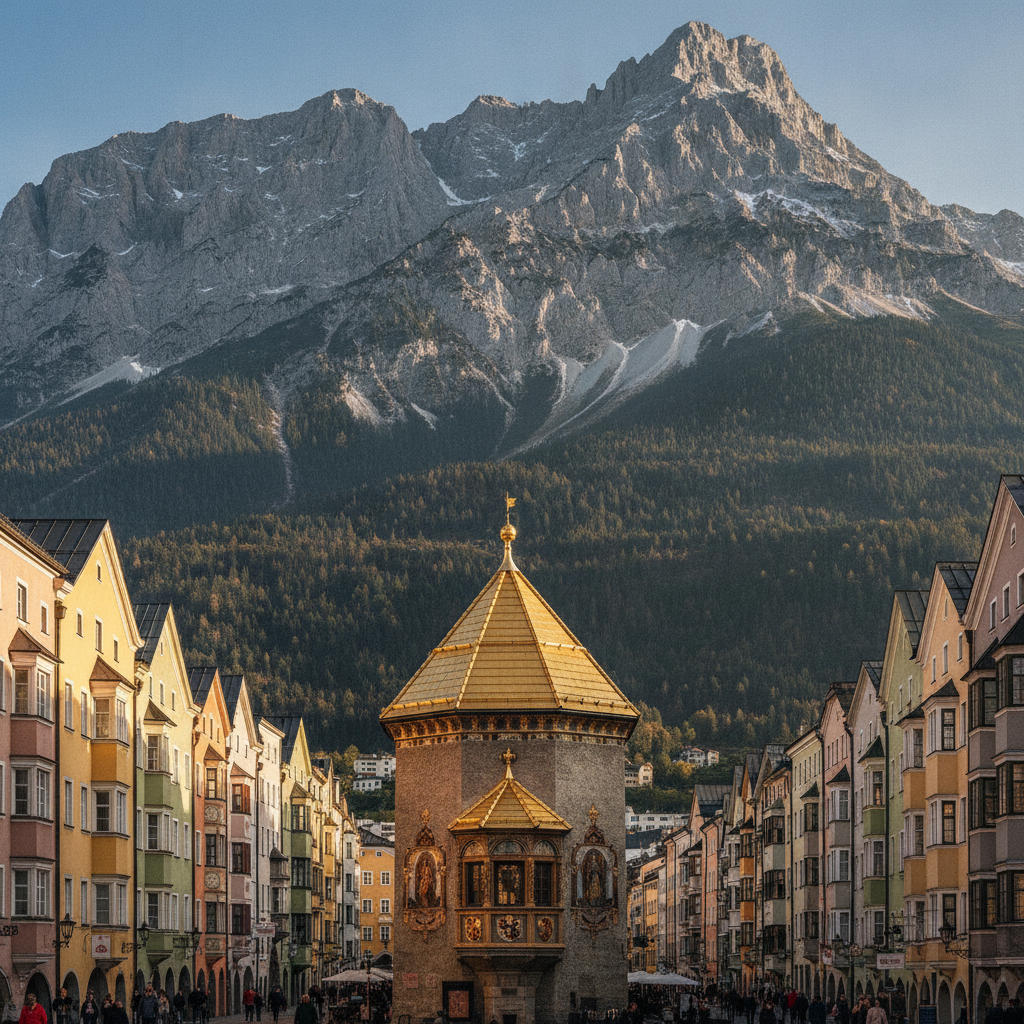
The Golden Roof — the Habsburg Balcony
Das Goldene Dachl (Herzog-Friedrich-Straße 15, the Gothic oriel window balcony built 1500 by Emperor Maximilian I on the facade of the former Innsbruck Ducal Palace, the balcony used by the Emperor to observe the tournaments and the public events in the square below, the 2,657 fire-gilded copper shingles of the roof the origin of the name — the most recognized building element in Innsbruck, the most photographed facade in the Austrian Tyrol, the balcony the symbolic centre of Innsbruck): the balcony reliefs (the carved marble relief panels on the balcony balustrade depicting Maximilian I with his two wives — Maria of Burgundy and Bianca Maria Sforza — alongside the court jesters and the dancing figures, the most personal statement by a Habsburg emperor in the architectural decoration of any Austrian building, the figures the earliest dated sculptural portraits of Maximilian I in Austria), the Goldenes Dachl Museum (the museum inside the building behind the balcony, the 4-room exhibition on Maximilian I and the Innsbruck court, €5 adults, daily 10am-5pm, the medieval globes and the tournament armor the most interesting objects), the Herzog-Friedrich-Straße (the pedestrian street from the Golden Roof south to the Inn River bridge, the medieval street preserved on both sides with the arcaded ground floors — the Lauben, the covered arcades the shopping and walking passage that makes the Old Town usable in the Alpine rain and snow, the most harmonious single street in Innsbruck, the Stadtturm — the City Tower of 1358 at the east side of the street — the €4 adults climb giving the best view of the Golden Roof from above and the panorama of the Nordkette Alps) and the Innsbruck Old Town market (the Marktgraben street north of the Old Town, the weekly Saturday morning market with the Tyrolean produce).
- 2
The Nordkette — the Alps from the City Centre
The Nordkette (the mountain range rising immediately north of Innsbruck, the Nordkette Chain the most dramatically urban Alpine mountain in the world — the Hafelekar summit at 2,334m visible directly from the Innsbruck Old Town streets, the vertical relief of 1,760m from the valley floor to the summit visible in the city centre, the ascent by the Nordkette cable car system the defining Innsbruck activity): the Nordkettenbahn (the cable car system from the city centre to the Hafelekar summit, 3 stages: the historic Innsbrucker Hungerburgbahn funicular from the Congress Station in the city centre to the Hungerburg station in 8 minutes — the funicular designed by Zaha Hadid, opened 2007, the most architecturally significant transit station in Innsbruck — then the Nordkettenbahn cable car to Seegrube at 1,905m in 8 minutes, then the Hafelekar cable car to the summit at 2,334m in 5 minutes, the complete ascent €44 adults return, daily 8am-5:30pm in summer): the summit (the panorama of the Inn Valley, the Innsbruck city directly below, the Alps extending in all directions — the Stubai Alps to the south, the Karwendel mountains to the north, the Arlberg to the west — the most comprehensive single mountain panorama accessible by cable car in Austria), the Seegrube (the mid-station at 1,905m, the starting point for the most accessible Nordkette hiking trails — the Nordkette Panorama trail connecting Seegrube to Hafelekar along the mountain ridge in 1.5 hours one way, the most dramatic single walking route near Innsbruck — and the ski runs operational October-May — the highest altitude ski run accessible from any Austrian city centre) and the Zaha Hadid stations (the 4 funicular stations from the Congress to the Hungerburg designed by Zaha Hadid Architects 2007 — the white flowing concrete forms representing the glacier formations, the most significant work of contemporary architecture in the Tyrol).
- 3
The Hofburg Palace — Imperial Innsbruck
The Innsbruck Hofburg (Rennweg 1, the Imperial Palace of the Habsburg dynasty in Innsbruck, the palace the western Imperial residence of the Habsburgs complementing the Vienna Hofburg, built and rebuilt 1420-1773, the current neoclassical and Baroque palace the result of the major rebuilding by Empress Maria Theresa 1754-1773, €13 adults, daily 9am-5pm): the Giants' Hall (the Riesensaal, the most important single room in the Innsbruck Hofburg — the ceremonial banqueting hall 31m long, the trompe l'oeil ceiling fresco by Franz Anton Maulbertsch depicting the apotheosis of the Habsburg dynasty, the 28 full-length painted portraits of Maria Theresa's children — including Marie Antoinette who married Louis XVI of France — the portraits forming the most complete family portrait gallery in the Habsburg tradition), the Imperial Apartments (the 20-room sequence of the Imperial living quarters, the decorative scheme in the Rococo style reflecting the taste of Maria Theresa, the individual rooms named for their primary function — the Empress's Bedroom, the Emperor's Bedroom, the Chapel — the furniture mostly original 18th-century Viennese), and the Habsburgs in Innsbruck context (the Habsburg connection to Innsbruck the most direct of any of their residences outside Vienna: the Emperor Maximilian I governing the Empire from Innsbruck 1490-1519, the Archduke Ferdinand II making Innsbruck the Tyrolean residence 1563-1595 and building the Ambras Castle, the Empress Maria Theresa choosing Innsbruck as the Tyrolean capital 1754, the Tyrolean dynasty remaining the closest in spirit to the Tyrolean peasant identity of the Alpine people they governed through their mountain politics).
- 4
The Ambras Castle — Archduke Ferdinand II's Collection
Schloss Ambras Innsbruck (Schloßstraße 20, 5km southeast of the city centre, accessible by bus 4134 or by bicycle along the Inn River cycle path in 30 minutes, the Renaissance castle rebuilt 1564-1589 by Archduke Ferdinand II of Austria for his morganatic wife Philippine Welser, the castle the most complete Renaissance palace in the Tyrol, €18 adults, daily 10am-5pm, closed November): the Armoury (the Spanish Hall and the armoury buildings housing the most complete collection of tournament and parade armour in the world — the 100+ suits of armour commissioned from the finest European armourers of the 16th century for the tournaments at the Habsburg court, the armour of Archduke Ferdinand II the most elaborately decorated, the armoury building the largest secular Renaissance hall in Austria), the Portrait Gallery (the collection of 300 portraits assembled by Ferdinand II as the first systematic portrait gallery in European history — the concept of the portrait gallery as a cultural institution invented at Ambras, the portraits covering the European ruling families 1400-1600, the most complete visual record of 16th-century European court culture), the Kunstkammer (the Renaissance Wunderkammer — the Cabinet of Wonders, the collection of the rare and the curious objects the precursor of the modern museum, the Aztec feather headdress allegedly connected to Montezuma the most discussed single object, the coral sculptures, the rhinoceros horn objects, and the porcelain the typical Wunderkammer categories) and the Lower Castle (the residential apartments of Ferdinand and Philippine Welser, the Spanish Hall — the first purpose-built long gallery in northern Europe 1570, the portraits of the Tyrolean counts lining the walls, the Alpine frescoes the earliest naturalistic landscape paintings in German art).
- 5
Innsbruck Winter Sports — Twice Olympic City
Innsbruck as Olympic city (the city that hosted the Winter Olympics in 1964 and 1976, the first city in the world to host 2 Winter Olympic Games, the 1964 games the first Winter Olympics of the Alpine television era — the Innsbruck Olympic infrastructure one of the most complete surviving Olympic legacies in the Alpine world): the Bergisel ski jump (the Olympic ski jump stadium on the Bergisel hill 2km south of the Old Town, the current structure designed by Zaha Hadid and opened 2002 — the same architect as the Nordkette funicular stations, the jump the most architecturally significant sports venue in Austria, the tower accessible by lift to the observation platform and the Bergisel restaurant at €9 adults, the ski jump competitions visible from the tower in the competition season November-April, the Austrian Ski Federation using the jump for training year-round), the Patscherkofel and Axamer Lizum ski areas (the two 1964 Olympic downhill ski areas still operating as the primary Innsbruck ski resorts, the Patscherkofel the women's downhill course of the 1964 Olympics, accessible from the city by bus 4134 in 30 minutes, the Axamer Lizum the men's downhill and slalom course, accessible by bus 4134 in 45 minutes, the Innsbruck summer ski on the Stubai Glacier — the only glacier ski area accessible from a city by public transport, the bus 4134 to the Stubai in 60 minutes, the glacier skiing May-November at the Stubai Glacier ski area at €52 adults per day ski pass) and the Innsbruck bobsled run (the historic bobsled run at the Patscherkofel, the 1964 and 1976 Olympic bob run still operational for public 'bob taxi' rides at €30 per person, the most direct access to a real Olympic bob run available as a tourist activity in the Alps).
- 6
Innsbruck Practical — the Tyrol Card, Alpine Passes and Austrian Culture
Innsbruck practical: access (the Innsbruck Airport 4km west of the Old Town, the bus F to the city centre in 20 minutes at €2.40, the airport with direct connections to London Heathrow, Amsterdam, Frankfurt, Vienna, and 10 European cities, the ÖBB train from Vienna 4.5 hours at €25-60, from Salzburg 2 hours at €20-45, from Munich 1.5 hours at €15-40, the Brenner Autobahn A13 from Italy 45 minutes to Verona), city transport (the tram and bus network, the single trip at €2.40, the 24-hour pass at €5.70, the city centre walkable — the Golden Roof, the Hofburg, and the Congress all within 800m — the Nordkettenbahn the one transport investment requiring the cable car ticket at €44 or the Innsbruck Card), the Innsbruck Card (the tourist card at €46/24h, €55/48h, €64/72h covering the Nordkettenbahn cable car, the Bergisel ski jump, the Ambras Castle, all museums, and the city bus and tram — the card the correct investment for visitors planning both the Nordkette and Ambras on the same day, available at the Innsbruck tourist information at Burggraben 3), the Tyrolean cultural identity (the Tyrol the most strongly nationally identified of the Austrian states — the Tyrolean dialect, the Tracht traditional costume — the Dirndl for women and the Lederhosen for men — the Tyrolean hat with the Gams beard, the Schuhplattler — the slapping dance — the most visible expressions of the Tyrolean identity that distinguishes the Innsbruck resident from the Viennese as clearly as any national boundary, the Tyrolean folk tradition stronger in the Innsbruck hinterland than in the city itself) and the Innsbruck in spring (the combination of the Alpine skiing on the Stubai Glacier through April and the city sightseeing in the blooming Inn Valley the most distinctive Innsbruck season, the city at its least crowded in March-April while the skiing remains optimal).
Walk this route with audio
Stories play automatically as you reach each stop — no tapping needed.
More in innsbruck
Innsbruck Cultural Circuit — the Hofkirche, the Ferdinandeum & the Tyrolean Folk Museum
Innsbruck Food & Drink — Tyrolean Cuisine, Alpine Markets & the South Tyrol Wine Connection
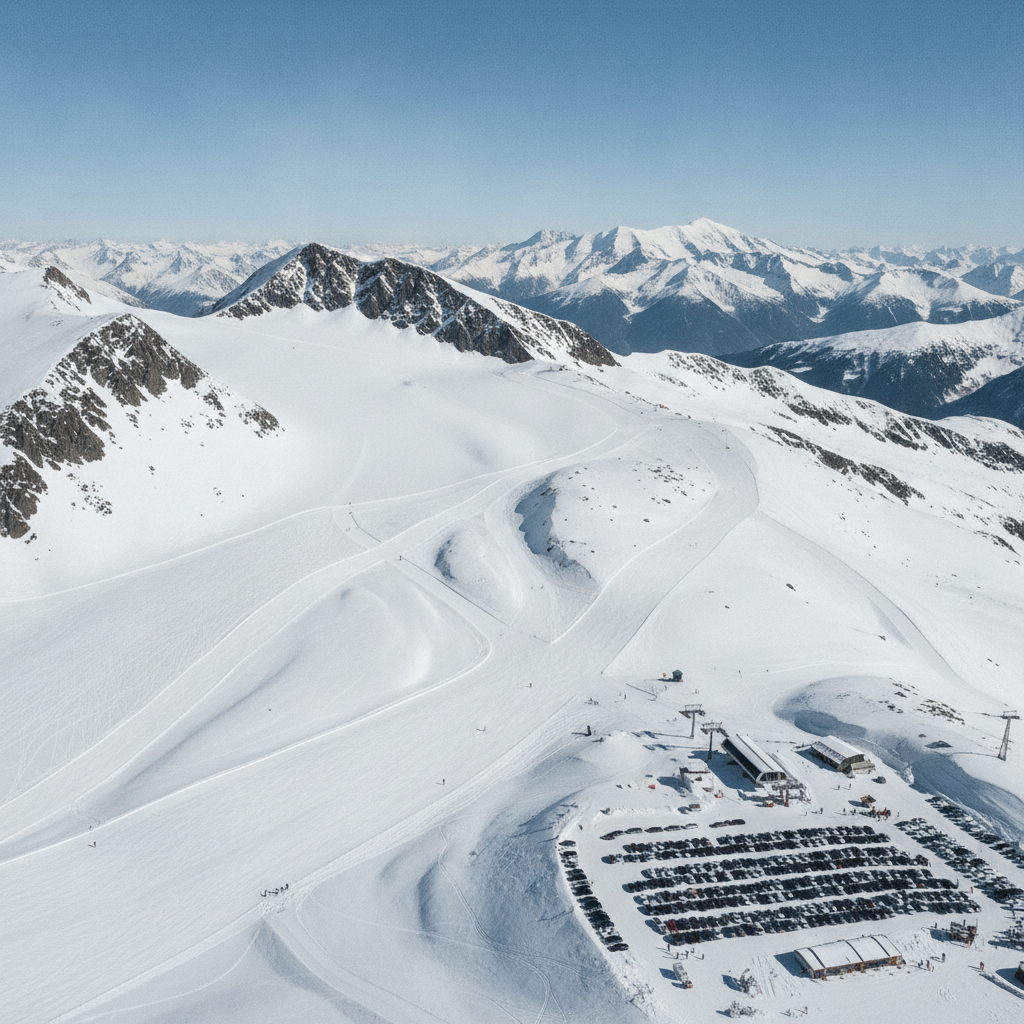
Innsbruck Alpine Adventures — Skiing, Hiking & the Stubai Glacier Year-Round
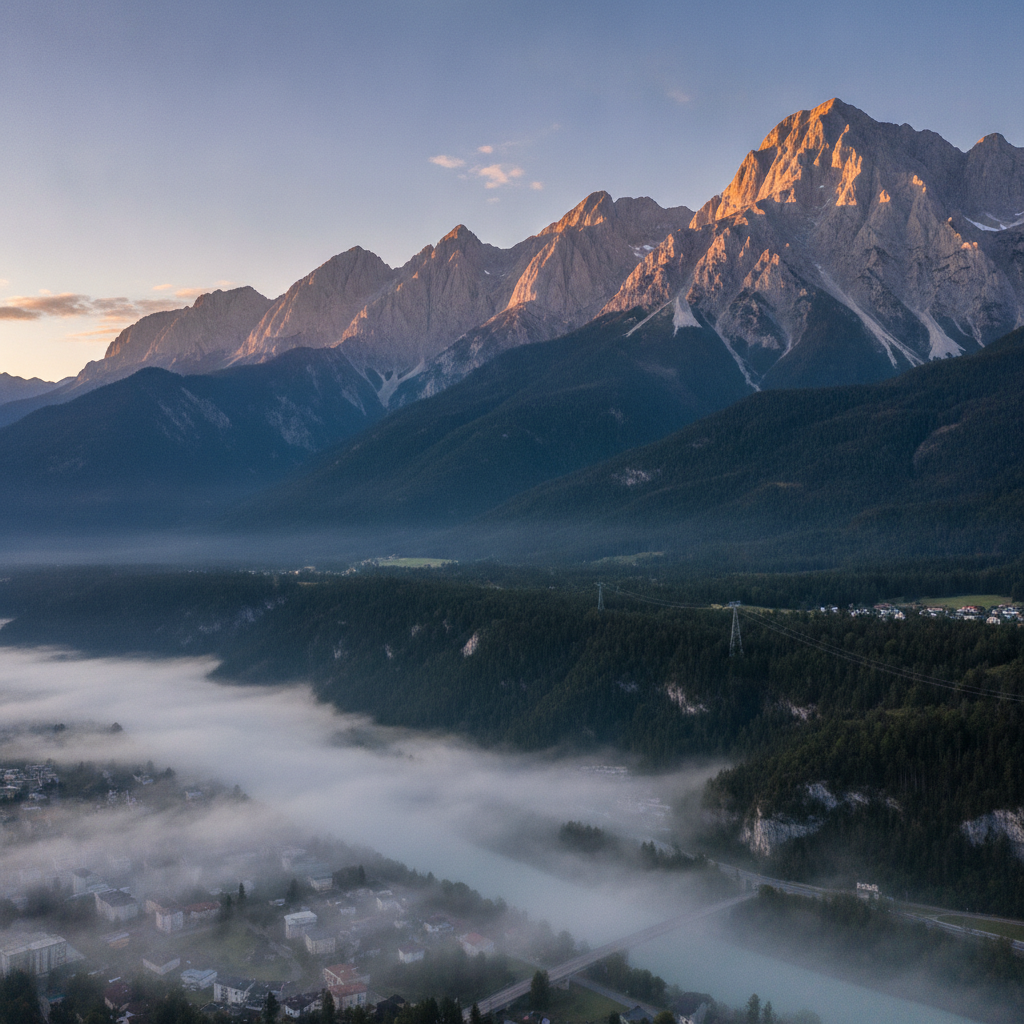
Innsbruck Day Trips — the Brenner Pass, South Tyrol, Bolzano & the Karwendel