Iguazu Practical Guide: Getting There, Accommodation, Costs, and Planning Your Visit
Planning a visit to Iguazu Falls requires decisions about which side or sides of the falls to visit, how long to stay, where to base oneself, and how to manage the logistics of a site that spans two countries with different currencies, languages, and national park systems. The practical information about transport, accommodation options at different price points, park fees, and the sequence of activities that maximizes the experience of the falls is essential for making the most of what is often a once-in-a-lifetime visit.
- 1
Getting There: Flights, Buses, and Crossing the Border
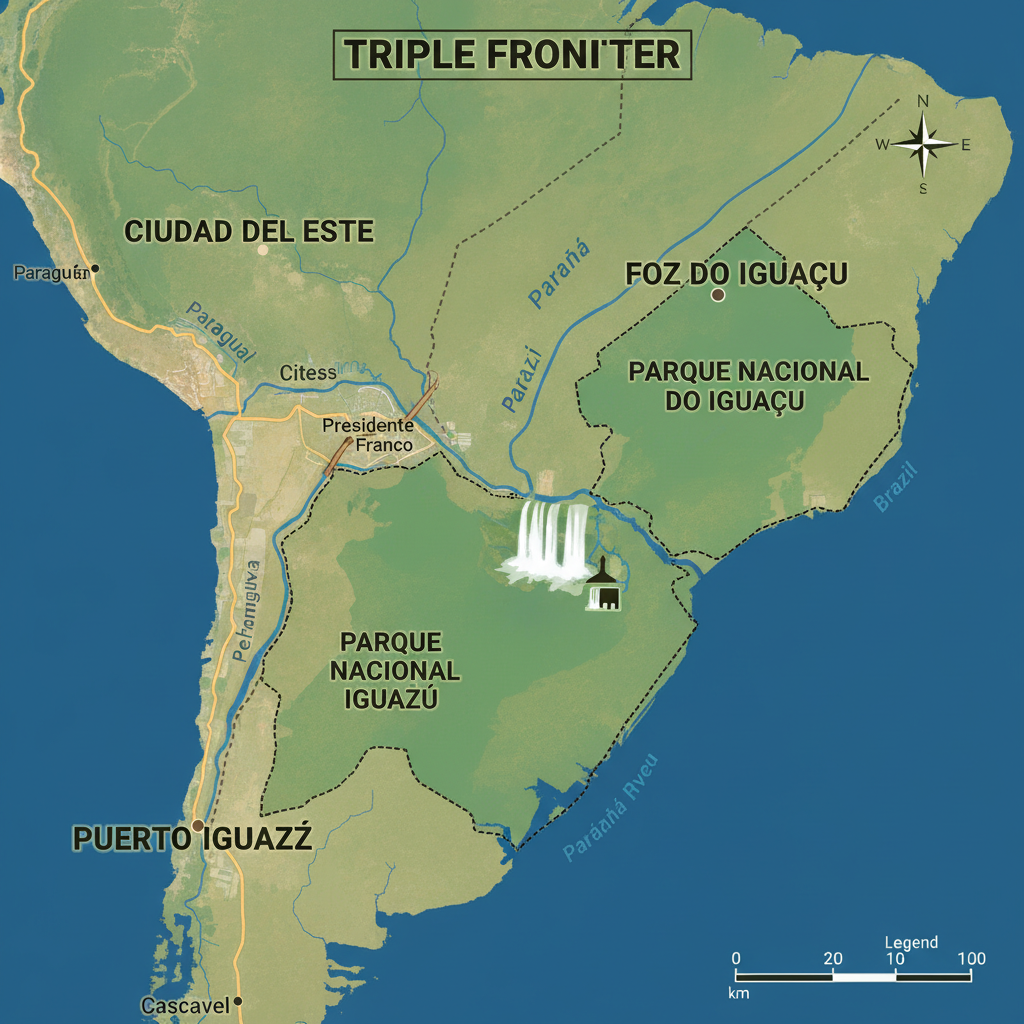
Iguazu Falls is served by two international airports: Cataratas del Iguazu International Airport in Puerto Iguazu on the Argentine side and Foz do Iguazu International Airport on the Brazilian side, both receiving direct flights from Buenos Aires and Sao Paulo respectively as well as a range of regional connections. The Argentine airport is smaller and receives fewer international connections than the Brazilian airport; travelers from Europe or North America typically connect through Buenos Aires Ezeiza or Sao Paulo Guarulhos for the one-and-a-half-hour domestic flight to Iguazu. Long-distance bus services from Buenos Aires to Puerto Iguazu make the journey in approximately 18 hours; the journey is comfortable on the Argentine sleeper bus system and is an economical alternative to flying for travelers with time flexibility. Crossing the border between Puerto Iguazu and Foz do Iguazu is operationally simple: taxis and informal shuttle services operate continuously between the two cities, crossing the Tancredo Neves International Bridge with a brief immigration stop for passport stamping; the crossing takes approximately 30 to 45 minutes depending on traffic and immigration queues. Both Argentine and Brazilian citizens of most nationalities do not require visas for a short stay; US, Canadian, and most European citizens can enter both countries without visas for tourism. Currency exchange is available at both airports and in both city centers; carrying both Argentine pesos and Brazilian reais is useful for visitors spending time on both sides of the border.
- 2
Where to Stay: From Luxury Within the Park to Budget Options in Town
The Hotel Cataratas within the Argentine national park, operated under concession and situated immediately adjacent to the falls, is the most prestigious accommodation option at Iguazu and commands premium prices that reflect its unique location, which allows guests to access the falls walkways at dawn before the day-visitor gates open. Booking the Hotel Cataratas well in advance is essential as it has limited rooms and high demand from visitors who prioritize the early-morning falls access as their primary reason for the higher cost. Puerto Iguazu town contains a range of accommodation from budget hostels to comfortable mid-range hotels that provide easy access to the Argentine park by taxi or shuttle; staying in town allows for later and more leisurely mornings than the park hotel while still providing full access to both the Argentine and Brazilian parks during opening hours. Foz do Iguazu on the Brazilian side has a larger accommodation inventory at generally lower prices than Puerto Iguazu, reflecting the larger city economy and greater competition among providers; the distance to the Brazilian park entrance is similar from most Foz do Iguazu accommodations as the distance to the Argentine park from Puerto Iguazu. Eco-lodges and nature-oriented accommodations in the rural area surrounding the parks have been developed in recent years for travelers who prioritize sustainability and wildlife observation alongside the falls visit; these typically offer guided nature walks, birdwatching, and farm experiences that complement the falls experience with a broader Atlantic Forest immersion.
- 3
Park Fees, Opening Hours, and Practical Logistics
The Argentine national park charges an entrance fee that has fluctuated significantly in peso terms due to Argentine inflation; as of 2024 the fee for foreign visitors is substantially higher than the local rate and is payable in Argentine pesos at the park entrance. The Brazilian national park charges a separate entrance fee in Brazilian reais that is generally lower than the Argentine fee in equivalent dollar terms and does not distinguish between local and foreign visitors. Both parks are open daily, with the Argentine park operating from approximately 8:00 AM to 6:00 PM and the Brazilian park from approximately 9:00 AM to 5:00 PM; exact hours vary by season and should be confirmed on the official park websites before visiting. The standard visit sequence recommended by experienced visitors is to spend the first day on the Argentine side to experience the full circuit of walkways including the Devil's Throat, and the second morning on the Brazilian side for the panoramic walkway and macuco safari before departing or continuing travel. This two-day sequence requires a minimum of two nights in the area; visitors with only one night should prioritize the Argentine side for the more immersive falls experience, supplementing with the Brazilian panoramic perspective if time permits. All excursions including boat rides, jeep safari, and the train to the Devil's Throat are paid separately from the park entrance fee; budgeting an additional 50 to 70 percent of the park fee for optional excursions provides a realistic estimate of activity costs.
- 4
Crowds, Timing, and Managing the Peak Season Experience
Iguazu Falls receives more than 1.5 million visitors annually on the Argentine side alone, concentrated heavily in the summer holidays of January and February and the long weekends of the Argentine and Brazilian holiday calendars; during peak periods the walkways are crowded enough to make photography and quiet contemplation difficult. The practical strategies for managing the crowd experience include arriving at the park entrance at opening time to precede the tour group arrivals, visiting on weekdays rather than weekends when local and regional visitor numbers are lower, and targeting the Argentine side on mornings and the Brazilian side on afternoons when the light is better on each side and the crowds are more evenly distributed. The full-moon night visits offered by the Argentine national park, which allow access to the Devil's Throat by moonlight when the falls are illuminated by lunar light rather than artificial lighting, are ticketed separately and sell out well in advance; booking these through the official park website or through local tour operators before arrival is essential. The shoulder seasons of April to June and September to October offer the best combination of manageable crowds, pleasant temperatures, and reasonable water volume; July, while cool and popular with Argentine winter holidaymakers, can be crowded on the walkways due to school vacation period. Visitors who arrive expecting Iguazu to feel like a remote wilderness experience will be disappointed; the falls are one of the most commercialized natural attractions in South America, and adjusting expectations toward appreciating the exceptional natural spectacle within a managed tourism environment produces greater satisfaction.
- 5
Combining Iguazu with the Argentina and Brazil Travel Circuit
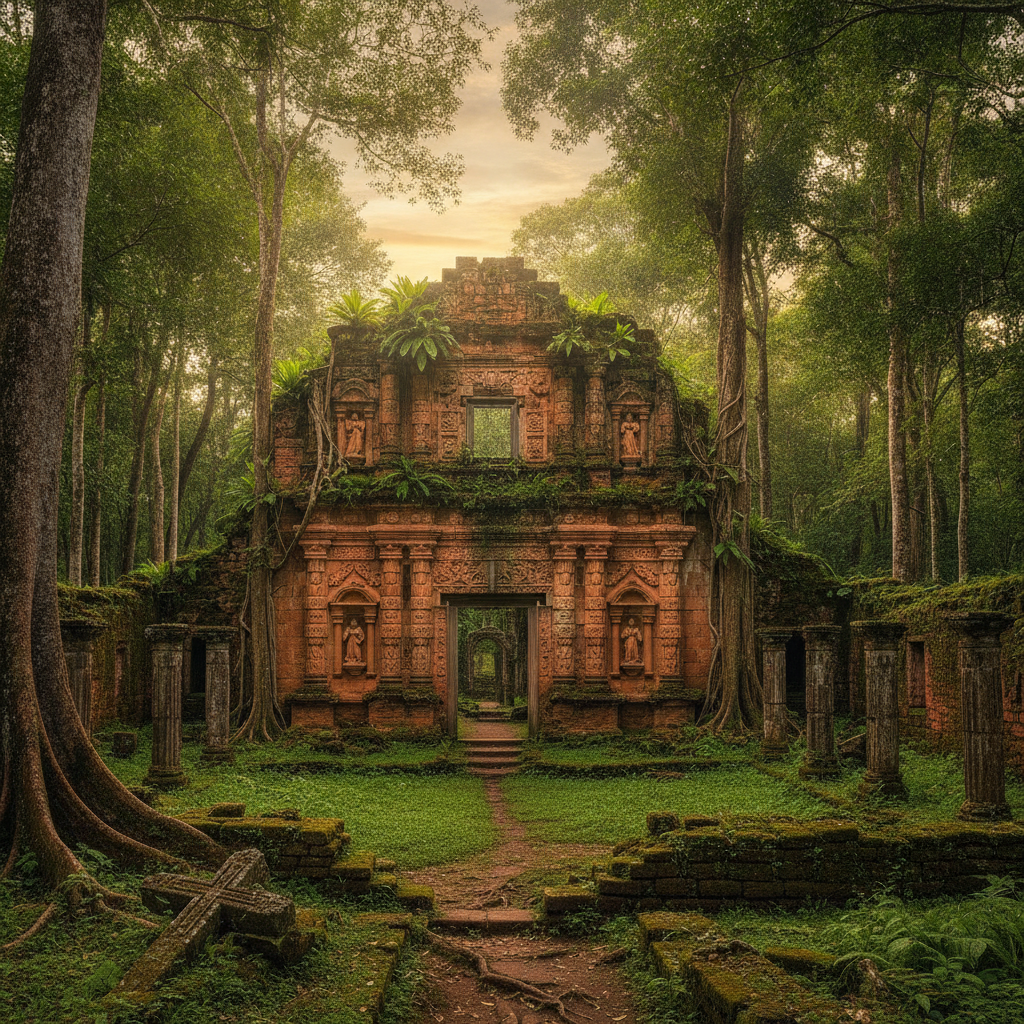
Iguazu Falls is most commonly visited as part of a broader South American circuit that combines the falls with other major destinations in Argentina or Brazil, and the logistics of these combinations strongly influence the practical planning of the Iguazu visit. The classic Argentina circuit combines Buenos Aires, Iguazu, and either Patagonia or the wine country of Mendoza, with Iguazu accessible by direct flight from Buenos Aires in approximately 90 minutes; this circuit can be completed in 10 to 14 days and covers the full range of Argentine tourism experiences. The Brazil circuit combining Rio de Janeiro, Sao Paulo, and Iguazu is similarly efficient, with direct flights between Foz do Iguazu and both major Brazilian cities; adding Pantanal wildlife safari to this circuit requires additional days but creates one of the most biodiverse travel sequences available in South America. The Paraguay addition, crossing from Foz do Iguazu to Ciudad del Este and continuing by bus to Asuncion, adds a genuinely off-the-beaten-path dimension to the triple frontier experience and allows a glimpse of the most undervisited country in the Southern Cone. The Jesuit missions circuit through Misiones province, connecting Puerto Iguazu with San Ignacio Mini and continuing to Posadas at the border with Paraguay, can be accomplished in two to three days by rental car or by local bus and provides the most substantial engagement with the regional history available within striking distance of the falls.
- 6
Budget Planning and What Iguazu Actually Costs
The total cost of a two-day Iguazu visit depends on the accommodation choice and the range of optional activities, with the minimum responsible budget for two full days of falls experience falling in the range of 150 to 250 US dollars per person for budget accommodation, park fees on both sides, and one boat excursion. Mid-range accommodation in Puerto Iguazu or Foz do Iguazu combined with comfortable dining and the full range of optional excursions including boat rides and jeep safari on the Argentine side and macuco safari on the Brazilian side brings the two-day budget to approximately 400 to 600 US dollars per person. Staying at the Hotel Cataratas within the Argentine park adds a substantial premium to the accommodation cost but is justified by the unique early-morning falls access; budget for the hotel room at approximately 300 to 600 US dollars per night depending on season and room type, plus meals at the hotel restaurant which are priced at premium levels. Argentine park fees for foreign visitors as of 2024 represent a significant portion of the visit budget due to the peso inflation dynamics; checking the current fee level immediately before travel is advisable as the peso-dollar exchange rate changes the effective dollar cost of the Argentine park entrance. The Brazilian park fee is more stable in dollar terms and represents a smaller proportion of the overall visit cost. Tipping culture at Iguazu follows Argentine and Brazilian norms: 10 percent at sit-down restaurants is standard, and boat excursion guides appreciate a tip of 10 to 15 percent for the quality of the experience they provide.
Walk this route with audio
Stories play automatically as you reach each stop — no tapping needed.
More in Iguazu
Iguazu Falls: Devil's Throat, Upper and Lower Circuits, and the Three-Country Border
Iguazu Photography Guide: Best Viewpoints, Light, and Technical Tips
Iguazu Food, Culture, and the Guarani Heritage of Misiones Province
Iguazu Adventure Activities: Boat Rides, Jungle Trails, Rappelling, and Helicopter Flights
Itaipu Dam: Engineering Marvel, Binational Hydropower, and the Drowned Guaira Falls