Hpa-An Karen Culture & Community Walk
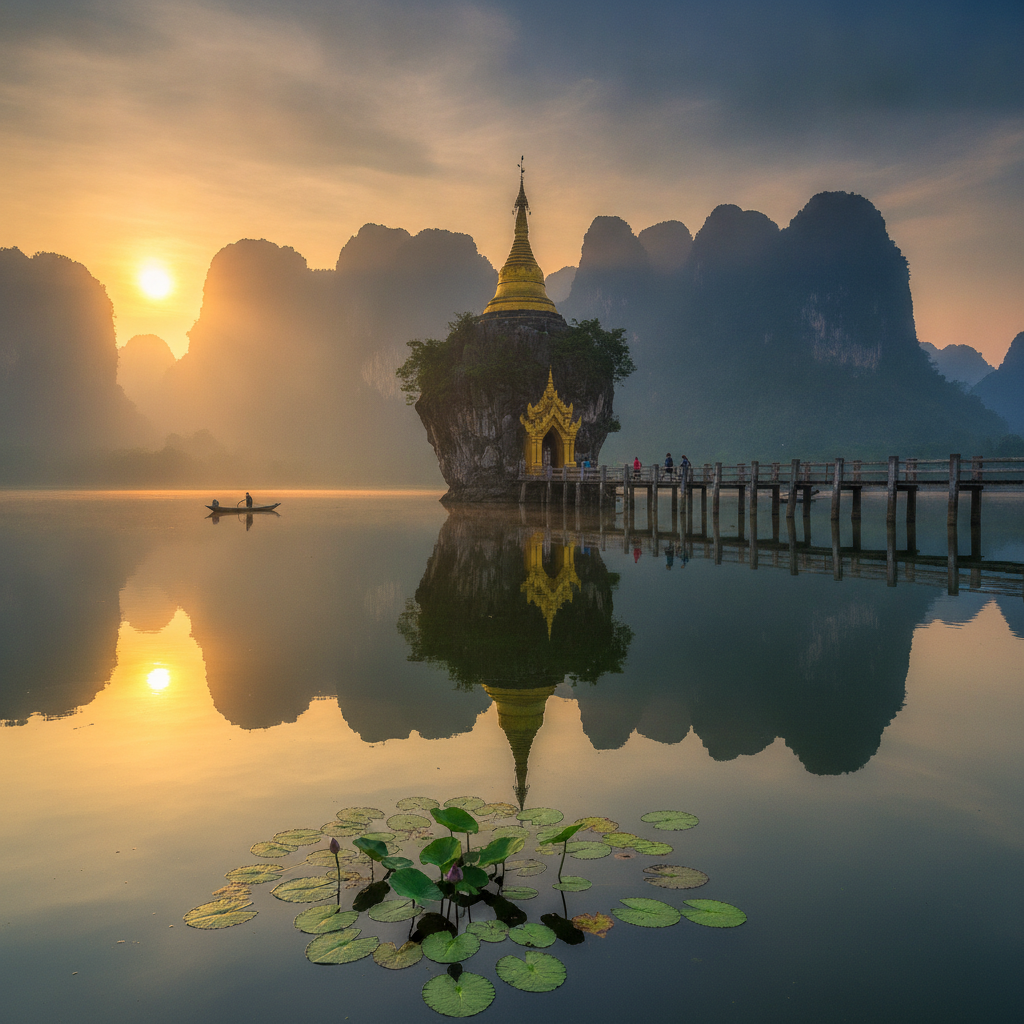
Connect with Karen culture in Hpa-An — the capital of Karen State is the most accessible single destination for encountering the Karen people, their traditions, their language, their Buddhism and animism, and the history of the Karen community in the context of Myanmar's complex ethnic landscape.
- 1
Karen State Museum
The Karen State Cultural Museum (the state institution documenting the history, the cultural practices, and the material heritage of the Karen people — the largest single ethnic minority in Myanmar) provides the most systematically educational single encounter with the Karen civilisation accessible in Hpa-An — the museum's collection (the traditional Karen costumes in the various sub-group styles, the Karen musical instruments (the Karen harp and the bamboo instruments that are the most distinctive single musical tradition accessible in Myanmar), the Buddhist and animist religious objects of the Karen tradition, and the historical documentation of the Karen people's relationship with the British colonial administration and the subsequent independent Myanmar state) creates the most complete survey of the Karen cultural heritage accessible at a single institution. The museum's linguistic collection (the documentation of the S'gaw Karen, the Pwo Karen, and the other Karen languages that are the most linguistically diverse ethnic group accessible in Myanmar) is the most directly linguistically informative single cultural encounter accessible in the Karen State capital.
- 2
Traditional Karen Longhouse
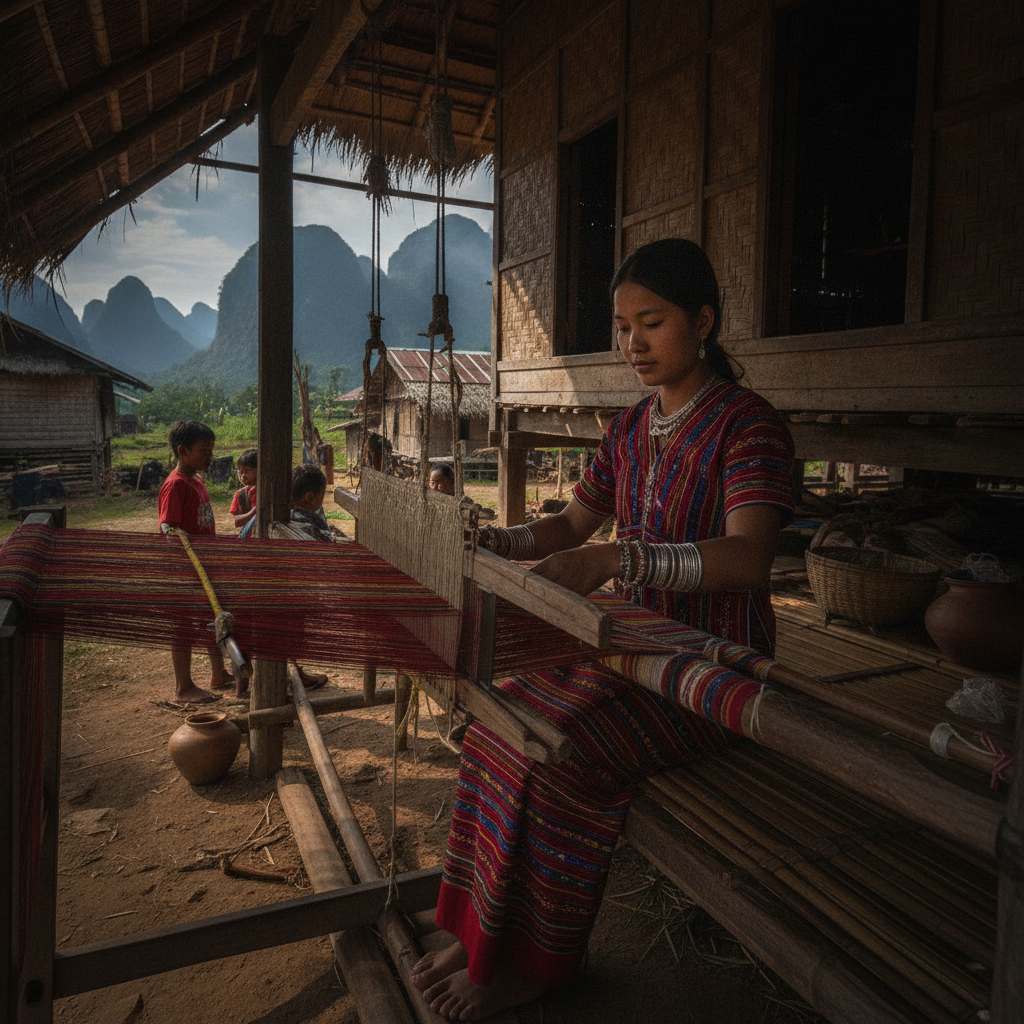
The traditional Karen longhouse villages accessible in the countryside surrounding Hpa-An (the stilted longhouse communities of the Pwo Karen and S'gaw Karen sub-groups, the most architecturally distinctive single settlement form accessible in the Karen State) provide the most directly architectural encounter with the Karen building tradition accessible from the Hpa-An base — the longhouse design (the single large structure housing multiple family units under one extended roof, the bamboo construction raised on wooden piles, and the communal living format that is the most socially distinctive single Karen architectural tradition) and the village layout (the communal areas between the longhouses, the shared agricultural areas visible around the settlement, and the forest garden that provides the village's supplementary food supply) create the most completely community-organised single residential landscape accessible at the Hpa-An area. The longhouse's interior (accessible in the communities that welcome respectful visitors, the continuous interior space divided by the hanging partitions into the family areas, the central corridor providing the communal social space) is the most directly community-life-revealing single architectural encounter accessible in Karen State.
- 3
Karen Animist Ceremony
The Karen animist spiritual tradition (the pre-Buddhist worship of the natural world spirits accessible in the Karen villages, the ritual practices that coexist with the Buddhist practice in the Karen community and that are the most directly distinctive single element of the Karen cultural identity accessible in the context of the broader Myanmar Buddhist landscape) is the most ethnographically significant single aspect of the Karen culture accessible to the respectful and sensitive visitor — the spirit house (the small decorated structure in the village centre or at the forest edge, the focal point of the animist ritual practice of the village community) and the seasonal ceremonies (the planting ceremonies, the harvest thanksgiving, and the community healing rituals that draw on the Karen animist tradition) are the most directly pre-Buddhist religious practices accessible in any Myanmar ethnic community. The Karen ritual specialist (the Ko Htoo Bwa or the Hee Mu, the community members with the specialist knowledge of the spirit world interactions) represents the most directly pre-Buddhist spiritual authority accessible in the Karen State.
- 4
Karen Music Performance
The Karen musical tradition (the Karen harp (Klo Khee) — the distinctive plucked instrument that is the most immediately recognisable single sound of the Karen musical heritage, the bamboo mouth organ, and the traditional percussion instruments that accompany the Karen song tradition) is the most auditorily distinctive single cultural encounter accessible at the Hpa-An destination — the Karen music's character (the pentatonic scale and the melodic tradition of the Karen songs, which include the work songs, the ceremonial music, and the narrative ballads that document the Karen oral historical tradition) creates the most musically distinct single ethnic music accessible at any Myanmar destination outside the Shan State. The Karen cultural performances accessible at the Hpa-An cultural events (the folk song and dance performances that are part of the Karen New Year celebrations and the other community festivals organised throughout the year) are the most directly participatory single encounters with the Karen performing arts available to the Hpa-An visitor.
- 5
Karen Baptist Church
The Karen Baptist Church community in Hpa-An (the legacy of the American Baptist missionary tradition begun by Adoniram Judson in the 19th century, the Karen's significant conversion to Christianity during the colonial period creating the most unusual single religious demographic available in Myanmar — a major ethnic group with a substantial Christian minority alongside the Buddhist majority) is the most historically culturally distinctive single religious community accessible in the Karen State capital — the Karen Baptist tradition (the Sunday services in the Karen language, the church music that combines the Baptist hymn tradition with the Karen melodic style, and the community's social organisation around the church as the primary institution) creates the most directly non-Buddhist single religious encounter accessible in the Hpa-An area. The Karen Christian community's historical significance (the role of the Baptist education in the development of the Karen literacy and the Karen cultural consciousness, and the complex relationship between the Karen Christian identity and the Karen political history in the context of Myanmar's ethnic conflicts) is the most politically historically layered single cultural encounter accessible at the destination.
- 6
Hpa-An Town Evening
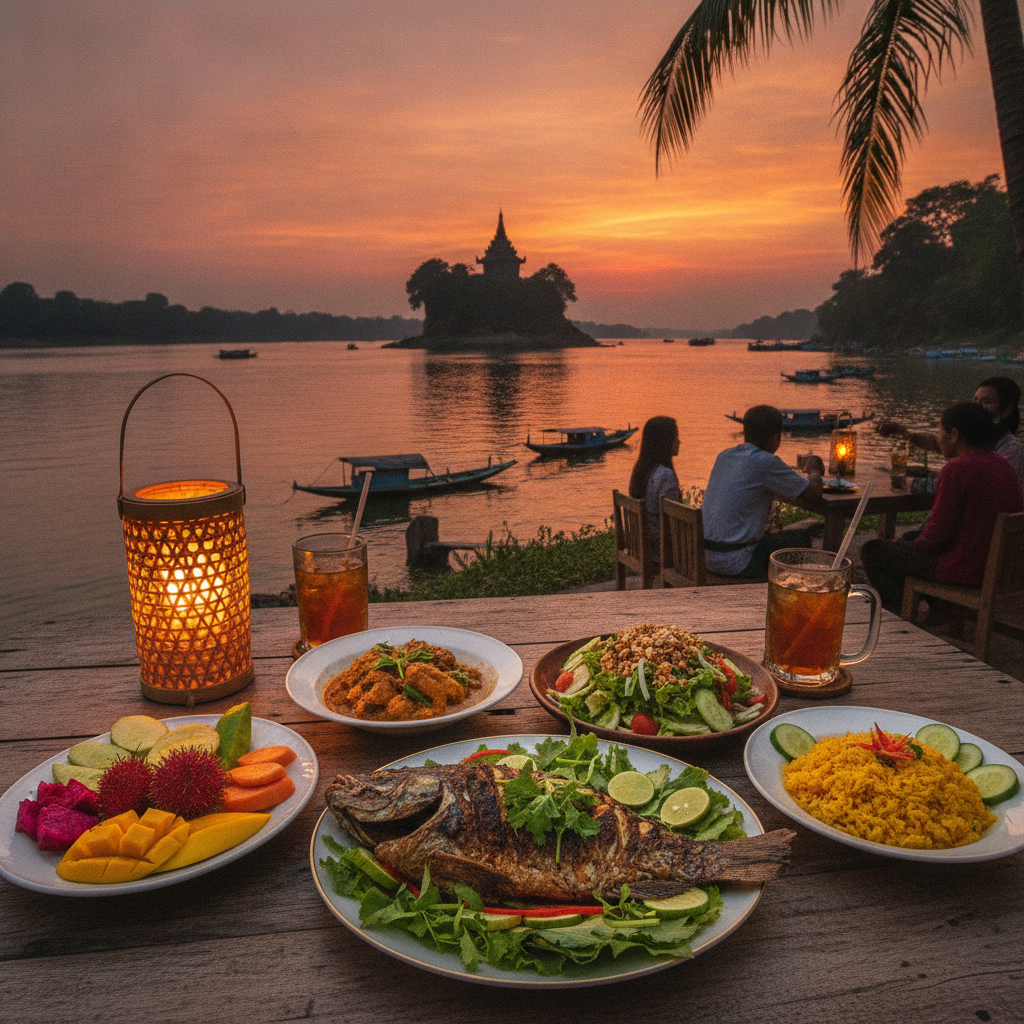
The Hpa-An town evening (the most accessible single encounter with the Karen State capital's social life, the town's main street and the river promenade in the cooler evening hours when the community's daily activities transition from the commerce of the working day to the leisure of the evening) provides the most naturally observed single social survey of the Hpa-An community accessible to the visitor — the evening's gathering points (the riverside promenade where the families and the young people take the evening air, the tea shops serving the after-dinner crowd, and the food street where the evening's eating is conducted) create the most diverse single social encounter accessible in the Karen State capital. The town's modest scale (smaller than the major Myanmar tourist centres, the town's evening activity contained within a compact area that makes the entire evening scene visible within a short walk) and the community's general openness to visitors (the Karen State's less frequented status on the Myanmar tourist circuit resulting in a more genuinely curious and welcoming community response to the occasional foreign visitor) make the Hpa-An evening the most naturally social single evening experience accessible at any Myanmar destination outside the major cities.
Walk this route with audio
Stories play automatically as you reach each stop — no tapping needed.