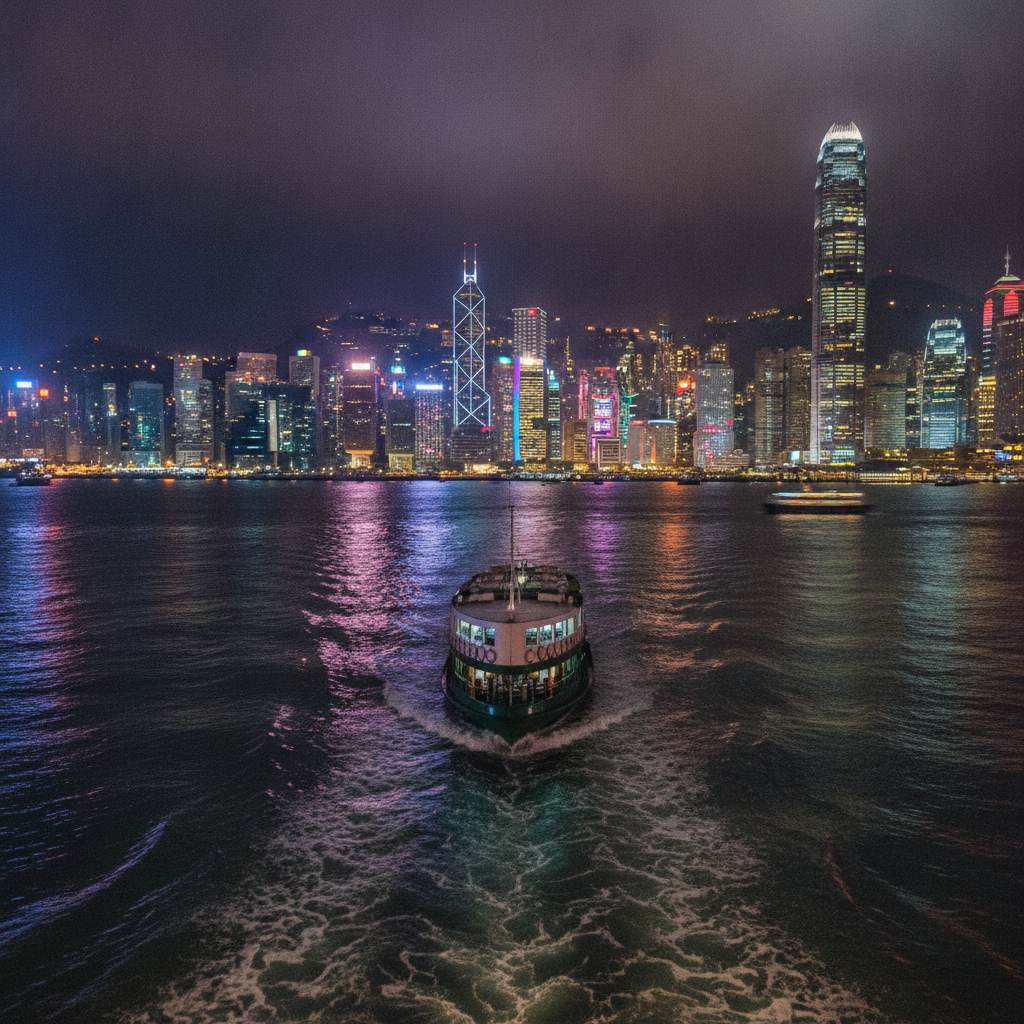
Star Ferry, Tsim Sha Tsui Waterfront & Victoria Harbour: The Soul of Hong Kong
The Star Ferry crossing of Victoria Harbour — the 7-minute journey between Hong Kong Island and Kowloon — has been described by Lonely Planet as 'the world's best commute' and was named one of the '50 Greatest Wonders of the World' by Time magazine. The Tsim Sha Tsui waterfront promenade and the Avenue of Stars frame the most famous urban waterfront in Asia.
- 1
Central Star Ferry Pier 7 (1898/2006)
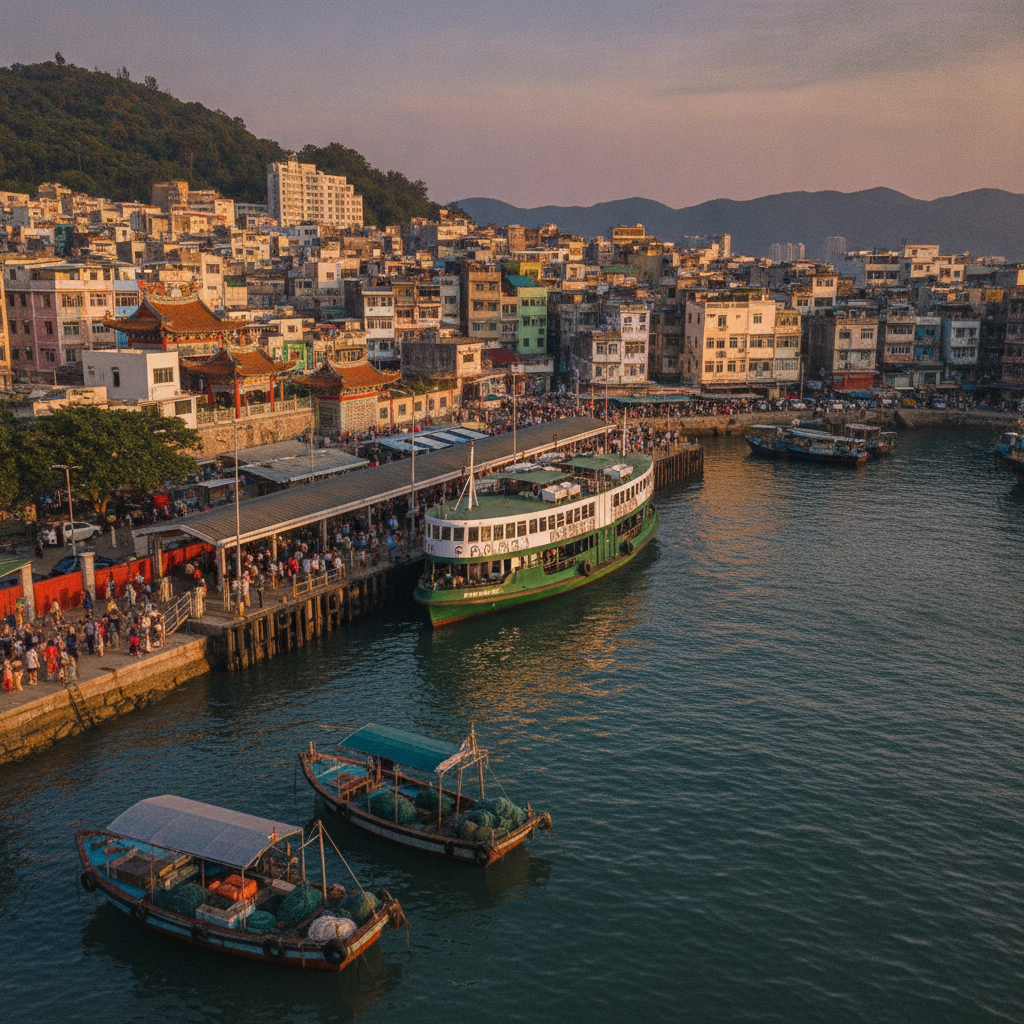
The Star Ferry Central Pier 7 (Edinburgh Place, Central, the current ferry terminal, the fifth pier on or near this site since the Star Ferry service began in 1888, opened in 2006 on reclaimed land 300 metres seaward of the 1957 terminal it replaced) — the Star Ferry company was founded in 1888 by Dorabjee Naorojee Mithaiwala, a Parsi merchant from Bombay, who began the service with a single motorized steel boat; the service was subsequently acquired by the Hongkong and Yaumati Ferry Company and eventually by the Wharf Group; the current fleet of 12 vessels (the oldest in service, the Night Star, dates from 1973) crosses Victoria Harbour carrying 70,000 passengers per day, a number that peaked at 100,000 per day in the 1960s before the opening of the Cross-Harbour Tunnel in 1972 and the MTR in 1979 diverted passengers to faster transit options; the upper-deck fare (HKD 3.50 as of 2024) makes this the most spectacular and most affordable 7-minute journey in the world. The 1957 Pier (which was demolished to make way for the current pier despite widespread protest from heritage groups) was the site of the 1967 Leftist Riots riot — a pivotal event in Hong Kong's history — when rioters attempted to bomb the ferry pier.
- 2
Tsim Sha Tsui Star Ferry Pier & Clock Tower (1915)
The Tsim Sha Tsui Star Ferry Pier (Tsim Sha Tsui Promenade, Kowloon) — the Kowloon landing point of the Star Ferry, adjacent to the last surviving structure of the original Kowloon-Canton Railway (KCR) Southern Terminus: the Clock Tower (1915, a 44-metre red-brick and granite tower that was the centrepiece of the Kowloon Station — the southern terminus of the historic railway line from Kowloon to Guangzhou (Canton) and eventually to Beijing via the Trans-Siberian Railway, the most romantic long-distance rail journey in Asia before the Second World War; the original Kowloon Station building was demolished in 1978 when the railway was rerouted to Hung Hom, but the Clock Tower was preserved after a public campaign; it is now a Grade I listed historic building, the sole remnant of the Kowloon Station on the same site since 1910, and one of the most photographed structures in Hong Kong). The adjacent Hong Kong Museum of Art (10 Salisbury Road, Tsim Sha Tsui, reopened 2019 after a three-year renovation) holds the finest collection of Chinese antiquities, ink paintings, and Hong Kong heritage art in any public museum in Hong Kong.
- 3
Tsim Sha Tsui Promenade & Avenue of Stars
The Tsim Sha Tsui Promenade (the waterfront walkway extending 1.7 kilometres along the south coast of the Kowloon peninsula from the Star Ferry Pier to the Hong Kong Cultural Centre, with an unobstructed view of the Hong Kong Island skyline across the 1.2-kilometre width of Victoria Harbour) — was extended in 2004 to create the Avenue of Stars (a Hollywood Walk of Fame-style promenade celebrating Hong Kong cinema, the most globally influential national cinema outside Hollywood: Hong Kong cinema produced the international career of Bruce Lee, Jackie Chan, Chow Yun-fat, Maggie Cheung, Tony Leung, and Zhang Ziyi; directed the films of Wong Kar-wai, John Woo, Johnnie To, and Ann Hui; the Hong Kong New Wave of the 1980s-1990s is considered the most significant national cinema movement in Asia of the 20th century). The promenade is the prime viewing point for the Symphony of Lights (the world's largest permanent light and sound show, involving 46 buildings on both sides of Victoria Harbour, running nightly at 8pm for 13 minutes, first presented on 1 January 2004 and recorded in the Guinness Book of World Records as the world's largest permanent light show from 2004 to 2010).
- 4
Hong Kong Cultural Centre & Space Museum (1977-1989)
The Hong Kong Cultural Centre (10 Salisbury Road, Tsim Sha Tsui, opened 1989, designed by the Architectural Services Department of the Hong Kong government) — the primary performing arts venue in Hong Kong, hosting the Hong Kong Philharmonic Orchestra, Hong Kong Ballet, and Hong Kong Chinese Orchestra — is the building that the architectural critic Jonathan Glancey memorably described as 'the world's most wilfully ugly building', primarily because it faces Victoria Harbour and has no windows (the architects argued that any windows would distract performers; critics argued that the view of the harbour from this prime waterfront site should have been the defining feature of the building). The adjoining Hong Kong Space Museum (1 Austin Road, opened 1980, designed by Don Ashton) — in the distinctive white dome that is the most visible structure on the Tsim Sha Tsui waterfront from the Star Ferry — holds the biggest Space Theatre planetarium in Asia by screen area, and the most visited Space Museum in the Asia-Pacific region (500,000 visitors per year).
- 5
Nathan Road ('The Golden Mile') & Kowloon Peninsula
Nathan Road (the 3.6-kilometre road running north from Salisbury Road, Tsim Sha Tsui through Mong Kok to Prince Edward, the main commercial artery of the Kowloon peninsula, nicknamed 'The Golden Mile' for the density of jewellery, electronics, tailoring, and watch shops per metre — the highest concentration of shops selling these categories outside a shopping mall in the world) — was built by Governor Matthew Nathan in 1905 on a scale intended to accommodate Hong Kong's future growth that seemed excessively optimistic to his contemporaries (the road was built 100-feet wide through what was then open countryside, earning Nathan the nickname 'Nathan's Folly') and is now entirely lined for its full 3.6-kilometre length with a continuous wall of neon-sign-covered commercial buildings. Tsim Sha Tsui itself (the southernmost district of the Kowloon peninsula, named from the Cantonese for 'pointy sand spit', the original description of the peninsula tip before reclamation widened it from a narrow promontory into the broad waterfront it is today) is Hong Kong's primary luxury shopping, hotel, and museum district.
- 6
Jordan & Temple Street Night Market (Yau Ma Tei)
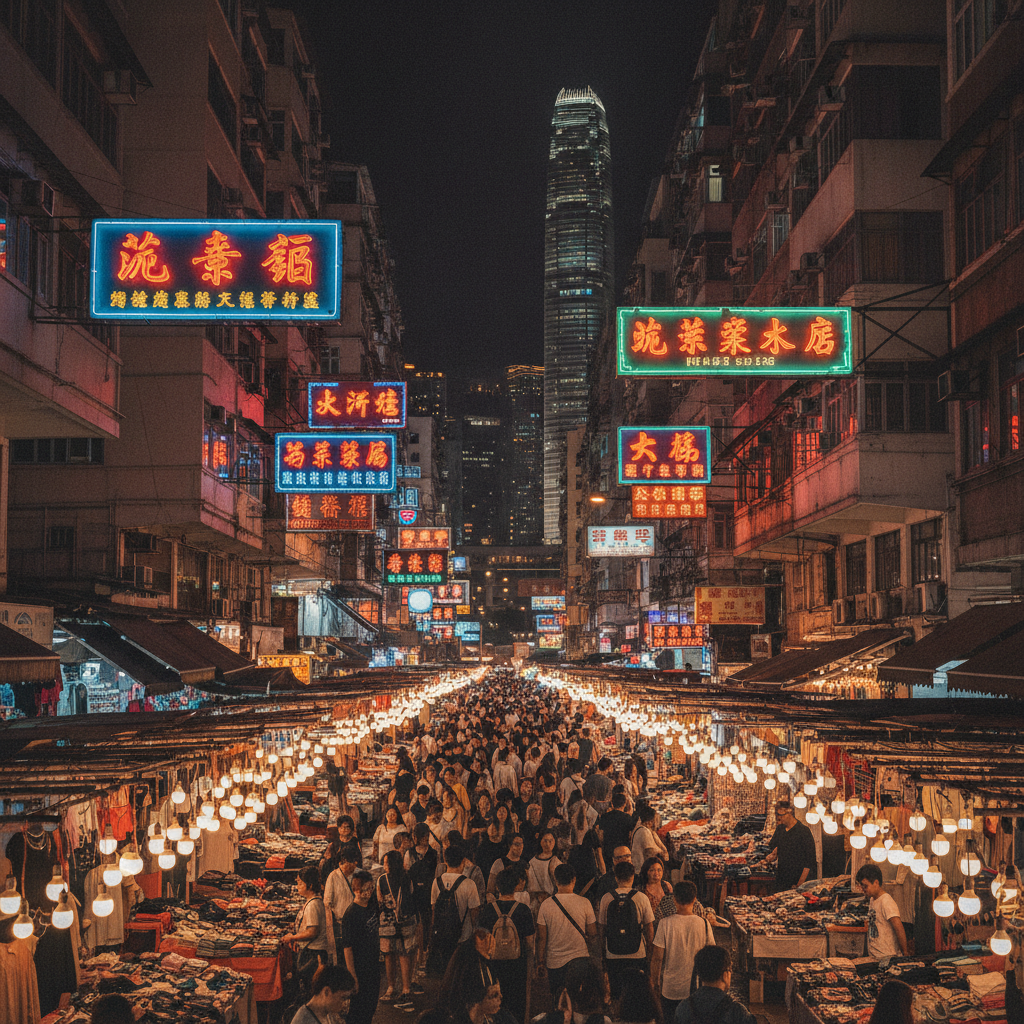
Temple Street Night Market (Temple Street, Yau Ma Tei, operating nightly from approximately 6pm to midnight, the most atmospheric and densely packed night market in Hong Kong) — the market occupies the 400-metre section of Temple Street between Man Ming Lane and Nanking Street, with stalls spilling onto the footpaths on both sides of the road, selling cheap clothing, counterfeit designer goods, electronic accessories, jade, watches, and a range of Hong Kong street food including fish balls, stinky tofu, and clay pot rice. The market is bisected by the Tin Hau Temple (Public Square Street, Yau Ma Tei, the temple to the sea goddess Tin Hau who is the primary patron deity of the Cantonese fishing community; the current temple dates from 1876 but a shrine on this site has existed since before the British arrival in 1841, making this one of the oldest religious sites in Hong Kong) and is most famous at its southern end for its fortune tellers (who read faces, palms, and bird-drawn cards), Cantonese opera performances (performed informally on portable stages between the stalls, a tradition maintained for over 60 years), and dai pai dong street food stalls (outdoor cooking stalls that were originally government-licensed street kitchens, with licenses inherited by family members; most dai pai dong licenses disappeared after licensing restrictions in the 1970s, but Yau Ma Tei is one of the few areas where they still operate).
Walk this route with audio
Stories play automatically as you reach each stop — no tapping needed.
More in hongkong
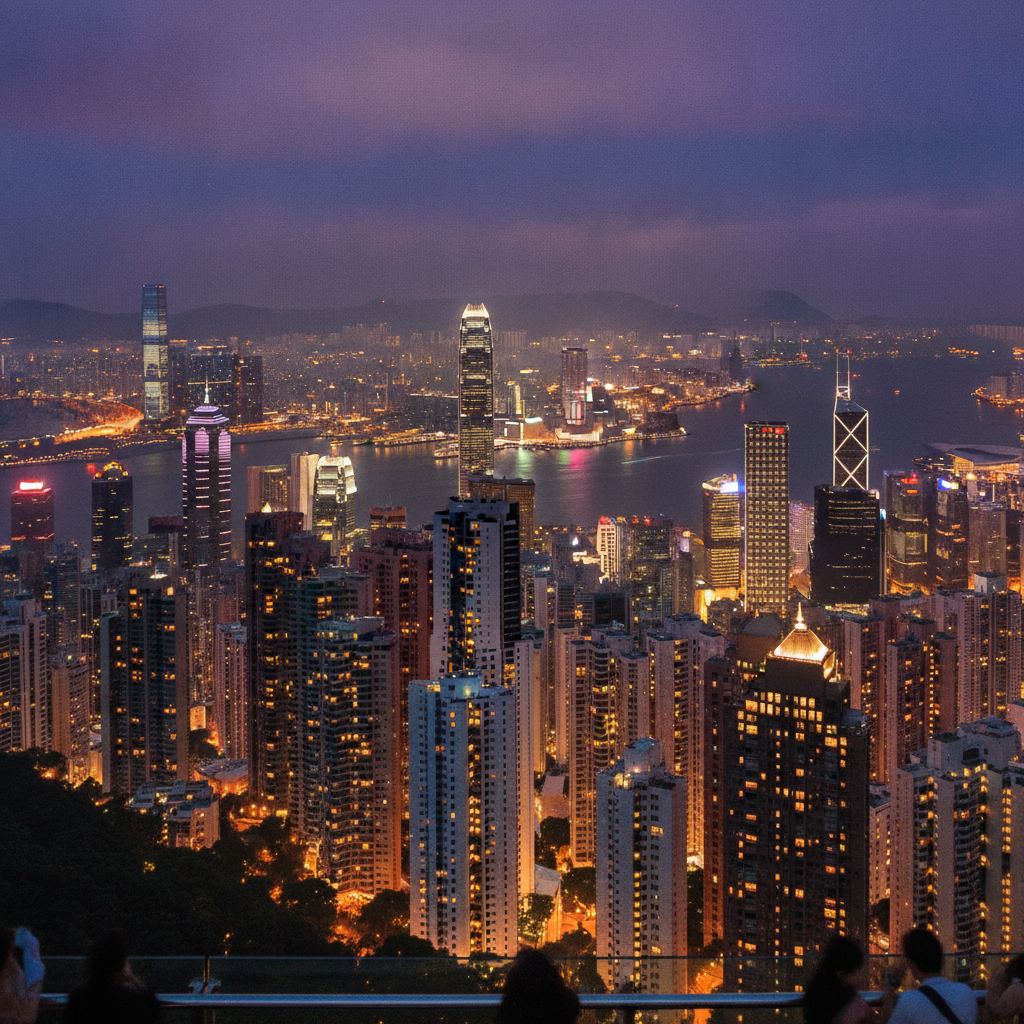
Victoria Peak, Peak Tram & Central: Hong Kong's Defining Panorama
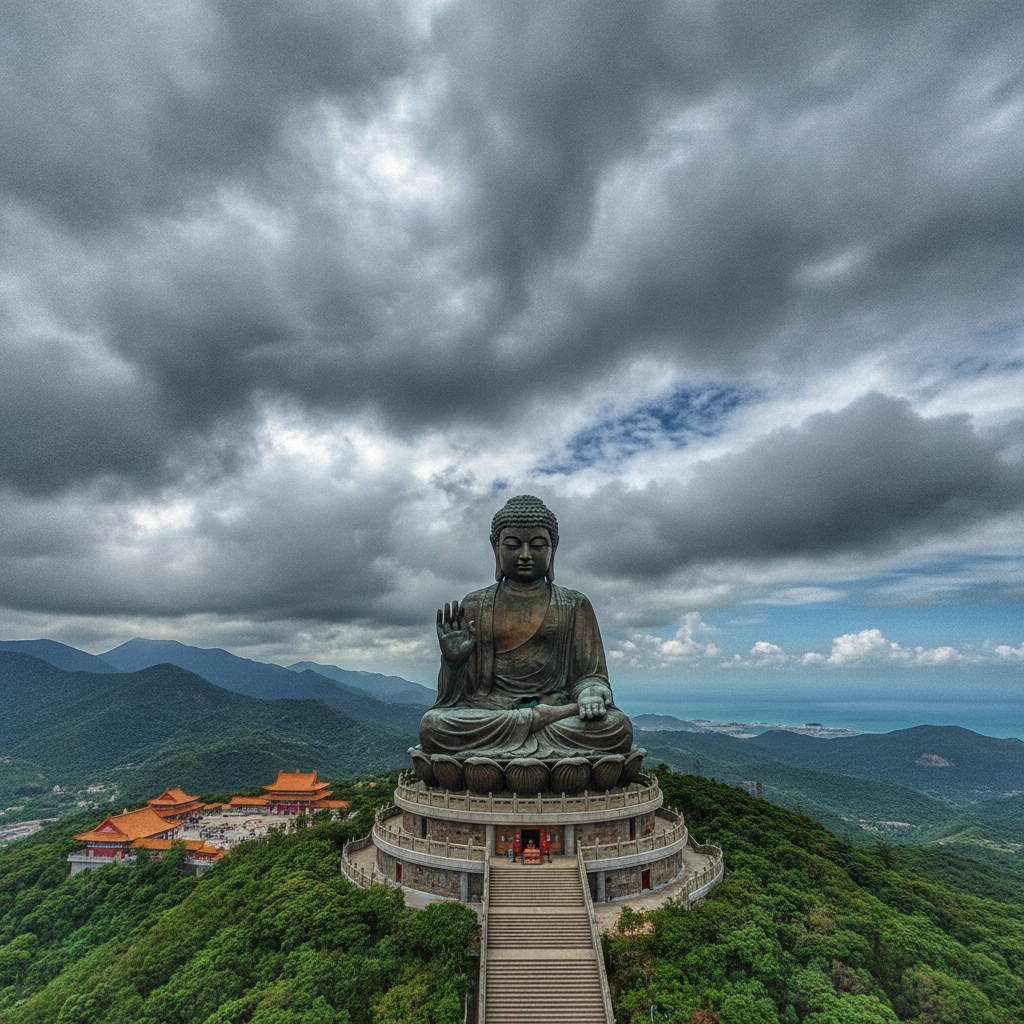
Lantau Island: Big Buddha, Ngong Ping 360 Cable Car & Po Lin Monastery
Mong Kok: Ladies' Market, Goldfish Market, Flower Market & Bird Garden
Cheung Chau & Lamma Island: Hong Kong's Car-Free Outlying Islands
Central, SoHo & the Mid-Levels Escalator: Hong Kong's Vertical City