Hội An Beyond the Ancient Town: Cham Tower-Temples B52-Bombed in 1969, Cao Lầu Made from One Well's Water & the Mã Châu Silk Weavers Nobody Cycles To
Mỹ Sơn's Group A tower destroyed by B52 strike targeting Viet Cong in 1969—the most significant cultural heritage loss of the American War and now a UNESCO site 40 km from Hội An; Trà Quế herb village's certified organic gardens supplying the cooking class market at 06:30; the 50 cooking schools making Hội An the world's most visited destination for Vietnamese cooking education with cao lầu technique and bánh xèo heat control; the dawn golden hour at 05:30 before tourists arrive when vegetable sellers and temple sweepers are the only subjects; Mã Châu village's 50 traditional floor looms producing silk 5 km north of the Ancient Town at prices far below the shopfront retail; and An Bàng beach's fishing boat catch arriving at the Hội An market by motorbike at 05:30.
- 1
The My Son Sanctuary – Cham Civilisation at the River Valley
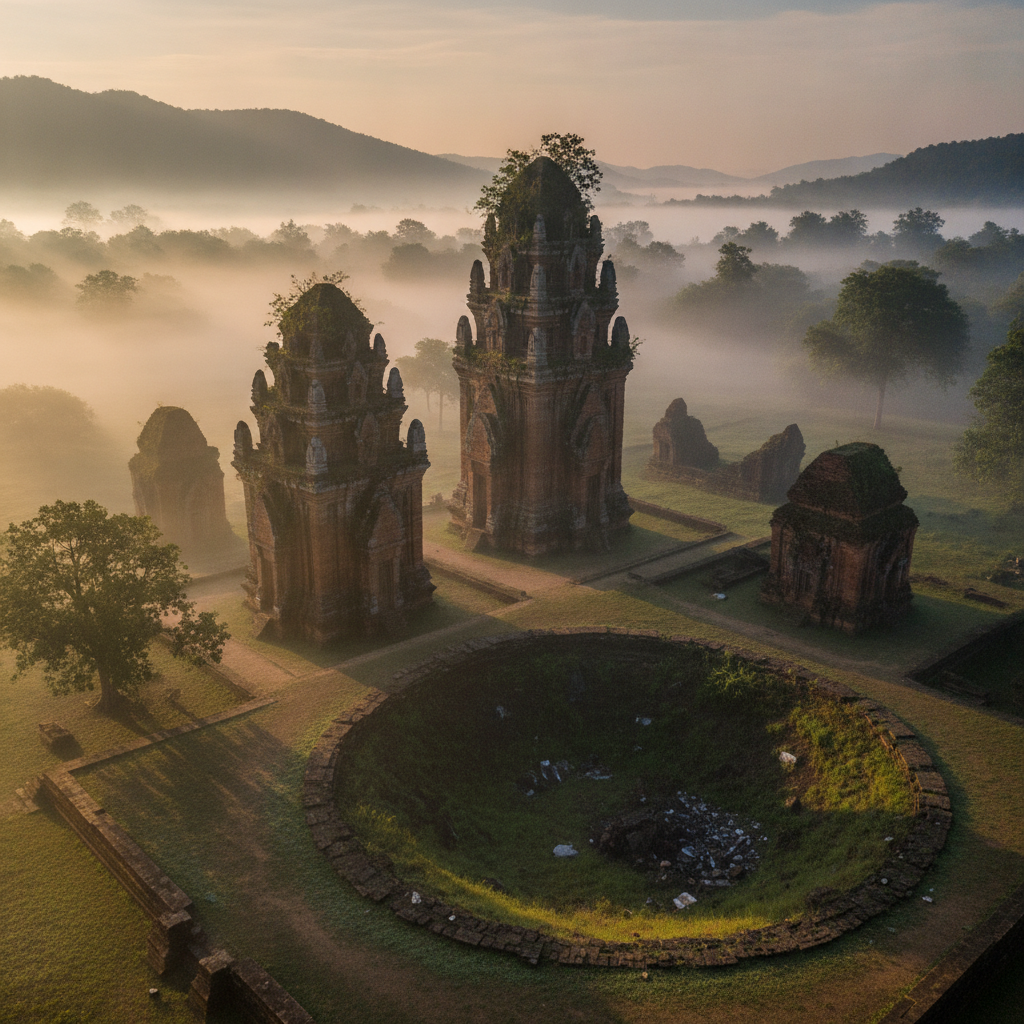
Mỹ Sơn (a valley 40 km southwest of Hội An, accessible by road and river in approximately 1.5 hours; the UNESCO World Heritage Site inscribed in 1999 jointly with Hội An): the principal religious sanctuary of the Cham Kingdom (the Hindu state that dominated central Vietnam from approximately the 4th to the 15th centuries CE, the predecessor civilisation of the region now encompassed by central Vietnam), containing approximately 70 surviving brick tower-temples of the 7th–12th centuries. The Cham civilisation: the Kingdom of Champa (originating in 192 CE, reaching its peak territory in the 10th–11th centuries, declining under Vietnamese expansion northward from the 11th century, and effectively absorbed into the Vietnamese state by 1832) was a Hindu polity heavily influenced by Indian religious and artistic traditions—the Cham temples combine the South Indian temple tower (shikhara) form with locally specific decorative vocabularies. The Mỹ Sơn site: the valley (enclosed by mountains on three sides, cut by a river, creating a naturally sacred landscape) contains the remains of temples organised in 12 groups (lettered A through L); the best-preserved complex is Group B-C-D (7th–9th centuries); the most damaged is Group A (bombed by the US Air Force in 1969—the B52 strike targeting Viet Cong positions in the valley, destroying the largest tower in Mỹ Sơn).
- 2
Hội An's Bicycle Culture – Rice Paddies & Village Life
The bicycle experience of Hội An—cycling out of the Ancient Town through the rice paddies of Quảng Nam province—is consistently rated by visitors as the most memorable activity in Hội An: more so than the tailoring, the food, or the ancient town walks. The standard cycling circuit: bicycle north from the Ancient Town along the Thu Bồn riverside path (2 km of flat concrete path between the river and the rice paddies; the most atmospheric morning cycling in central Vietnam); turn inland through the Trà Quế herb village (a vegetable and herb farming village that supplies the Hội An restaurants—certified organic production methods, guided tours of the farming techniques available from 07:00); continue to Kim Bồng carpentry village (the village that produces the architectural woodwork used in the restoration of the Ancient Town's heritage buildings—the last village in Vietnam with active traditional mortise-and-tenon joiners working to pre-industrial standards). The Thanh Hà pottery village: 3 km west of the Ancient Town along the Thu Bồn River—the pottery-making tradition that supplied the trading port's storage and cooking vessel needs; the potters (the village has approximately 20 active kilns) demonstrate the traditional wheel-throwing technique for visitors; the prices are the cheapest source of Hội An ceramics available.
- 3
The Hội An Cooking Class Industry & Farm-to-Table
Hội An has the highest density of cooking class operations in Southeast Asia: approximately 50 cooking schools (ranging from the market-to-kitchen format at the Hội An Eco Cooking School and the Red Bridge Cooking School to the farm-to-table format at Thuan Tinh Island's river farm cooking experience) operate year-round, making Hội An the single most visited destination for Vietnamese cooking education in the world. The standard format: market visit (06:30–07:30 at the Hội An central market—buying the ingredients for the cooking class dishes, guided by the chef, explains the identification of herbs, the selection of fresh produce, and the pricing conventions of the Vietnamese wet market); cooking session (08:00–11:00—3–4 dishes, demonstration followed by hands-on preparation, the recipes provided for home replication); lunch (the dishes cooked, eaten at the school). The dishes most commonly taught: cao lầu (the signature Hội An noodle dish), gỏi cuốn (fresh spring rolls—rice paper, vermicelli, shrimp, and herbs; the technique of wrapping being the primary skill taught), bánh xèo (the Vietnamese crispy pancake made with turmeric batter, filled with pork, shrimp, and bean sprouts—a different cooking challenge involving heat control). The cost: USD 25–50 per person for a full 4-hour class including the market visit and the cooked lunch—the best value cooking education available in Southeast Asia by international comparison.
- 4
The Hội An Photography Scene – Capturing the Ancient Town
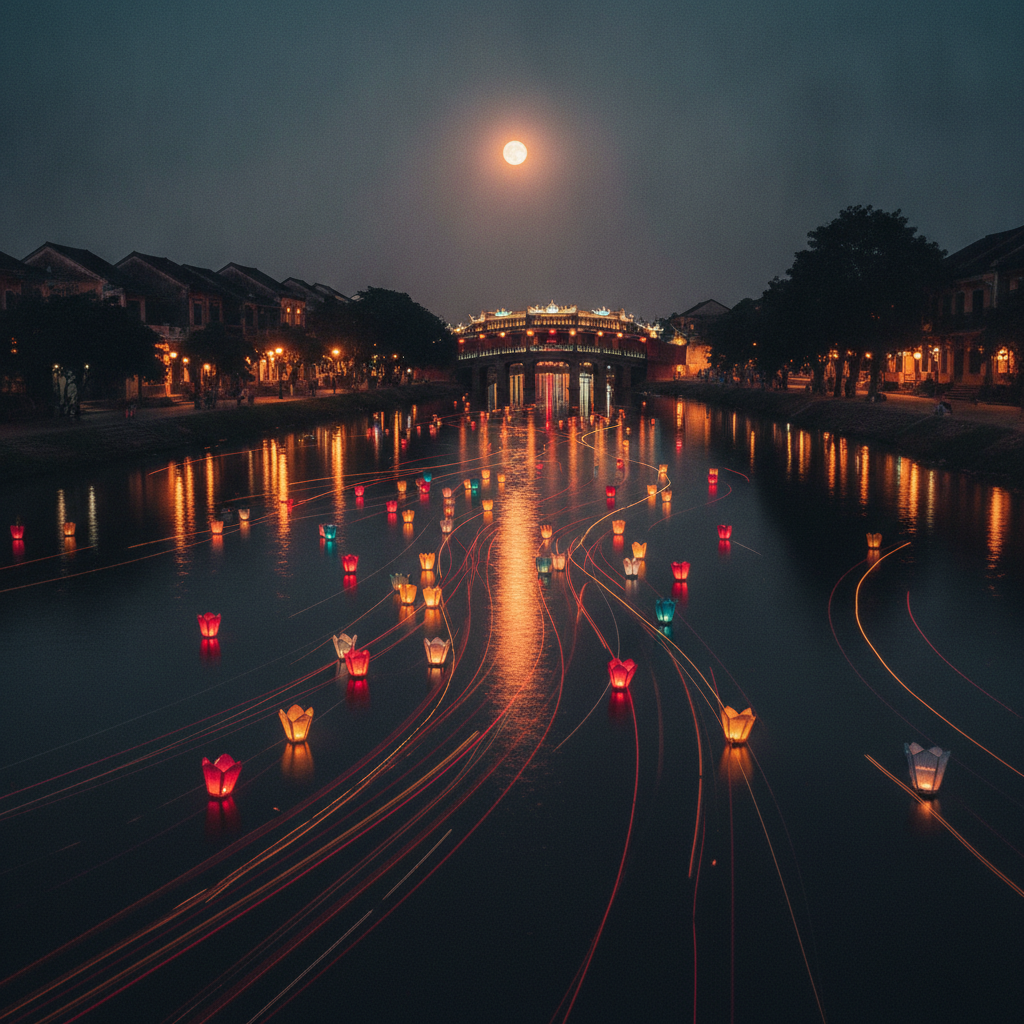
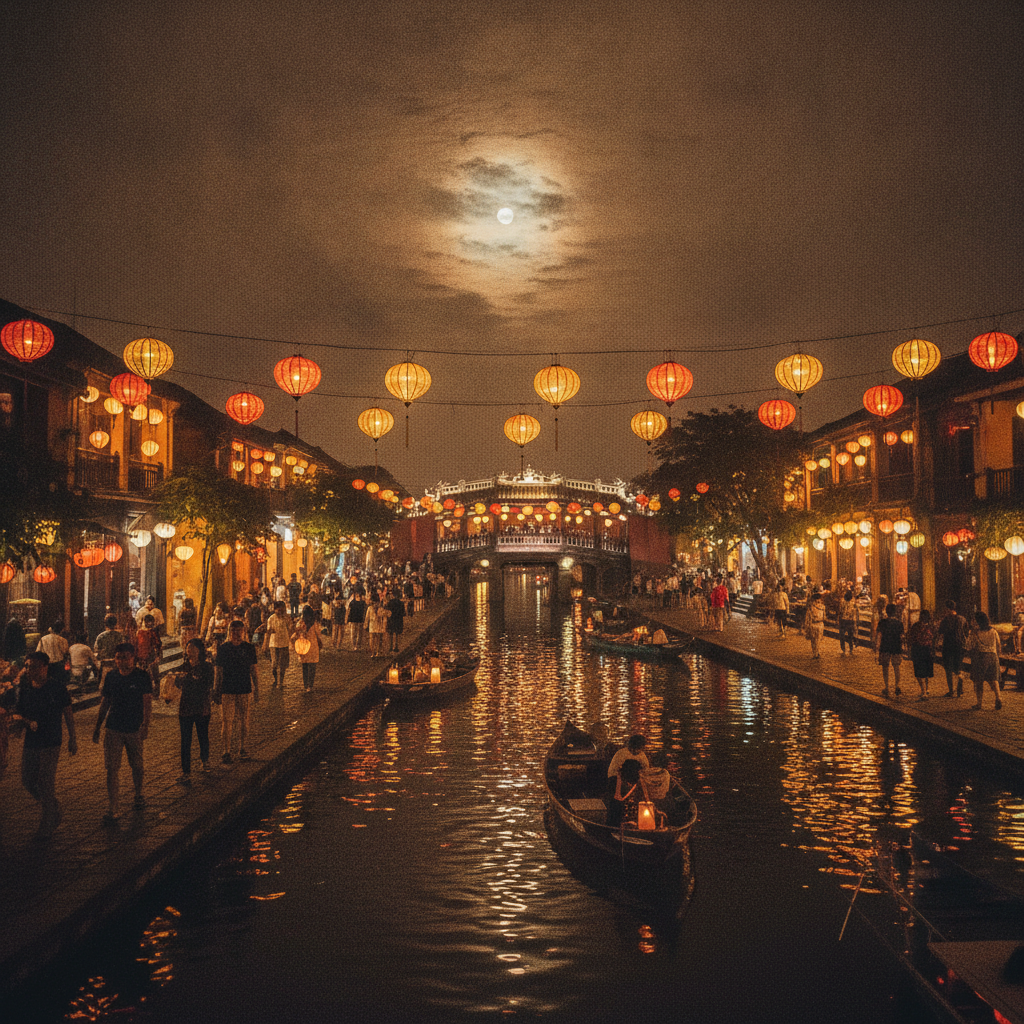
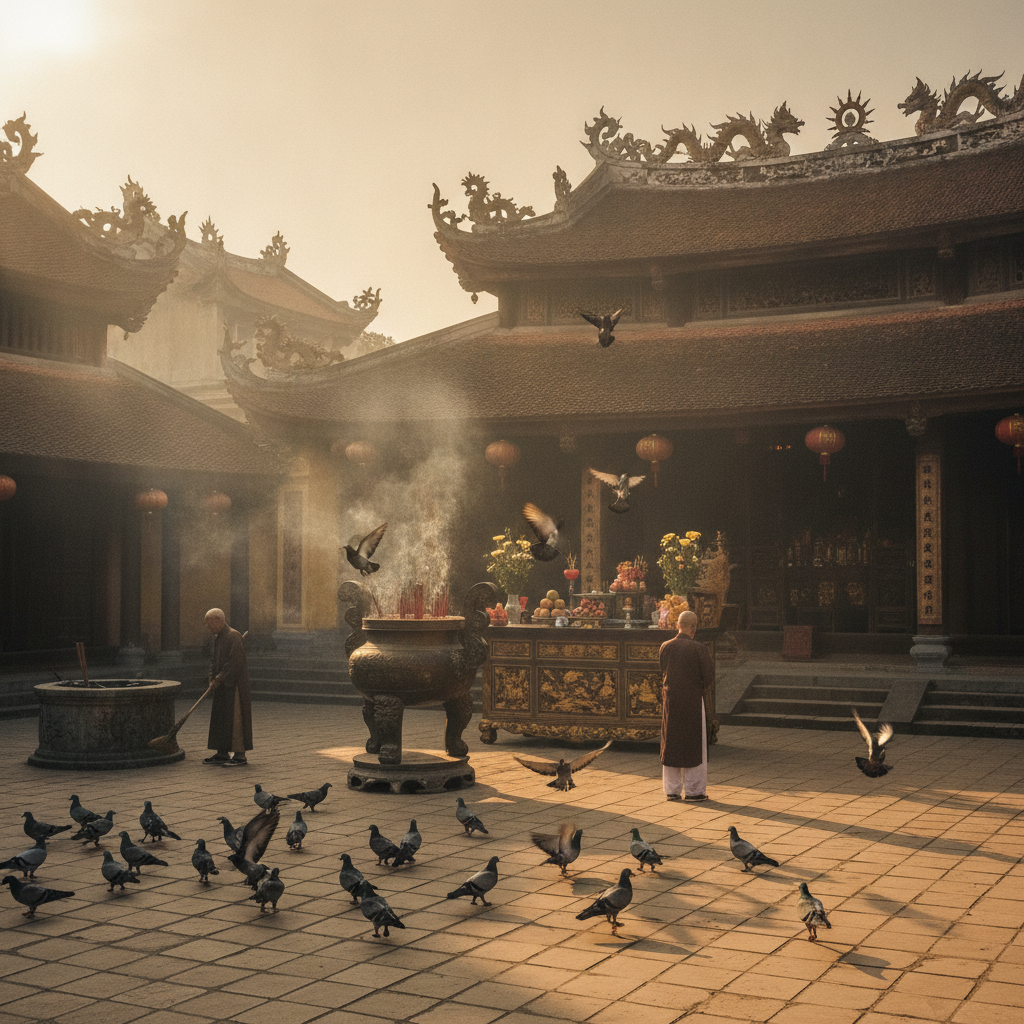
Hội An is the most photographed town in Vietnam: the combination of the intact historical architecture (the tile roofs, the yellow-painted walls, the wooden shopfronts), the seasonal decorations (the lanterns, the fresh flower arrangements placed by businesses along the street), the river reflections at night, and the human activity of a living town (the market vendors, the tailors at their machines, the students cycling to school) makes Hội An uniquely photogenic in a way that more manicured or more touristy historical towns are not. The photography windows: the dawn golden hour (05:30–07:00—before the tourist influx; the most atmospheric time for the Ancient Town; the vegetable sellers arrive, the temple keepers sweep the courtyards, the fishing boats return to the market); the late afternoon (16:00–18:00—the best quality light for architecture photography, the shadows creating depth on the yellow facades); the full moon night (the lantern festival—the most dramatic single night photography event in Vietnam). The ethical dimension: Hội An's photographic attractiveness has created tension with the resident community—the 'living museum' dynamic (where residents feel observed as props rather than respected as inhabitants) has produced community engagement guidelines for visitor photography (the standard is to ask permission before photographing people in their homes or workplaces; most Hội An families are accustomed to respectful photography and appreciate the acknowledgement).
- 5
The Hội An Textile & Silk Heritage
The Hội An silk and textile tradition—the material foundation of the trading port's economic significance from the 15th century onward—remains visible in the Ancient Town's silk merchant shops, the tailoring industry, and the weaving villages accessible by bicycle from the town. The silk road of Southeast Asia: Hội An's role in the international silk trade (Vietnamese silk was the primary export commodity from the 15th–18th centuries, valued in Japan, China, and Europe for its fine texture and the distinctive dyeing methods of the Nguyễn lords' workshops) explains the architecture of the town—the merchant warehouse houses (the trường kỳ—narrow, deep shophouses with the front portion for commercial display, the middle courtyard for ventilation and light, and the rear portion for residential use and warehousing) are specifically designed for the storage and display of bolts of silk and the negotiation of silk prices with visiting traders. The silk village (Mã Châu weaving village—5 km north of Hội An, accessible by bicycle): one of the few remaining locations in Quảng Nam province where hand-loom silk weaving is still practised; the cooperative operates approximately 50 traditional wooden floor looms; visitors can watch the weaving process and purchase direct from the producers at prices significantly below the Ancient Town retail shops.
- 6
Beyond the Ancient Town – An Bàng Beach & the Cycling Coast
The An Bàng Beach (5 km northeast of the Ancient Town—accessible by bicycle in 20 minutes, one of the most cycle-accessible beaches of any major tourist town in Southeast Asia) is the principal beach destination for Hội An visitors and the most low-key alternative to the overcrowded and overdeveloped Mỹ Khê beach further north toward Đà Nẵng. The beach: An Bàng is a 3-km stretch of fine brown sand (not the white silica of Boracay or the Philippines) facing east over the South China Sea—the sea conditions are calm from March to August (the best swimming season) but can be rough and dangerous from October to February (the typhoon season swell). The beach village: the fishing village of An Bàng (which gives the beach its name) is the origin of the Hội An fresh seafood supply—the morning catch is delivered to the Hội An market by motorbike from the An Bàng fishing boats between 05:00 and 07:00. The beach bar culture: the international beach bar culture of An Bàng (Soul Kitchen, La Plage, Mango Mango—the names and ownership change, but the format—fresh seafood, cocktails, sunbeds under palm-thatch umbrellas, beach volleyball) is the most relaxed beach destination within cycling distance of a UNESCO heritage town in Southeast Asia. The cycling coast route: the 30-km bicycle route north along the coastal road from An Bàng to Mỹ Khê beach and then to Đà Nẵng's Son Trà Peninsula—one day, sea views the entire route, through three distinct beach resort environments.
Walk this route with audio
Stories play automatically as you reach each stop — no tapping needed.
More in Hội An
Hội An: The Japanese Bridge Built in 1593, the Cao Lầu Noodles Made from One Well's Water & the 500 Tailoring Shops That Produce Your Suit in 48 Hours
Hội An's Full Day Cycle: 05:30 Vegetable Boats at the Market, the Bioluminescent Cham Islands After Dark & Why the Living Heritage Model Succeeds Where Angkor Failed
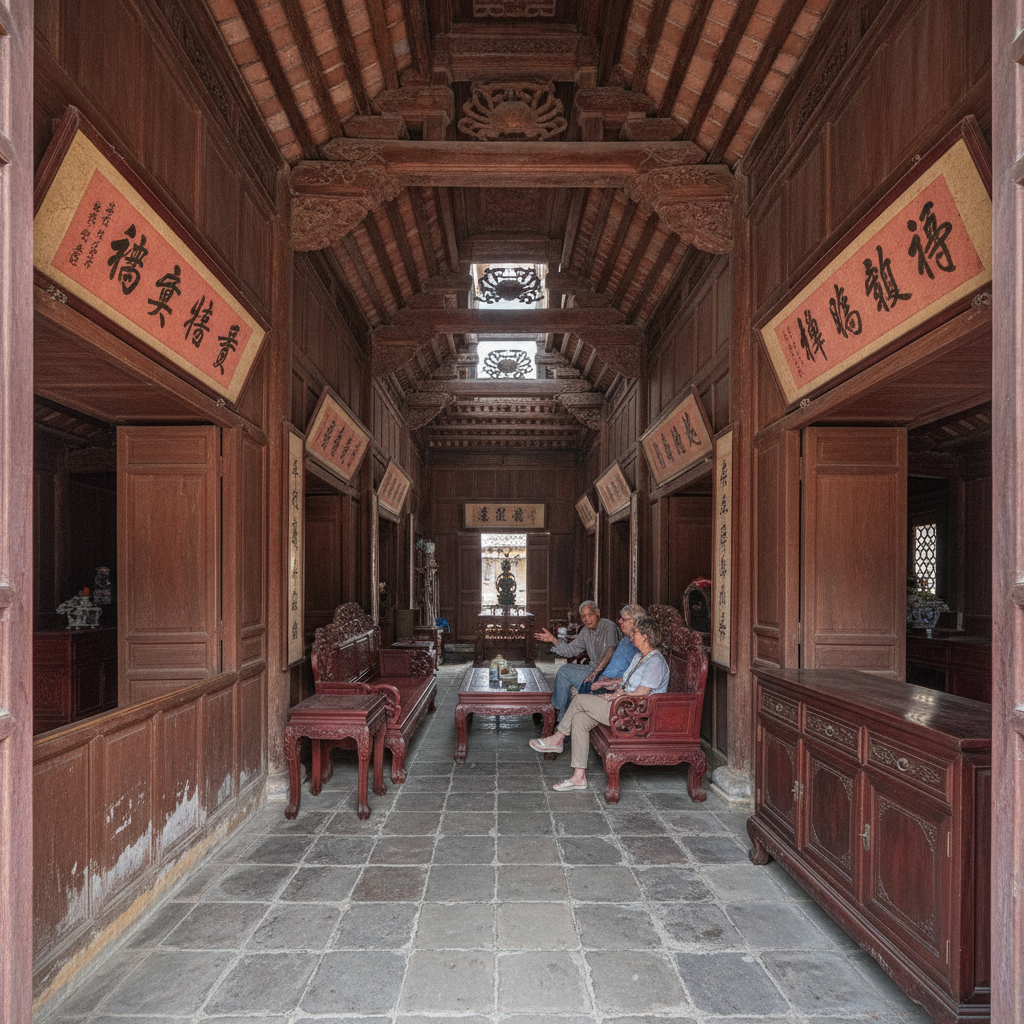
Hội An's Layers: 16th-Century Japanese Silver-for-Silk Trade, 844 Heritage Timber Houses With Flood-Lift Furniture & the 5.7 Million Visitors That Pushed 800 Resident Households Out
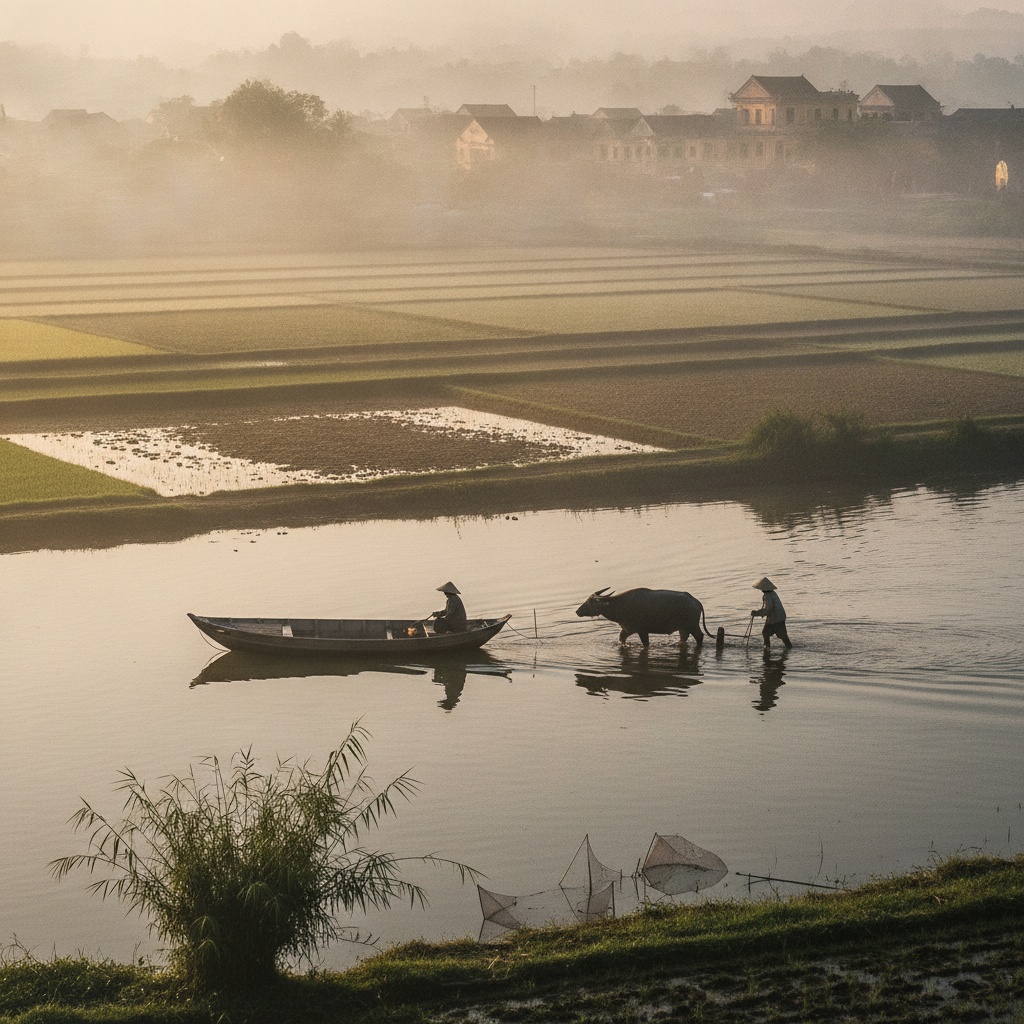
Hội An's Complete Story: Agent Orange in Quảng Nam's Forest, Water Buffalo Ploughing in Cẩm Nam & Why 30% of Visitors Return When Only 8% Return to Halong Bay