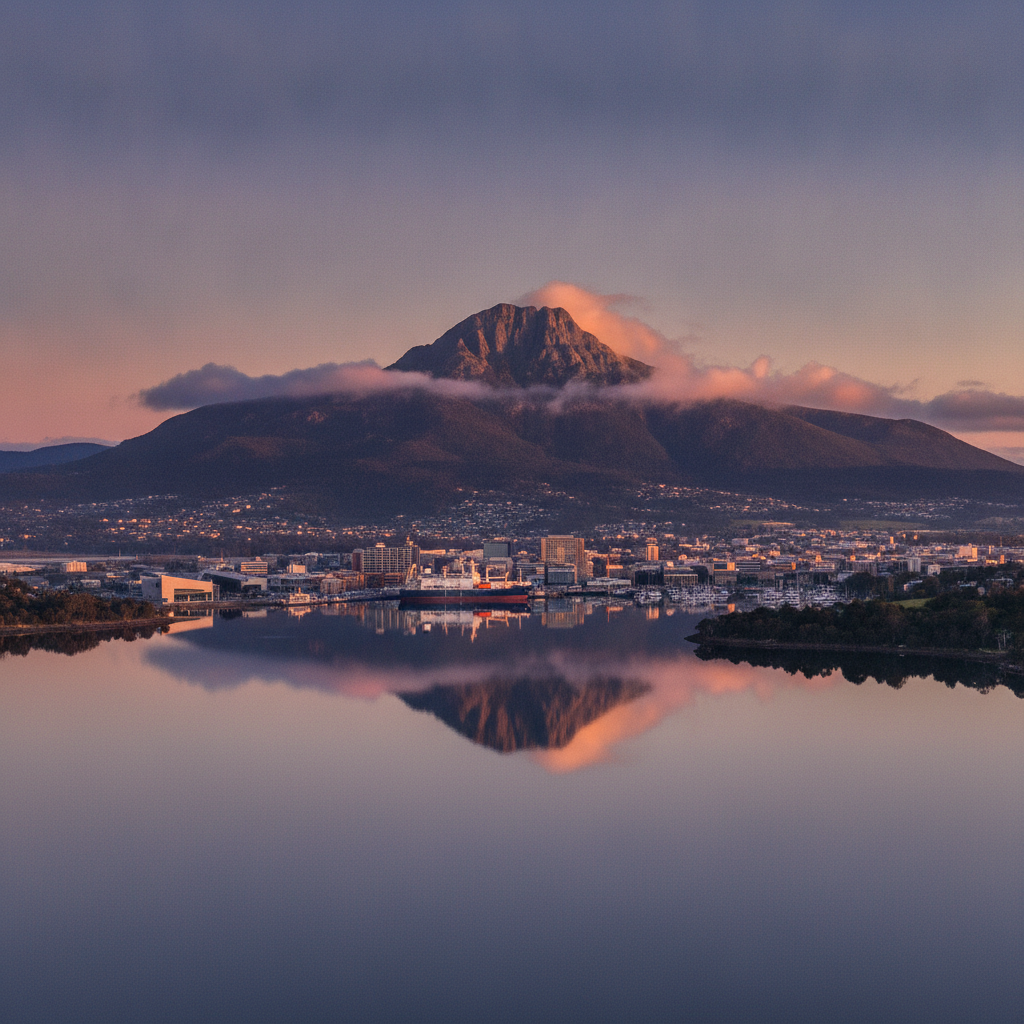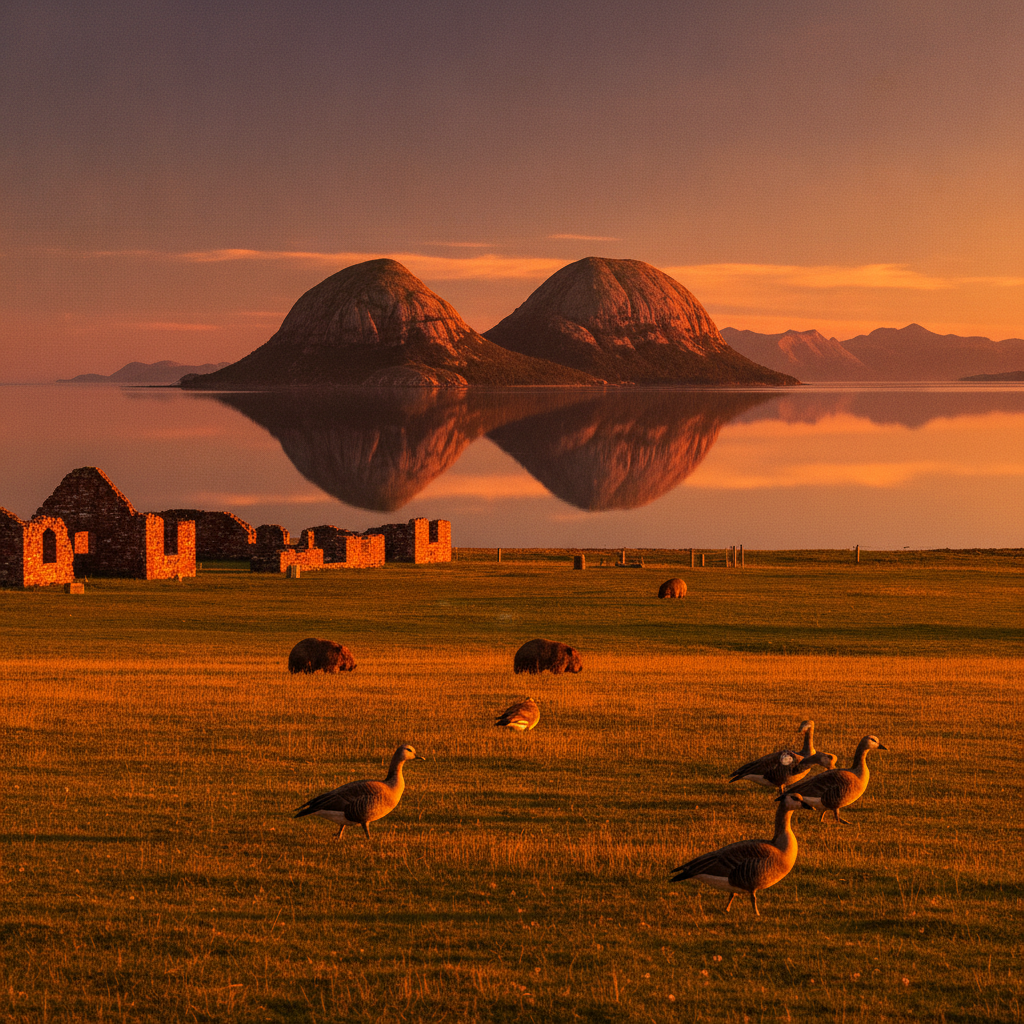
Hobart: Sullivan Cove Waterfront and Thylacine De-Extinction Project, Tasmanian Devil Facial Tumour Disease, Hobart Farm-to-Table Food Scene, Maria Island National Park, Spirit of Tasmania Ferry, and Why MONA Changed Australian Tourism Forever
Hobart final: Sullivan Cove waterfront (Constitution Dock, fish punts), thylacine extinction story and Colossal Biosciences de-extinction project (2030 target), Tasmanian devil DFTD conservation (Maria Island insurance population), Hobart food (Dier Makr, Agrarian Kitchen, Moo Brew craft beer, Tasmanian gin with native botanicals), Maria Island (densest wombats, convict ruins, forty-spotted pardalote), the MONA effect on Tasmanian tourism, and the complete four-route Hobart visitor verdict.
- 1
Hobart Waterfront and Sullivan Cove
Sullivan Cove (the historic waterfront of Hobart, immediately east of the CBD): the primary tourist and dining waterfront of Hobart, with Constitution Dock (the fishing wharf that is the finish of the Sydney to Hobart yacht race and the site of the famous floating fish punts selling fish and chips), Mures Fish Centre (the three-storey fish restaurant and retail complex), and the Brooke Street Pier (the passenger ferry terminal for the MONA ferry and the Bruny Island connection). The Hunter Street wharf precinct (the former IXL jam factory converted to the Henry Jones Art Hotel and the Peacock and Jones restaurant): the warehouse conversion that began the transformation of the Hobart waterfront in the early 2000s. The Hobart Museum and Art Gallery (at Macquarie Street, in the historic Carnegie building): the primary public museum of Tasmania, with the Tasmanian tiger thylacine display (the preserved specimens of the thylacine, the large marsupial predator declared extinct after the last known individual died in Hobart Zoo on 7 September 1936). The thylacine (Thylacinus cynocephalus): the only marsupial apex predator of mainland Australia and Tasmania, driven to extinction by hunting and habitat loss; there have been numerous unverified sightings since 1936. The Hobart Rivulet (the small river running from the Mount Wellington springs through the CBD to Sullivan Cove): the water source that made the Hobart site habitable in 1804.
- 2
The Thylacine and Tasmania Unique Wildlife
The thylacine (Tasmanian tiger): the largest marsupial predator of modern times, with the distinctive striped back half, the stiff kangaroo-like tail, and the extraordinary jaw that could open to nearly 90 degrees. The thylacine was hunted to extinction in mainland Australia approximately 2,000 years ago (the dingo, introduced by Aboriginal people, is thought to have outcompeted the thylacine); it survived in Tasmania (where dingoes were never present) until European hunting for the government bounty (AUD 1 per head from 1888 to 1909) eliminated the remaining population. The Colossal Biosciences de-extinction project: the Dallas-based biotech company has partnered with the University of Melbourne to attempt to de-extinct the thylacine using CRISPR gene editing to modify the genome of the fat-tailed dunnart (the closest living relative of the thylacine) toward the thylacine genotype. The project aims to produce the first thylacine-like animal by 2030, though the ethical and scientific challenges are significant. The Tasmanian devil (Sarcophilus harrisii): the largest carnivorous marsupial in the world (following the extinction of the thylacine), found only in Tasmania. The Tasmanian devil facial tumour disease (DFTD, a contagious cancer transmitted by biting): has killed approximately 80% of the Tasmanian devil population since 1996. The Save the Tasmanian Devil Program has established insurance populations on mainland Australia and Maria Island (off the east coast of Tasmania) to protect against extinction.
- 3
Hobart Food Scene - Farm to Table in the Southern Ocean
The Hobart food scene: the most exciting food city in Australia relative to its size. The primary Hobart food experiences: the freshest seafood in Australia (the abalone, the rock lobster, the oysters, the Atlantic salmon, the wild-caught striped trumpeter, and the flathead are all available from Hobart fish markets and restaurants), the Farmgate Market (the weekend farmers and producers market in the CBD, the best producers market in Hobart after Salamanca), and the restaurant scene. The Hobart restaurant highlights: Dier Makr (the most exciting fine dining experience in Hobart, a collaborative tasting menu in a small dining room), The Agrarian Kitchen (at New Norfolk, 40 km from Hobart: the farm restaurant in the former psychiatric hospital kitchen garden, sourcing almost entirely from the on-site farm), and Fico (the Italian-influenced Hobart fine dining, consistently among the best restaurants in Australia). The Hobart craft beer scene: the Cascade Brewery (the heritage brewery, producing the primary Tasmanian lager) and the newer craft breweries (the Little Rivers Brewing Company, the Moo Brew, and the Two Metre Tall). Moo Brew: the craft brewery associated with MONA, producing the beers served at the MONA restaurant and bar. The Hobart gin distillery scene: the emergence of Tasmanian craft gin (using native botanicals including pepperberry, kunzea, and anise myrtle) has added a further dimension to the Tasmanian spirits category.
- 4
Hobart Four-Route Final Complete: Tasmania in One Statement
Hobart four-route final assessment. Route 1: MONA, Salamanca Market, Battery Point, Cascade Brewery, kunanyi, Port Arthur, practical guide. Route 2: Bruny Island oysters and penguins, Huon Valley cider and salmon, Overland Track, Launceston, Antarctic gateway. Route 3: Tasmanian whisky (world best), Dark Mofo winter festival, Freycinet and Wineglass Bay, Bay of Fires, palawa Aboriginal culture, Sydney to Hobart race. Route 4 (this route): Sullivan Cove waterfront, thylacine story and de-extinction project, Tasmanian devil conservation, Hobart farm-to-table food scene (Dier Makr, Agrarian Kitchen, Moo Brew). Tasmania in one statement: the island state of Australia is approximately the size of Ireland, contains two UNESCO World Heritage Sites (the Tasmanian Wilderness and the Australian Convict Sites), the oldest operating brewery in Australia, the world finest single malt whisky, the most innovative art museum in the country (MONA), the best oysters in Australia (Bruny Island), one of the top ten beaches in the world (Wineglass Bay), the most significant de-extinction project underway for any mammal (the thylacine), and the most distinctive annual arts festival in the southern hemisphere (Dark Mofo). It is the most compelling island destination in Australia and one of the most compelling in the southern hemisphere. Fly in, rent a car, and spend 10 days.
- 5
Maria Island National Park and the East Coast Drive
Maria Island (the island off the east coast of Tasmania, accessible by ferry from Triabunna, 85 km north of Hobart, 1 hour by road): the car-free national park island with colonial convict ruins, Australian wildlife, and the extraordinary Bishop and Clerk dolomite peaks. The Maria Island wildlife: the wombat population on Maria Island is the densest wombat concentration in Australia; the Tasmanian devil (reintroduced to Maria Island as an insurance population in 2012); the forester kangaroo; the pademelons; the Cape Barren goose; and the forty-spotted pardalote (the rarest bird in Tasmania). The Darlington Probation Station (the convict ruins on Maria Island): the UNESCO World Heritage convict site, with the commissariat store, the convict cottages, and the penitentiary ruins from the 1840s-1870s operation. The Fossil Cliffs and the Painted Cliffs of Maria Island: the Triassic-period sandstone fossil layers and the ochre, white, and red banded sandstone patterns of the wave-eroded cliffs. The East Coast Tasmanian Drive (from Hobart to Swansea, St Helens, and the Bay of Fires): the primary scenic coastal drive of Tasmania, passing through the Orford, Swansea, and Bicheno (the Bicheno Blowhole and the Bicheno Penguin Tour, the most accessible little penguin colony in Tasmania after Bruny Island). Bicheno Penguin Tours: the guided after-dark penguin viewing at Bicheno, where the little penguins return to their burrows on the rocky shore.
- 6
Hobart Conclusion: Why Tasmania Changed Australian Tourism
Tasmania in Australian tourism history: for most of the twentieth century, Tasmania was a backwater of Australian tourism — the ferry crossing (the Spirit of Tasmania, from Melbourne to Devonport, overnight), the cold weather, and the remoteness deterred the mainstream domestic visitor market. The MONA effect: the opening of MONA in January 2011 transformed the perception of Hobart within Australia and internationally. The year MONA opened, Tasmanian tourism increased by 15% in 12 months; within three years, Hobart had become one of the most talked-about city destinations in Australia. The broader Tasmanian tourism growth: visitor numbers to Tasmania grew from approximately 900,000 per year (2010) to approximately 1.35 million per year (2019, before COVID-19 disruption). The key enablers: the Tiger Airways and Jetstar direct flight services from Melbourne (1 hour), which made Tasmania accessible as a weekend trip for mainland Australians; the MONA effect on cultural visitors; and the growing international recognition of Tasmanian food and whisky as premium products. The Spirit of Tasmania experience: the overnight ferry from Melbourne (Port Melbourne) to Devonport (on the north coast of Tasmania, 100 km from Launceston) remains the classic way to bring a car to Tasmania; the new vessels entered service in 2024. Tasmania in one destination verdict for the 2020s: it is the most complete small island destination in the southern hemisphere — art, wilderness, food, whisky, colonial history, and wildlife — all within a 2-hour flight from Sydney or Melbourne.
Walk this route with audio
Stories play automatically as you reach each stop — no tapping needed.
More in hobart
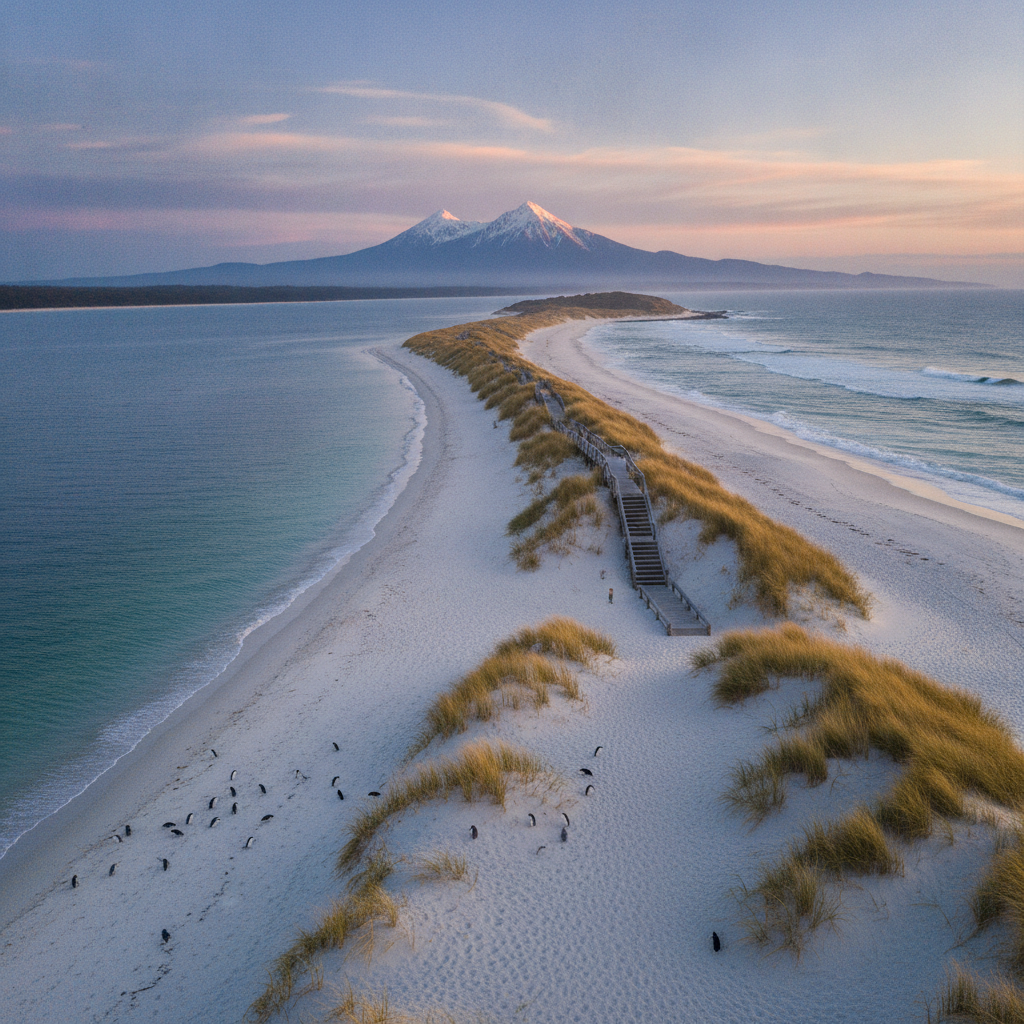
Hobart: Bruny Island Oysters and Little Penguins, Huon Valley Apple Cider and Atlantic Salmon, Overland Track Tasmania Wilderness, Launceston and Coal River Wine, Antarctica Southern Ocean Gateway, Two-Route Complete Verdict
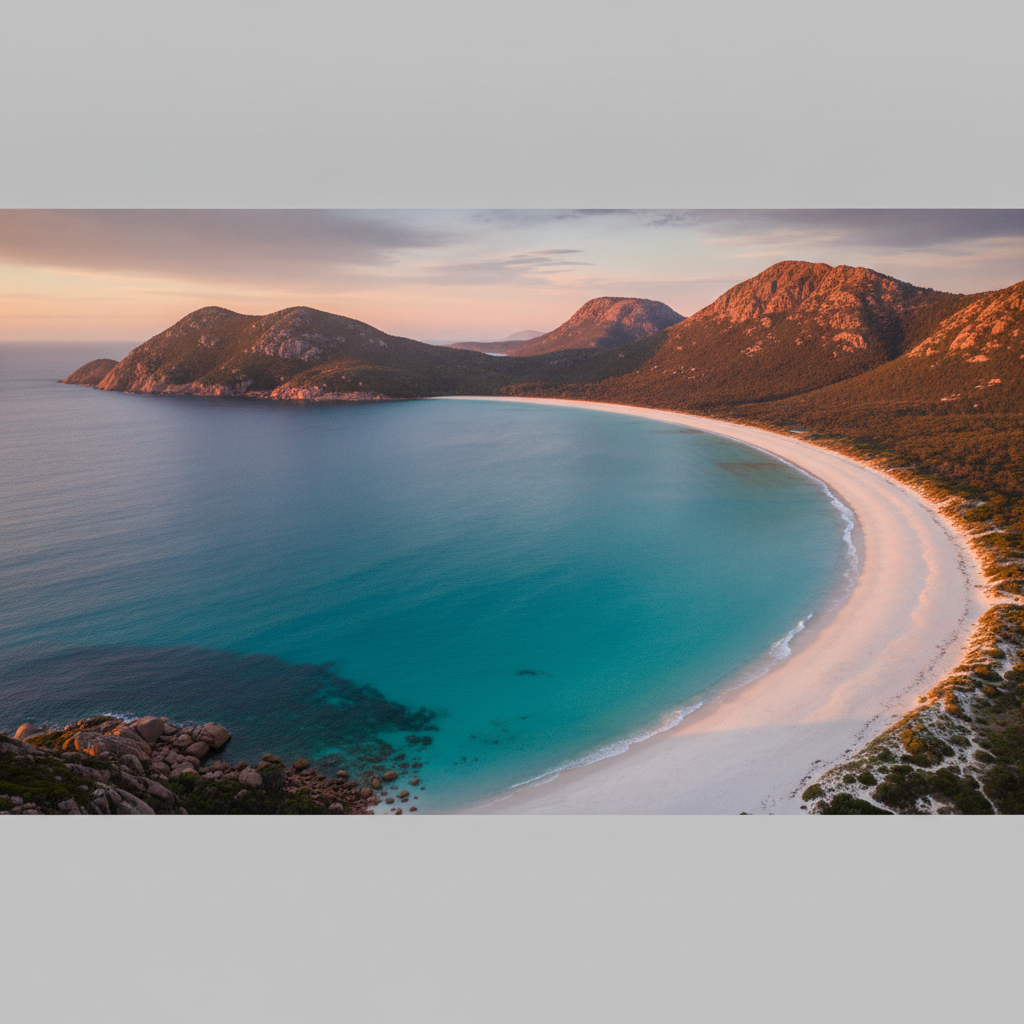
Hobart: Tasmanian Whisky (World Best Single Malt Sullivans Cove), Dark Mofo Winter Festival, Freycinet National Park and Wineglass Bay, Bay of Fires Orange Granite, palawa kani Aboriginal Culture and the Black War, Sydney to Hobart Yacht Race, and Four-Route Complete Verdict