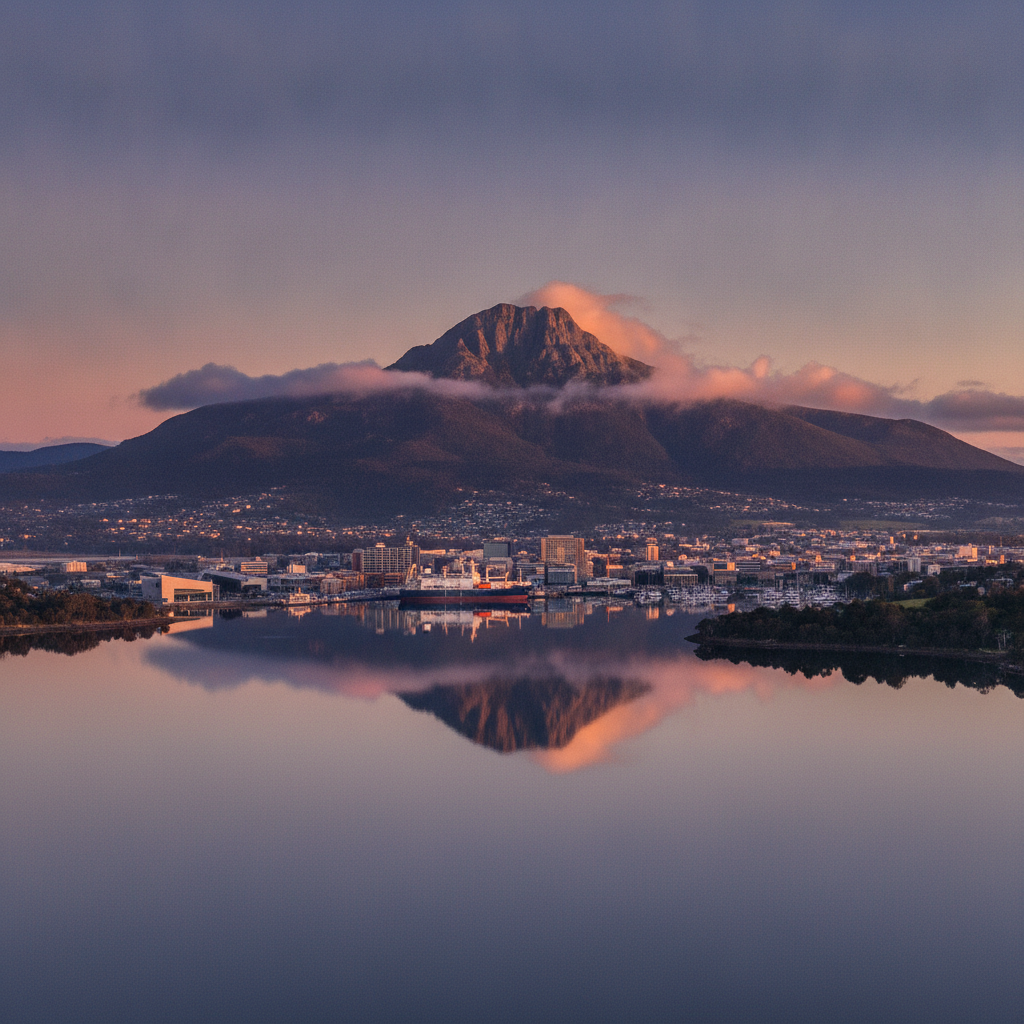
Hobart: Bruny Island Oysters and Little Penguins, Huon Valley Apple Cider and Atlantic Salmon, Overland Track Tasmania Wilderness, Launceston and Coal River Wine, Antarctica Southern Ocean Gateway, Two-Route Complete Verdict
Hobart extended: Bruny Island (Cape Bruny Lighthouse, oysters, penguin rookery), Huon Valley (Willie Smiths cider, Atlantic salmon farming, Tahune AirWalk), Overland Track (Cradle Mountain to Lake St Clair, 6-8 days, Mount Ossa highest point in Tasmania), Launceston Cataract Gorge and Pipers River sparkling wine, Hobart as Southern Ocean and Antarctic gateway (RSV Nuyina icebreaker, Australian Antarctic Division), and the complete Hobart two-route Tasmania verdict.
- 1
Bruny Island - Oysters, Penguins, and Southern Ocean Wilderness
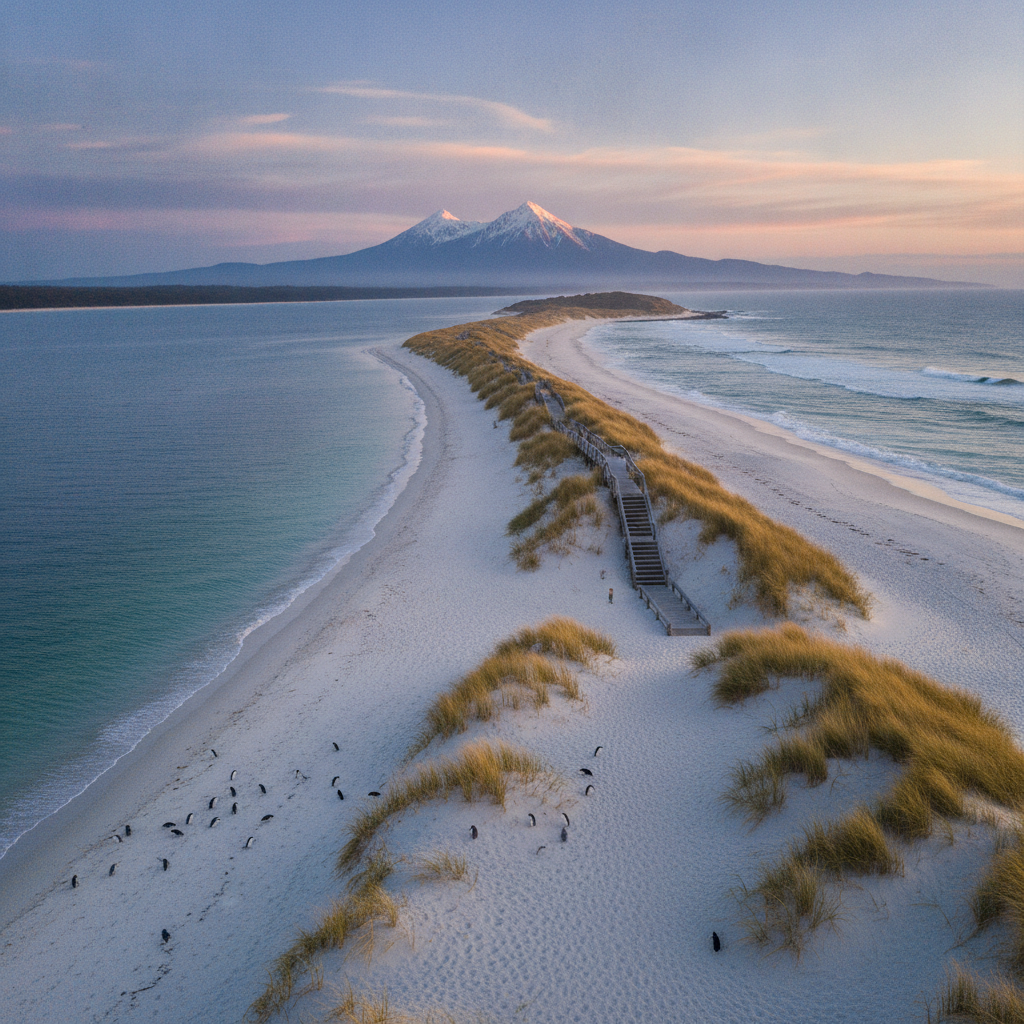
Bruny Island (the island south of Hobart in the D'Entrecasteaux Channel, accessible by ferry from Kettering, 35 km south of Hobart): the primary day trip and weekend escape destination from Hobart. The Bruny Island ferry (approximately 15 minutes from Kettering): the car ferry runs approximately every 30-60 minutes; a car is essential for exploring the island. Bruny Island character: the island consists of two landmasses connected by the Neck (a narrow sand isthmus), with North Bruny (the farming and more-populated end) and South Bruny (the wild southern end with the South Bruny National Park). The Bruny Island Neck (the narrow sand isthmus connecting North and South Bruny): the colony of little penguins (fairy penguins) on the Neck is one of the most accessible penguin rookeries in Tasmania. The Bruny Island Cheese Company and the Bruny Island House of Whisky: the primary artisan food producers of North Bruny. The Bruny Island oysters (the Pacific oysters grown in the pristine waters of the D'Entrecasteaux Channel): widely regarded as the finest Pacific oysters in Australia; the Bruny Island Premium Oysters are harvested from the cold, nutrient-rich water. The Cape Bruny Lighthouse (South Bruny, built 1838): the second-oldest lighthouse in Australia, still operating.
- 2
Huon Valley - Apple Country and Tasmanian Whisky Trail
The Huon Valley (the river valley southwest of Hobart, following the Huon River from Huonville to Geeveston, approximately 60-90 km south of Hobart): the primary orchard and food production region of Tasmania. The Huon apple: Tasmania's apple industry was established in the Huon Valley in the 1880s; at its peak, the Huon Valley was producing 13 million cases of apples per year for the UK market. The apple industry decline: the loss of Commonwealth preference for Australian produce after the UK joined the European Economic Community in 1973 devastated the Huon apple industry; many orchards were abandoned. The cider revival: the small-batch artisan cider movement has revitalized the Huon apple orchards since the 2000s; Willie Smiths Organic Apple Cider (at Huonville) is the most visited cider producer. The Atlantic salmon farming: the Huon Valley fjords (the drowned river valleys of Port Cygnet, the Huon Estuary, and Macquarie Harbour on the west coast) are the primary salmon farming locations of the world's most productive cold-water salmon farming region. Huon Aquaculture is one of the world's largest privately-owned Atlantic salmon producers. The Tahune AirWalk (at Geeveston, 80 km from Hobart): the elevated steel walkway over the Huon River through the tall swamp gum forest canopy.
- 3
The Overland Track and Tasmanian Wilderness
The Overland Track (the 65 km, 6-8 day multi-day wilderness walk from Cradle Mountain to Lake St Clair, within the Cradle Mountain-Lake St Clair National Park): the most celebrated multi-day walk in Australia. The Overland Track experience: the track traverses the central Tasmanian plateau through alpine moorland, sedge buttongrass plains, ancient pencil pine forests, and dolerite summit ridges. The primary summits accessible from the Overland Track: Mount Ossa (1,617 m, the highest point in Tasmania), Mount Pelion West, and the Barn Bluff. The Overland Track logistics: the track is managed with a booking system (the peak season November-April requires a permit and a defined south-to-north direction of travel); huts are provided but tent camping is mandatory in case the huts are full. Wildlife on the Overland Track: wombats (extremely abundant on the buttongrass plains), Tasmanian devils (nocturnal), Bennett wallabies, pademelons, and the endemic Tasmanian endemic plant species (the King Billy pine, the pencil pine, and the pandani, the world tallest heath plant). The Walls of Jerusalem National Park (adjacent to the Overland Track): the extremely remote plateau with the ancient pencil pine forests and the Temple, the Pool of Bethesda, and the Wild Dog Creek camp sites. The Lake St Clair (the deepest lake in Australia, 167 m): the southern terminus of the Overland Track, accessible by ferry across the lake to Cynthia Bay.
- 4
Hobart Three-Route Complete and Tasmania Verdict
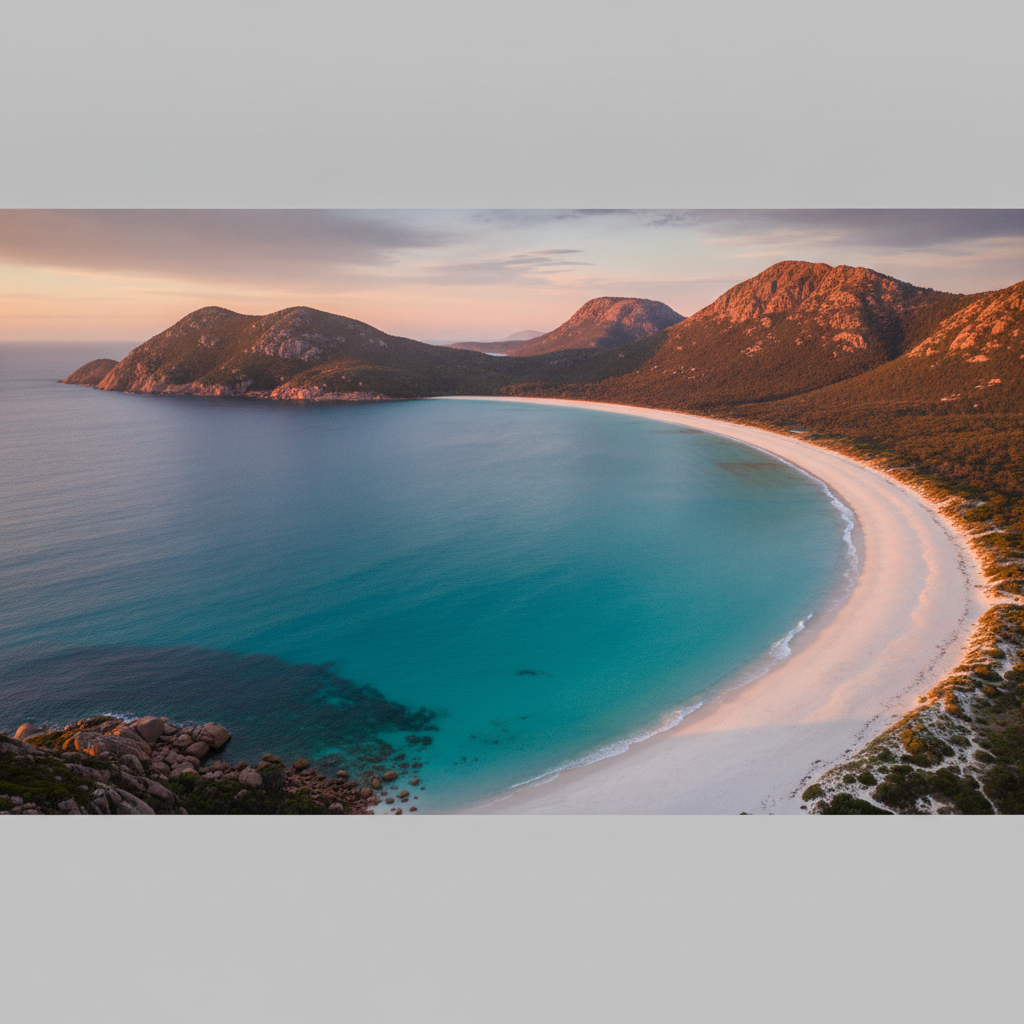
Hobart three-route complete summary. Route 1: MONA, Salamanca Place Saturday Market, Battery Point colonial precinct, Cascade Brewery, kunanyi Mount Wellington, Port Arthur Convict UNESCO site, practical guide. Route 2 (this route): Bruny Island (oysters, penguins, lighthouse), Huon Valley (apple cider, Atlantic salmon farming, Tahune AirWalk), Overland Track and Tasmanian Wilderness. Route 3 coverage: Tasmania as a whole — the island state offers the most concentrated combination of wilderness, colonial heritage, contemporary art, and artisan food of any Australian state relative to its size. Key Tasmania destinations beyond Hobart: Cradle Mountain (170 km north, the wilderness lake and mountain), Freycinet National Park and Wineglass Bay (200 km northeast), the Bay of Fires (260 km northeast, the orange lichen-covered granite boulders and the white sand beaches), Launceston (200 km north, the second city, with the Cataract Gorge and the Pipers River wine country), and the Southwest Wilderness (accessible by light aircraft or the South Coast Track). Hobart final verdict: the most overlooked capital city in Australia for international visitors. MONA alone justifies the flight. The combination of MONA, Salamanca Market, Bruny Island oysters, kunanyi, and the Overland Track puts Hobart in the tier of the world most complete small capital cities for the visitor who values art, food, wilderness, and colonial history simultaneously.
- 5
Launceston and Northern Tasmania from Hobart
Launceston (approximately 200 km north of Hobart, 2 hours by road via the Midlands Highway): the second city of Tasmania (population approximately 75,000) and the cultural capital of northern Tasmania. Launceston character: the Cataract Gorge (the dramatic gorge of the South Esk River within walking distance of the Launceston CBD, with the free gondola across the gorge, the swimming pool in the lower gorge, and the peacock colony on the gorge lawns), the Launceston heritage precinct (the Victorian and Georgian architecture of the city centre), and the surrounding wine regions. The Pipers River wine region (approximately 40 km northeast of Launceston): the primary cool-climate sparkling wine region in Tasmania, with Jansz Tasmania and Pipers Brook Vineyard as the leading producers. The Coal River Valley (approximately 25 km northeast of Hobart, 30 minutes): the closest wine region to Hobart, with the Pooley Wines, Frogmore Creek, and Meadowbank Estate as primary producers; the Coal River Valley Pinot Noir and Chardonnay are excellent. The Midlands Highway (the 200 km road connecting Hobart and Launceston, the primary north-south arterial): the heritage coaching towns of the Midlands (Ross, Oatlands, and Campbell Town) with the intact Georgian and Victorian streetscapes; the Ross Female Factory (the site of the convict women's workhouse).
- 6
Antarctica from Hobart - the Southern Ocean Gateway
Hobart as the Southern Ocean and Antarctic gateway: Hobart is the primary logistics and research hub for Australian and international Antarctic expeditions, the second most important Antarctic gateway city after Christchurch (New Zealand). The Australian Antarctic Division (AAD, headquartered at Kingston, 13 km south of Hobart): the government agency responsible for the Australian Antarctic Territory (the 42% of Antarctica claimed by Australia, the largest national claim to Antarctic territory). The CSIRO research vessel RV Investigator (based at Hobart): the primary Australian oceanographic research vessel, conducting scientific voyages in the Southern Ocean. The icebreaker RSV Nuyina (the Australian Antarctic Division icebreaker, based at Hobart, operational from 2021): the primary resupply vessel for the three Australian Antarctic research stations (Davis, Casey, and Mawson). The Mawson Collection at the Tasmanian Museum and Art Gallery: the collection of artefacts from Douglas Mawson Australian Antarctic Expedition (1911-1914), the most significant Australian Antarctic collection. The Antarctic expedition viewing: the RSV Nuyina departs from Macquarie Wharf in Hobart each year from October to March; departure dates are publicly known and viewing from the wharf is a Hobart tradition. The Southern Ocean Lodge (Kangaroo Island, South Australia): not directly connected to Hobart but the southern archipelago including Macquarie Island (halfway between Hobart and Antarctica) is managed as a Tasmanian World Heritage reserve.
Walk this route with audio
Stories play automatically as you reach each stop — no tapping needed.
More in hobart
Hobart: Tasmanian Whisky (World Best Single Malt Sullivans Cove), Dark Mofo Winter Festival, Freycinet National Park and Wineglass Bay, Bay of Fires Orange Granite, palawa kani Aboriginal Culture and the Black War, Sydney to Hobart Yacht Race, and Four-Route Complete Verdict
Hobart: Sullivan Cove Waterfront and Thylacine De-Extinction Project, Tasmanian Devil Facial Tumour Disease, Hobart Farm-to-Table Food Scene, Maria Island National Park, Spirit of Tasmania Ferry, and Why MONA Changed Australian Tourism Forever